 PlaceBee
2026 Pro Travel Tips: Local Transit Apps Compared by City
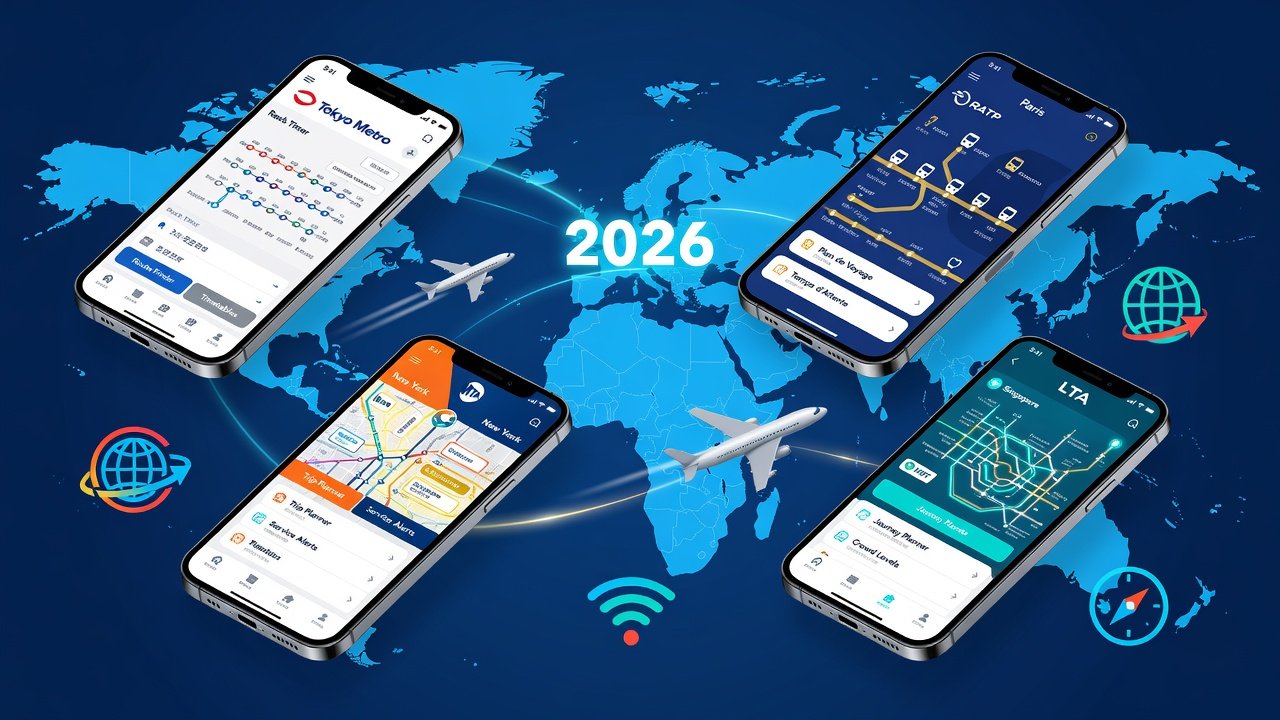
Navigating major cities efficiently in 2026 requires mastering local transit apps. This guide compares leading apps across Tokyo, Paris, New York, and Singapore, focusing on ticket integration, real-time alerts, offline capabilities, and safety tools. Whether you're a first-time visitor or a regular commuter, these insights help optimize your journeys with practical examples and detailed comparisons.
Tokyo Transit Apps: Mastering the Metro Maze
Tokyo's complex rail network benefits from apps like Japan Transit and Tokyo Metro's official tool. These integrate Suica and Pasmo digital ticketing for seamless payments across JR East, subway lines, and private railways. Real-time alerts cover delays on JR lines with precise arrival predictions, while offline mode downloads detailed maps for areas with poor signal such as underground transfers. Safety features include crowd density indicators that highlight peak hours on lines like the Yamanote and emergency contact buttons linked directly to station staff.
For first-time visitors, start by downloading the app before arrival and linking a credit card for contactless top-ups. A typical scenario involves landing at Narita Airport and using the app to plan a route to Shinjuku via the Narita Express, receiving alerts for any platform changes. Regulars often combine it with Google Maps for multi-modal planning that includes buses and walking segments. Step-by-step setup includes enabling notifications for service disruptions and testing offline mode during a short test trip around the Imperial Palace area.
Paris Transit Apps: RATP and Beyond
The official RATP app leads in Paris, offering Navigo pass integration and live updates for Metro, RER, and buses. Offline maps support navigation during strikes or maintenance works, and safety alerts notify users of pickpocketing hotspots near major stations like Châtelet or service disruptions on the RER B line. Visit the official RATP site for the latest app updates and route planners.
Step-by-step setup: 1) Download from App Store or Google Play. 2) Enable location services for accurate positioning. 3) Purchase or load tickets within the app using a linked payment method. 4) Activate offline mode before boarding to avoid connectivity issues in tunnels. First-time visitors might use it to navigate from Charles de Gaulle Airport to central Paris, while regulars appreciate the ability to store multiple weekly passes for daily commutes between the Louvre and Montmartre districts.
New York Transit Apps: MTA's Digital Ecosystem
New York's MTA app provides OMNY tap-and-go payments and real-time train tracking across subways and buses. Offline functionality includes saved routes and station maps, while safety tools feature real-time crime reports and station lighting status updates. Check the MTA website for integration details and service advisories.
Expanded user scenarios show first-time visitors relying on the app for transfers at Grand Central Terminal during rush hour, receiving alerts about elevator outages. Regulars use it to compare bus versus subway options for routes like the Upper West Side to Brooklyn. Setup involves creating an account for stored value, enabling background location tracking, and customizing alerts for specific lines such as the 4, 5, and 6 trains. 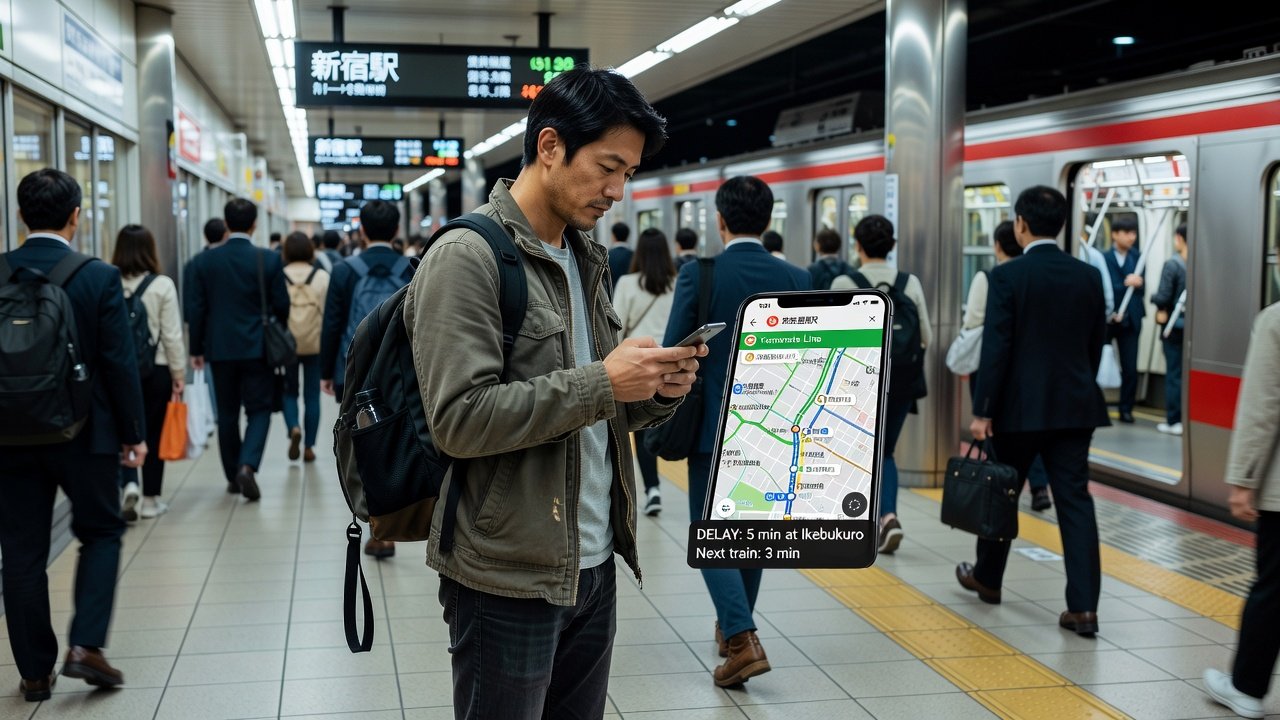
Singapore Transit Apps: LTA's Integrated Platform
Singapore's MyTransport.SG app excels with SimplyGo contactless payments and comprehensive bus and MRT tracking. It offers robust offline downloads of full network maps and safety notifications for crowded platforms at stations like Dhoby Ghaut. Explore LTA resources for app enhancements expected in 2027.
Practical examples include first-time visitors using the app to travel from Changi Airport to Marina Bay Sands with step-by-step walking directions inside the station. Regulars benefit from fare calculators that help plan budget-friendly routes across the extensive MRT network. The setup process recommends pre-loading the app with favorite stations and testing the emergency SOS feature before exploring areas like Orchard Road.
Cost Comparisons and User Scenarios
Apps across cities emphasize value through integrated wallets rather than fixed fees, allowing users to load funds as needed for daily travel. First-time visitors appreciate guided ticket purchases that prevent overpaying on single fares, while regulars leverage recurring payment setups for unlimited passes. In busy scenarios like rush hour in Tokyo, apps prioritize crowd avoidance routes; Paris focuses on strike resilience with alternative bus suggestions; New York highlights accessibility options; and Singapore emphasizes efficient transfers between MRT lines. Detailed examples show how a visitor in New York might save time by switching from subway to bus mid-journey based on live updates.
Checklists for Combining Apps with Packing and Awareness
- Pack a portable charger and download offline maps in advance for each city app.
- Enable app notifications for safety and service alerts while keeping phone volume audible in noisy stations.
- Combine transit apps with weather tools for route adjustments during rain or extreme heat.
- Review emergency contacts within each app before trips and share your location with a trusted contact.
- Include backup power banks in your luggage and test app functionality upon landing at the airport.
Mistakes to Avoid When Using Transit Apps
Common pitfalls include failing to update the app before travel, which can lead to outdated route information. Another mistake is ignoring offline mode activation, leaving travelers stranded without signal. Always verify ticket validity within the app to avoid fines, and cross-check real-time data with station announcements for accuracy during peak times.
FAQs on Common Pitfalls and 2027 Updates
Q: What if an app fails offline? A: Always preload routes and carry a backup paper map from the airport information desk. Q: How do safety features work in crowded cities? A: Apps send push notifications about platform density and allow quick reporting of incidents. Future 2027 updates may include AI-powered predictive routing across all featured cities, enhanced integration with ride-sharing for last-mile connections, and improved multilingual support for international users. Q: Can apps handle multi-city trips? A: Most focus on single-city use, so download each relevant app separately before your itinerary begins.
Conclusion
Mastering these 2026 transit apps transforms urban travel into a smooth experience. By comparing features, following setup guides, and applying checklists, travelers gain confidence whether visiting once or commuting regularly. Stay prepared for 2027 advancements that promise even smarter navigation tools.
Explore more destination advice in our travel guides.

No comments yet. Be the first!