 PlaceBee
Introduction
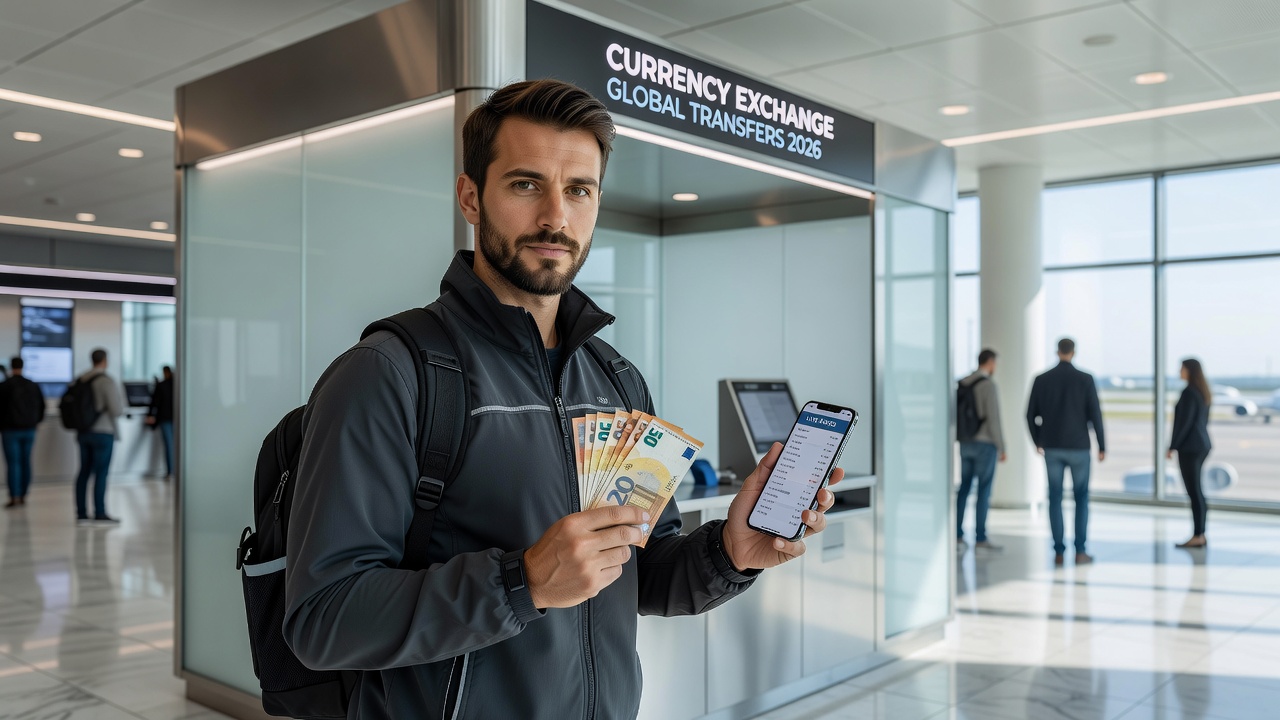
International travel in 2026 demands smart money management to avoid hidden costs that erode your budget. Whether exploring European capitals or bustling Asian markets, understanding currency exchange options helps travelers retain more value. This comprehensive guide breaks down proven methods, real-world comparisons from multiple continents, and actionable steps for minimizing fees while staying secure. By mastering these strategies, you can focus on your journey rather than unexpected charges at every turn.
Many travelers overlook the cumulative impact of poor exchange decisions until they return home. From airport counters to mobile apps, each choice carries implications for your overall trip expenses. We will examine every major option in depth, provide step-by-step instructions, and share insights drawn from frequent flyers who have tested these approaches across diverse destinations.
Comparing Currency Exchange Methods in Detail
Travelers face several options, each with distinct advantages and drawbacks that vary by location and trip length. Airport kiosks offer convenience but often deliver unfavorable terms due to their captive audience model. Local banks provide better terms yet require advance planning and identification verification. Prepaid cards and digital apps deliver flexibility with competitive structures for many users, especially those who plan withdrawals carefully.
- Airport kiosks: Quick access upon arrival but typically feature markups that compound over multiple transactions during a trip.
- Local banks: Reliable for larger sums in major cities, though operating hours and minimum transaction requirements may apply in certain regions.
- Prepaid cards: Useful for strict budgeting, allowing reloads via connected apps while limiting exposure if lost.
- Digital apps: Real-time visibility into market movements and low or zero additional fees for many users when linked to no-fee networks.
Comparisons from Europe demonstrate how apps consistently outperform traditional kiosks across multi-city itineraries, while Asia trips highlight advantages of local bank partnerships for handling currencies like the yen or Thai baht. Understanding these nuances allows you to select the right mix based on your itinerary length and spending patterns.
Step-by-Step Guide to Using No-Fee ATMs Effectively
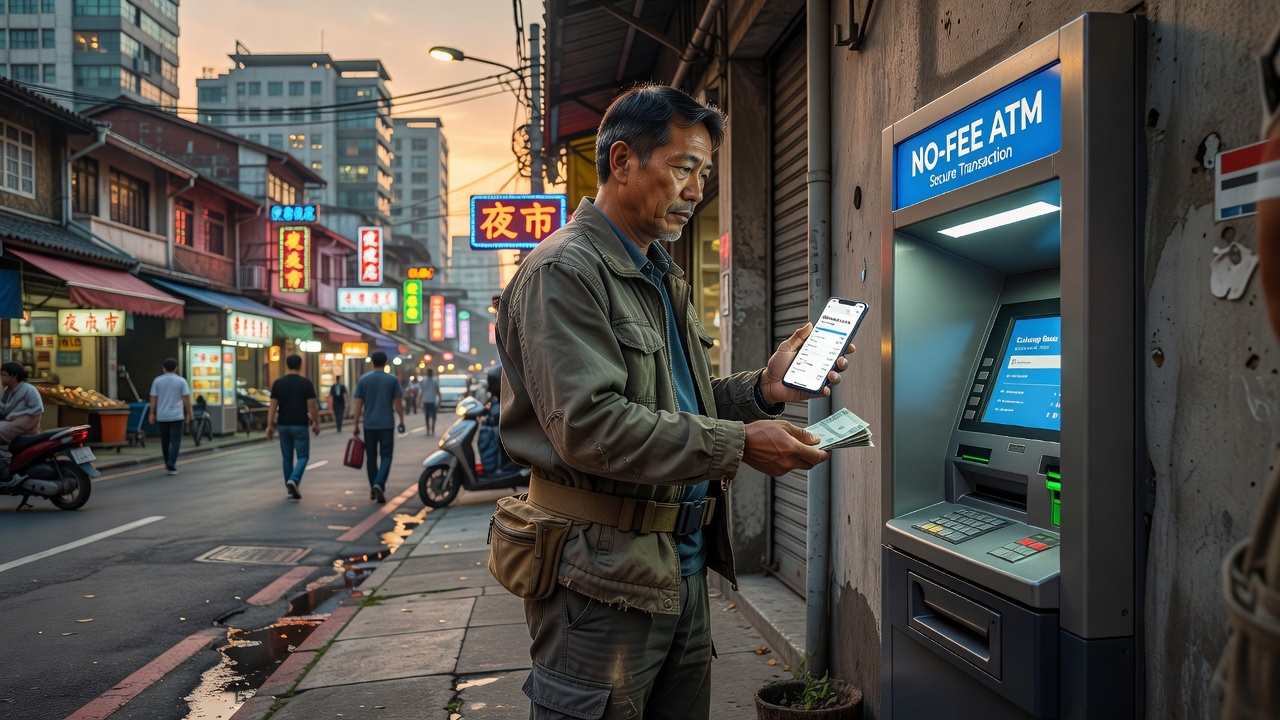
Locating and utilizing fee-free ATMs remains one of the most reliable ways to access local currency without extra layers of cost. Begin by researching global ATM networks partnered with your home bank well before departure. Download location-finding apps that map machines accepting your card without surcharges. Upon arrival, prioritize withdrawals during less busy periods to maintain privacy and reduce wait times.
Follow this detailed process for optimal results: First, confirm your bank's international ATM partnerships through their official support channels. Second, enable travel notifications on your accounts to prevent temporary blocks. Third, select the local currency option at the machine rather than your home currency. Fourth, withdraw moderate amounts to balance security and convenience. Fifth, retain all receipts for reconciliation upon return. This methodical approach has helped countless travelers maintain control over their finances abroad.
Additional considerations include checking daily withdrawal limits in advance and having backup cards from different institutions in case one network experiences temporary issues.
Real-Time Exchange Rate Monitoring Techniques
Staying updated on fluctuating rates prevents poor timing on conversions that can quietly add up. Reliable sources include central bank websites and established financial platforms that publish daily benchmarks. Set personalized alerts within trusted apps for favorable thresholds relevant to your destinations. Compare readings across multiple services each morning during extended trips to identify the best windows for larger exchanges.
Federal Reserve publications offer baseline context for USD-based travelers, while regional institutions provide localized perspectives. Incorporating these checks into your daily routine ensures decisions align with current market conditions rather than assumptions.
Advanced users often cross-reference data from multiple central banks to anticipate short-term movements influenced by economic announcements.
Avoiding Dynamic Currency Conversion Pitfalls
Dynamic currency conversion tempts users with familiar home-currency displays on terminals and ATMs, yet it typically locks in unfavorable rates chosen by the merchant. Always decline DCC prompts immediately and opt for the local currency to access the genuine interbank rate instead. This single habit frequently saves travelers noticeable percentages on purchases throughout their stay.
Common scenarios include restaurant terminals and hotel front desks where staff may encourage the option for simplicity. Educate yourself on the visual cues of DCC screens before traveling to recognize and bypass them instinctively. Resources from established travel authorities can further reinforce best practices in this area.
Secure Packing Strategies for Cash and Cards
Combine exchange hacks with thoughtful packing to protect your funds. Use dedicated money belts or hidden pockets for essential cash reserves that remain accessible yet discreet. Divide holdings across multiple secure locations within your luggage and on your person to mitigate total loss risks. Consider RFID-blocking wallets and passport covers to guard against electronic skimming attempts common in crowded tourist zones.
Layer additional precautions such as storing photocopies of important documents in separate bags and sharing emergency contact details with a trusted companion. These habits create redundancy that proves invaluable during unexpected disruptions.
Practical Examples from Europe and Asia Journeys
In Europe, frequent travelers have paired no-fee ATM networks with app-based monitoring to handle multi-week circuits through France, Italy, and Germany efficiently. One documented approach involved morning rate checks followed by targeted withdrawals that aligned spending with favorable daily movements.
Across Asia, prepaid reloadable cards excelled during visits to Thailand, Japan, and Singapore by enabling precise daily limits without repeated visits to banking locations. Combining these with secure packing methods allowed seamless transitions between urban centers and remote areas where ATM access varied.
These examples illustrate how blending methods creates resilience against varying infrastructure and rate environments encountered on longer trips.
Common Mistakes to Avoid
Many first-time international travelers repeat avoidable errors such as exchanging large sums at arrival points or ignoring app notifications about rate shifts. Another frequent oversight involves accepting DCC without realizing the long-term cost difference. Planning ahead with checklists and testing apps domestically reduces these risks substantially.
FAQ
Can cryptocurrency help with travel currency needs in 2026?
Cryptocurrency offers an emerging supplementary option in select destinations with growing merchant acceptance, but volatility and regulatory differences require thorough pre-trip research. Always maintain traditional backups for reliability during emergencies.
What steps should I take if I run out of cash abroad?
Contact your issuing bank immediately for emergency assistance options or locate partner ATMs through their locator tools. Local embassy resources listed on official government sites can provide further guidance while you arrange replacements.
How do exchange strategies differ for short versus extended trips?
Short trips benefit from prepaid cards for simplicity, while longer journeys reward diversified approaches combining ATMs, apps, and selective bank visits to adapt to changing needs.
Conclusion
Mastering these currency exchange strategies empowers 2026 travelers to maximize every dollar spent abroad. Apply the detailed steps, comparisons, and precautions consistently to enjoy smoother and more affordable international adventures from start to finish.

No comments yet. Be the first!