 PlaceBee
Introduction: Going Beyond Basic Travel Safety in 2026
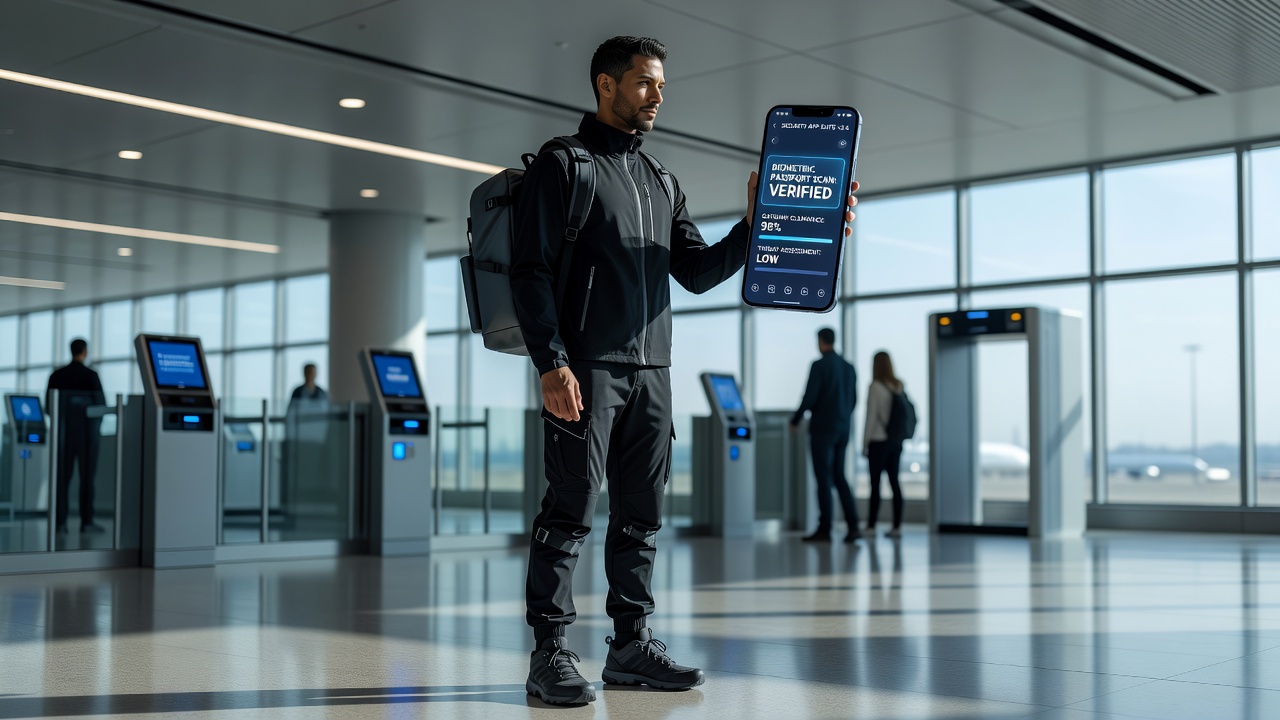
International travel in 2026 demands more than standard packing lists or itinerary planning. Pro-level risk management focuses on proactive strategies to mitigate digital threats, maintain sharp situational awareness, and execute seamless emergency responses. This guide delivers practical, advanced hacks tailored for experienced travelers seeking comprehensive protection abroad. With global connectivity increasing and threats evolving rapidly, understanding layered security measures can mean the difference between a smooth journey and a disrupted one. Travelers who invest time in these protocols report higher confidence and fewer incidents, according to recent traveler surveys.
Digital Privacy Tools and Strategies
Protecting personal data starts with robust tools. Use a reputable VPN to encrypt connections on public Wi-Fi, combined with password managers and two-factor authentication apps. Enable device encryption and regularly audit app permissions to minimize exposure. For enhanced security, consider hardware keys for critical accounts. In addition, travelers should disable automatic Wi-Fi connections and use mobile data hotspots when possible to avoid unsecured networks entirely. Data breaches at hotels and cafes remain common, making these steps essential.
Step-by-Step Digital Privacy Checklist
- Install and configure a no-logs VPN before departure, testing it on multiple networks to confirm reliability.
- Enable biometric locks and remote wipe features on all devices, and practice the wipe process once at home.
- Use encrypted messaging apps for sensitive communications, verifying end-to-end encryption is active.
- Back up data to secure cloud services with end-to-end encryption while keeping offline copies in a separate location.
- Review and revoke unnecessary app access to location and contacts, focusing on apps that request excessive permissions.
- Update all operating systems and apps to the latest versions at least 48 hours before travel.
Enhancing Situational Awareness Techniques
Situational awareness involves constant environmental scanning and behavioral pattern recognition. Travelers should practice the OODA loop (Observe, Orient, Decide, Act) in crowded areas and avoid predictable routines. Real-world examples include recognizing tailing attempts in tourist hotspots by varying routes daily and noting unusual behavior such as individuals lingering near ATMs or exits. Carrying a personal alarm device and learning basic self-defense postures can further deter opportunistic threats. Practicing these skills in familiar environments builds muscle memory for international use.
U.S. Department of State resources emphasize pre-trip research on local customs and potential risks to build proactive awareness. Incorporating daily briefings from trusted sources helps maintain an informed mindset throughout the trip.
Emergency Response Protocols
Effective protocols begin with pre-planned evacuation routes and emergency contacts stored offline. Carry physical copies of passport and insurance details alongside digital versions. In a crisis, prioritize contacting your embassy and using verified local transport rather than rideshares. Develop a communication tree with family members and designate a primary point of contact who can coordinate assistance if multiple parties are affected. Practice scenarios such as lost documents or medical emergencies during a mock drill before departure.
Emergency Response Checklist
- Memorize key embassy phone numbers and local emergency services, storing them in multiple formats including paper and encrypted notes.
- Establish a daily check-in system with a trusted contact at home, using time-zone adjusted schedules.
- Identify multiple exit strategies from accommodations and venues, including secondary routes that avoid main entrances.
- Practice using translation apps for urgent medical or legal situations, testing offline functionality in advance.
- Prepare a go-bag with essentials like cash in small denominations, a portable charger, and basic first-aid supplies.
CDC Travelers' Health provides up-to-date health emergency guidance that complements these protocols.

Comparisons of Safety Apps for 2026
Leading apps vary in features: some excel in real-time alerts while others focus on offline mapping and family tracking. Compare based on user reviews, data privacy policies, and integration with government warning systems. Select apps with strong encryption and minimal data collection to align with privacy goals. Popular options include those offering SOS beacons, crowd-sourced incident reports, and integration with wearable devices. Always review recent privacy policy updates, as data handling practices can change. Cross-reference app performance in low-connectivity regions through traveler forums before committing to one primary solution.
Real-World Case Studies of Avoided Incidents
One traveler avoided a pickpocketing attempt in a major European city by maintaining distance from crowds and using a cross-body bag with RFID protection after noticing repeated close approaches by the same individuals. Another detected a phishing scam targeting hotel Wi-Fi by verifying all communications through official channels first and noticing mismatched email domains. A third case involved a solo traveler who used situational awareness to exit a taxi that deviated from the agreed route, later confirming the driver was unlicensed through local transport apps. These examples highlight how combining tools and awareness prevents escalation and allows quick recovery.
Additional Pro Safety Hacks for Transportation and Health
When using public transport, always sit near the driver or in well-lit areas and share your route via a tracking app. For health, carry a basic medical kit tailored to your destination's common issues and register with local clinics in advance if possible. Research cultural norms around photography and personal space to avoid unintentional conflicts. Packing a portable door lock and window alarms adds an extra layer of security in accommodations.
Conclusion
Implementing these 2026 pro travel safety hacks transforms international trips into secure, confident experiences. Consistent practice of digital privacy, awareness techniques, and emergency readiness ensures resilience against evolving risks. Review and update your personal protocols after each trip to stay ahead of new challenges.
FAQ
What local laws should travelers research before trips?
Focus on drug regulations, photography restrictions in sensitive areas, and public behavior norms. Always consult official government advisories for the destination and carry printed summaries of key rules.
How do insurance claims work for safety incidents abroad?
Document everything immediately with photos and police reports, then contact your insurer within 24-48 hours. Keep digital and physical copies of policy details accessible and note any time limits for filing.
Are there specific apps recommended for family tracking?
Apps with geofencing and offline capabilities are ideal; test them thoroughly before travel to ensure reliability in low-connectivity zones and review data-sharing settings with all family members.
What steps help with health-related emergencies?
Register with your embassy's health alert system, pack prescription copies, and identify nearby hospitals that accept international insurance before arrival.
How can travelers handle lost or stolen documents effectively?
Report immediately to local police for an official report, then contact your embassy for emergency passports while keeping scanned copies stored securely in the cloud.

No comments yet. Be the first!