 PlaceBee
Introduction: Why Cultural Etiquette Matters in 2026
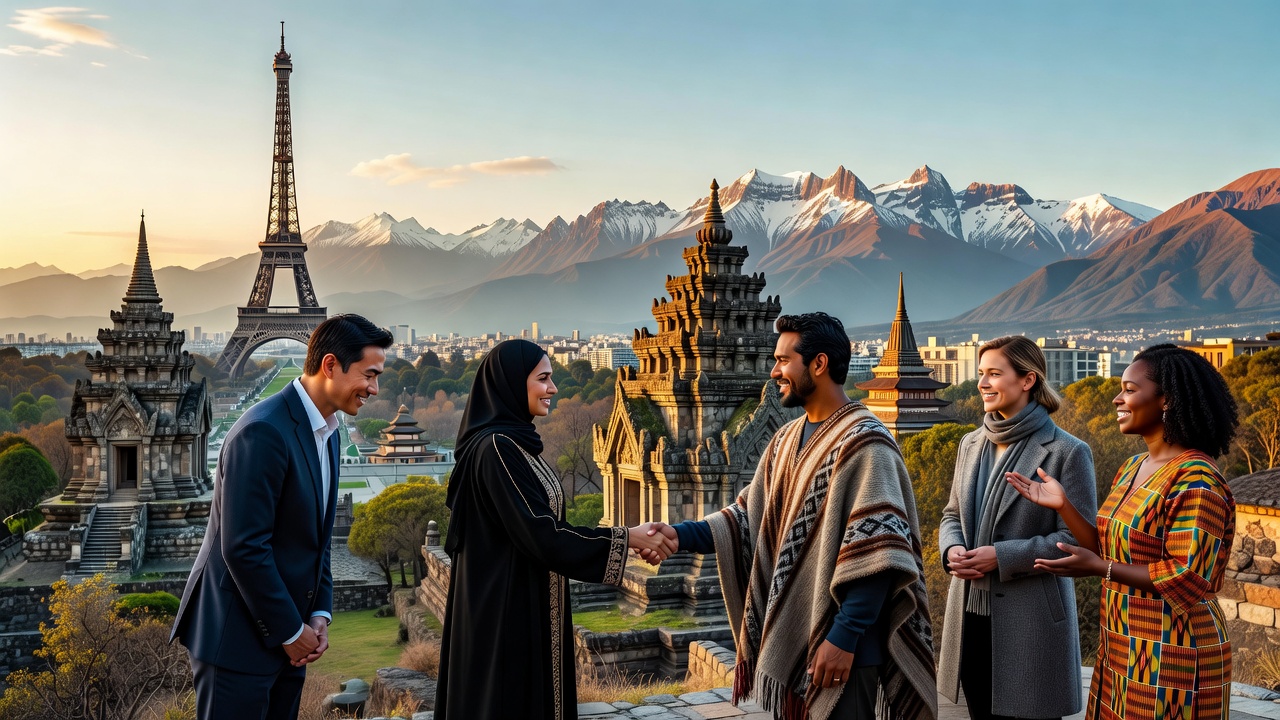
Traveling abroad in 2026 offers incredible opportunities to explore diverse cultures, yet cultural missteps can quickly derail even the best-planned journeys. With international tourism continuing its strong recovery, understanding local customs has become essential for meaningful connections and respectful interactions. This comprehensive guide delivers pro-level etiquette hacks that help travelers avoid common pitfalls while embracing authentic experiences. We cover essential strategies for researching customs before departure, mastering body language across continents, navigating dining and tipping norms, and following gift-giving protocols in key regions like Asia, Europe, and Latin America. You will also find practical step-by-step guides, real-world examples, regional comparisons, and insights into 2026 digital translation tools that make etiquette easier than ever.
Whether you are a first-time explorer or a frequent flyer, these evidence-based tips ensure smoother travels and deeper cultural appreciation.
Researching Local Customs Before Departure
Effective preparation begins long before boarding your flight. Start by consulting official government resources to understand foundational social values in each destination. For example, many East Asian societies place high importance on preserving harmony and avoiding public embarrassment, while Northern European cultures often emphasize punctuality and direct communication. Latin American countries frequently value warmth, personal relationships, and flexible time concepts.
Follow this step-by-step research process: First, compile a list of your exact destinations and note major festivals or religious observances occurring during your visit. Second, review recent traveler reports and official advisories for any post-pandemic shifts in social expectations. Third, download updated mobile applications that include etiquette modules with region-specific guidance. Fourth, practice polite phrases and observe video demonstrations of greetings and gestures. Fifth, create a personal etiquette checklist tailored to your itinerary. This methodical approach prevents surprises and builds confidence from day one.
Regional comparisons reveal striking differences: In Japan, bowing depth conveys respect levels, whereas in Brazil, enthusiastic hugs and cheek kisses are standard among acquaintances. Taking time to research these nuances transforms potential awkward moments into opportunities for connection.
Body Language Dos and Don'ts Across Regions
Non-verbal communication often carries more weight than spoken words. In Thailand and other Buddhist-majority countries, the head is considered sacred, so never touch another person's head or hair. Pointing with a single finger is viewed as rude throughout much of Asia; instead, use an open palm or your entire hand. In France and other parts of Western Europe, crossing your arms during conversation may signal defensiveness or disinterest, while in many Latin American settings animated hand gestures actually enhance engagement and expressiveness.
Real-world example: An American tourist in India once patted a local child on the head as a friendly gesture, unintentionally causing deep offense to the family. Learning the cultural prohibition against touching heads would have prevented the misunderstanding entirely. Another case involved a European visitor in South Korea who used the "OK" hand sign, which carries an offensive meaning in that context.
Practical dos and don'ts list: Do maintain appropriate eye contact in Western cultures but soften it in East Asia to show respect. Do keep feet flat on the floor in Middle Eastern settings where showing soles is disrespectful. Don't use your left hand for greetings or eating in many parts of India and the Middle East. Don't stand too close in Northern European countries where personal space is highly valued.
2026 digital translation tools now incorporate real-time body language previews, allowing users to test gestures before using them in public. These apps combine AI with cultural databases for instant feedback.
Dining and Tipping Norms: Regional Comparisons and Step-by-Step Guides
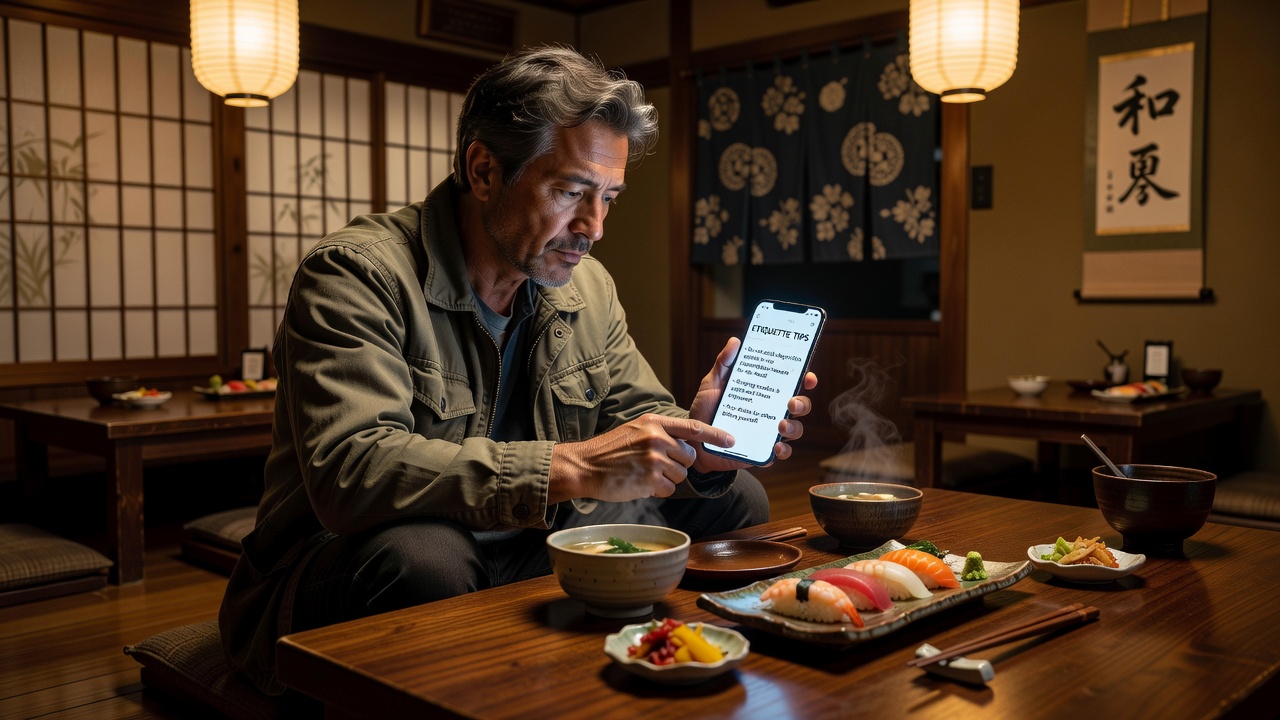
Table manners and gratuity customs vary dramatically worldwide. In China and parts of Southeast Asia, slurping noodles or soup signals genuine enjoyment and appreciation for the meal. The same behavior would be considered impolite in the United Kingdom or formal French restaurants. Tipping expectations also differ: service staff in the United States typically rely on gratuities, while in Japan leaving extra money can imply the service was inadequate.
Step-by-step guide for a typical dinner invitation: Research the expected meal structure and seating arrangements in advance. Observe your hosts closely upon arrival and mirror their pace. Use utensils correctly—chopsticks in East Asia, fork and knife in Europe, or hands in certain traditional settings. Confirm local tipping customs through reliable apps before the bill arrives. In Mexico and other Latin American nations, leaving small change for attentive service is appreciated, while many upscale European venues automatically include service charges.
Additional examples: In Italy, never ask for Parmesan cheese on seafood pasta. In India, eat only with your right hand. In Argentina, expect late dinner starts around 9 or 10 p.m. These details demonstrate respect and cultural awareness.
Gift-Giving Protocols Across Cultures
Selecting and presenting gifts thoughtfully strengthens relationships. In China, avoid giving clocks because the phrase sounds similar to "attending a funeral." In South Korea, always wrap gifts neatly and present them with both hands. Swiss hosts often appreciate high-quality local chocolates or watches, while Brazilian recipients may value practical items or souvenirs from your home country.
Step-by-step gift protocol: Research symbolic meanings of colors and objects beforehand. Choose items that reflect thoughtfulness rather than extravagance. Present gifts at appropriate moments, never during initial business meetings in some Asian contexts. In Latin America, gifts for children are especially well-received. Always express gratitude verbally when receiving a gift, even if you open it later in private.
Respectful Photography, Religious Site Visits, and Digital Tools
Photography requires sensitivity. Always seek verbal permission before photographing individuals, especially in rural communities. At sacred sites in Thailand, India, or Italy, cover shoulders and knees, remove shoes when required, and avoid flash photography near altars. 2026 etiquette applications now use GPS to flag restricted zones automatically.
Expanded FAQ addressing frequent traveler mistakes: What should you do if you accidentally offend someone? Offer a sincere apology, ask how to correct the behavior, and continue respectfully. How do digital tools support etiquette in 2026? Advanced translation platforms provide context-aware suggestions for phrases, gestures, and dining customs in real time. What are key differences between Latin American and Asian personal space norms? Many Latin cultures favor closer proximity during conversations, while East Asian norms often maintain greater distance. How should you handle religious site visits? Research dress codes, maintain quiet voices, and follow local guides' instructions precisely.
For authoritative planning resources, consult U.S. State Department travel resources and World Health Organization cultural health insights. Additional guidance is available through UN Tourism official guidelines.
Conclusion
Mastering these 2026 cultural etiquette hacks elevates every journey from surface-level tourism to genuine cultural exchange. Through thorough pre-trip research, mindful observation of body language and dining customs, careful gift selection, and strategic use of modern digital tools, travelers create respectful and memorable connections across Asia, Europe, Latin America, and beyond. Apply these practical strategies consistently to travel with confidence and cultural intelligence.

No comments yet. Be the first!