 PlaceBee
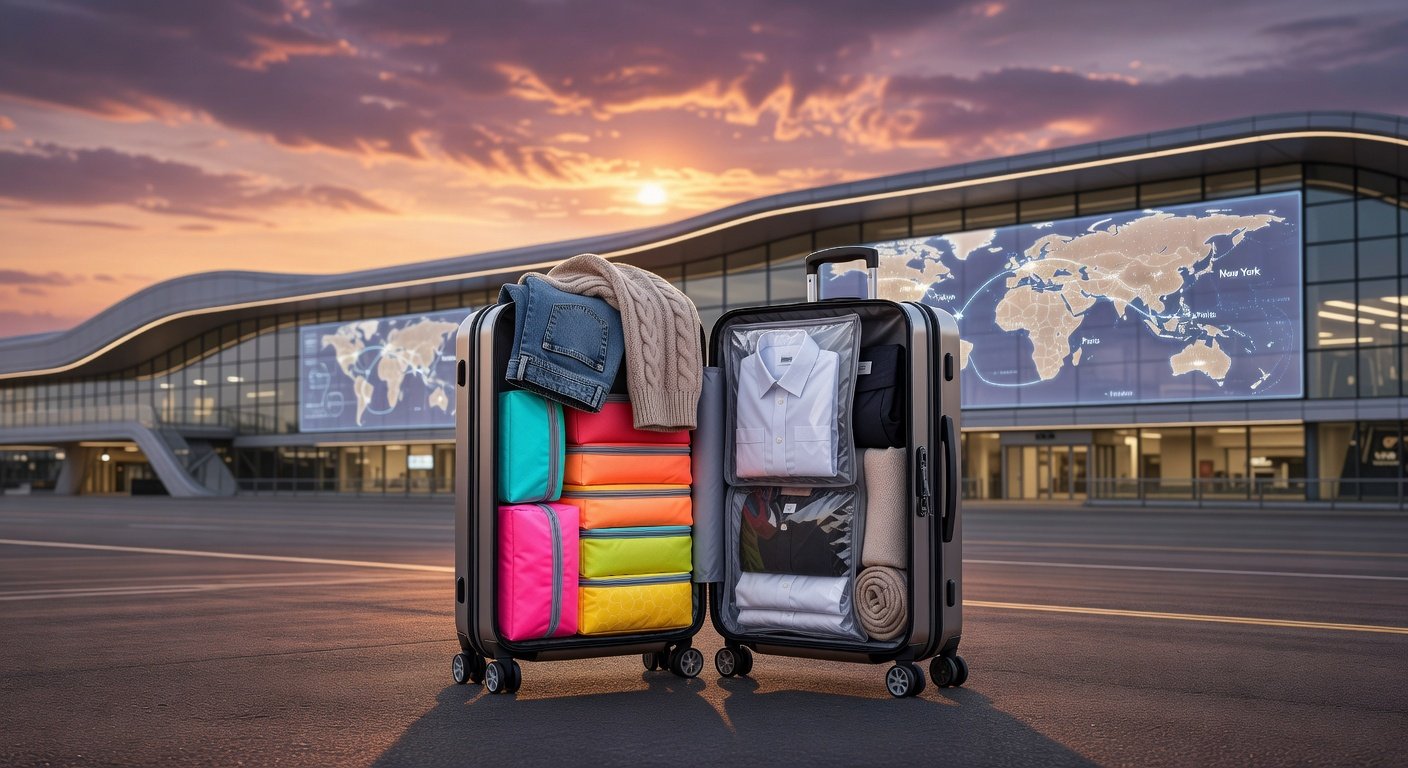
Introduction to Smarter Packing in 2026
Travel in 2026 demands efficiency, especially with stricter airline baggage fees and the rise of ultra-light carry-ons. Packing cubes and compression bags have revolutionized how we organize luggage, but which is better for space-saving and organization? This guide compares them head-to-head, covering pros, cons, durability, cost, and expert advice tailored to your trip length, destination, and airline rules. We'll share hybrid hacks, real traveler stories, and tips for carry-on domination.
What Are Packing Cubes?
Packing cubes are lightweight, zippered fabric organizers that divide your suitcase into compartments. Made from nylon or polyester, they come in sets of various sizes for clothes, toiletries, and accessories.
- Pros: Excellent organization—sort outfits by day or type. Breathable mesh panels prevent musty odors. Easy access without unpacking everything. Stackable for custom layouts.
- Cons: Limited compression; they organize but don't shrink volume much. Can wear out zippers over time.
Durability: High-quality ones from brands like Eagle Creek last years, with reinforced stitching. Cost: $20–$50 for a set of 4–8.
What Are Compression Bags?
Compression bags use a vacuum seal or manual roll-down to squeeze air out of clothes, reducing bulk by 50–80%. Often made from thick plastic or nylon with one-way valves.
- Pros: Superior space-saving—perfect for bulky items like sweaters. Waterproof options protect against spills. Great for long-term storage post-trip.
- Cons: Poor organization—everything's squished together. Risk of over-compression damaging delicate fabrics. Need a vacuum or time to roll.
Durability: Plastic versions tear easily; nylon ones hold up better but valves can clog. Cost: $10–$30 for 4–6 bags.
Head-to-Head Comparison
Here's how they stack up:
| Feature | Packing Cubes | Compression Bags |
|---|---|---|
| Space-Saving | Moderate (10–20% via organization) | High (50–80% via compression) |
| Organization | Excellent (multiple compartments) | Poor (one big sack) |
| Durability | High (fabric withstands 100+ trips) | Medium (valves fail after 20–50 uses) |
| Cost | $20–$50/set | $10–$30/set |
| Best For | Multi-destination trips | Bulky gear hauls |
Packing cubes shine for accessibility during layovers, while compression bags maximize every cubic inch—ideal for budget airlines in 2026 with shrinking allowances.
Pro Travel Advice: How to Choose
Select based on your itinerary:
- Trip Length: Short 3–7 day trips? Cubes for quick access. Week-long or longer? Combine with compression for extras.
- Destination: Beach or humid spots? Cubes' mesh ventilation prevents mold. Cold climates or adventures? Compression for puffy jackets.
- Airline Rules: Check restrictions—TSA guidelines allow both in carry-ons, but European carriers like Ryanair limit to 40x20x25cm. Compression helps comply without checking bags.
For international flights, reference IATA baggage standards to avoid fees averaging $50–$100 extra.
Hacks for Hybrid Use
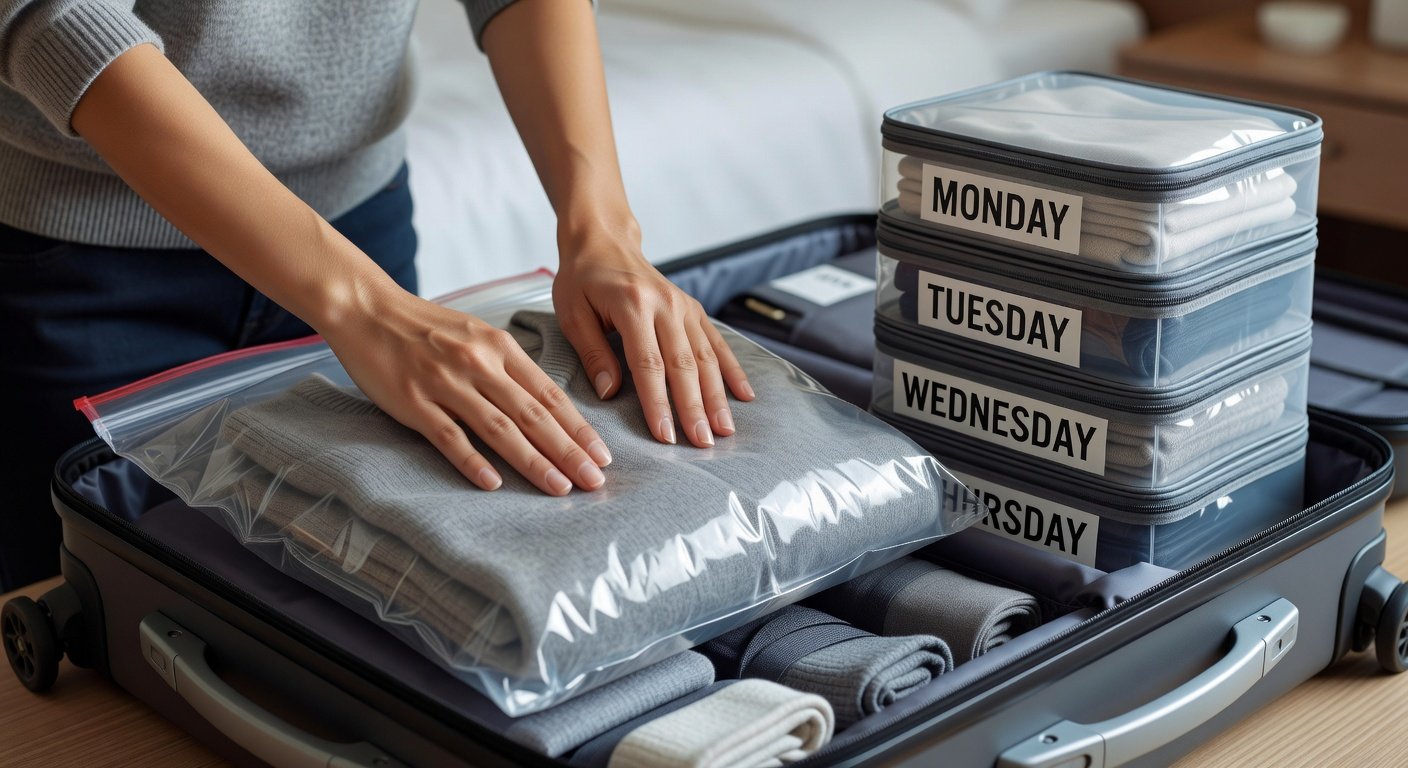
Don't choose—use both! Pack dirty laundry in compression bags to shrink it mid-trip. Nest cubes inside compression for organized compression. Pro hack: Label cubes (e.g., "Day 1–3") and compress outer layers. For 2026's smart luggage, cubes fit RFID trackers perfectly.
- Roll clothes before cubing for 20% extra space.
- Use shoe bags (cube-style) to fill gaps.
- Hybrid set: 4 cubes + 2 large compression bags = carry-on perfection.
Real Traveler Case Studies
Case 1: Sarah's Europe Backpack (7 days): Solo traveler used packing cubes for a Ryanair carry-on. "Cubes kept my outfits separated—no rummaging at hostels. Saved $60 on fees." Cons: No compression meant tight fit for souvenirs.
Case 2: Mike's Patagonia Trek (14 days): Compression bags halved his jacket's size. "Packed a week's gear in a 40L bag." Downside: Re-packing took 15 mins without organization.
Case 3: Family of 4 to Bali (10 days): Hybrid approach—cubes for kids' clothes, compression for linens. "Flew ANA carry-on only, stress-free."
These stories from forums like Reddit's r/onebag highlight real wins.
Carry-On Packing Mastery Tips
Master 2026 carry-ons:
- Layer Strategically: Compression for base layers, cubes for tops/bottoms.
- Weight Distribution: Heavy items (shoes) at wheels; light compressed stuff on top.
- Multi-Use Items: Sarongs as pillows/towels—cube them flat.
- Test Pack: Weigh under airline max (e.g., 7–10kg).
- 2026 Tech: Use app-integrated cubes with inventory scans.
Bonus: For liquids, TSA-approved bags in a dedicated cube.
Final Verdict
Packing cubes win for organization; compression bags for space. Hybrid rules for most trips. Invest in durable sets—your 2026 adventures deserve it!


No comments yet. Be the first!