 PlaceBee
Introduction to Flying with Pets
Traveling by air with pets requires careful planning to ensure safety, comfort, and compliance with regulations. Whether you're taking a domestic flight or venturing internationally, understanding airline rules and preparing thoroughly can turn a potentially stressful experience into a smooth one. This guide covers practical hacks that address real-world challenges like policy comparisons, documentation, and comfort routines. Pet owners often face hurdles such as varying airline restrictions and unexpected delays at checkpoints. By focusing on preparation, you can minimize risks and expenses while keeping your furry companion calm. Many travelers report that advance research and practice sessions at home make the biggest difference in reducing anxiety for both the pet and the owner during the journey.
Successful pet travel starts weeks or even months ahead. Begin by assessing your pet's temperament and health to decide if flying is appropriate. For nervous animals, consider alternative transport options like driving, but when air travel is necessary, these pro hacks provide a clear roadmap. Real examples from frequent flyers show that pets acclimated to carriers through short car trips handle flights far better than those introduced only on departure day.
Comparing Airline Pet Policies
Different carriers have unique rules for pets in cabin or cargo. Major airlines like Delta and United allow small pets in the cabin under specific weight limits, while others may require cargo transport for larger animals. Always verify the latest policies directly with the airline before booking, as they can change seasonally. For instance, some budget carriers prohibit pets entirely in the cabin, forcing owners to explore cargo options or partner airlines. Breed restrictions also vary widely, with certain snub-nosed dogs and cats facing bans on many routes due to breathing concerns in pressurized environments.
Consider factors such as temperature embargoes during extreme weather, reservation requirements, and fees that differ by route. Booking early ensures space availability since many airlines limit the number of pets per flight. Compare policies across at least three carriers for your itinerary, noting direct-flight preferences to reduce layover complications. International routes often impose stricter rules, including advance approval for certain species. Frequent travelers recommend creating a spreadsheet of policies for quick reference when planning multiple trips.
Required Health Documentation Steps
Proper paperwork is essential for both domestic and international travel. Start by consulting your veterinarian for a health certificate issued within 10-30 days of departure. For international trips, additional requirements like rabies vaccinations and microchipping apply, often needing endorsement from government agencies. Keep digital and paper copies of all documents organized in a dedicated travel folder to present quickly at check-in or border control.
Resources from official bodies help streamline this process. Check guidelines from the CDC for U.S. pet import rules. Similarly, the USDA APHIS provides country-specific entry requirements to avoid last-minute issues at the airport. In one real example, a family traveling to Europe avoided delays by obtaining an EU animal health certificate in advance through their vet. Always confirm microchip standards match the destination country's requirements, as non-ISO chips may need adapters or additional verification.
Selecting the Right Pet Carrier
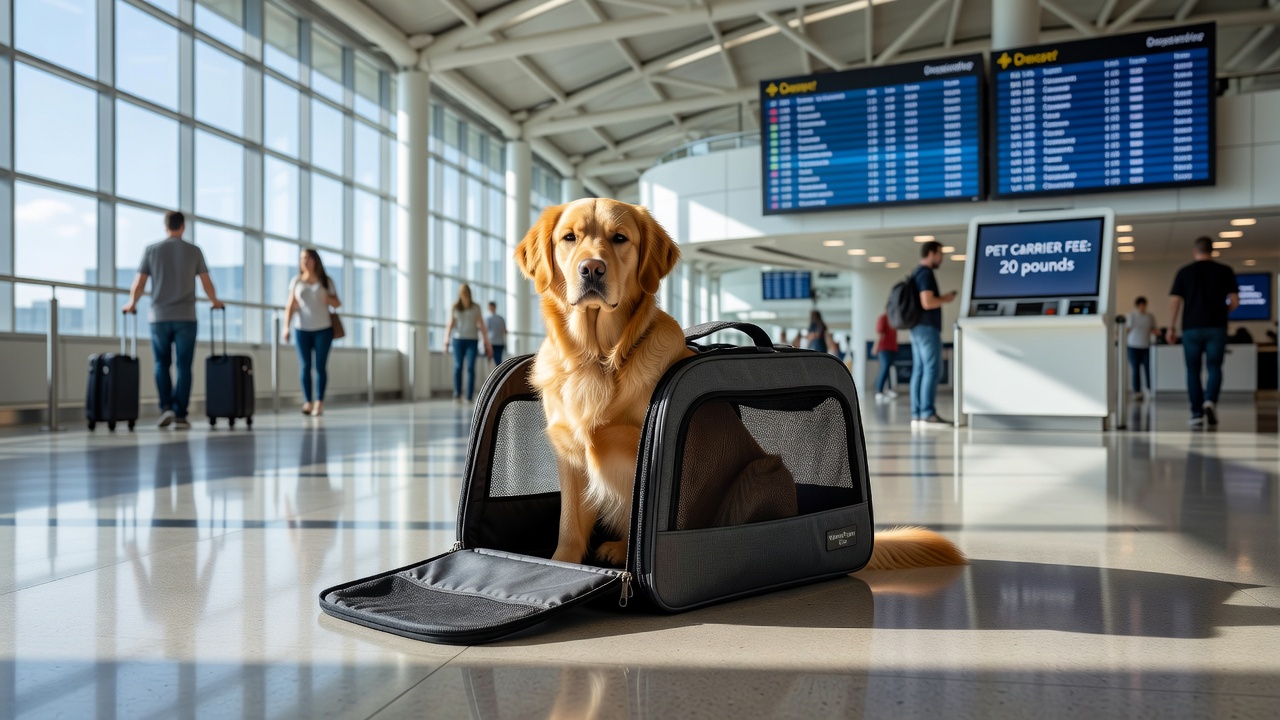
Choosing an IATA-approved carrier ensures compliance and comfort. Hard-sided crates work well for cargo, while soft-sided options suit in-cabin travel if they fit under the seat. Measure your pet and test the carrier at home beforehand, allowing the animal to explore it with treats and familiar bedding to build positive associations. Features to prioritize include ample ventilation on multiple sides, secure locking mechanisms that cannot be pawed open, and leak-proof bottoms with absorbent liners.
For in-cabin use, select carriers with expandable sides for extra space during flight while still meeting airline dimensions. Cargo crates must meet strict structural standards and include food and water dishes that attach securely. Introduce the carrier gradually over several weeks with short sessions to reduce anxiety during the journey. Many owners add a familiar item like a worn t-shirt inside to provide calming scents. Avoid carriers that are too large, as excess space can lead to sliding during turbulence.
Navigating Airport Security Checkpoints
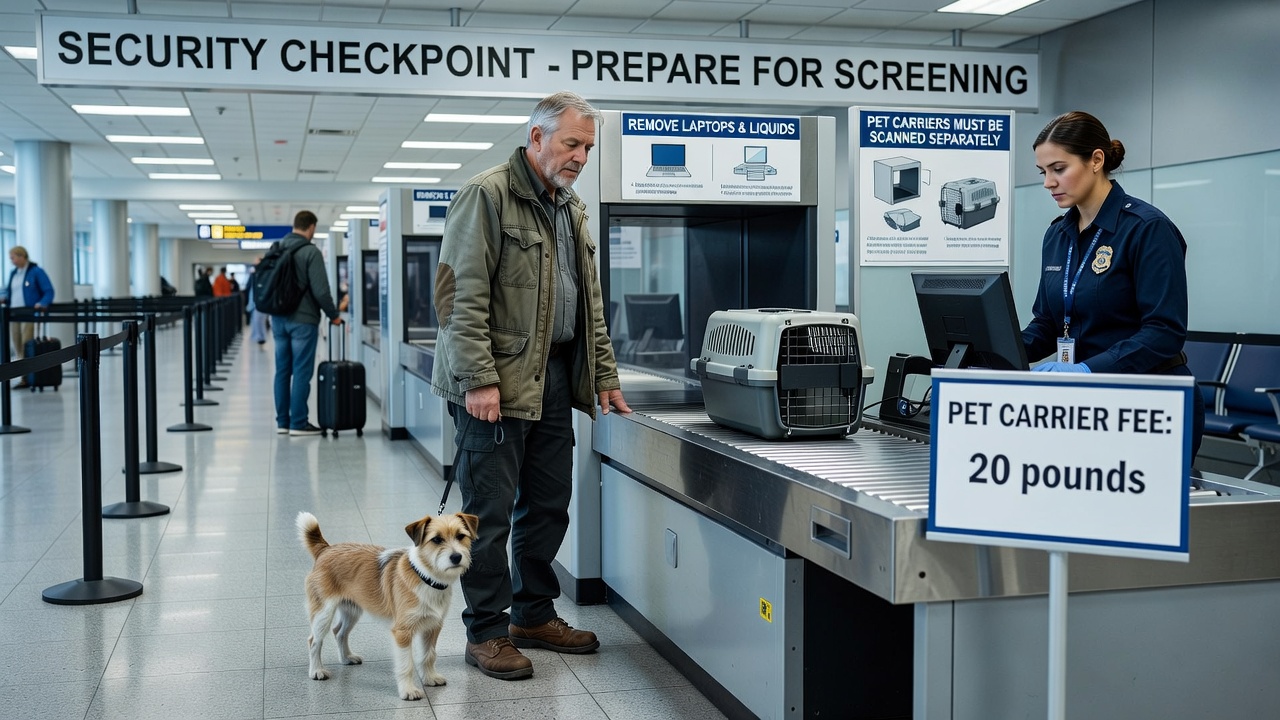
Security screenings can be daunting with pets. Remove your pet from the carrier and carry them through the metal detector while the empty carrier goes through the X-ray. Keep treats handy to reward calm behavior and maintain control with a leash if permitted. Inform TSA agents ahead of time about any special needs, such as a pet that is elderly or recovering from surgery, to receive assistance or expedited processing.
Arrive early to allow extra time, especially during peak hours. Service animals follow different protocols and may not require removal from carriers in some cases. Practice the removal process at home so your pet remains relaxed when handlers approach. Real travelers suggest packing a small bag of waste supplies and wipes for quick cleanups post-screening. If your pet wears a harness, ensure it contains no metal that could trigger alarms unnecessarily.
In-Cabin vs Cargo Considerations
In-cabin travel keeps pets close but limits size; cargo offers more space yet involves temperature-controlled holds. For short flights, in-cabin is often preferable for monitoring, allowing owners to respond immediately to any signs of distress. Long-haul trips may necessitate cargo for larger pets, with direct flights reducing layover stress. Evaluate your pet's size, age, and health before deciding, as some airlines prohibit pets in cargo during summer months due to heat risks.
Examples from experienced pet travelers highlight that small dogs under 20 pounds typically fare best in cabins, while medium breeds may need cargo with proper acclimation. Always request a cargo tour if available at the airport to familiarize yourself with conditions. Direct flights minimize transfers where pets could be mishandled, and some carriers now offer live tracking for cargo pets on select routes.
Managing In-Flight Comfort Routines
Pack familiar items like toys and a blanket to create a sense of security. Offer water during the flight but avoid overfeeding to prevent motion sickness. Monitor for signs of distress such as excessive panting or whining and request assistance from flight attendants if needed. Establish a pre-flight routine including a light walk and bathroom break right before boarding.
During the flight, speak softly to your pet through the carrier and avoid opening it unless absolutely necessary. For longer journeys, consider approved calming chews recommended by your vet rather than medication. Many owners report success with white noise apps or pheromone sprays applied to bedding beforehand. Always have a backup plan, such as a printed list of emergency vet contacts at your destination.
Cost-Saving Tips and Checklists
- Book pet fees in advance for potential discounts on select carriers.
- Use reusable carriers to avoid rental costs on repeated trips.
- Compare multiple airlines for the best overall value including extras like priority boarding.
- Opt for direct flights to reduce additional handling fees and overnight boarding if layovers occur.
Pre-flight checklist: Confirm reservations two weeks prior, gather all health docs, acclimate pet to carrier daily, pack food, water, waste bags, and medications, and review airline contact numbers. Post-flight checklist includes immediate vet check if the pet seems unwell and gradual reintroduction to home routines.
Mistakes to Avoid
Common errors include waiting until the last minute to book pet space, skipping practice sessions with the carrier, and assuming all airlines accept the same documentation. Another frequent issue is choosing the wrong carrier size, leading to rejection at check-in. Always double-check temperature restrictions, as summer cargo bans can force itinerary changes.
FAQs on Common Issues
Can I sedate my pet? Most airlines discourage sedation due to health risks in changing cabin pressures; consult your vet for safer alternatives like calming aids or natural remedies.
What about emotional support animals? Recent policy changes require specific documentation and no longer guarantee free travel in all cases, so verify requirements with each airline individually.
How early should I arrive at the airport? Plan for at least two hours before domestic flights and three hours for international to handle pet check-in and security thoroughly.
Conclusion
With these pro travel hacks, flying with pets becomes manageable and less risky. Thorough preparation using reliable sources like the FAA ensures compliance and comfort for every trip. Apply these strategies consistently to build confidence for future adventures with your pet.


No comments yet. Be the first!