 PlaceBee

Introduction to 2026 Road Trip Hacks
Road trips in 2026 offer unparalleled freedom and adventure, but achieving an epic experience requires more than basic packing lists or generic advice. Travelers today face evolving challenges including dynamic traffic patterns, advanced vehicle technologies, and the need for sustainable travel practices. This comprehensive guide explores advanced strategies such as leveraging cutting-edge navigation applications, implementing thorough vehicle maintenance protocols, and crafting intelligent stop schedules that maximize enjoyment while reducing driver fatigue and unexpected expenses. Whether you are planning a cross-country journey or a regional exploration, these pro tips deliver practical value drawn from real-world scenarios and data-driven insights.
Optimizing Routes with 2026 Apps and Tools
Route optimization technology has advanced dramatically by 2026, incorporating artificial intelligence for predictive traffic modeling, integration with electric vehicle charging networks, and seamless weather overlays. Popular platforms now allow users to input multiple waypoints while factoring in real-time construction alerts and elevation changes that affect fuel efficiency. For instance, when plotting a drive from Denver to Yellowstone National Park, apps can suggest layering scenic segments through Rocky Mountain passes during daylight hours while routing around urban bottlenecks. National Park Service resources provide official trail and access updates that complement these digital tools.
Comparing scenic versus efficient routes involves weighing time, cost, and experience trade-offs. Efficient paths may shave hours off total travel but miss iconic viewpoints, whereas scenic alternatives often justify the extra distance through memorable landscapes. Test multiple iterations in your chosen app, saving versions for quick adjustments en route. Always cross-reference with official highway data from the Federal Highway Administration to confirm road conditions and seasonal closures.
Vehicle Maintenance Checklists for Reliable Travel
Preventive maintenance remains the foundation of any successful road trip. Begin with a full inspection two weeks before departure. Key items include verifying tire tread depth exceeds 4/32 of an inch, confirming proper inflation according to manufacturer specifications, and examining brake pads for even wear. Fluid checks should cover engine oil, coolant, transmission fluid, brake fluid, and windshield washer levels. Test all exterior lights, wipers, and the spare tire or tire repair kit. For vehicles over 50,000 miles, schedule a professional diagnostic scan to identify potential sensor or battery issues early.
Additional steps involve cleaning air filters, lubricating hinges and locks, and confirming the functionality of safety features such as backup cameras and blind-spot monitors. Pack a basic toolkit with jumper cables, a multi-tool, duct tape, and zip ties for minor on-the-road fixes. Document all maintenance in a digital log accessible offline.
Smart Stop Planning to Reduce Fatigue
Driver fatigue contributes significantly to accidents, making strategic stops essential. Research indicates that breaks every 90 to 120 minutes improve alertness and reaction times. Plan these pauses around locations offering restrooms, fuel, and light physical activity such as walking paths or scenic overlooks. Incorporate meal stops at locally recommended establishments to break monotony and support regional economies.
Use apps that highlight official rest areas and truck stops with verified amenities. Factor in circadian rhythms by scheduling longer rests during typical low-energy periods like mid-afternoon. Hydration reminders and stretch routines during each stop further enhance safety and comfort for all passengers.
Building Flexible Itineraries: Step-by-Step Examples
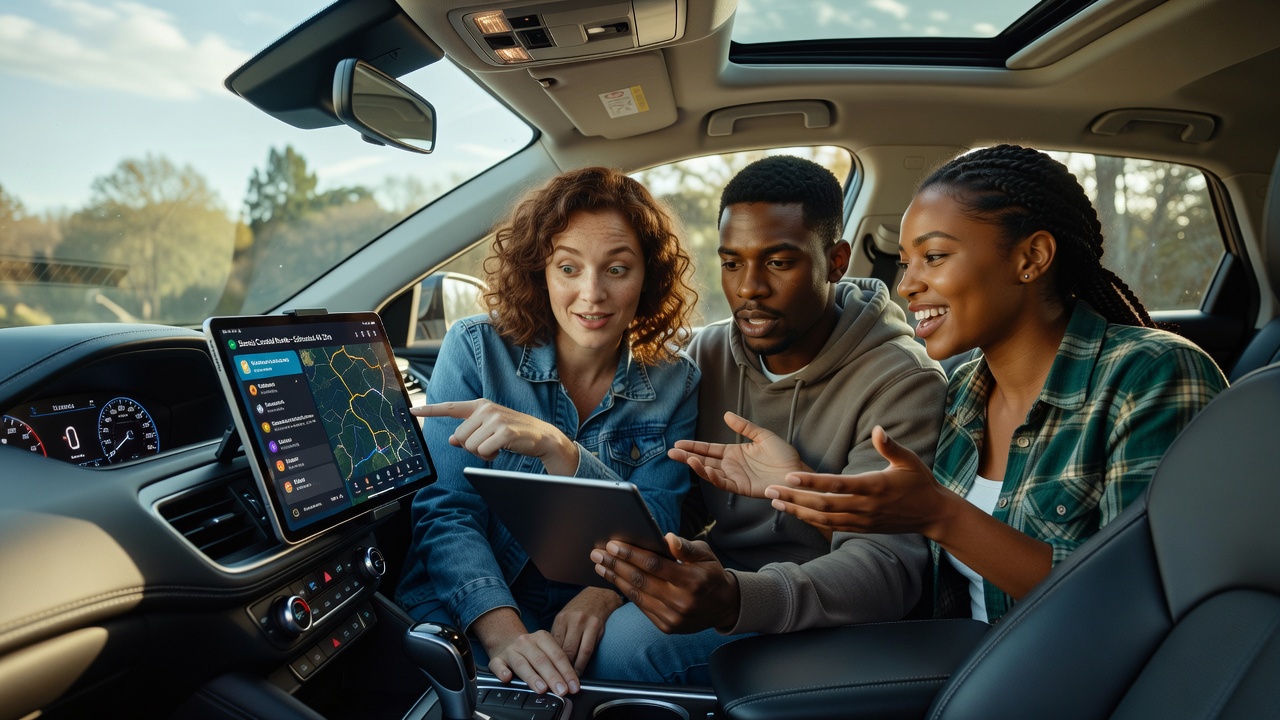
Creating adaptable itineraries starts with defining non-negotiable destinations and total available days. Next, map primary corridors with built-in buffer time equivalent to 15 percent of estimated driving duration. Add optional side excursions that can be dropped without disrupting the overall flow. Review daily driving segments to keep them under six hours whenever possible, inserting overnight stays strategically.
Consider a sample four-day itinerary from Seattle to Glacier National Park: Day one covers the initial 250 miles with a lunch stop in Leavenworth; Day two includes a flexible detour to a hot springs if energy permits; Days three and four prioritize park exploration with weather-dependent alternatives. Revisit the plan each evening using shared digital documents that allow real-time edits by all travelers.
Budget-Saving Fuel Hacks
Fuel management begins with monitoring price trends along your corridor and filling tanks during lower-demand periods. Maintain consistent highway speeds around 65 miles per hour where safe, engage cruise control on long stretches, and remove unnecessary cargo that adds weight. Combine multiple errands into single stops to minimize cold starts that consume extra fuel. Consider membership programs at major fuel chains for incremental savings without locking into rigid schedules.
Handling Unexpected Breakdowns
Even with thorough preparation, breakdowns can occur. Equip your vehicle with an emergency kit containing jumper cables, reflective triangles, a flashlight with extra batteries, a first-aid supply, bottled water, and non-perishable snacks. Subscribe to a reputable roadside assistance program and program its contact number into your phone along with local towing services. When issues arise, prioritize safety by moving to a secure shoulder or exit, activating hazard lights, and using GPS coordinates when calling for help.
Common scenarios include flat tires, overheating engines, and electrical failures. Know basic troubleshooting such as checking fuses before assuming major repairs are needed. In remote areas, carry extra water and blankets for temperature extremes.
Group Coordination Tips for Smooth Journeys
Successful group travel hinges on clear role assignments and communication protocols. Designate a lead navigator responsible for route monitoring, an entertainment manager for playlist curation, and a logistics lead for reservation confirmations. Utilize location-sharing applications that function offline and establish daily check-in times to align preferences. Set expectations upfront regarding music volume, stop frequency, and quiet hours to prevent conflicts. Rotate driving duties fairly and celebrate small milestones to maintain morale throughout the journey.
Conclusion
Applying these 2026 road trip hacks elevates ordinary drives into memorable adventures filled with efficiency, safety, and enjoyment. Prioritize preparation, maintain flexibility, and focus on collective well-being for optimal outcomes on every journey.
FAQ
What are common pet policies on road trips?
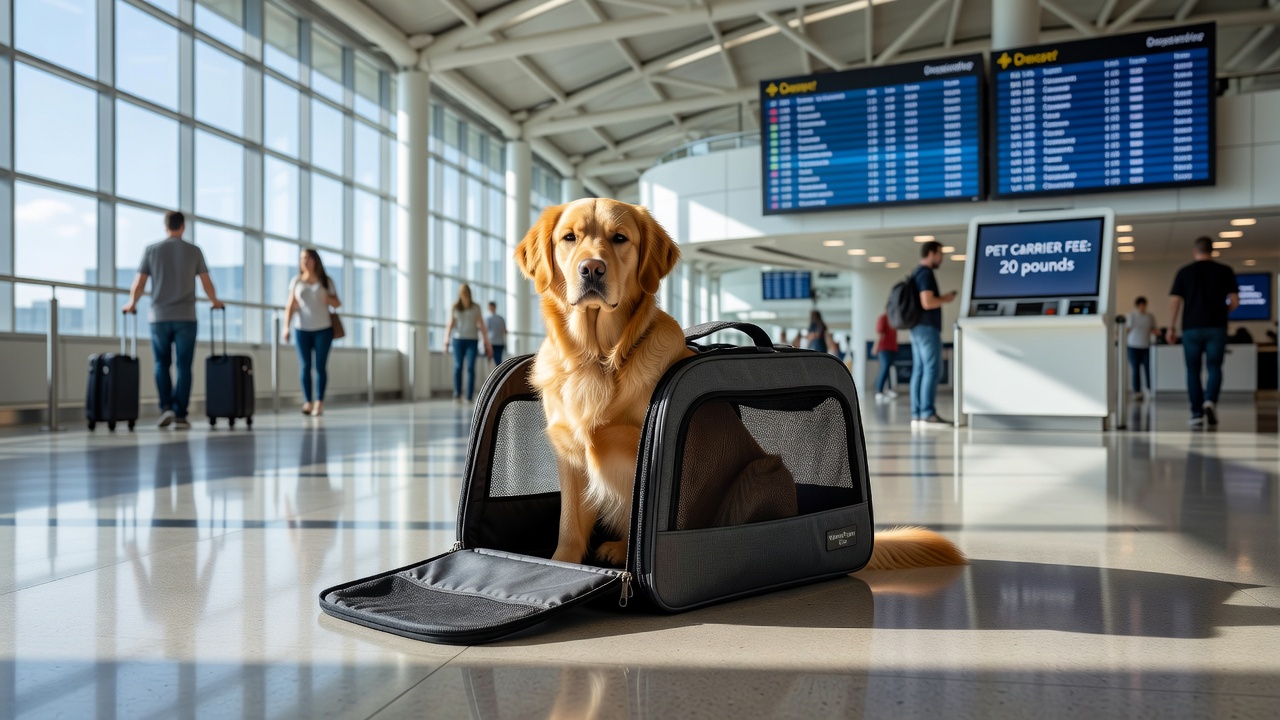
Many lodging providers and campgrounds accommodate pets when notified in advance. Confirm leash requirements, designated relief areas, and nearby veterinary services before arrival. Always carry waste bags and current vaccination records.
How do you handle weather contingencies?
Review forecasts daily through the National Weather Service and maintain alternate indoor activities or rerouting options. Pack layered clothing, tire chains where appropriate, and extra emergency supplies for sudden storms or temperature drops.

No comments yet. Be the first!