 PlaceBee
Introduction: Why Healthy Eating Matters on the Road in 2026
Traveling opens doors to new cultures and experiences, but it often disrupts routines around nutrition. Busy itineraries, limited options, and tempting convenience foods can lead to energy crashes, digestive issues, weakened immunity, and even mood swings that affect how you enjoy your trip. In 2026, with more people embracing adventure travel than ever, maintaining balanced nutrition has become a key priority for frequent flyers and explorers alike. This guide delivers pro travel tips focused on actionable healthy eating hacks tailored for 2026 adventures, helping you maintain balance without sacrificing time or enjoyment.
Whether you're navigating layovers, long-haul flights, or exploring local cuisines, these strategies emphasize preparation, smart selections, and sustainable habits. By prioritizing nutrient-dense choices, you'll feel sharper, more energized, and better able to immerse yourself in your journey. The following sections break down every stage of travel with concrete examples, comparisons, and decision frameworks so you can adapt them to your own dietary needs and itinerary style.
Pre-Trip Meal Prep Techniques
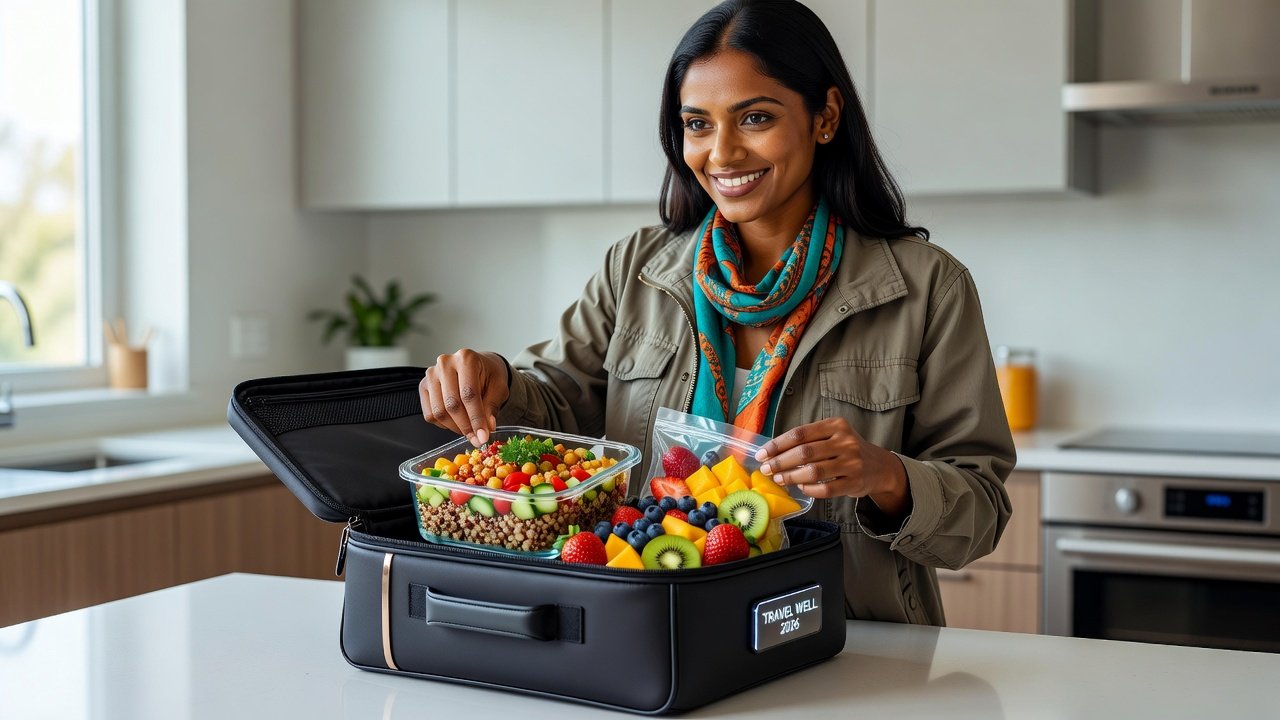
Effective planning starts before you leave home. Batch-cooking versatile bases like quinoa, brown rice, or roasted vegetables allows quick assembly of portable meals that hold up well in transit. Portion them into reusable silicone bags or containers that meet TSA liquid rules for carry-ons. Consider dietary preferences early: if you follow a high-protein plan, focus on grilled chicken, tofu, or hard-boiled eggs; for plant-based eaters, lentils and chickpeas work beautifully.
Step-by-step example for a three-day supply: 1) Choose proteins like grilled chicken or tofu and cook in bulk on Sunday. 2) Pair with fiber-rich veggies such as broccoli and carrots plus whole grains. 3) Season simply with herbs, lemon, and olive oil to avoid spoilage. 4) Freeze items overnight for extended freshness during transit. 5) Label each container with contents and date. This approach beats last-minute airport grabs and keeps consistent nutrition levels high. Another variation includes overnight oats jars made with chia seeds, almond milk, and berries that travel well in a cooler bag. These prepped meals reduce reliance on processed foods and help control portions during hectic days.
Airport and In-Flight Snack Selections
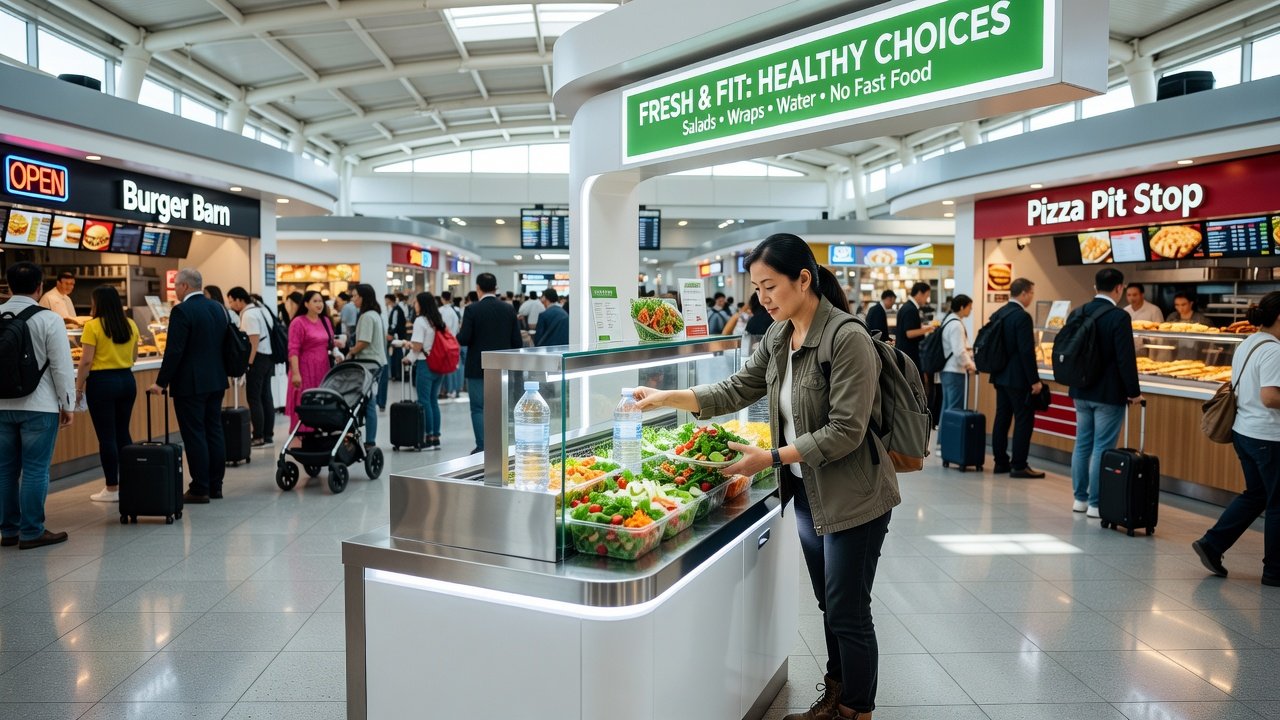
Airports have improved options in recent years, but convenience still dominates most terminals. Seek out spots offering salads, yogurt parfaits, or nut mixes instead of pastries and fried items. For flights, pack items like apple slices with almond butter packets, protein bars under 3.4 ounces, or roasted chickpeas. Always verify current TSA guidelines before packing liquids or gels.
Comparison of healthy vs convenient choices: A grab-and-go sandwich with lean turkey, greens, and whole-grain bread provides sustained energy and steady blood sugar versus a sugary muffin that causes a spike followed by a crash. Research shows that choosing fiber and protein combinations improves alertness during long flights. Download airline apps in advance to preview menus and request special meals when booking. At the airport, walk past the first food court and head toward newer wellness-focused kiosks that stock fresh fruit cups and hummus packs.
Local Market Sourcing Tips
Once at your destination, farmers' markets and grocery stores offer fresh, affordable produce that connects you to local flavors. Focus on seasonal items like berries, leafy greens, or root vegetables that travel well in a daypack. Ask vendors for preparation ideas to adapt to local flavors without processed additives. In many European cities, weekly markets feature ready-to-eat options such as grilled vegetables or fresh cheeses that pair perfectly with whole-grain bread.
Pro tip: Carry a collapsible cooler bag and reusable utensils. This empowers spontaneous healthy meals, like assembling a salad from market finds during a layover city stop. In Asian destinations, look for street markets selling steamed edamame or fresh coconut water. Always wash produce thoroughly or choose items with edible peels. These sourcing habits not only improve nutrition but also support local economies and reduce packaging waste compared to imported snacks.
Hydration Routines for Peak Performance
Dehydration sneaks up during travel due to cabin pressure, air conditioning, and increased walking. Aim for consistent water intake by carrying a filtered bottle and refilling at fountains or hotel stations. Infuse with cucumber, lemon, or mint for flavor without added calories or sugar. Establish a routine: Drink 500ml upon waking, then every two hours during activity, adjusting for climate and exertion level.
Pair water with electrolyte packets for longer adventures to maintain mineral balance. Track intake using a phone app or simple journal. In hot destinations, increase frequency and add sodium-rich snacks like salted nuts. Staying hydrated supports digestion, concentration, and recovery from jet lag, making it one of the simplest yet most effective healthy eating hacks available to travelers.
Overcoming Common Challenges and Jet Lag
Travel often brings obstacles such as irregular meal times, limited kitchen access, and temptation from hotel buffets. Combat these by setting phone reminders for meals and snacks every three to four hours. When jet lag hits, prioritize light, protein-focused breakfasts over heavy carbs to realign your internal clock faster. Keep a small emergency kit in your bag with trail mix, dried fruit, and seaweed snacks for moments when healthy options disappear.
Another practical strategy involves scouting hotel locations near grocery stores using mapping apps. This allows quick restocking upon arrival. For families or groups, divide responsibilities so one person handles snack planning while others manage transport. These small systems prevent decision fatigue and keep nutrition on track even during disrupted schedules.
Handling Common Dietary Restrictions: FAQ
- How do I manage gluten-free needs? Pack certified bars and seek markets with labeled options; many airports now stock dedicated sections with gluten-free bread and snacks.
- What about vegan or plant-based diets? Focus on nuts, seeds, and fresh fruit; prep lentil-based meals pre-trip for complete protein sources that store easily.
- Are there hacks for low-sodium preferences? Choose whole foods over packaged snacks and request no-salt seasoning at restaurants or markets.
- How can I handle nut allergies safely? Opt for seed-based alternatives like pumpkin seeds and always read labels twice when purchasing from new vendors.
Conclusion: Making Healthy Travel Sustainable
Integrating these hacks transforms travel from a nutritional challenge into an opportunity for mindful eating. Start small with one prep session and build habits that fit your style. For more resources on global health during travel, visit CDC travel health pages, WHO guidelines, or TSA packing rules. With consistent preparation, your 2026 adventures will fuel both body and spirit while creating lasting wellness habits.


No comments yet. Be the first!