 PlaceBee
Introduction: Elevate Your Travel Photography in 2026
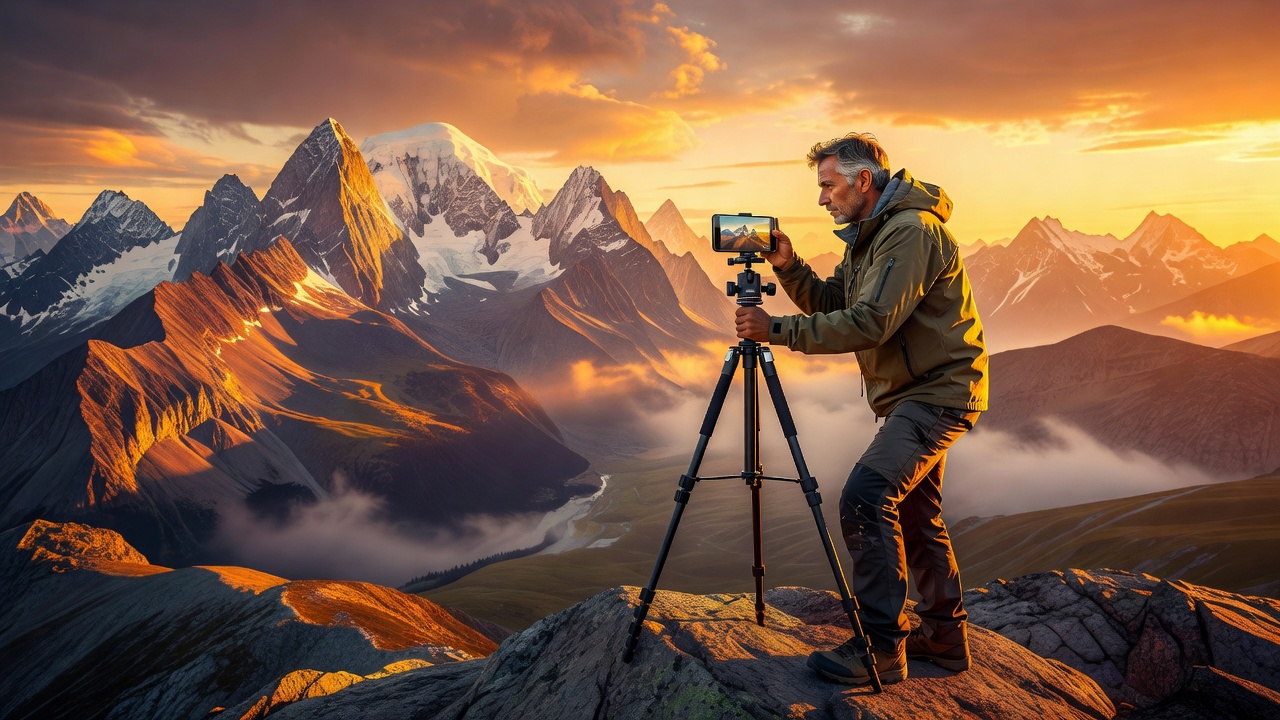
Travel photography continues to transform in 2026 with smarter tools and accessible techniques that allow anyone to produce professional-quality images. Travelers today want more than snapshots; they seek shareable visuals that capture the essence of their journeys while telling compelling stories. This comprehensive guide delivers practical pro advice on gear selection, destination-specific composition, lighting mastery, mobile editing workflows, and detailed shooting sequences for both famous landmarks and lesser-known locations. Whether you travel light with a smartphone or carry a DSLR, these strategies help you create memorable content without bulky equipment. By focusing on technique over gear, you can elevate everyday scenes into standout photographs that resonate on social media and personal albums alike.
Essential Gear Selection for Modern Travelers
Selecting gear starts with understanding your travel style and destination demands. In 2026, flagship smartphones feature advanced AI sensors that rival many mirrorless cameras in daylight conditions, offering convenience for quick captures during fast-paced itineraries. Pair your phone with clip-on wide-angle or macro lenses for versatility across landscapes and close-ups. For those preferring dedicated cameras, compact mirrorless models offer interchangeable lenses while remaining backpack-friendly, making them suitable for multi-week adventures. Essential accessories include a carbon-fiber tripod for stability during long exposures, extra power banks to handle all-day shooting sessions, and weather-sealed bags to protect equipment during unexpected rain or dust storms.
Building a checklist ensures nothing is forgotten: primary camera or phone, backup storage solutions, lens cloths for quick cleanings, and a portable light modifier to soften harsh sunlight. Real-world testing shows that hybrid setups—smartphone for quick captures and a small DSLR for key moments—deliver the best results across varied routes, allowing flexibility without overwhelming your luggage.
Composition Rules Tailored for Various Destinations
Effective composition adapts to the environment and enhances visual impact. In bustling cities like Paris or Tokyo, use leading lines from architecture and the rule of thirds to place focal points dynamically, creating balanced and engaging frames. Nature destinations such as national parks benefit from foreground interest and natural frames created by trees or rock formations, adding layers of depth to scenic vistas. Coastal scenes gain impact through symmetry and reflections during calm tides, while urban hidden alleys offer opportunities for geometric patterns.
Hidden gems require a different approach: focus on intimate details like textures in ancient ruins or patterns in local markets to tell unique stories that differentiate your work. Practice panning techniques for motion in busy streets or layering elements for depth in expansive landscapes. These rules turn ordinary scenes into compelling visuals that perform well on social platforms and stand the test of time.
Lighting and Editing Workflows with Mobile Apps
Lighting remains the foundation of great photography and can make or break an image. Schedule shoots around golden hour for warm tones that bring out colors, but master blue hour for moody cityscapes that evoke emotion. When conditions are harsh, use diffusers or position subjects in shaded areas to avoid unflattering shadows. 2026 mobile apps such as Adobe Lightroom Mobile and dedicated AI tools enable on-device RAW processing and automatic sky replacement for seamless enhancements.
Follow this detailed workflow: capture in RAW format to preserve data, apply exposure corrections for balanced brightness, enhance contrast with curves adjustments, and sync presets across your library for a consistent personal style. Experiment with selective masking to draw attention to subjects and remove distractions. 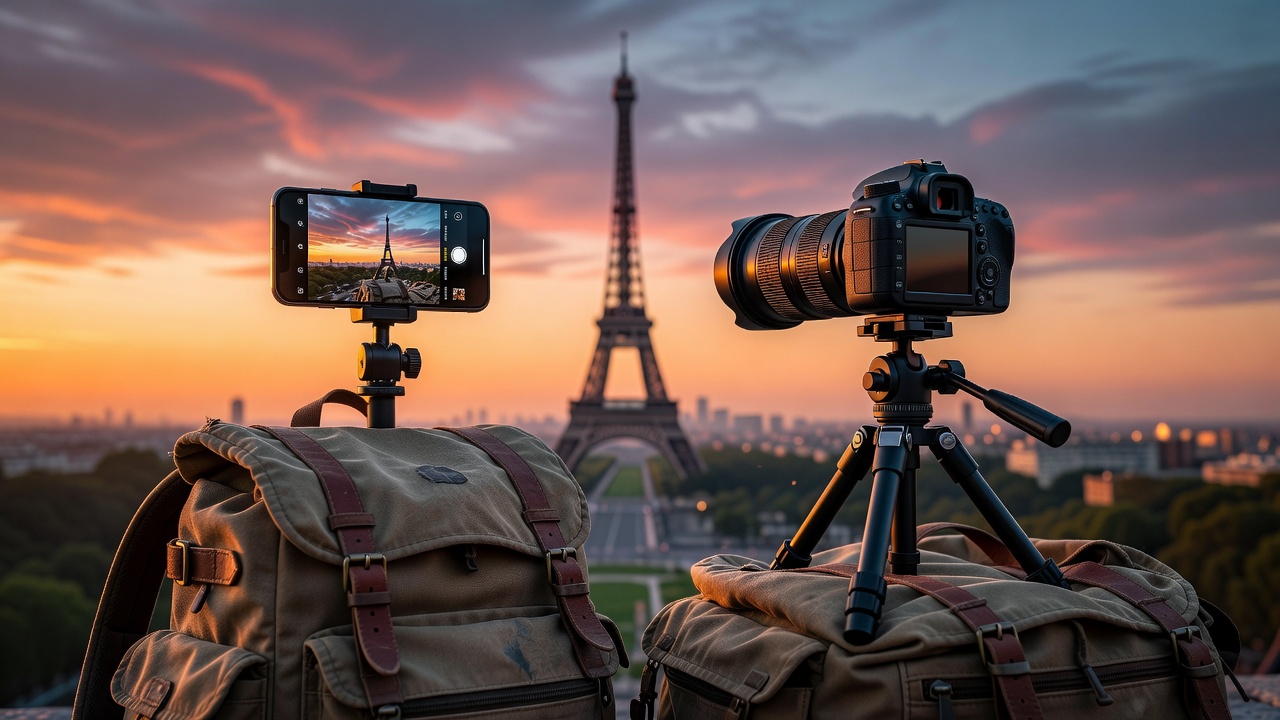
Advanced users can stack multiple exposures directly in-app to overcome dynamic range limits, producing gallery-worthy results without needing a computer for post-production.
Step-by-Step Shooting Sequences for Iconic Landmarks
Approaching famous sites like the Eiffel Tower or Machu Picchu demands careful preparation and timing. Arrive early to scout unique angles before crowds arrive and alter the scene. Use burst mode to capture changing light or passing people, then refine framing with a tripod for sharp results. Include human elements for scale while maintaining focus on the landmark itself, adding relatability. Sequence your shots from wide establishing views to tight details, ensuring variety in your final edit that showcases the location comprehensively.
Practical Steps for Landmarks
- Research vantage points via satellite maps the night before to plan efficiently
- Test camera settings in similar lighting conditions ahead of time
- Compose three variations: wide, medium, and close-up perspectives
- Review histograms on-site and adjust exposure for optimal results
- Back up files immediately after the session to prevent data loss
Sequences for Hidden Spots and Off-the-Beaten-Path Locations
Hidden locations reward patience and keen observation skills. At secluded beaches or forest trails, emphasize scale through foreground elements and experiment with long exposures for silky water effects that create ethereal moods. Document the journey with environmental portraits to add narrative depth and context to your images. Always respect local regulations and leave no trace while shooting to preserve these special places for future visitors.
Smartphone Versus DSLR Setups: Detailed Comparisons
Smartphones excel in convenience, computational photography, and seamless social sharing, making them ideal for spontaneous moments during travel. DSLRs and mirrorless cameras provide superior manual controls, interchangeable lenses, and better performance in extreme low light or high-contrast scenes where precision matters most. For most travelers, starting with a smartphone and upgrading selectively to a DSLR for specific trips offers the optimal balance of portability and quality. Test both systems on short outings to identify what matches your workflow and creative goals before committing to a full setup.
Real-World Examples from Popular Routes
On the Inca Trail, smartphone night modes captured starlit campsites effectively while highlighting the dramatic skies, whereas a DSLR handled detailed close-ups of intricate stonework with greater clarity. In Southeast Asian markets, leading lines from vendor stalls created dynamic street photography with minimal gear, resulting in vibrant, story-rich images that performed exceptionally online.
Common Mistakes to Avoid
- Over-relying on zoom instead of moving closer to the subject for better composition
- Ignoring background clutter that distracts from the main subject and weakens impact
- Skipping backup routines leading to lost files during extended journeys
- Neglecting to clean lenses before important shoots, causing unwanted artifacts
FAQ: Addressing Common Photography Issues
How do you manage low-light challenges on the road? Activate night mode features on smartphones, stabilize with tripods, and edit for noise reduction in post-processing apps to achieve clear results.
What solutions exist for storage limits during extended trips? Utilize cloud services for automatic uploads and carry multiple high-capacity memory cards rotated daily to safeguard your images.
Can beginners produce shareable pro-level images? Absolutely—mastering composition, timing, and editing often outweighs expensive equipment and leads to impressive outcomes.
How should you handle unpredictable weather? Carry protective covers and embrace dramatic skies as compositional assets rather than obstacles for creative opportunities.
Conclusion
These 2026 photography hacks empower travelers to document journeys with confidence and creativity. Apply the gear advice, composition principles, and workflows consistently, then refine through practice on every trip. For further inspiration and resources, explore National Geographic, Lonely Planet, and Adobe.
No comments yet. Be the first!