 PlaceBee
Understanding Common Travel Fears in 2026
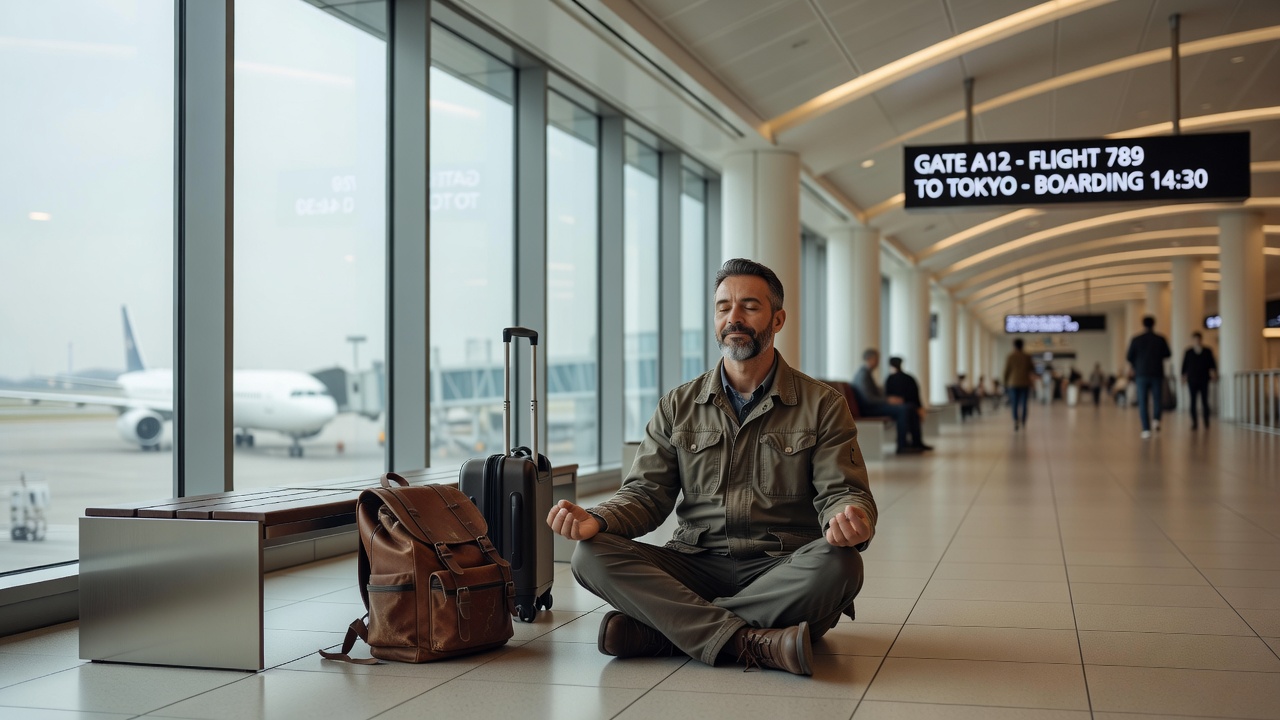
Travel anxiety remains a significant barrier for many people planning trips, with 2026 trends indicating increased concerns around flying, navigating crowds, and facing the unknown in new destinations. Factors such as evolving health regulations, climate-related disruptions, and post-pandemic recovery continue to heighten these worries. Pro travel advice emphasizes that recognizing these fears is the first step toward overcoming them. Surveys from travel organizations reveal that fear of flying affects approximately one in four adults, while crowd-related stress spikes during peak seasons at major hubs and attractions. This comprehensive guide provides expert-backed strategies to help travelers build resilience and enjoy their journeys without being held back by anxiety.
Mental Preparation Routines for Stress-Free Journeys
Effective mental preparation begins well before departure and involves creating personalized routines that address specific triggers. Start by setting aside dedicated time each week to review your itinerary in detail, breaking it into phases such as airport navigation, flight segments, and arrival procedures. Incorporate daily visualization exercises where you mentally rehearse positive outcomes, imagining yourself handling unexpected situations calmly. Journaling allows you to document fears and reframe them with evidence-based counterpoints, such as noting past successful trips. Experts suggest combining this with progressive muscle relaxation or short guided meditations to lower baseline stress levels. For instance, spend five minutes each morning listing three aspects of your trip you are looking forward to, which shifts focus from potential negatives to positives.
Step-by-Step Mental Prep Routine
- Research destinations using official resources to build familiarity and reduce uncertainty.
- Practice daily affirmations tailored to your fears, repeating them during commute times.
- Simulate travel scenarios at home, such as packing and timing your route to the airport.
- Consult a trusted friend or therapist for perspective on irrational worries.
- Review and adjust your plan weekly leading up to the trip.
In-Flight Grounding Exercises That Work
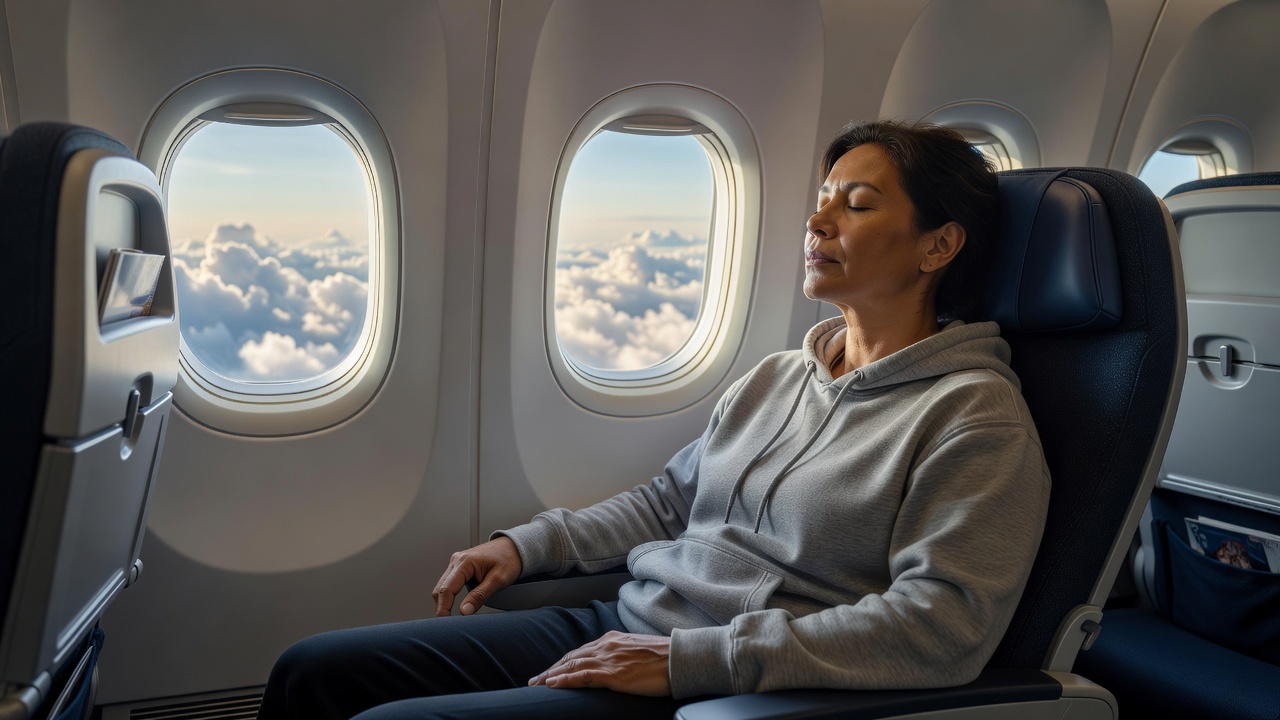
During flights, grounding techniques provide immediate relief by anchoring attention to the present moment. The classic 5-4-3-2-1 sensory method remains highly effective: identify five visible objects, four tactile sensations, three audible sounds, two scents, and one taste. Pair this with diaphragmatic breathing—inhale slowly through the nose for a count of four, hold for four, then exhale through the mouth for six counts. Additional options include seated stretches like ankle circles or shoulder rolls to release physical tension, and listening to pre-downloaded calming playlists. These exercises require no special equipment and can be performed discreetly in your seat.
Real Traveler Case Studies
Consider the experience of Elena, a marketing professional who feared international flights due to turbulence concerns. By combining visualization with in-flight breathing protocols over three months, she completed a 12-hour journey to Asia without incident. Another traveler, Jamal, struggled with crowd anxiety at busy terminals; he mitigated this by arriving early, using quiet lounges, and practicing mindfulness apps during layovers, transforming stressful connections into manageable segments. A third case involves Priya, who tackled fear of the unknown on solo adventures by preparing detailed local phrase sheets and connecting with virtual travel communities beforehand. These stories demonstrate that tailored, consistent application of pro travel hacks leads to lasting confidence gains.
Apps Versus Traditional Methods: A Comparison
Digital tools such as guided meditation platforms offer structured sessions and progress tracking, making them convenient for busy schedules, yet they depend on device battery life and connectivity. Traditional approaches like handwritten checklists or physical comfort objects provide tactile reassurance without technological reliance. A side-by-side evaluation shows apps excel in accessibility for beginners through audio guidance, while traditional methods foster deeper self-reliance over time. Many experts advocate blending both, starting with app support during initial practice then transitioning to independent techniques for redundancy during travel disruptions.
Packing Tips for Comfort Items That Reduce Anxiety
Strategic packing turns everyday items into anxiety-management tools. Include a compact neck pillow for ergonomic support during long flights, lavender essential oil roller for quick scent-based calming, and a lightweight shawl that doubles as a blanket or privacy screen. Noise-isolating earplugs block ambient sounds in crowded areas, while a small reusable water bottle encourages hydration, which supports mood stability. Add a pocket-sized notebook for immediate thought logging and compression garments to ease physical discomfort. Prioritize multi-functional, TSA-compliant items to avoid extra fees or hassles.
Actionable Checklists for Different Trip Types
Short Domestic Flights
- Confirm latest security procedures at TSA
- Assemble a compact grounding kit in your personal item
- Allocate extra time for potential delays at the gate
- Review flight status apps the night before
International Adventures
- Check health and entry requirements via CDC
- Learn key phrases and cultural norms in advance
- Pack versatile comfort items suitable for varying climates
- Register with your embassy for emergency support
Solo Extended Trips
- Build a flexible itinerary with daily buffer periods
- Share detailed plans with a contact back home
- Prepare for cultural adjustment with reading materials
Mistakes to Avoid When Managing Travel Anxiety
Common pitfalls include over-researching worst-case scenarios, which amplifies fear, or neglecting physical needs like sleep and nutrition before travel. Avoid relying solely on one method; instead, test combinations in low-stakes situations first. Skipping hydration or skipping movement during long journeys can intensify discomfort, so plan intentional breaks.
FAQ: Addressing Common Concerns
How can I handle fear of the unknown on solo trips?
Begin with shorter domestic practice journeys, gradually increasing complexity while maintaining a support network through travel forums and apps.
Are there specific techniques for crowd anxiety at popular sites?
Time visits for early mornings or weekdays, utilize real-time crowd monitoring tools, and apply breathing exercises upon arrival at busy locations.
What if traditional methods fail during a trip?
Have contingency plans such as pre-identified quiet spaces, access to telehealth services, and a trusted contact for immediate reassurance.
Can these strategies help with family travel anxiety?
Yes, involve all family members in preparation routines and adapt exercises to be age-appropriate for shared success.
Conclusion
Mastering 2026 pro travel hacks equips you with practical tools to navigate flying, crowds, and uncertainty confidently. Through dedicated mental preparation, targeted grounding exercises, insightful case study lessons, and thoughtful packing, anxiety transforms from obstacle to manageable aspect of adventure. Apply these strategies consistently to unlock more fulfilling travel experiences.

No comments yet. Be the first!