 PlaceBee
Introduction: Why Language Barriers Shouldn't Stop Your Adventures
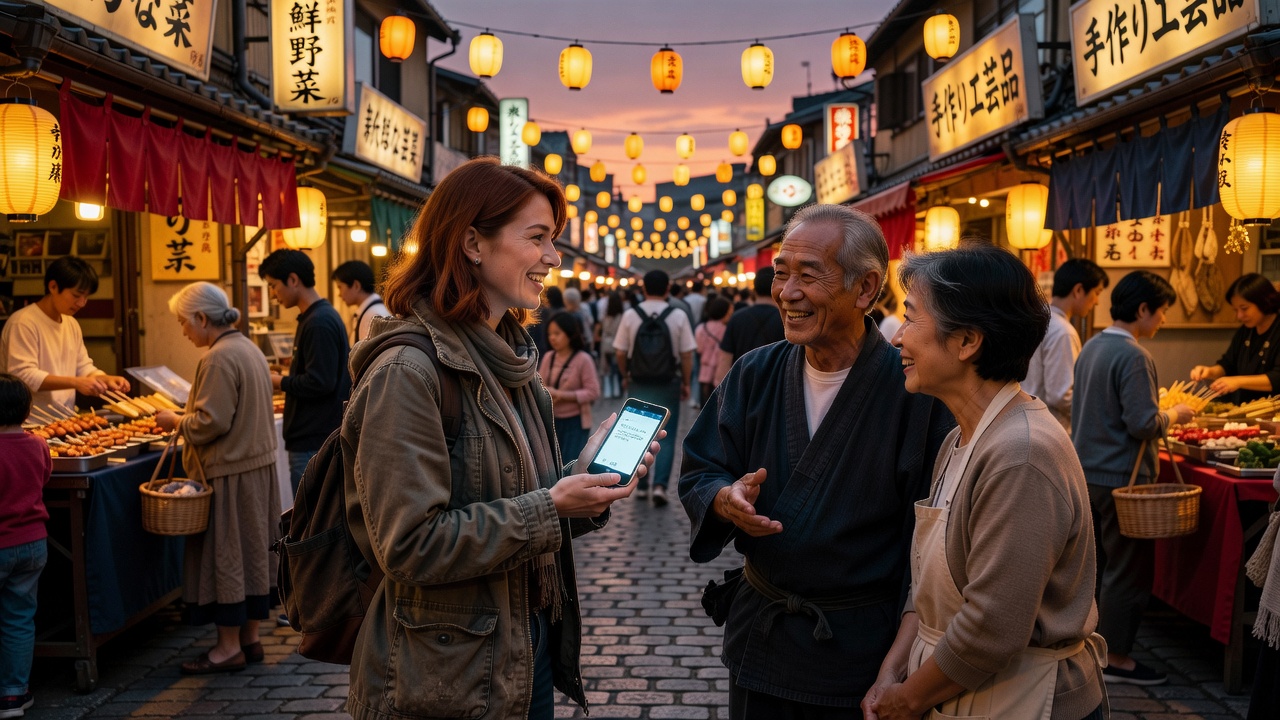
Traveling internationally opens doors to incredible experiences, but language differences can create real challenges that derail even the best-planned trips. Whether ordering food in Tokyo, negotiating a taxi in Marrakech, or asking for directions in rural Thailand, mastering basic communication is essential for safety, enjoyment, and authentic cultural connections. This comprehensive guide delivers pro travel hacks for overcoming language barriers, focusing on actionable steps that work in real-world scenarios across 2026 global destinations like Japan, France, Brazil, Italy, and Thailand. Effective preparation combined with on-the-go techniques turns potential frustrations into memorable interactions that enhance your journey rather than hinder it. From learning key phrases to leveraging advanced technology and understanding non-verbal cues, these strategies address common pain points for travelers seeking practical solutions.
Many travelers underestimate how quickly simple misunderstandings escalate in unfamiliar environments. By investing time upfront and carrying the right tools, you can navigate airports, markets, hotels, and emergency situations with greater ease. The following sections break down proven methods, comparisons, real case studies, and checklists tailored for modern international travel.
Preparation Steps: Building Your Communication Toolkit Before You Go
Begin your preparation several weeks before departure by downloading language learning apps such as Duolingo, Babbel, or Memrise. Focus daily practice sessions of 10 to 15 minutes on essential phrases covering greetings, numbers, directions, dining requests, medical needs, and transportation queries. Tailor your learning to the specific countries on your itinerary—for instance, prioritize tonal pronunciation practice if heading to Thailand or Mandarin basics for parts of China. Supplement app work with free online resources from government travel sites to understand local customs that affect communication styles.
Research destination-specific etiquette through reliable channels to avoid unintended offenses. Create personalized cheat sheets listing phrases in both English and the target language, then laminate them for durability. Test all digital tools in advance, including offline modes, and familiarize yourself with backup options like printed maps marked with key locations. Packing a small notebook for jotting down new phrases encountered during travel adds another layer of adaptability.
Tech Tools: Translation Devices and Apps Compared
Modern technology provides robust solutions for real-time communication. Handheld translators such as Pocketalk or Vasco deliver instant voice translation across dozens of languages with impressive accuracy in noisy environments. Smartphone applications like Google Translate and Microsoft Translator offer robust offline capabilities for text, camera-based menu scanning, and basic conversation modes. When comparing methods, online tools generally provide superior contextual accuracy and frequent updates, whereas offline versions ensure functionality in areas without reliable internet access.
Hybrid strategies work best: preload multiple language packs before leaving home and use hotel Wi-Fi or public hotspots to refresh data when possible. For 2026 trips, consider pairing apps with discreet wearable earbuds that allow private listening during sensitive negotiations or restaurant interactions. Always carry portable power banks to keep devices operational throughout long days of exploration.

Body Language Techniques for Universal Understanding
Non-verbal communication often bridges gaps more effectively than spoken words alone. Employ open-palm gestures when indicating directions or requesting items, maintain culturally appropriate eye contact, and use genuine smiles to convey friendliness. In many regions, nodding signifies agreement, yet always verify understanding verbally when possible. Practice mirroring the body language of locals during market bargaining or casual conversations to foster rapport and trust. Awareness of personal space norms prevents discomfort—closer proximity is common in Latin American cultures while greater distance is preferred in parts of Asia.
Offline vs Online Translation Methods: A Practical Comparison
- Offline Advantages: Functions reliably in remote or signal-poor zones such as mountain trails or older subway systems, offers quicker response without loading delays, and enhances privacy by avoiding data transmission.
- Online Advantages: Delivers higher contextual accuracy through cloud processing, receives real-time language updates, and supports more nuanced idioms or emerging slang in popular destinations.
- Hybrid Approach: Download comprehensive offline packs for your target languages while using available Wi-Fi to access advanced features, ensuring maximum flexibility across urban and rural settings.
Case Studies: Successful Interactions in Non-English Countries
In 2026 Tokyo, a traveler relied on an offline translation app combined with polite gestures to navigate the intricate train network, successfully reaching their destination despite multiple transfers. In Paris markets, blending basic French phrases with expressive hand movements resulted in friendly vendor interactions and better deals on local produce. Brazilian beachgoers in Rio de Janeiro used device-assisted conversations to arrange transportation, avoiding common overcharges that plague tourists. Similar successes occurred in Rome when visitors scanned restaurant menus via camera translation and in Bangkok where simple Thai greetings opened doors to local recommendations.
Handling Emergencies and Negotiations
Prepare dedicated emergency phrases for medical assistance, police contact, or lost passport situations. Carry a laminated card displaying your hotel address, allergies, and emergency contacts translated into the local language. During negotiations such as taxi fares or souvenir purchases, remain calm, speak in short clear sentences, and repeat key details for confirmation. Reference U.S. Department of State travel resources for official guidance on consular support abroad. Always note local emergency numbers upon arrival and store them both digitally and in print.
Packing Tips for Language Aids
Include a reliable portable charger with multiple cables, a universal power adapter suitable for your destinations, and waterproof phrase cards for quick reference in any weather. Add noise-canceling earbuds to improve audio clarity when using translation apps in crowded airports or markets. Prioritize lightweight, multi-functional items that fit easily into a daypack to prevent excess baggage issues. Consider a small external microphone attachment for better voice recognition accuracy in windy outdoor conditions.
Pro Tips on Cultural Nuances
Recognize that direct translations frequently miss cultural idioms and context, so supplement tech tools with basic etiquette knowledge. Respect local customs such as removing shoes before entering homes in Japan or avoiding certain hand gestures in the Middle East. Learn tipping expectations to prevent awkward moments at restaurants or with service staff. Consult CDC travel health pages for broader context on safe and respectful interactions during international journeys.
Common Mistakes to Avoid
Travelers often rely solely on technology without backup plans, leading to problems when batteries die or signals fail. Another frequent error is assuming English suffices everywhere, which can create frustration for both parties. Overusing complex sentences or idioms confuses translation tools and locals alike. Failing to research basic cultural norms risks unintended offense during simple exchanges like greetings or dining.
Actionable Checklist for Language-Ready Travel
- Download and fully test two to three translation apps with offline language packs installed.
- Memorize at least twenty core phrases relevant to your specific itinerary and practice pronunciation daily.
- Review and rehearse appropriate gestures while studying cultural dos and don'ts for each destination.
- Pack and fully charge all tech devices plus backups the night before departure.
- Identify and record local emergency numbers, embassy contacts, and hotel details in multiple formats.
- Print and laminate key phrase lists and maps as physical backups.
Frequently Asked Questions
How do I order food when menus are in another language?
Use translation apps to scan printed menus or point to dish photos while learning basic dietary restriction terms in advance for clear communication.
What if I get lost without internet access?
Carry a printed map with key locations highlighted and rely on downloaded offline maps plus simple directional phrases practiced beforehand.
Are dedicated translation devices worth purchasing for short trips?
They provide excellent value for complex destinations or extended stays, while smartphone apps often suffice for brief visits if tested thoroughly in advance.
How can I handle transportation queries effectively?
Prepare written addresses in the local script, combine them with translation apps, and confirm routes twice with drivers before starting the journey.
Conclusion: Turn Barriers into Bridges
With these pro travel hacks, language differences become opportunities for genuine connection rather than obstacles. Prepare thoroughly, embrace technology wisely, respect cultural differences, and apply the checklists and examples provided to enjoy smoother, more rewarding international trips in 2026 and beyond. Consistent practice and flexible thinking ensure every traveler can communicate confidently anywhere in the world.
No comments yet. Be the first!