 PlaceBee
Introduction: Why Smart Packing Transforms Adventure Travel in 2026
Adventure travel such as multi-day hiking expeditions or extended kayaking journeys requires packing strategies that go far beyond standard luggage. In 2026, experienced travelers emphasize efficiency, durability, and adaptability to handle remote environments, variable weather, and physical demands. Poor packing leads to fatigue, discomfort, and even safety risks, while optimized systems allow you to focus on the experience itself. This comprehensive guide provides in-depth advice on selecting versatile gear, balancing loads, layering effectively, and maintaining equipment on the trail or water. Whether you are tackling the Appalachian Trail or paddling through Southeast Asian rivers, these techniques deliver practical value for seamless adventures.
Selecting Versatile Gear That Doubles as Everyday Items
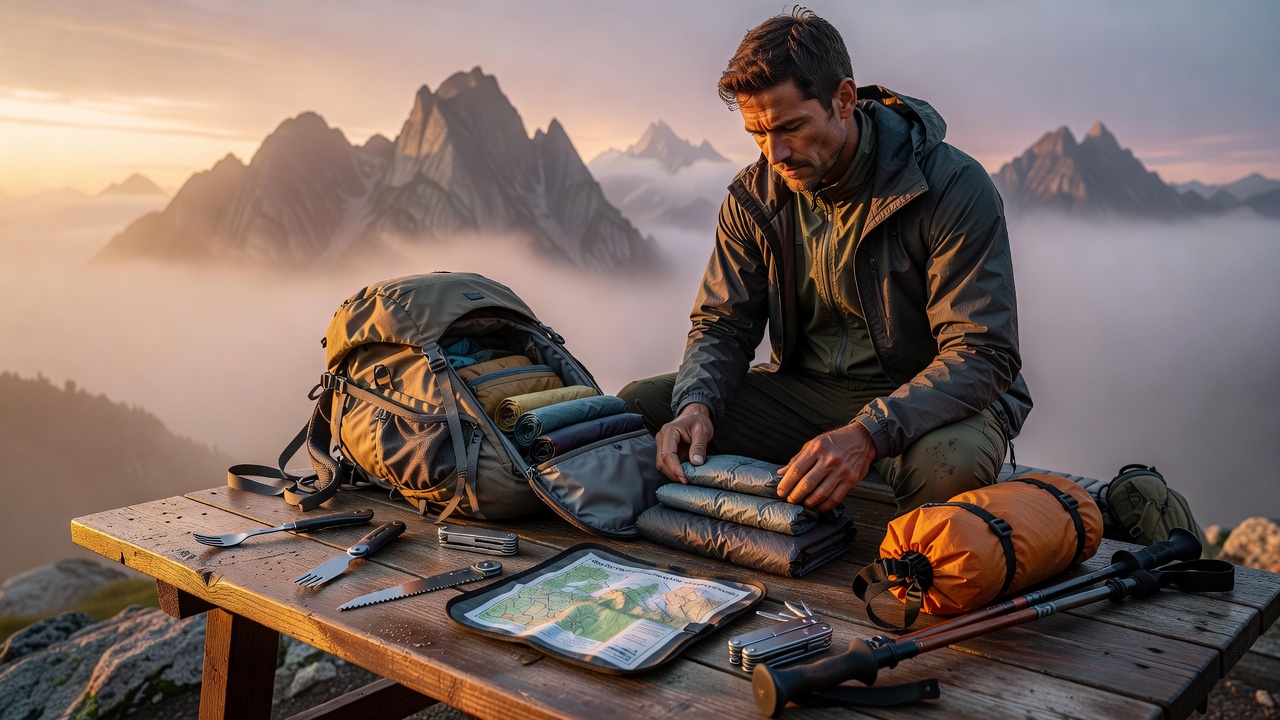
Versatile gear maximizes space and reduces the total number of items needed. Start by choosing clothing and equipment that serve multiple roles. Merino wool shirts regulate temperature and resist odor, functioning as both activewear and casual layers after the day's activity. Convertible hiking pants with zip-off legs adapt to changing conditions while doubling as shorts. A single high-quality rain jacket with pit zips can replace separate windbreakers and waterproof shells. For tools, a compact multi-tool covers cutting, tightening, and emergency repairs, eliminating the need for separate knives or pliers. Real-world testing in variable climates confirms that items like packable down vests compress small yet provide insulation during evening camp setup. When preparing for destinations such as the Canadian Rockies or New Zealand's South Island, prioritize pieces tested in similar conditions. REI provides detailed comparisons of multi-use equipment that support these choices.
Additional examples include using a dry bag as both storage and a makeshift seat during breaks, or selecting trekking poles that convert into a camera tripod. This approach cuts pack weight by up to 30 percent while maintaining readiness for unexpected situations.
Optimizing Weight Distribution to Avoid Fatigue
Weight distribution directly affects endurance and joint health during long hauls. Heavier items such as water purification systems, cooking stoves, and first-aid kits belong closest to the spine and centered between the shoulder blades. Lighter clothing and snacks belong in outer pockets for quick retrieval without unpacking. Begin by loading the pack on a flat surface, then adjust hip belt tension so 70 to 80 percent of the load transfers to the hips rather than shoulders. Test the configuration on a short neighborhood walk before departure. For kayaking, secure heavy dry bags low and centered in the boat to maintain stability. Hikers in steep terrain benefit from placing tent poles vertically along the pack frame to prevent shifting. This methodical approach prevents back strain and allows longer daily distances without exhaustion.
Incorporating Weather-Specific Layers Without Bulk
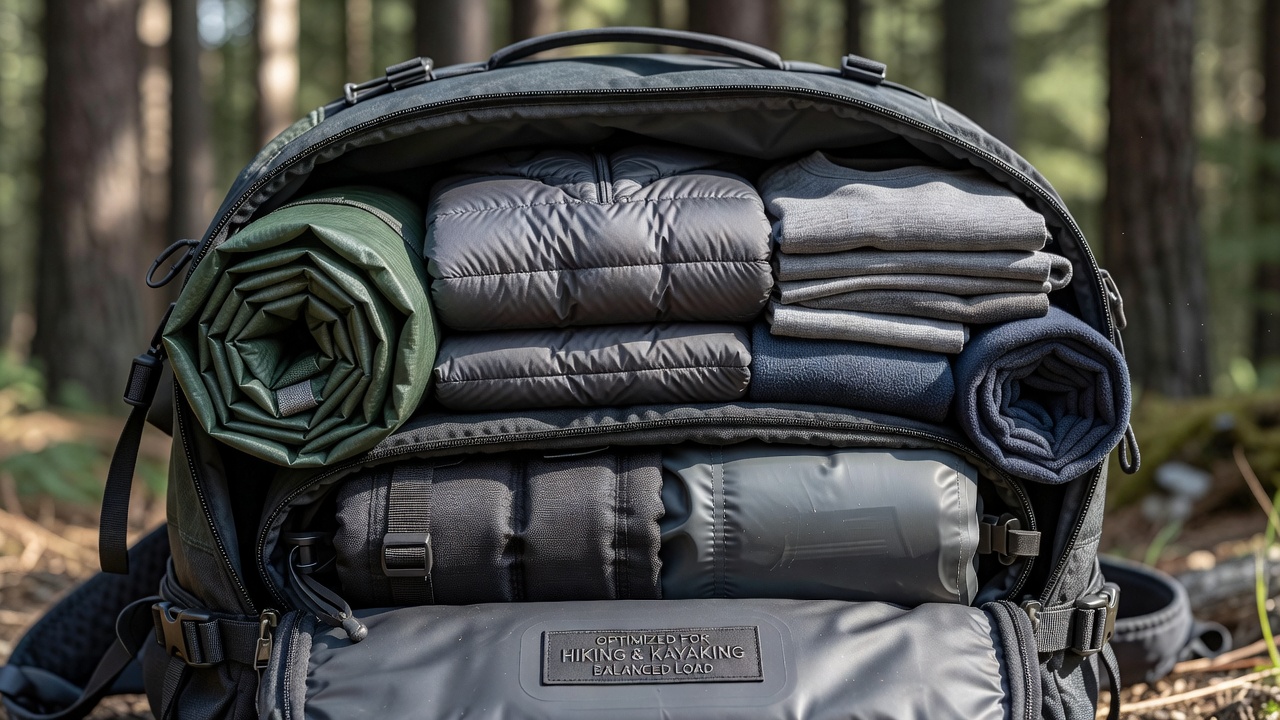
Effective layering systems respond to rapid weather changes common in adventure settings. Build from a moisture-wicking synthetic or merino base layer that pulls sweat away during exertion. Add a lightweight fleece or grid mid-layer for insulation during rest stops. Finish with a breathable waterproof shell featuring adjustable cuffs and hood. Choose packable synthetic insulation that compresses to the size of a water bottle yet retains warmth when wet. Material comparisons show that reinforced nylon excels in abrasion-prone kayaking environments, while ultralight Dyneema fabrics reduce weight for fast hiking. Hybrid jackets combine both strengths with reinforced elbows and shoulders. Avoid overpacking by selecting pieces that overlap in function. In practice, this system keeps total clothing weight under five pounds for week-long trips while handling everything from desert heat to alpine snow flurries.
Step-by-Step Checklists for Adventure Packing
Follow these detailed checklists to ensure nothing critical is forgotten. Begin with core clothing: three moisture-wicking base layers, two insulating mid-layers, one waterproof shell, two pairs of quick-dry pants, and four sets of underwear and socks. Next, address footwear with waterproof hiking boots, lightweight camp shoes, and multiple pairs of merino socks. Navigation and safety items include a physical map, compass, whistle, headlamp with extra batteries, and a compact repair kit. Activity-specific gear covers trekking poles or paddles, dry bags rated for submersion, and a personal flotation device for water travel. Finally, include maintenance supplies such as biodegradable soap, a quick-dry towel, seam sealer, and tenacious tape for field repairs. Review the list twice and weigh the full pack to confirm it stays within comfortable limits.
Material Comparisons: Durable vs Lightweight Options
Durable materials like ballistic nylon or PVC-coated fabrics resist tears and abrasion but add ounces. Lightweight alternatives such as sil-nylon or Dyneema prioritize speed and reduced fatigue yet demand careful handling around sharp rocks or branches. For kayaking along British Columbia's coastline, durable dry bags outperform lighter models during rocky portages. Hikers descending Utah slot canyons prefer ultralight packs to navigate narrow passages efficiently. The optimal choice often blends both: select a durable base layer with lightweight outer shells. Testing in real conditions reveals that hybrid setups provide the best balance for most 2026 adventure itineraries.
Real-World Examples from Popular Destinations
In New Zealand's Fiordland National Park, travelers combine versatile rain shells with compressible sleeping bags to manage sudden downpours without excess bulk. Alaska's coastal kayaking routes reward merino wool layering systems that handle fog, wind, and temperature swings while drying quickly overnight. Patagonia’s Torres del Paine circuit benefits from balanced weight distribution that allows multi-day hikes with minimal shoulder strain. Similar strategies apply to British Columbia’s fjords and Utah’s canyonlands. These cases demonstrate how tailored packing turns challenging conditions into rewarding journeys. Additional guidance is available from National Park Service resources and Bureau of Land Management travel advisories.
FAQ: Common Issues Like Gear Maintenance on the Go
How do I clean gear during multi-week trips?
Use mild biodegradable soap and rinse with cold water, then air dry in shaded areas to preserve waterproof coatings. Never machine wash unless the manufacturer explicitly allows it.
What if layers get wet during travel?
Rotate damp base layers to the outside of the pack for airflow and store them separately in waterproof stuff sacks. Carry extra dry bags to isolate moisture from other items.
Can I repair tears in remote locations?
Yes. Pack tenacious tape, a needle and thread kit, and seam sealer for quick field fixes on tents, jackets, or dry bags.
How often should I reorganize my pack mid-trip?
Reassess distribution every two to three days or after major weather changes to maintain comfort and prevent hotspots.
Conclusion: Pack Smarter for Unforgettable Adventures
Applying these 2026 pro strategies ensures your adventure trips remain focused on discovery rather than discomfort. Versatile choices, balanced loads, adaptive layers, and proactive maintenance create reliable systems for any trail or waterway. With thorough preparation, every journey becomes smoother and more enjoyable.


No comments yet. Be the first!