 PlaceBee
Introduction: Why Hidden Gems Matter in 2026
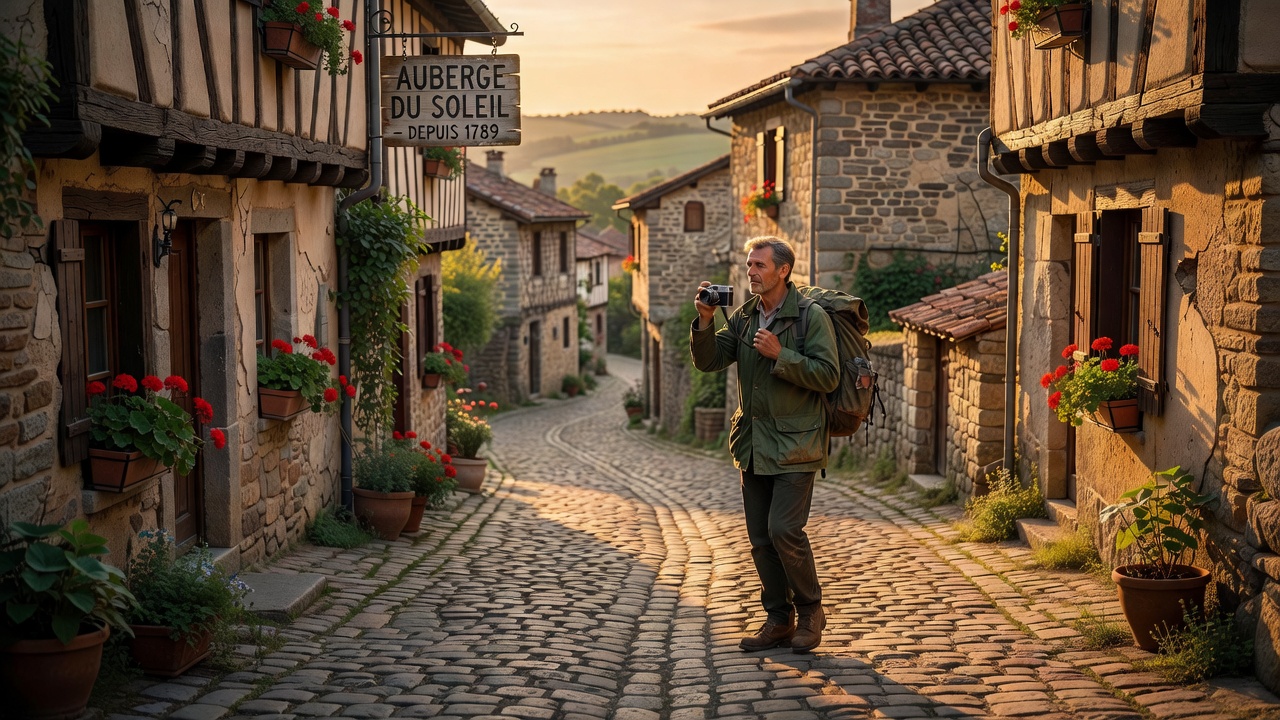
Travelers in 2026 are shifting away from overcrowded landmarks toward authentic, sustainable experiences. Pro travel tips now emphasize uncovering hidden gems like a local, using smart research and genuine connections. This approach delivers unique memories while supporting communities and reducing overtourism pressure. The demand for off-path travel continues to grow as more people seek meaningful encounters rather than checklist tourism. Whether you're planning a Europe itinerary or an Asia adventure, these strategies help you move beyond tourist traps. Expect practical checklists, real-world examples from multiple countries, and step-by-step guides tailored for modern explorers who value both adventure and responsibility.
Advanced Research Techniques for Lesser-Known Spots
Start with local forums and niche apps instead of mainstream review sites. Platforms like Reddit's travel communities and specialized apps reveal insider knowledge that guidebooks miss. Search for city-specific subreddits or Facebook groups where residents share quiet trails, family-run eateries, and seasonal events. Combine these digital sources with physical exploration once you arrive by visiting local libraries or tourist information centers run by volunteers. Use apps focused on off-path travel to filter by season, crowd levels, and accessibility. Cross-reference findings with recent traveler reports and weather data for accuracy. Satellite imagery tools allow you to identify unmarked paths near popular sites that lead to secluded viewpoints or villages. Always verify multiple sources to avoid outdated information that could lead you to closed locations or unsafe areas.
Step-by-Step Guide to Scouting Attractions
- Identify your destination's main tourist hubs and note surrounding regions within a one-hour radius.
- Search local language terms for "hidden," "secret," or "local favorite" places using translation apps.
- Check weather patterns, public transport schedules, and access details weeks ahead of your trip.
- Verify details with multiple resident sources through forums or direct messages before finalizing plans.
- Create a flexible itinerary that allows spontaneous adjustments based on real-time local advice.
This method uncovers gems like quiet Tuscan villages in Italy or secluded Thai beaches that mass tourism overlooks, giving you a deeper cultural connection.
Building Genuine Connections with Residents
Authentic experiences stem from real interactions rather than staged tours. Attend community events or join local walking groups advertised on neighborhood boards and noticeboards in cafes. Learn basic phrases in the local language to show respect and open conversational doors with shopkeepers and artisans. Stay at small guesthouses or participate in homestays rather than chain hotels to gain personal recommendations for family festivals or artisan workshops not listed online. Engage in volunteer activities or cooking classes organized by residents to build lasting relationships. These connections often lead to invitations for private gatherings or access to restricted cultural sites. Sustainable off-path travel thrives when travelers support local economies directly instead of multinational operators.
UNWTO highlights how community-based tourism fosters sustainable off-path travel in 2026 by empowering residents and preserving traditions.
Avoiding Overtouristed Areas: Europe and Asia Examples
Popular spots like Barcelona's La Rambla or Bangkok's Khao San Road suffer from overcrowding, noise, and inflated prices. Instead, explore Barcelona's Gràcia neighborhood for local markets, street performances, and authentic tapas away from cruise ship crowds. In Bangkok, opt for the Thonburi canals by longtail boat to experience floating markets used daily by residents. In Europe, swap Rome's Colosseum queues for the lesser-visited hill towns of Umbria where medieval architecture and wine tastings remain unspoiled. In Asia, trade Kyoto's bamboo forest crowds for rural temples in the Kiso Valley of Japan, where traditional inns offer peaceful stays. Additional examples include choosing Portugal's Alentejo region over Lisbon's busy centers or exploring Vietnam's Mekong Delta villages instead of Hanoi's tourist hubs.
Popular vs Hidden Alternatives Comparison
- Popular: Eiffel Tower area in Paris – Hidden: Belleville's street art scene and multicultural cafes.
- Popular: Santorini caldera views in Greece – Hidden: Milos island's volcanic beaches and fishing villages.
- Popular: Tokyo's Shibuya crossing – Hidden: Yanaka's old Tokyo alleys with historic cemeteries and craft shops.
- Popular: Venice canals – Hidden: Chioggia's working fishing port south of the main city.
These swaps offer similar cultural depth with far fewer visitors and lower environmental impact, allowing for more relaxed pacing and better photo opportunities.
Practical Checklists for Off-Path Travel
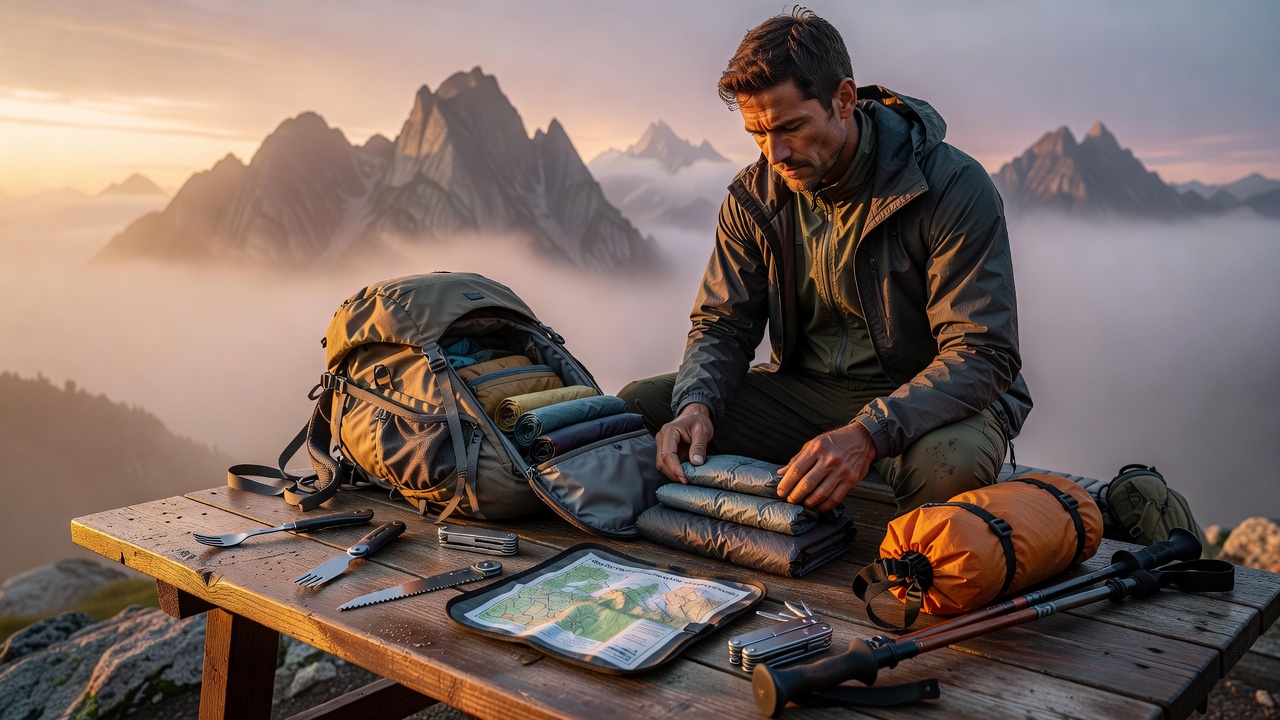
- Pack reusable items including water bottles, bags, and utensils to minimize waste on sustainable trips.
- Download offline maps, translation tools, and emergency contact lists before leaving connectivity zones.
- Research local customs, religious practices, and tipping norms in advance to avoid unintentional offense.
- Carry small denominations of cash for small vendors and markets in remote areas where cards are not accepted.
- Share your detailed itinerary with trusted contacts and set regular check-in times for safety.
- Choose public transport or local guides to reduce your carbon footprint compared to private transfers.
- Support businesses that display eco-certifications or community ownership signs.

Common Pitfalls and How to Avoid Them
Many travelers rely too heavily on social media, leading to sudden crowds at previously "secret" spots within weeks of a post going viral. Always verify information with multiple local sources and be prepared to pivot plans. Another mistake is visiting during peak seasons without checking local festivals or weather patterns that could close trails or overwhelm transport. Overpacking technology can also distract from immersion; balance digital tools with analog notebooks for observations. Ignoring basic safety protocols in remote areas, such as traveling alone at night or neglecting hydration, creates unnecessary risks. Finally, failing to learn even a few local words can make interactions feel transactional rather than genuine.
FAQs on Safety and Timing
How safe are hidden gems in 2026? Most lesser-known areas are welcoming when you respect local customs and stay aware of surroundings. Check official travel advisories from government sources and travel in pairs or groups after dark. Rural regions in Europe and parts of Southeast Asia often report lower crime rates than major cities.
What is the best timing for off-path trips? Shoulder seasons like spring and fall reduce crowds and offer pleasant weather. Monitor local events calendars to avoid unexpected closures or high prices during regional holidays.
Can solo travelers explore hidden gems safely? Yes, with careful planning and staying connected via messaging apps. Many regions in Europe and Asia rank highly for solo safety, especially when using reputable homestay platforms.
How do you handle language barriers in remote locations? Download offline translation apps and carry printed phrase cards. Residents often appreciate efforts to communicate and will assist with gestures or simple English.
2026 Trends: Sustainable Off-Path Travel
Focus on low-impact activities such as hiking local trails, cycling between villages, or supporting eco-certified guides who donate portions of fees to conservation projects. This trend aligns with growing demand for responsible tourism that preserves destinations for future visitors. Regenerative travel practices, including tree-planting tours and wildlife monitoring, are gaining popularity in both Europe and Asia. Travelers are also prioritizing longer stays in single communities to build deeper relationships instead of rapid multi-city dashes.
Lonely Planet reports rising interest in community-led experiences across Asia and Europe as travelers seek more ethical alternatives.
National Geographic emphasizes the importance of cultural preservation in off-path destinations for 2026 itineraries.
Conclusion
Embracing these 2026 pro travel tips transforms trips into meaningful adventures. By researching deeply, connecting authentically, and choosing hidden gems, you travel like a local while contributing to sustainable tourism. Start planning your next off-path journey today for unforgettable memories that respect both people and places.

No comments yet. Be the first!