 PlaceBee
Introduction: Why a Pro-Level Travel First Aid Kit Matters in 2026
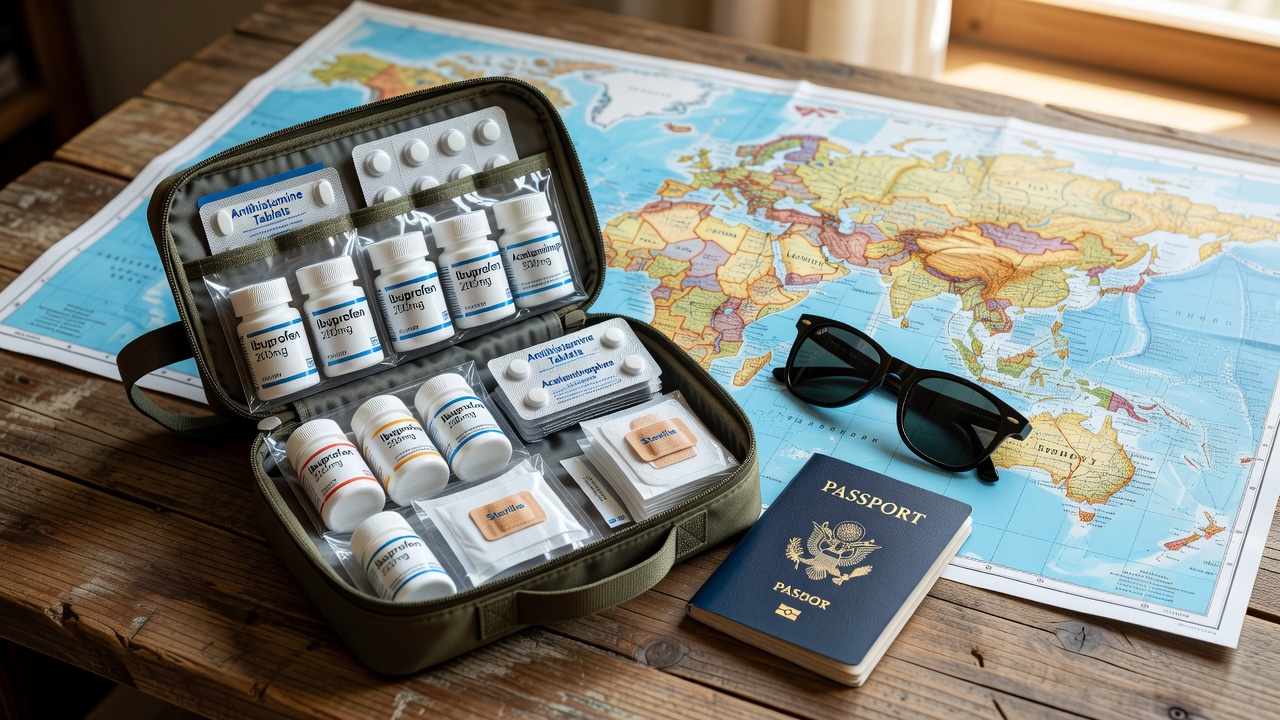
Traveling in 2026 demands more than just a passport and itinerary. Health preparedness is essential for frequent flyers, adventure seekers, and families alike. Building a travel first aid kit with pro travel tips ensures you're ready for minor issues like cuts, motion sickness, or allergies without overpacking or relying on unfamiliar pharmacies abroad. This guide delivers actionable packing tips, step-by-step instructions, and comparisons to help you create a kit tailored to your needs. Pro travel advice from experienced globetrotters highlights how a thoughtfully assembled kit can save time, reduce stress, and even prevent costly medical visits in foreign countries. Whether you're heading to bustling cities or remote trails, a well-curated kit can prevent small problems from derailing your trip. Pro travel advice emphasizes customization, compactness, and compliance with regulations like those from the TSA and international customs. Many travelers overlook how destination-specific risks, such as high pollen counts in spring or altitude changes in mountainous regions, require targeted items that go beyond basic bandages.
Essential Components for Your Travel First Aid Kit
Start with core items that address the most common travel ailments. Focus on multipurpose products to keep the kit lightweight and efficient. The foundation includes medications for pain, digestive issues, and allergies, but also consider items for wound care and personal health conditions. A strong packing tip is to prioritize items that serve multiple purposes, such as a single cream that treats both insect bites and minor rashes. Include a small notebook for logging medications and dosages to stay organized during long trips.
- Medications: Pain relievers like ibuprofen, anti-diarrheals such as loperamide, antihistamines, and motion sickness remedies like dimenhydrinate. Always check expiration dates before departure.
- Wound Care: Adhesive bandages in various sizes, antiseptic wipes, sterile gauze pads, medical tape, and antibiotic ointment to prevent infections.
- Allergy Treatments: Epinephrine auto-injectors if prescribed, plus non-drowsy allergy pills and a quick-reference card listing your allergens.
- Additional Items: Tweezers for splinter removal, small scissors, a digital thermometer, hand sanitizer, and blister prevention pads for active travelers.
These elements form the backbone of any expert kit, but customization based on your itinerary makes the difference between basic and pro-level preparedness.
Step-by-Step Assembly Instructions
Follow these pro travel tips to build your kit efficiently and avoid common packing mistakes. The process begins weeks before your trip to allow time for testing and adjustments.
- Choose a compact, waterproof pouch or hard case sized for carry-on luggage to ensure easy access during flights or train rides.
- List your personal health needs and destination risks, such as insect-borne illnesses in tropical areas or cold-related issues in winter destinations, using resources from health authorities.
- Organize items by category using small ziplock bags for quick access, labeling each bag clearly with a permanent marker.
- Pack duplicates of critical items like bandages and pain relief in separate sections so one loss does not leave you unprepared.
- Test the kit's weight and size before final packing, simulating a full day of travel to confirm it fits comfortably in your bag.
- Review and update the kit after each trip based on what you actually used, refining it for future adventures.
This methodical approach ensures balance between preparedness and portability while incorporating travel hacks that save space and time.
Commercial Kits vs. DIY: Which Approach Wins?
Pre-made kits from reputable brands offer convenience but often include unnecessary bulk or items you may never need. DIY kits allow precise customization based on pro travel advice from frequent travelers. For example, a business traveler might prioritize headache relief and digestive aids for long flights, while hikers add blister treatments and insect bite relief for trail days. Real-world examples show that frequent flyers like digital nomads often combine a base commercial kit with personal additions for optimal results, such as swapping out generic bandages for waterproof versions suited to beach destinations. Adapting for specific activities becomes straightforward with a DIY method: beach trips need extra sunburn relief and rehydration salts, while mountain adventures require altitude sickness options like acetazolamide if recommended by a doctor. Ultimately, the DIY route aligns better with travel hacks that emphasize efficiency and relevance over one-size-fits-all solutions.
Prescription Handling Hacks and Natural Remedies
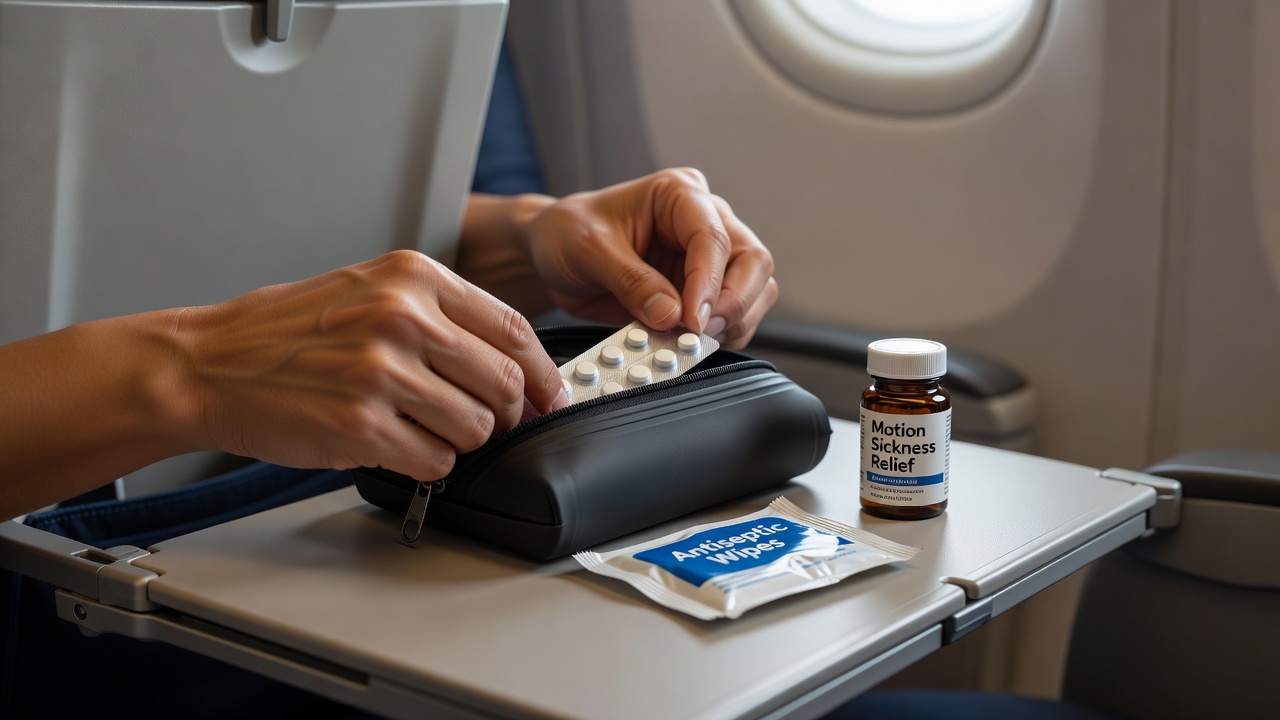
Store prescriptions in original labeled containers with copies of scripts tucked into a separate waterproof sleeve. Use travel-sized pill organizers for daily doses to simplify morning routines on the road. For natural remedies, ginger chews or peppermint tea bags combat motion sickness effectively during long bus rides or boat tours, while lavender oil aids relaxation after stressful layovers. These options complement standard meds without adding significant weight. Frequent flyers often share stories of using honey packets for sore throats or electrolyte powders for dehydration in hot climates, turning everyday items into powerful travel tools. Always research interactions between natural options and any prescriptions you take regularly.
Adapting Your Kit for Destinations and Activities
Research destination-specific risks via official sources such as the CDC Travelers' Health page before finalizing contents. For Europe, focus on standard wound care and allergy relief during pollen season; for Asia, add stomach remedies and hydration aids for street food adventures. Activity-based tweaks include extra tape and knee braces for sports enthusiasts or electrolytes for hiking in arid regions. Families traveling with children should add child-specific dosages and comfort items like teething gel. These adaptations turn a generic kit into a personalized travel companion that supports every itinerary detail.
Real-World Examples from Frequent Flyers
One digital nomad who logs over 100,000 miles annually keeps a modular kit with separate pouches for each continent, swapping in malaria prophylaxis when heading to Africa. Another frequent flyer avoids overpacking by rotating seasonal items, such as adding cold medicine packets only during winter routes. These examples illustrate how pro travel tips evolve through experience, helping new travelers avoid trial-and-error pitfalls.
FAQ: TSA Rules, International Customs, and More
How do TSA rules apply to liquids in first aid kits? Follow the 3-1-1 rule for liquids under 3.4 ounces in carry-on bags. Medications are exempt but must be declared at security checkpoints. Check the latest guidelines on the official TSA website for updates.
What about international customs? Declare controlled substances and check country-specific import rules on official government sites. The World Health Organization travel advice section provides helpful overviews for health-related regulations worldwide.
Can I include syringes or needles? Yes, with a prescription note for medical necessity, but notify agents in advance to streamline screening.
How should I handle temperature-sensitive items like insulin? Use insulated pouches with cooling packs and carry a doctor's letter explaining storage needs.
Mistakes to Avoid When Packing Your Kit
Common errors include forgetting to check expiration dates, overpacking duplicate items, or neglecting to include a basic first-aid manual. Another frequent misstep is ignoring destination weather, which can render certain items useless. By reviewing your kit quarterly and testing it on short domestic trips first, you build confidence and refine your approach using proven travel hacks.
Conclusion
Mastering these pro travel tips transforms your first aid kit from basic to expert-level. With thoughtful assembly, customization, and ongoing refinement, you'll travel confidently knowing you're prepared for the unexpected. Start building yours today using the checklists above for safer, smarter journeys that let you focus on the adventure rather than potential setbacks.

No comments yet. Be the first!