 PlaceBee
Introduction to Your 10-Day Egypt Adventure in 2026
Egypt remains one of the world's most captivating destinations, blending 5,000 years of history with stunning Nile landscapes. This comprehensive 10-day itinerary for 2026 starts in Cairo, transitions via Nile cruise to Luxor, and includes optional Aswan extensions. It delivers practical day-by-day schedules, transport details including flights and traditional feluccas, meal recommendations, seasonal weather adjustments, budget versus mid-range breakdowns with labeled recent costs, packing lists, first-timer safety tips, and prime photo spots at every stop. Whether traveling solo, as a couple, or with family, this guide helps maximize your time while respecting local customs and optimizing for comfort.
Days 1-3: Immersing in Cairo's Ancient and Modern Wonders
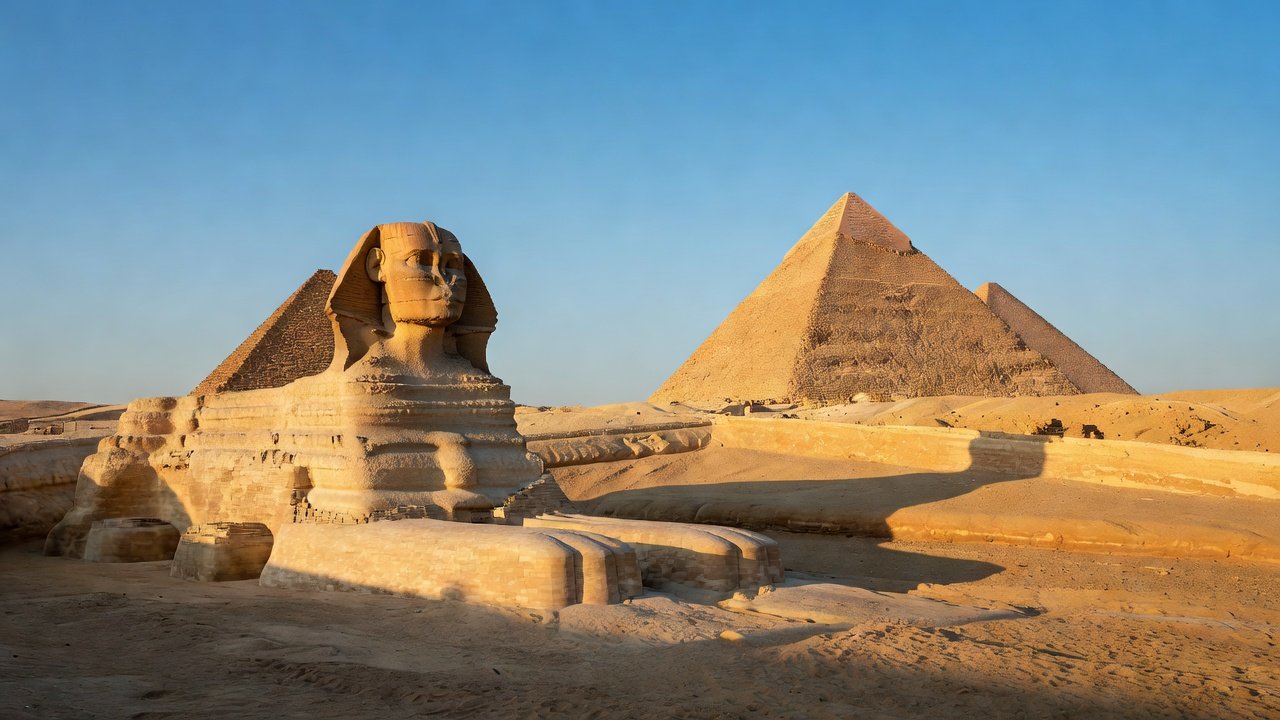
Day 1 begins with arrival at Cairo International Airport. Transfer to your hotel in the Giza area for proximity to the pyramids. Spend the afternoon at the Pyramids of Giza and Sphinx, arriving before 9 a.m. to capture golden light and fewer crowds. Hire a local guide for deeper context on construction techniques. Evening includes a sound-and-light show at the site.
On day 2, head to the Egyptian Museum in Tahrir Square to view the royal mummies and Tutankhamun collection. Afternoon moves to Coptic Cairo for the Hanging Church and Ben Ezra Synagogue. Day 3 covers Islamic Cairo with the Citadel and Muhammad Ali Mosque, followed by shopping at Khan el-Khalili bazaar. Sample street food such as ful medames and taameya here.
Transport within Cairo relies on ride-sharing apps or pre-booked drivers. For the move to Upper Egypt on day 4, choose a 1-hour domestic flight to Luxor or Aswan, or the scenic overnight sleeper train for budget travelers. Feluccas become relevant later on the Nile.
Days 4-7: Nile Cruise Logistics, Temples, and Scenic Sailing
Day 4 starts with your flight south. Board a 4- or 5-day Nile cruise in Aswan. The first stop is usually the Aswan High Dam and unfinished obelisk, then Philae Temple reached by motorboat. Evenings feature onboard entertainment and dinner buffets with grilled Nile perch, fresh salads, and baklava.
Day 5 sails to Kom Ombo for the double temple dedicated to Sobek and Haroeris. Day 6 visits Edfu Temple, one of the best-preserved Ptolemaic structures, via horse carriage from the dock. Day 7 arrives in Luxor with time for the West Bank, including the Valley of the Kings and Hatshepsut Temple.
Seasonal weather adjustments matter greatly. November through February offers pleasant 20-25°C days ideal for outdoor exploration, while March-May brings hotter conditions requiring early starts and ample water. Cruises include air-conditioned cabins for comfort.
Photo spots abound: capture the Philae Temple from the water at sunset, the massive columns at Edfu, and dramatic cliffs of the West Bank at dawn. Always ask permission before photographing locals.
Days 8-10: Luxor Temples, Aswan Extensions, and Departure
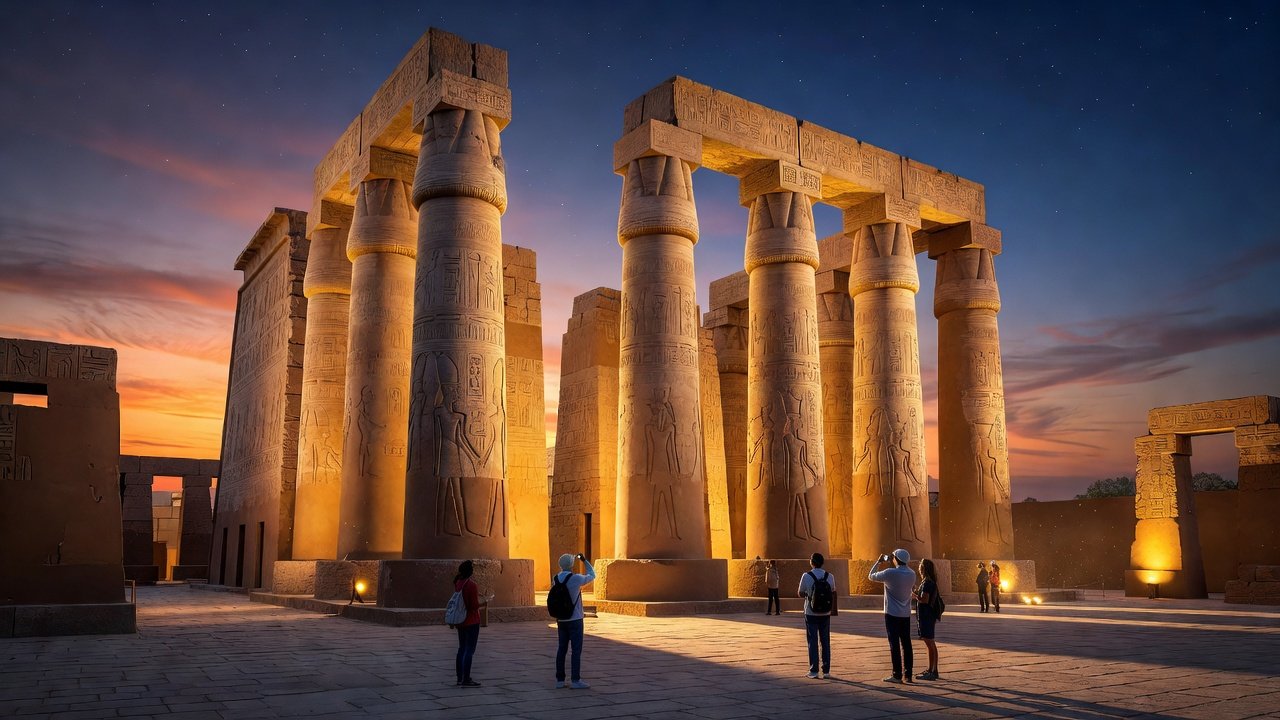
Day 8 focuses on Luxor's East Bank: Karnak Temple complex with its hypostyle hall and Luxor Temple connected by the Avenue of Sphinxes. Hire a caleche (horse carriage) for evening ambiance. Day 9 allows an optional extension to Aswan for the Nubian Museum or a felucca sail around Elephantine Island. Day 10 includes final souvenir shopping or a relaxed breakfast before airport transfer.
Meal recommendations emphasize fresh ingredients. In Luxor try koshari from local stalls or fine-dining versions at hotels. Aswan offers Nubian specialties like spiced chicken and hibiscus tea. Budget meals cost far less than hotel restaurants, but mid-range travelers enjoy rooftop dining with Nile views.
Budget Versus Mid-Range Breakdowns with Recent Cost Examples
Budget travel focuses on 3-star hotels, public transport where safe, and street food, averaging $110-140 per person daily as of 2026-10-25. This covers basic Nile cruise cabins and entry fees. Mid-range options with 4-star hotels, private drivers, and better cruises run $260-320 per day as of 2026-10-25. Real cost examples show a 7-night cruise package for two in mid-range at roughly double the budget equivalent, yet guided entries save time at crowded sites.
Guided Tours Versus Independent Travel Comparison
Guided tours bundle transport, entries, and meals for convenience, ideal for first-timers, but limit flexibility. Independent travel using apps for bookings and local drivers can reduce costs by 35 percent for experienced planners. Example: a guided 10-day package might total $3,200 per person as of 2026-10-25 versus $2,100 independently. Weigh your experience level and group size when deciding.
Practical Packing Lists and Safety Tips for First-Timers
Packing essentials include lightweight long-sleeve shirts for sun protection and mosque visits, sturdy walking shoes, a wide-brim hat, high-SPF sunscreen, reusable water bottle with filter, modest clothing for women, power bank, and universal adapter. Add binoculars for temple details and a small daypack.
Safety tips start with staying in well-reviewed areas, using official taxis or apps, and drinking only sealed or filtered water. Respect photography rules at archaeological sites. Women should travel in groups after dark and dress conservatively outside tourist zones. Check the latest travel advisories from authoritative sources before departure. Petty theft occurs in crowded markets, so use money belts.
FAQ on Visa Requirements and Best Months to Visit
- Visa requirements: Most nationalities obtain a 30-day e-visa online via Egypt's official portal prior to arrival. On-arrival visas remain available at airports for many passport holders.
- Best months to visit: October through April provide the most comfortable temperatures for temple hopping and cruises. Avoid peak summer unless prepared for extreme heat.
This itinerary balances iconic sights with practical logistics, ensuring a memorable and smooth 2026 journey through Egypt's highlights.

No comments yet. Be the first!