 PlaceBee
Introduction to Your 10-Day Spain Adventure in 2026
First-time visitors to Spain will find this 10-day itinerary an ideal balance of iconic cities, rich history, vibrant culture, and relaxing moments. Covering Madrid, Seville, and Barcelona, the route emphasizes efficient travel by high-speed train while allowing time to savor local cuisine and seasonal events. Book accommodations 4-6 months in advance for peak periods, and consider shoulder seasons for fewer crowds. This comprehensive plan provides actionable steps for every stage, from pre-trip preparation to on-the-ground navigation, ensuring a seamless experience that blends must-see landmarks with authentic local encounters.
Recommended Stays and Overall Structure
Spend four nights in Madrid, three in Seville, and three in Barcelona. This allocation gives ample time to explore each destination without rushing. Choose centrally located hotels or apartments in neighborhoods like Sol in Madrid, Santa Cruz in Seville, and the Gothic Quarter in Barcelona for easy access to attractions and public transport. Families may prefer properties with kitchenettes to manage meals flexibly. The itinerary mixes guided tours, independent exploration, and downtime for relaxation such as park visits or café lingering.
Days 1-4: Exploring Madrid in Depth
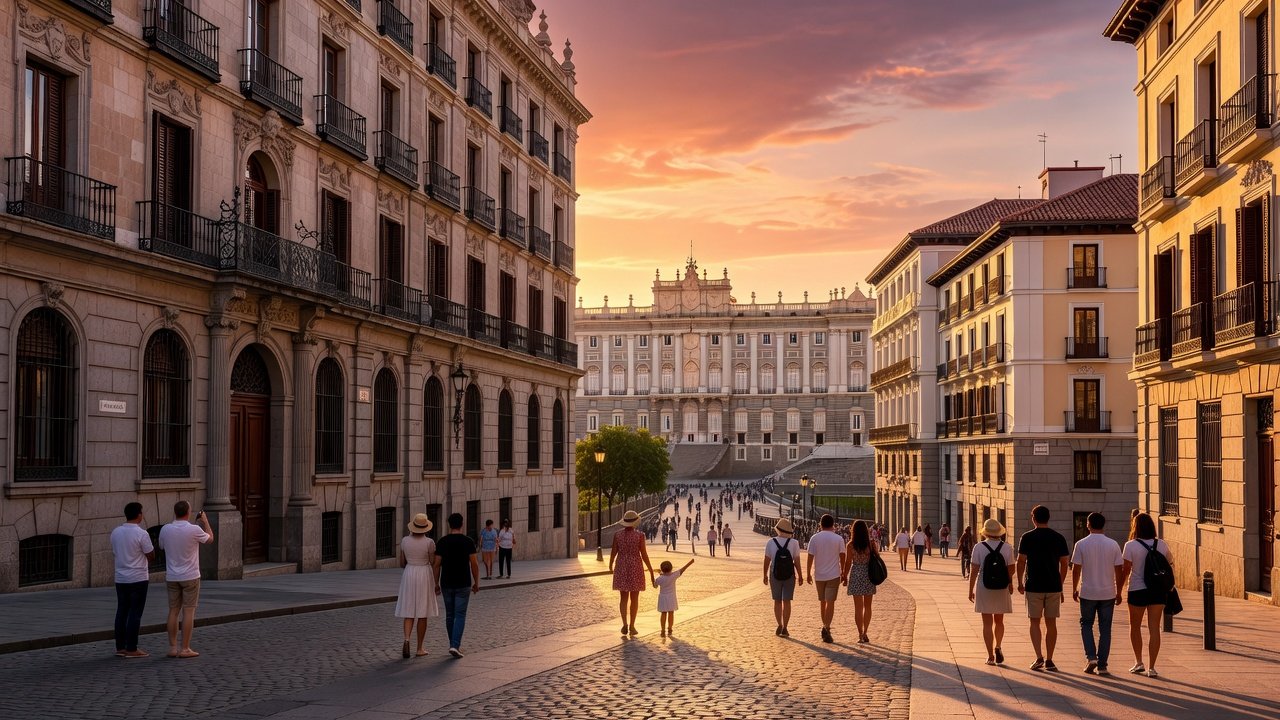
Arrive in Madrid and settle into a central hotel near the Puerta del Sol. On day one, visit the Royal Palace and stroll through the Plaza Mayor while sampling churros from historic vendors. Day two focuses on art at the Prado Museum followed by a relaxing walk in Retiro Park with boat rentals on the lake. Day three includes a half-day trip to nearby Toledo for its medieval streets and cathedral, returning in time for evening tapas crawls in the La Latina district. Day four covers Gran Vía shopping, the Temple of Debod at sunset, and a traditional flamenco performance. Local food experiences extend to trying cocido madrileño stew and visiting markets like Mercado de San Miguel for fresh seafood and cheeses. Transportation within Madrid relies on the metro system, which is affordable and extensive; purchase a multi-day pass for unlimited rides. For 2026, check for any cultural festivals like the San Isidro celebrations that may align with your dates, adding street music and processions to your schedule.
Travel to Seville and Days 5-7
Take a morning high-speed train from Madrid to Seville, a journey of about two and a half hours. Base yourself in the Santa Cruz neighborhood for three nights to enjoy its narrow whitewashed lanes. Explore the Alcázar palace on day five, marveling at its intricate tilework and gardens, followed by the Seville Cathedral and Giralda tower climb for panoramic views. Day six offers a relaxing boat ride on the Guadalquivir River and an evening flamenco show in a historic courtyard. Day seven includes a visit to the Plaza de España with its tiled alcoves, a carriage ride through María Luisa Park, and local markets for orange-infused treats, gazpacho, and cured ham. Seville shines in spring with potential fairs; plan accordingly for cultural immersion including possible Easter processions if dates overlap. Practical tip: reserve train tickets early via official channels to secure seats with scenic countryside views.
Practical steps for intercity travel include checking schedules the night before and allowing buffer time for station navigation. Carry a reusable water bottle as fountains are common in Spanish cities.
Travel to Barcelona and Days 8-10
Depart Seville by train to Barcelona, arriving in the afternoon after a comfortable ride with possible change in Madrid. Stay in the Gothic Quarter or near Las Ramblas for three nights, enjoying proximity to historic sites. Day eight highlights include the Sagrada Família with advance timed-entry tickets and Park Güell for its mosaic architecture and city vistas. Day nine covers the Picasso Museum, a stroll along Barceloneta Beach for relaxation and paella, plus evening people-watching on Las Ramblas. Day ten wraps up with Montjuïc Castle via cable car, the Magic Fountain show if available, and last-minute shopping for souvenirs like ceramics or olive oil. Barcelona's public transport and walking tours make navigation easy. 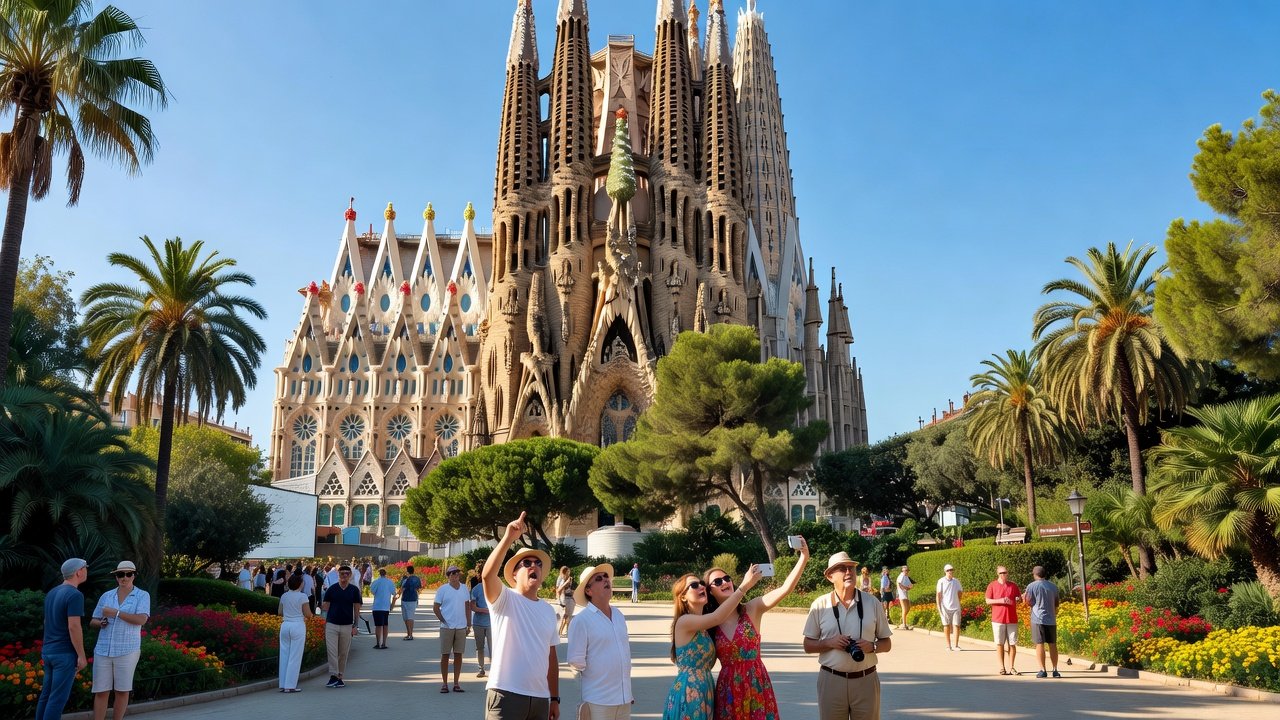
Transportation Tips Between Cities
High-speed AVE trains are the most reliable option for moving between Madrid, Seville, and Barcelona. Book in advance for best availability through the national rail operator. Domestic flights serve as alternatives but add airport time and security procedures. Within cities, use metro, buses, or walking tours; apps like Google Maps integrate real-time transit data effectively. For families, opt for flexible tickets that allow changes without penalties.
Sample Budget Breakdown
Focus on mid-range options for accommodations, meals, and activities. Allocate more for experiences like guided tours and train passes. Review current exchange rates and use travel apps for deals as of late 2026 planning. Emphasize value by choosing set menus at lunch for cost efficiency and public transport over taxis.
Seasonal Events in 2026 and Booking Timelines
Monitor official tourism calendars for events such as Holy Week processions or summer festivals. Secure train tickets and popular attractions like the Alhambra-adjacent sites or Gaudí landmarks several months ahead. Start planning reservations 5-7 months prior for 2026 peak travel to avoid sold-out experiences.
Additional Practical Advice: Packing, Food, and Etiquette
Pack layers for variable weather, comfortable walking shoes, and a universal adapter. Food experiences highlight regional specialties: Madrid's hearty stews, Seville's fried fish, and Barcelona's seafood rice dishes. Respect local customs like later dining hours starting after 8pm and siesta closures in smaller shops. A scannable list of must-try items includes: tortilla española, jamón ibérico, churros, gazpacho, and crema catalana.
FAQs: Avoiding Crowds and Family Customization
- How to avoid crowds? Visit major sites early morning or late afternoon and explore lesser-known neighborhoods such as Madrid's Malasaña or Barcelona's Gràcia district.
- Customizing for families? Add kid-friendly spots like Madrid's Warner Bros. Park or Barcelona beaches with playgrounds, and choose hotels with family rooms or connecting options.
- Best time to book? Start reservations 5-7 months prior for 2026 peak travel, focusing first on trains and timed-entry attractions.
- Weather considerations? Spring and fall offer mild temperatures ideal for walking; summers can be hot in the south.
Conclusion
This 10-day Spain itinerary delivers a memorable mix of history, cuisine, and leisure across three unforgettable cities. Adjust based on personal interests, incorporate rest days as needed, and enjoy your 2026 journey with confidence from thorough preparation.

No comments yet. Be the first!