 PlaceBee
2026 Foodie Trip Itineraries: Gourmet Day-by-Day Plans
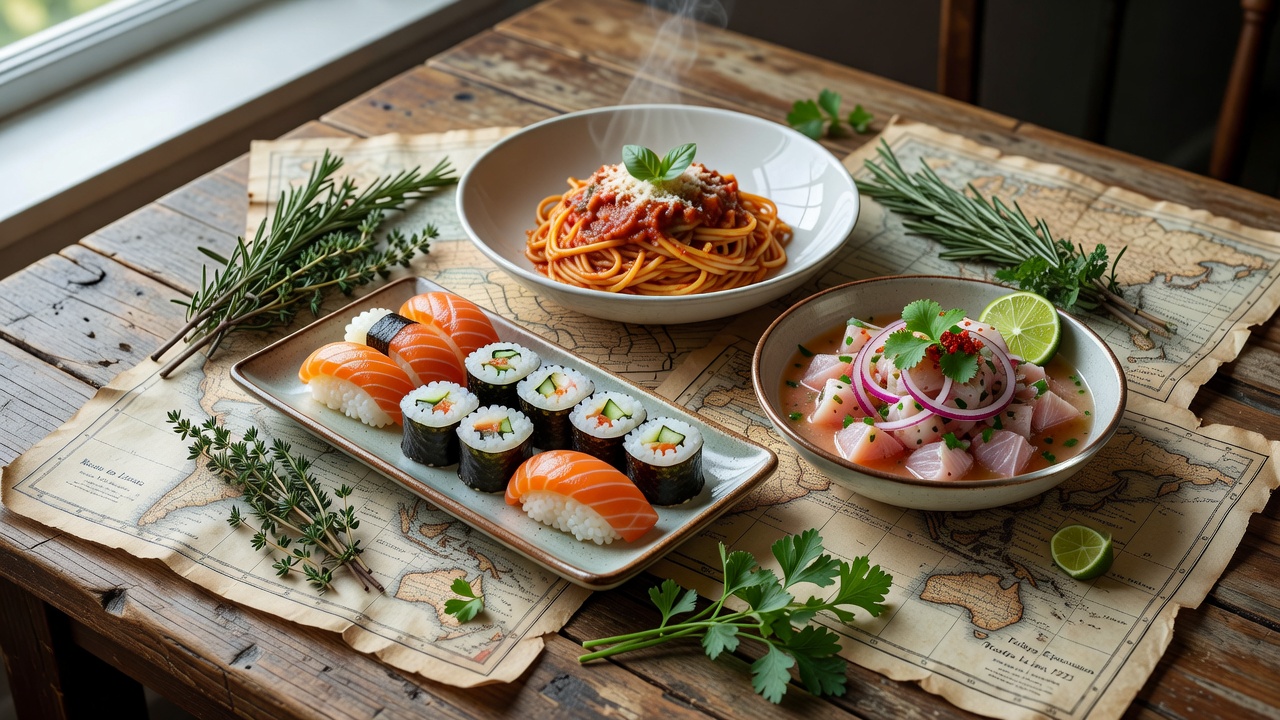
Planning a culinary-focused vacation in 2026 opens doors to immersive experiences that blend world-class dining with cultural exploration. These itineraries emphasize seasonal ingredients, local traditions, and thoughtful pacing to create balanced adventures. Whether you crave Italian pasta-making classes or Japanese kaiseki feasts, structured day-by-day guides help maximize enjoyment while minimizing stress. Food tourism continues to grow as travelers seek authentic connections through regional flavors, and 2026 promises fresh opportunities with updated seasonal menus and sustainable practices across destinations. By focusing on practical details such as transportation between food hubs and timing meals around local festivals, you can craft a trip that feels both indulgent and enriching.
Popular Food Destinations for 2026
Destinations like Tuscany, Tokyo, and Peru's Sacred Valley continue to lead for food enthusiasts. Each offers unique flavors tied to heritage and geography. Tuscany highlights olive oils and Chianti wines alongside Renaissance art. Tokyo showcases precision sushi and ramen shops nestled in historic neighborhoods. Peru blends ancient Andean ingredients with modern techniques in vibrant markets. Additional rising spots include the wine regions of South Africa and the spice markets of Marrakech, where travelers can explore emerging trends in fusion cuisine. Choosing a destination depends on your preferred climate, flight duration, and interest in specific cuisines, such as Mediterranean versus East Asian profiles.
Sample Itinerary: Tuscany, Italy – A Seven-Day Gourmet Escape
Day 1: Arrive in Florence and settle into a central apartment. Stroll to the Mercato Centrale for fresh truffle tastings and espresso. Evening includes a welcome dinner of ribollita soup paired with local wines. Day 2: Join a morning pasta workshop in Chianti, followed by vineyard tours. Afternoon visits the Uffizi Gallery before a sunset aperitivo overlooking the Arno River. Day 3: Drive to Siena for market browsing and pici pasta lunch. Return via a countryside olive oil mill for a tasting session. Day 4: Explore San Gimignano's medieval towers and sample gelato made from local saffron. Evening features a farm-to-table dinner with seasonal vegetables. Day 5: Cooking class focused on wild boar ragu in a restored villa. Afternoon hike through vineyards for digestion and scenic views. Day 6: Visit Pisa briefly before returning to Florence for a final seafood feast near the Duomo. Day 7: Depart with a picnic basket of cheeses and breads for the journey home. This itinerary balances active cooking sessions with relaxed sightseeing, allowing time to digest both meals and cultural insights.
Asia Culinary Adventure: Tokyo and Kyoto Itinerary
This eight-day plan contrasts urban innovation with temple-town traditions. Days 1-3 in Tokyo cover Tsukiji outer market breakfasts, izakaya crawls, and a day trip to Nikko for mountain soba. Days 4-7 shift to Kyoto for kaiseki dinners, matcha ceremonies, and Gion district street food. Day 8 wraps with departure from Osaka. The structure incorporates rest days between intensive tasting sessions to prevent palate fatigue and includes optional add-ons like a private tea master session. 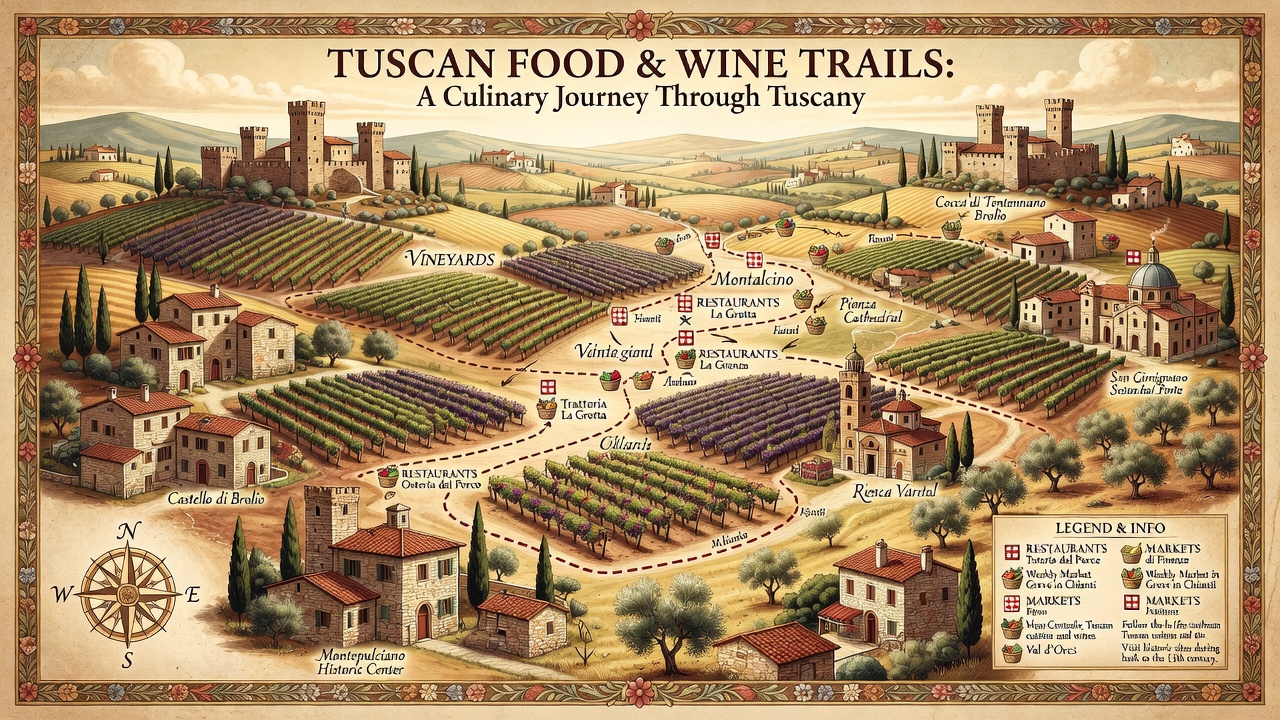
Peru Andean Culinary Journey: Five-Day Itinerary
For a South American contrast, consider this compact plan centered on the Sacred Valley. Day 1: Arrive in Cusco and acclimate with a light quinoa lunch at a local market. Day 2: Travel to Pisac for an indigenous ingredient workshop featuring potatoes and herbs, then visit the ruins. Day 3: Cooking class on ceviche and causa in Urubamba, paired with a visit to a salt mine. Day 4: Explore Machu Picchu in the morning followed by an alpaca meat dinner in Aguas Calientes. Day 5: Return to Cusco for a farewell tasting of pisco sours and chocolate. This route highlights biodiversity while incorporating gentle physical activity to complement hearty meals.
Budgeting for Gourmet Travel
Focus on mid-range lodging near food hubs and prioritize street markets over fine dining every meal. Allocate funds for 2-3 signature experiences per destination while using public transport to cut costs. Research seasonal promotions and consider shoulder seasons for better value on experiences. Track expenses through simple apps and consider group bookings for classes to share costs. Real-world examples show that mixing self-guided market visits with one paid tour per day keeps spending reasonable without sacrificing quality.
Pairing Meals with Local Attractions
Combine visits to historical sites with nearby eateries. After touring Machu Picchu, enjoy quinoa-based dishes in Aguas Calientes. In Paris, follow Louvre visits with bakery stops for fresh baguettes. This approach deepens cultural connections and creates natural pacing. UNWTO resources on sustainable tourism emphasize how such pairings support local economies. Similar strategies work in Tokyo, where temple visits transition smoothly into nearby ramen shops.
Tips for Dietary Restrictions
- Communicate needs in advance using translation apps and restaurant reservation notes.
- Seek destinations with strong plant-based scenes like Berlin or Tel Aviv.
- Pack safe snacks and research certified allergen-friendly spots.
- Join specialized tours that accommodate gluten-free or vegan preferences.
- Always carry written explanations of restrictions in the local language for clarity at markets and small eateries.
Comparing Food Tour Styles
Walking tours suit active travelers wanting neighborhood immersion. Multi-day cooking retreats offer hands-on skills. Luxury private guides provide exclusive access but at higher cost. Group bus tours maximize efficiency for larger parties while self-guided apps allow flexibility. Choose based on group size, mobility, and desired depth of interaction. Walking tours often foster spontaneous discoveries, whereas retreats build lasting skills through repeated practice.
Sustainability in Gourmet Travel
Opt for farms using regenerative practices and avoid single-use plastics at markets. FAO guidelines on sustainable food systems provide useful background for selecting ethical experiences. Travelers can further reduce impact by choosing seasonal produce and supporting small producers over large chains.
Mistakes to Avoid When Planning 2026 Foodie Trips
- Overbooking daily meals without rest periods, leading to exhaustion.
- Ignoring local holidays that close restaurants unexpectedly.
- Failing to confirm transportation between rural food sites.
- Neglecting health precautions such as water safety in new regions.
FAQ
How far in advance should I book 2026 food tours?
Reserve popular experiences 4-6 months ahead, especially during peak harvest seasons.
Are these itineraries suitable for solo travelers?
Yes, many operators offer single supplements or group options designed for individuals.
What if I have limited time?
Condense to 4-day focused city breaks emphasizing 2-3 signature meals daily.
How do I handle jet lag on food-focused trips?
Start with light local meals and hydrate well; schedule major tastings after 48 hours of arrival.
Can families with children join these gourmet itineraries?
Many destinations offer family-friendly adaptations such as milder spice levels and hands-on kids' cooking classes.
Conclusion
Thoughtful 2026 foodie itineraries transform vacations into lasting memories through deliberate pacing, cultural pairings, and inclusive planning. By blending practical budgeting with dietary awareness, travelers craft journeys that celebrate global cuisines responsibly and joyfully. Start mapping your next adventure today for an unforgettable culinary escape. Additional resources from CDC Travel can further support safe planning across borders.

No comments yet. Be the first!