 PlaceBee

Introduction to Your 10-Day Portugal Adventure
Planning a first-time visit to Portugal in 2026 requires a well-structured itinerary that balances iconic cities with relaxing coastal escapes. This comprehensive 10-day guide takes you from Lisbon's historic streets to Porto's wine cellars and the dramatic cliffs of the Algarve. Whether you're seeking cultural immersion or scenic drives, this day-by-day plan provides actionable steps for smooth travel. Portugal offers excellent connectivity via trains and rental cars, making it ideal for first-timers. Consider seasonal factors like summer crowds in 2026 and shoulder-season weather for fewer lines at attractions. The country combines rich history, stunning landscapes, and world-class cuisine, ensuring every day brings new discoveries. First-time visitors often appreciate how compact yet diverse the destinations feel, allowing efficient movement without excessive travel time between regions.
Day 1-3: Exploring Lisbon's Historic Charm
Start in Portugal's capital, where centuries-old neighborhoods meet modern vibes. Spend Day 1 wandering the Alfama district and visiting the São Jorge Castle for panoramic views over the city and river. The narrow alleys and traditional fado music performances create an unforgettable atmosphere. On Day 2, take a tram to Belém for pastel de nata tasting and Jerónimos Monastery, a UNESCO World Heritage site showcasing Manueline architecture. Day 3 allows time for the Oceanário de Lisboa, one of Europe's largest aquariums, and a sunset cruise on the Tagus River to relax after busy sightseeing. Practical routing advice includes using the efficient metro system or walking between central sights to save time and money.
Sample meals include grilled sardines at a local tasca or fresh seafood at a mid-range riverside spot. Budget travelers can enjoy street food markets, while mid-range options add wine pairings and reserved seating. Extend your Lisbon stay by visiting the nearby Sintra palaces if time allows on Day 3 afternoon.
Day 4-5: Journey to Porto and Wine Culture
Travel north by high-speed train to Porto. Day 4 focuses on the Ribeira district with its colorful riverside buildings and a Douro River cruise that passes vineyards and historic bridges. Day 5 includes port wine cellars in Vila Nova de Gaia with guided tastings and explanations of the aging process. This segment highlights Portugal's rich wine culture and offers opportunities to purchase bottles directly from producers. Consider a half-day trip to the Douro Valley for those wanting deeper immersion in terraced vineyards.
Visit Portugal official site offers updated event listings for 2026 festivals and wine harvest dates.
Transportation Options: Trains vs Rental Cars
Trains provide efficient links between Lisbon and Porto with comfortable seats and scenic views along the way. For the Algarve leg, a rental car offers flexibility along coastal roads and access to remote beaches. Book in advance for 2026 peak periods to secure best availability. Compare options using reliable planners; trains suit city-to-city hops while cars excel for exploring rural Algarve coves. Always check fuel policies and insurance coverage before signing agreements. Public transport works well in cities but becomes limited once you reach smaller coastal towns.
Days 6-10: Algarve Coastal Highlights and Practical Details
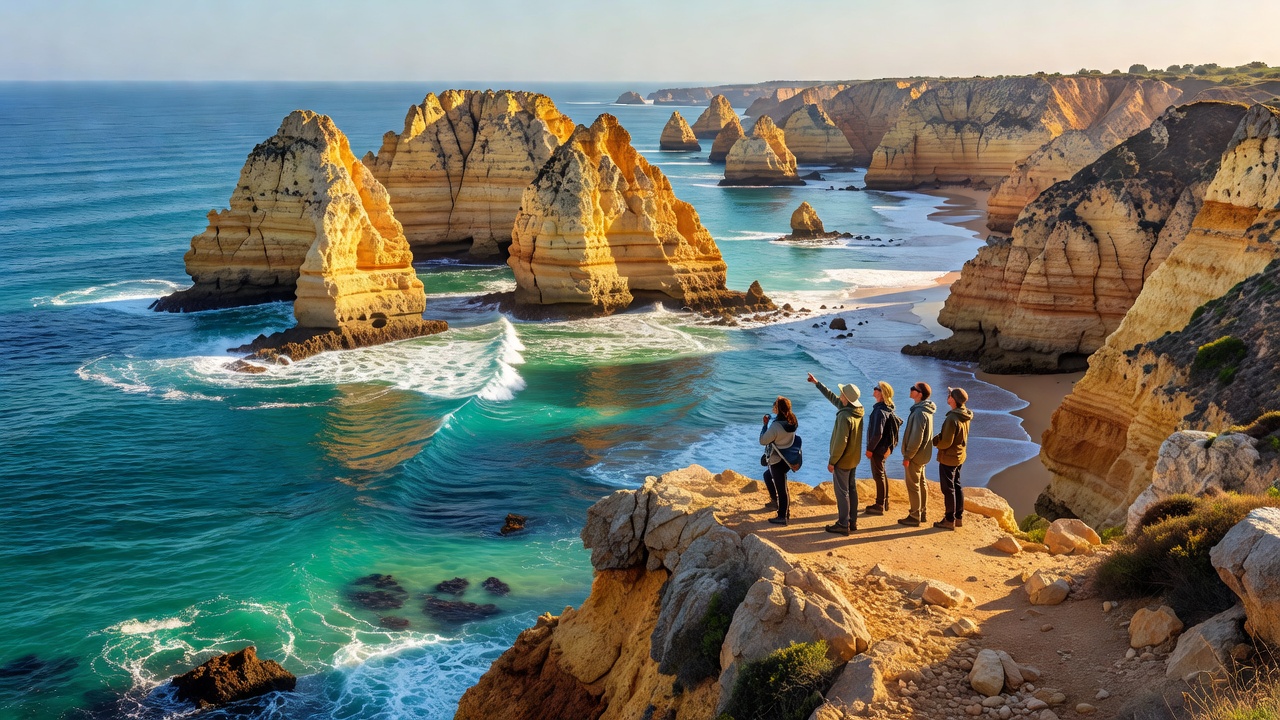
Head south for beach time and natural wonders. Days 6-7 cover Lagos and its sea caves by boat tour, where dramatic rock formations and hidden grottoes create Instagram-worthy moments. Days 8-9 explore Faro's old town with its historic walls and hiking in Ria Formosa Natural Park to spot migratory birds and traditional fishing villages. Day 10 returns to Lisbon via train or departs from Faro airport. Practical steps include reserving boat tours early and packing reef-safe sunscreen for water activities. Examples of daily pacing show starting early to avoid heat and crowds, then enjoying relaxed lunches overlooking the sea.
Compare experiences: Budget stays emphasize guesthouses with shared facilities, while mid-range includes boutique hotels with pools and breakfast included. Both deliver memorable trips with proper planning and research into reviews.
Packing Tips and Seasonal 2026 Considerations
- Light layers for variable spring and fall weather, including a waterproof jacket for occasional showers
- Comfortable walking shoes for cobblestone streets that can become slippery when wet
- Light jacket for evening breezes in the Algarve, especially near the coast
- Reusable water bottle and sunscreen for summer sun exposure during long beach days
- Adapter plugs for European outlets and a portable charger for navigation apps
2026 summer brings higher crowds at beaches and popular viewpoints; shoulder seasons like April or October offer milder temperatures around 18-22°C and lower accommodation demand. Always monitor local forecasts and book popular experiences weeks ahead.
Budget vs Mid-Range Experiences and Sample Meals
Budget itineraries focus on public transport, local eateries, and free walking tours. Mid-range adds private transfers, guided wine tastings, and upgraded hotel rooms with sea views. Both deliver memorable trips when you prioritize experiences over luxury. Sample meal recommendations feature bacalhau in Lisbon, francesinha sandwich in Porto, and cataplana seafood stew in the Algarve. Vegetarian options are widely available at modern restaurants, and trying regional wines enhances every meal.
FAQ: Common Questions and Booking Timelines
When should I book accommodations and activities? Aim for 3-6 months ahead for 2026 high season to lock in preferred dates. Is English widely spoken? Yes, especially in tourist areas and hotels. What about weather and crowds? Check forecasts for mild winters and warm summers. How do I handle currency? Use ATMs for euros and notify banks of travel plans. Other concerns include travel insurance coverage for cancellations and understanding train ticket classes for comfort.
CP Portugal trains provide reliable schedules and booking tools. Additional resources like regional tourism boards help refine plans further.
Conclusion
This 10-day Portugal itinerary equips you with everything needed for an unforgettable 2026 journey. Follow the steps, adapt to your pace, and enjoy the country's diverse landscapes from historic cities to pristine beaches.

No comments yet. Be the first!