 PlaceBee

Introduction to Scenic Train Travel in 2026
Scenic train trips offer travelers a unique way to explore the world while enjoying ever-changing landscapes from the comfort of a moving carriage. In 2026, rail networks continue to expand and improve, making it easier than ever to craft memorable day-by-day itineraries that combine iconic routes with authentic local experiences. Whether crossing the Alps or speeding through Japanese countryside, trains provide a relaxed pace that air travel simply cannot match. This approach to travel emphasizes sustainability, comfort, and the joy of gradual discovery, allowing passengers to witness seasonal changes, rural communities, and architectural marvels up close.
This guide helps you build comprehensive railway vacations by focusing on practical planning elements such as choosing the right rail pass, packing wisely, managing layovers, and weaving in cultural stops. Real-world examples from European networks and Asian high-speed lines illustrate how to structure multi-day adventures effectively. By the end of this article, you will have actionable strategies to design your own itineraries that balance efficient travel with immersive experiences.
Selecting the Best Rail Passes for Your Journey
Choosing an appropriate rail pass is the foundation of any successful scenic train itinerary. Passes like those offered by major European providers allow flexible travel across multiple countries, while country-specific options suit travelers focusing on one destination. Consider factors such as travel duration, number of countries visited, and whether you prefer first-class comfort or standard seating. For instance, some passes permit unlimited travel within a set period, while others require seat reservations on popular high-speed segments to guarantee a spot.
Compare options carefully to match your route. For multi-country trips, a flexible pass often saves time and money compared to individual tickets. Always verify validity periods and reservation requirements before purchasing. Research peak travel seasons to avoid sold-out trains, and consider add-ons for ferry connections or local buses that extend your reach beyond rail lines. Eurail provides extensive coverage for European routes, making it a reliable starting point for planning.
Essential Packing for Train Adventures
Packing for rail travel differs from other modes because space is limited and you may change trains frequently. Prioritize lightweight luggage with wheels for easy maneuvering through stations. Include a versatile wardrobe suited to varying climates, comfortable walking shoes, and a reusable water bottle. Layered clothing is essential since temperatures can fluctuate between air-conditioned cars and outdoor platforms.
Other must-haves include a portable charger, noise-canceling headphones, travel pillow, and snacks for long stretches between meals. A small daypack helps during layovers or side excursions. Avoid overpacking to keep movement smooth on crowded platforms. Consider investing in a compact luggage scale to prevent excess fees on any connecting transport, and pack a basic first-aid kit along with copies of important documents stored digitally and in print.
Handling Layovers and Incorporating Local Experiences
Layovers present opportunities rather than obstacles when planned strategically. Short stops allow quick visits to station-adjacent attractions, while longer ones enable deeper exploration of nearby towns. Research station amenities in advance and book any necessary reservations for onward trains. Many major hubs feature lounges, showers, and luggage storage that can refresh travelers mid-journey.
Integrate local experiences by scheduling time for markets, museums, or scenic walks. This transforms transit time into memorable highlights of your overall itinerary. For example, a two-hour layover in a historic city could include a quick coffee tasting or a visit to a nearby viewpoint, turning potential downtime into cultural enrichment.
Example Itinerary: European Rail Networks
A classic seven-day European journey might begin in Paris, travel through Switzerland's stunning Alpine scenery to Zurich, then continue to Vienna for cultural immersion. Day one focuses on arrival and city exploration in Paris, including a visit to the Louvre and an evening Seine cruise. Day two involves an early departure to the Swiss border, with stops in Lyon for lunch before ascending into mountain vistas. Subsequent days feature scenic segments with stops in charming villages for local cuisine and hikes around lakeside towns.
Extend the route into Italy or Germany for added variety, perhaps detouring through the Rhine Valley for castle views. This structure balances travel time with meaningful stops, creating a well-paced adventure that highlights both natural beauty and historical sites. Travelers should factor in seasonal events like summer festivals or winter markets to enhance the experience.
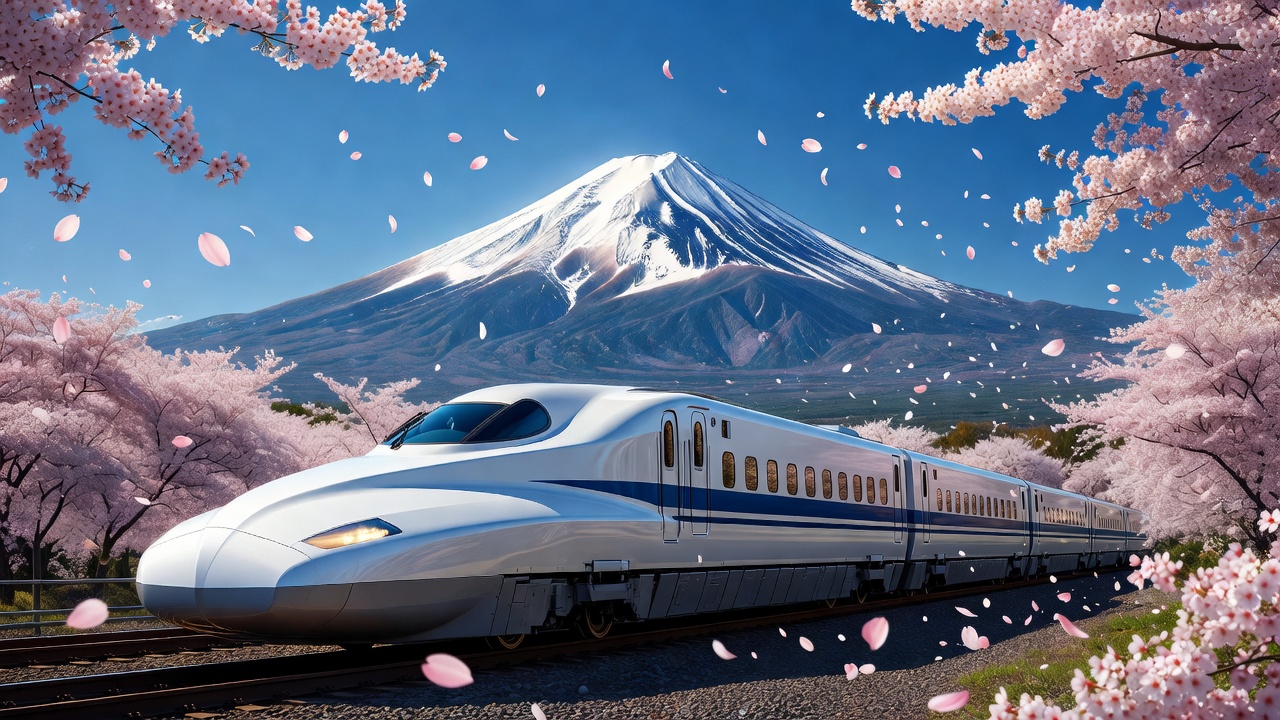
Asian High-Speed Lines: Modern Efficiency Meets Scenery
Asia offers impressive high-speed options that combine speed with beautiful views. Japan's Shinkansen network connects major cities while passing through rice paddies and mountains. Similar systems in South Korea and China provide efficient links between urban centers and natural wonders. Day-by-day planning here emphasizes punctuality and advance reservations, as these trains often run on precise schedules that reward early booking.
Pair high-speed segments with slower scenic routes for contrast, such as adding a heritage line through rural areas. This mix allows travelers to appreciate both technological marvels and traditional landscapes. Additional tips include downloading translation apps specific to each country and familiarizing yourself with platform etiquette to navigate busy terminals smoothly. Seat61 offers detailed route information useful for Asian and global rail planning.
Train Travel Versus Air Travel: A Practical Comparison
Trains excel in comfort, environmental impact, and city-center access compared to flying. You avoid lengthy security lines and enjoy more legroom plus scenic views. Air travel wins for extreme long distances but often involves more stress and hidden fees. For trips under 1,000 kilometers, rail frequently proves faster door-to-door when accounting for airport transfers and waiting times.
Sustainability also favors trains, which produce significantly lower emissions per passenger. Consider your priorities: if relaxation and views matter most, rail is superior; for time-sensitive long-haul needs, flying may still be necessary. Hybrid itineraries combining both modes can optimize overall efficiency.
Mistakes to Avoid When Planning Rail Itineraries
Common pitfalls include underestimating reservation requirements on popular routes, leading to last-minute stress. Another error is neglecting to account for time zone changes or daylight saving adjustments in multi-country trips. Over-scheduling daily segments without buffer time can cause fatigue, while ignoring local customs at stations may result in missed connections.
Always double-check ticket validity across borders and test offline navigation apps beforehand. These precautions help maintain a smooth journey from start to finish.
Step-by-Step Planning Checklist
- Define your travel dates and budget range while researching seasonal rail promotions.
- Research and select suitable rail passes early to secure the best pricing and availability.
- Map core routes and identify must-see stops, incorporating weather forecasts for outdoor segments.
- Book accommodations near stations for convenience and easy access to platforms.
- Pack using the essentials list above, focusing on versatile and lightweight items.
- Confirm reservation rules for popular segments at least several weeks ahead.
- Build buffer time for layovers and weather delays to prevent missed connections.
- Download offline maps and translation apps tailored to your destinations.
- Review sustainability practices for each leg, such as choosing eco-certified operators where possible.
- Finalize insurance and emergency contacts, including rail-specific assistance numbers.
Frequently Asked Questions
How much does scenic rail travel typically cost?
Costs vary widely by region and season. Focus on value through passes rather than single tickets for multi-day trips, and compare options based on flexibility needs.
Is train travel more sustainable than flying?
Yes. Trains generally emit far less carbon dioxide per passenger kilometer, making them a greener choice for most continental journeys. Many operators now publish annual sustainability reports detailing their environmental efforts.
What if I miss a connection?
Many passes allow flexible rebooking. Build extra time into itineraries and check station information desks for assistance. Some networks offer complimentary rerouting services for delayed passengers.
Are there family-friendly options on scenic routes?
Most major rail services provide family carriages with extra space and play areas. Advance booking ensures access to these amenities, and many routes feature onboard entertainment suitable for children.
Conclusion
Creating scenic train trip itineraries for 2026 opens doors to immersive, eco-friendly adventures across continents. By thoughtfully selecting passes, packing strategically, and blending efficient travel with local discoveries, you craft journeys that linger in memory long after returning home. Start planning early to secure the best routes and enjoy the rhythm of the rails, turning each day into a new chapter of exploration and connection with the landscapes you traverse.


No comments yet. Be the first!