 PlaceBee

Introduction
Planning a trip in 2026 requires more than booking flights and hotels. Many travelers fall into common itinerary traps that lead to exhaustion, missed experiences, or wasted money. This guide covers seven overlooked blunders, complete with real-world examples, practical fixes, and comparisons between manual planning and AI-assisted tools. You will also find quick-win strategies for balancing rest and activities, plus a FAQ addressing last-minute changes and group travel dynamics.
By addressing these issues early, you can create smoother journeys that maximize enjoyment without the stress. Downloadable checklists are referenced throughout to help you implement changes immediately. Travelers who prepare thoroughly report higher satisfaction rates and fewer disruptions, according to recent industry observations. Whether you are traveling solo, with family, or in a group, understanding these pitfalls helps you build resilient plans that adapt to real-world variables like weather, crowds, and personal energy levels.
Blunder 1: Overpacking the Daily Schedule
Many travelers cram too many activities into each day, leaving no buffer for delays or spontaneous moments. A real-world example involves a family visiting Paris who scheduled three museums and a walking tour in one day, resulting in fatigue and arguments among members. They ended up skipping the final museum and feeling disappointed with the rushed pace throughout the afternoon.
Fix: Limit core activities to two or three per day and build in transition time. Use a downloadable daily pacing checklist to rate each day's intensity before finalizing bookings. Add flexible slots for meals and rest to maintain energy. Consider local transportation times when estimating durations, as traffic or transit delays can add unexpected hours.
Manual vs AI-Assisted: Manual planning relies on spreadsheets and personal maps, which can overlook realistic travel times between attractions. AI tools like itinerary generators analyze traffic data and suggest optimized sequences in seconds, often incorporating user preferences for walking versus public transport. This difference becomes especially clear during peak seasons when routes change frequently.
Blunder 2: Ignoring Time Zone Adjustments
Crossing multiple time zones without a recovery plan causes jet lag that derails the first few days. Travelers arriving in Tokyo from New York often power through meetings only to crash midway through their itinerary, missing key cultural experiences they had anticipated for months. Another case involved a couple in Australia who ignored gradual adjustment and spent their entire first day sleeping instead of exploring.
Fix: Shift sleep schedules gradually before departure and prioritize light exposure upon arrival. Include a pre-trip adjustment checklist that tracks sleep patterns and suggests incremental changes starting one week out. Hydration and meal timing also play important roles in faster recovery.
Manual vs AI-Assisted: Manual methods involve basic alarm adjustments and general advice from books, while AI apps integrate sleep science data to create personalized transition plans that factor in flight duration and individual chronotypes for better results.
Blunder 3: Failing to Account for Seasonal Crowds
Booking popular sites without checking peak seasons leads to long lines and disappointment. An example is a group visiting Rome during summer holidays who spent hours queuing instead of exploring the historic sites they came to see. Similar issues arise in popular U.S. national parks during holiday weekends when advance reservations become essential.
Fix: Research crowd calendars and book timed entries early. Cross-reference with official tourism sites such as U.S. Department of State travel resources. Consider shoulder seasons for fewer crowds and better availability at accommodations.
Manual vs AI-Assisted: Manual research uses static guides that quickly become outdated, whereas AI monitors live booking trends for dynamic recommendations and alerts users when availability drops below certain thresholds.
Blunder 4: Neglecting Transportation Logistics
Assuming public transit or rideshares will always be available creates bottlenecks. A solo traveler in rural Scotland missed connections due to limited schedules and ended up paying premium rates for private transfers. In urban areas, strikes or events can suddenly alter options without warning.
Fix: Pre-book key transfers and keep offline maps handy. A transport checklist helps verify options across multiple providers and includes backup routes for each leg of the journey. Testing apps in advance ensures you can navigate without data connections.
Manual vs AI-Assisted: Manual planning involves calling services directly and compiling notes on paper, while AI platforms sync with real-time transit APIs for seamless updates and rerouting suggestions when disruptions occur.
Blunder 5: Overlooking Dietary and Accessibility Needs
Assuming all destinations accommodate restrictions leads to stress. A vegan traveler in Argentina struggled without prior restaurant research and resorted to limited options that affected their enjoyment. Accessibility challenges for wheelchair users in older European cities present similar planning oversights.
Fix: Compile a needs list and verify venues in advance using specialized apps. Share requirements with hotels and tour operators at booking time to secure suitable accommodations and modified activities.
Manual vs AI-Assisted: Manual lists are static documents that require constant manual updates, while AI filters recommendations based on user profiles instantly and flags potential issues before they arise during travel.
Blunder 6: Skipping Buffer Days for Weather or Delays
Zero buffer days mean one storm or cancellation ruins the trip. Hikers in Patagonia faced this when flights were grounded due to sudden weather changes, forcing them to shorten their entire itinerary. Coastal destinations often experience similar issues with tides or seasonal storms.
Fix: Reserve one flexible day per week and monitor forecasts via CDC travel health guidance. Build contingency plans for each major activity so alternatives are ready without last-minute panic.
Manual vs AI-Assisted: Manual buffers are guessed based on experience alone; AI predicts weather risks using historical patterns and suggests proactive adjustments days in advance.
Blunder 7: Ignoring Group Preference Alignment
Assuming everyone shares the same energy level causes friction. A multi-generational group in Hawaii ended up splitting up constantly because younger members wanted adventure while older relatives preferred relaxed sightseeing. This led to communication breakdowns and hurt feelings.
Fix: Survey preferences upfront and create tiered activity options with a group dynamics checklist. Schedule regular check-ins during the trip to adjust plans collaboratively and maintain harmony.
Manual vs AI-Assisted: Manual surveys are email-based and time-consuming to compile, while AI polls participants and suggests compromises automatically based on aggregated responses.
Recommended Apps for 2026 Planning
Several apps stand out for preventing these blunders. Tools like TripIt organize bookings into one timeline, while AI-powered options such as Wanderlog provide smart suggestions. For group coordination, apps like Splitwise handle shared expenses alongside scheduling. Always test a few options during the planning phase to find the best fit for your style.
Quick-Win Sections for Balancing Rest and Activities
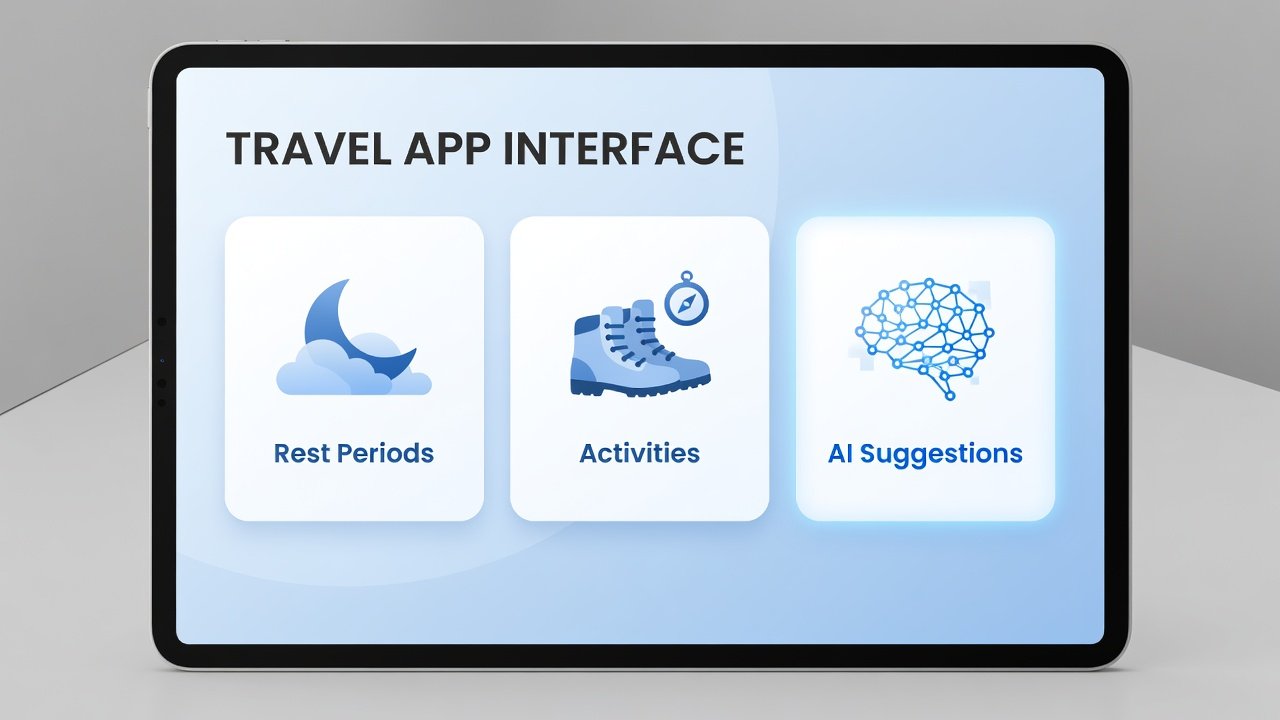
Start each morning with 30 minutes of downtime to set a calm tone. Alternate high-energy days with recovery ones to avoid burnout. Use apps that flag when your schedule exceeds recommended activity thresholds. Consider these practical steps:
- Block two-hour rest windows after lunch in warm climates.
- Choose one low-key evening activity per three active days.
- Incorporate walking tours that double as gentle exercise and sightseeing.
- Review daily energy levels with travel companions each evening.
FAQ
How do I handle last-minute itinerary adjustments?
Keep a digital master list in a flexible app and update it daily. Prioritize must-dos and drop lower-priority items without guilt. Communicate changes clearly to all group members and have backup reservations ready in popular destinations.
What if group members have conflicting preferences?
Use voting tools in planning apps and aim for majority consensus with optional add-ons for individuals. Establish ground rules early about compromise and personal time to reduce tension during the trip.
Can these strategies work for last-minute trips?
Yes, focus on the highest-impact fixes like adding buffers and verifying logistics first. AI tools excel here by rapidly generating alternatives when original plans fall through unexpectedly.
Conclusion
Avoiding these seven blunders transforms stressful trips into memorable ones. Combine checklists, smart apps, and balanced pacing for 2026 success. Start planning smarter today to enjoy every moment on the road while staying adaptable to changing circumstances.
Discover more travel tips to refine your plans here.
Get destination inspiration for your next journey here.

No comments yet. Be the first!