 PlaceBee
Planning Your First International Trip in 2026
Embarking on your first trip abroad can feel overwhelming, but with the right structure, it becomes an exciting and manageable experience. This guide focuses on beginner-friendly approaches to building 7-day itineraries for popular starter destinations in 2026, emphasizing safety, ease, and realism. Whether you are traveling solo, with a partner, or in a small group, the key is to start with destinations that offer excellent infrastructure, clear signage in multiple languages, and robust support for tourists. By following structured day-by-day plans, first-timers can minimize stress while maximizing cultural immersion and memorable experiences.
Selecting Easy and Safe Destinations for Beginners
When choosing your first international destination, focus on countries known for safety, efficient public transportation, and tourist-friendly services. Portugal stands out due to its welcoming atmosphere, affordable yet high-quality experiences, and compact cities that are easy to navigate on foot. Japan offers unparalleled cleanliness, punctual trains, and helpful locals, making it ideal for those new to overseas travel. New Zealand provides stunning natural landscapes with well-marked trails and English-speaking populations. Always cross-reference official travel advisories before finalizing plans. For instance, consult resources from travel.state.gov for up-to-date guidance on entry requirements and safety. Consider factors like flight duration from your home country, time zone differences, and seasonal weather patterns to ensure a smooth start to your adventure.
Building Realistic Day-by-Day Itineraries
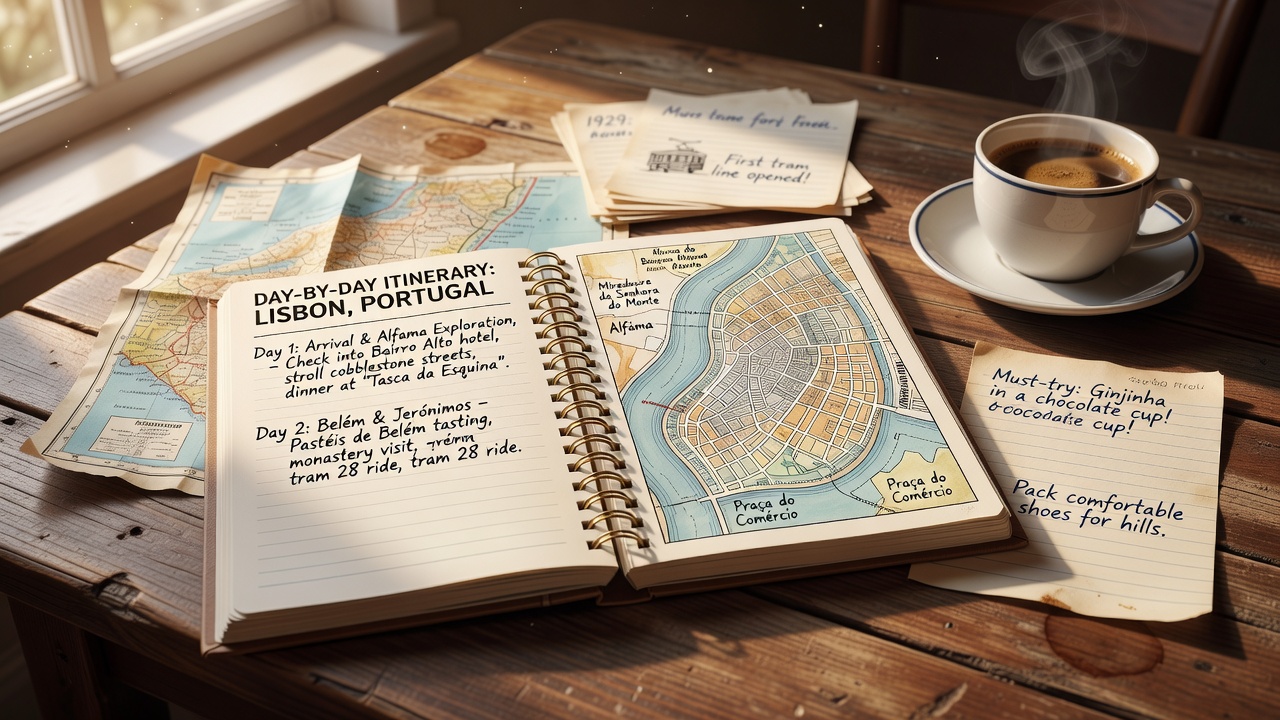
Creating a 7-day schedule requires balancing sightseeing with rest to avoid burnout. Begin with arrival and acclimatization on day one, followed by a mix of cultural, culinary, and relaxation activities. Include buffer time for unexpected delays or spontaneous discoveries. For example, a sample itinerary for Lisbon might start with neighborhood exploration and end with coastal relaxation, allowing travelers to adjust based on energy levels and interests.
Sample 7-Day Itinerary: Lisbon, Portugal
Day 1: Arrival, check into accommodation, and gentle walk through the historic Alfama district to adjust to local time. Focus on light meals and early bedtime. Day 2: Explore Belém with its famous monastery and tower, followed by trying local pastries. Day 3: Take a scenic train to Sintra for palace visits amid lush forests. Day 4: Head to the beach town of Cascais for ocean views and fresh seafood. Day 5: Join a guided food tour highlighting traditional Portuguese dishes. Day 6: Visit museums in the Bairro Alto area and enjoy evening fado music. Day 7: Free morning for last-minute shopping or coffee before airport transfer. This structure provides variety while keeping daily travel distances short.
Sample 7-Day Itinerary: Tokyo, Japan
Day 1: Arrive and settle in Shinjuku, with an evening stroll through neon-lit streets. Day 2: Visit the historic Asakusa district and Senso-ji Temple. Day 3: Explore modern Shibuya and Harajuku for youth culture and shopping. Day 4: Day trip to Mount Fuji for scenic views and onsen relaxation. Day 5: Tour the Imperial Palace gardens and nearby museums. Day 6: Experience Tsukiji Outer Market for sushi and street food. Day 7: Morning at a park before departure. These examples demonstrate how to layer activities logically across a week.
Budgeting Tools and Expense Management Strategies
Effective budgeting starts with categorizing expenses into flights, lodging, meals, transport, and activities. Apps such as Trail Wallet allow real-time tracking on mobile devices, while Splitwise helps groups split costs fairly. Build in a 20% contingency for currency fluctuations or extra experiences. Focus on mid-range hotels or apartments via reputable platforms, and opt for local markets over tourist restaurants for authentic and economical dining. Track everything digitally to stay on target throughout the trip.
Visa Checklists and Essential Documentation
Begin preparations at least three months ahead by verifying passport expiration dates. Most destinations require at least six months validity beyond your return. Compile a checklist including flight confirmations, hotel reservations, travel insurance policy, and emergency contact information. Many countries now provide electronic visa options or visa waivers. Review requirements on authoritative sites like cdc.gov for health-related entry rules and who.int for vaccination guidance. Always carry physical and digital copies of all documents, and register your trip with your embassy for added security.
Transportation Hacks and Navigation Tips
Public transport is often the most efficient choice for first-timers. Download offline-capable map apps and translation tools before departure. Purchase city passes or multi-day transit tickets to save time and money. For airport arrivals, pre-book reliable transfers rather than relying on street taxis. In train-heavy countries like Japan or Portugal, familiarize yourself with station layouts via online tutorials. These hacks reduce confusion and allow more time for enjoyment.
Customization for Various Travel Styles
Tailor your itinerary to personal preferences. Food enthusiasts can insert market visits and cooking workshops, while history lovers might add extended museum stops. Nature-focused travelers can replace one urban day with a national park hike. Budget-conscious planners should prioritize free walking tours and public beaches. Families may want to include kid-friendly attractions and shorter walking segments. This flexibility ensures the trip aligns with your unique interests and pace.
Common Mistakes to Avoid and Smart Planning Alternatives
Many beginners overpack suitcases, leading to mobility issues; instead, use packing cubes and versatile clothing layers. Rigid minute-by-minute schedules cause frustration—build in free afternoons instead. Ignoring jet lag can ruin early days; gradually shift sleep patterns pre-trip. Another pitfall is skipping travel insurance; always secure comprehensive coverage. Comparing these errors with proactive strategies helps create balanced, enjoyable plans that adapt to real-world variables.
Frequently Asked Questions
How do I handle jet lag on my first trip?
Stay hydrated during flights, avoid alcohol and heavy caffeine, and seek natural sunlight upon landing. Short strategic naps combined with light exercise accelerate adjustment. Melatonin supplements may assist some travelers, but consult a doctor beforehand.
What should be on a beginner packing list?
Include comfortable walking shoes, layered clothing for variable weather, a universal power adapter, prescription medications with copies, reusable water bottle, and printed copies of reservations. Limit to carry-on where possible to avoid lost luggage risks.
How can I prepare for emergencies abroad?
Register your itinerary with your home country's embassy program, purchase medical evacuation insurance, and memorize local emergency numbers. Share a detailed itinerary with trusted contacts and keep a list of nearby hospitals or clinics.
Conclusion
With these detailed day-by-day frameworks, destination insights, and practical strategies, your 2026 first international adventure will unfold smoothly and memorably. Start with thorough research, embrace flexibility, and focus on the joy of discovery. Safe travels await as you step confidently into global exploration.


No comments yet. Be the first!