 PlaceBee
Introduction to 2026 Photography Trip Planning
Travel photographers planning trips in 2026 need itineraries that prioritize golden-hour light, seasonal weather patterns, and accessible viewpoints. This comprehensive guide provides detailed day-by-day schedules for mountain, urban, and coastal destinations while addressing gear logistics, packing essentials, and editing tools for on-the-go workflows. Planning ahead ensures photographers capture dynamic images without missing critical lighting moments or facing logistical setbacks.
Successful trips begin with thorough research into local conditions. Photographers should cross-reference sunrise and sunset times with terrain data to maximize dramatic light. Locations like national parks offer reliable access to iconic scenes when timed correctly. In 2026, climate variations may shift optimal windows slightly, so monitoring long-range forecasts becomes essential for adjusting plans dynamically.
Selecting Visually Dynamic Destinations
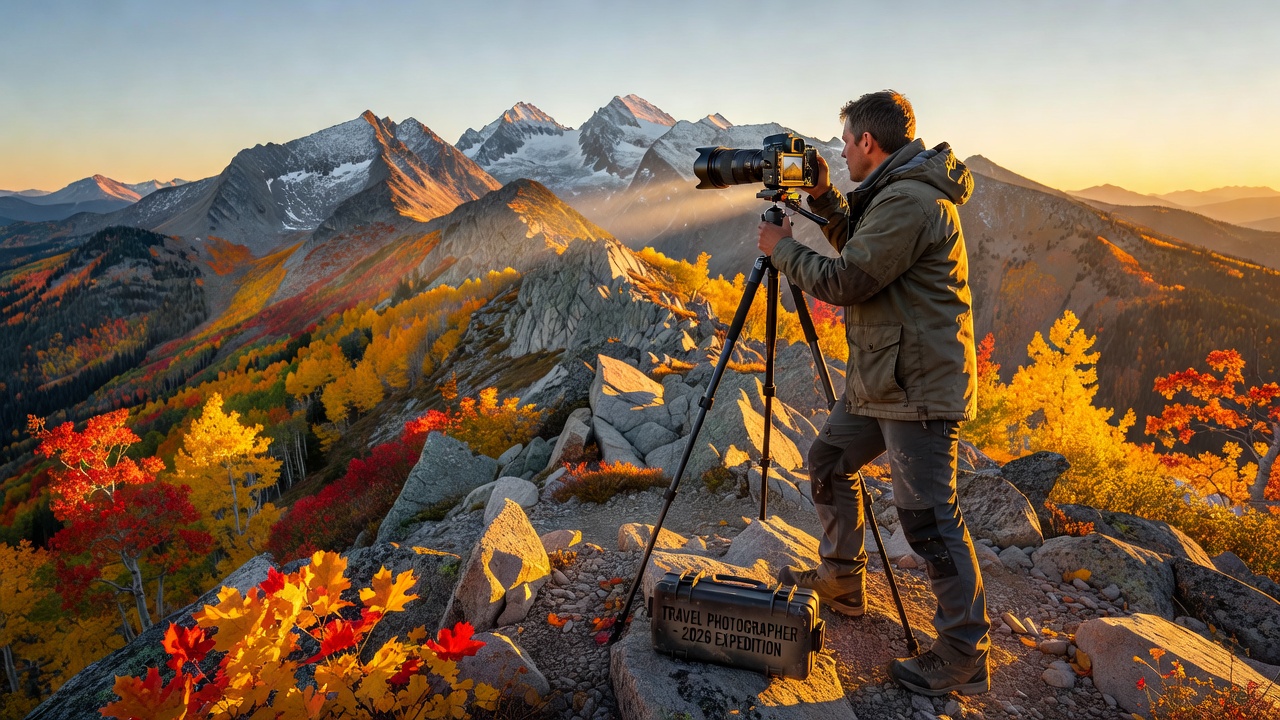
Choose destinations based on seasonal peaks that align with 2026 travel windows. Mountain regions deliver layered compositions with snow or autumn foliage, while urban centers provide architectural symmetry and coastal areas feature reflective water and dramatic skies. Consider accessibility via major airports and permit requirements for protected sites. For example, the Rocky Mountains offer sweeping vistas ideal for wide-angle lenses during fall color changes, whereas Pacific Northwest shores provide misty atmospheres perfect for long exposures.
Compare options by evaluating crowd levels during peak seasons. Early spring or late fall often yields clearer skies and fewer people at popular overlooks. Factor in travel restrictions and infrastructure, such as road closures in high elevations, to avoid disruptions. Destinations with varied microclimates allow multiple shooting styles within a single trip.
Timing Shoots Around Golden Hours and Weather
Golden hour occurs roughly one hour after sunrise and before sunset. In 2026, apps that track solar positions help refine daily plans. Weather apps from National Weather Service provide forecasts for cloud cover and precipitation that influence compositions. Photographers can plan blue hour sessions for cityscapes or use overcast conditions to soften harsh contrasts in landscapes.
Overcast days suit long-exposure seascapes, while clear mornings favor mountain reflections. Build flexibility into schedules to adapt to sudden changes like afternoon thunderstorms common in alpine areas. Tracking humidity and wind speeds further refines decisions on tripod stability and filter choices.
Sample 7-Day Mountain Itinerary: Rocky Mountains
Day 1: Arrive and scout lower elevations for afternoon light while acclimating to altitude. Capture initial test shots of valleys to understand local color palettes. Day 2: Sunrise at a high alpine lake viewpoint using a wide lens for reflections and a telephoto for distant peaks. Day 3: Midday hike to waterfalls with ND filters to blur motion, focusing on specific angles that frame cascades against granite cliffs. Day 4: Golden hour on ridgelines with careful composition to include leading lines from trails. Day 5: Storm chasing for dramatic skies, positioning at safe distances with weather-sealed gear. Day 6: Wildlife sessions at dawn targeting elk or birds in meadows, using burst modes for action. Day 7: Departure with final sunset shoot emphasizing foreground interest like wildflowers.
Each day incorporates rest periods to avoid fatigue while carrying heavy packs. Adjust for seasonal snowmelt that may alter access trails.
Sample 10-Day Urban Itinerary: New York City
Days 1-3 focus on skyline views at sunrise from Brooklyn Bridge, experimenting with different focal lengths to compress buildings. Midweek shifts to street photography during golden hour in Central Park, seeking candid moments near iconic fountains. Later days cover rooftop perspectives and night light trails along the High Line. Include buffer days for rain using covered markets and subway architecture for abstract patterns. Coordinate with local events calendars to capture festivals without disrupting flow, such as street fairs that add vibrant foreground elements.
Practical angles include low vantage points for dramatic perspectives and elevated spots for overview shots. Always scout locations the day before to identify power sources for charging equipment.
Sample Coastal Itinerary: Pacific Northwest Shores
Spread across seven to ten days, prioritize tide tables for sea stacks and tide pools. Morning sessions capture bioluminescence potential while evenings focus on sunset cliffs with graduated filters. Rotate between beaches to vary foreground elements like driftwood and rocks. Specific viewpoints include Haystack Rock for balanced compositions and rugged coves for intimate details of tidal patterns.
Weather here changes rapidly, so daily checks ensure optimal timing for fog or clear horizons. Incorporate hikes between locations to discover lesser-known angles away from main trails.
Gear Logistics Integrated into Daily Plans
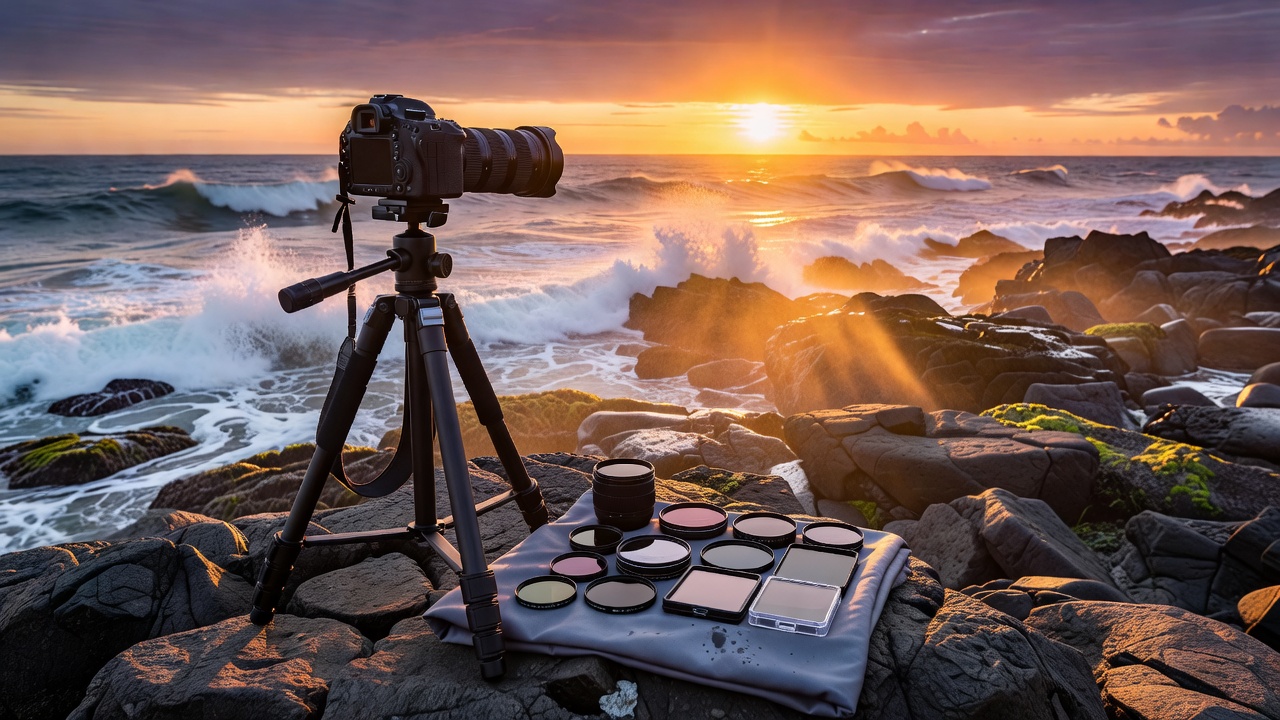
Integrate gear management by assigning specific items to each day's primary focus. Carry a lightweight backpack for hikes with essentials like two bodies, three lenses, and filters, while leaving heavier tripods in vehicles for basecamp returns. Schedule charging sessions during midday breaks using portable power banks. In remote areas, plan for solar chargers to maintain battery life across multi-day treks.
Packing Checklist for Photography Travel
- Camera bodies and versatile lenses (wide, standard, telephoto) with lens hoods
- Tripod, filters including ND and polarizers, and extra batteries with chargers
- Weather-sealed bags, lens cloths, and sensor cleaning kits
- Portable hard drives for backups and memory card cases
- Lightweight clothing layers suited to variable conditions plus sturdy hiking boots
- Headlamp for pre-dawn starts and first-aid supplies
Editing Apps for On-the-Go Use
Lightroom Mobile enables quick culling and color grading on tablets during downtime at cafes or hotels. Capture One supports tethered previews in the field for immediate review. Both integrate cloud syncing for seamless transfer to desktop workflows upon return. Practice batch processing on sample images before the trip to streamline sessions. For more advanced needs, consider apps like Affinity Photo for offline adjustments without subscriptions.
Solo Versus Guided Photo Tours
Solo travel offers flexibility for spontaneous shots but requires self-navigation and safety awareness. Guided tours from reputable operators provide access to restricted areas and expert composition tips. Weigh costs against time saved in scouting, with solo options suiting experienced photographers and guided ones benefiting beginners seeking structured learning. Hybrid approaches allow joining group shoots selectively while maintaining independence.
Conclusion
These 2026 itineraries balance technical photography needs with practical travel logistics. Apply the timing strategies and checklists to create memorable images across diverse landscapes while minimizing common pitfalls like equipment failure or missed light.
FAQs
How do I obtain photography permits? Contact local park offices or land management agencies in advance for drone or commercial use rules. Resources at National Park Service outline requirements by location.
What strategies help avoid crowds? Arrive before official opening times and target shoulder seasons for quieter access to prime viewpoints.
How should I build a post-trip portfolio? Organize images by theme and location, then share selections on professional platforms with detailed captions. Review and cull rigorously to highlight your strongest work from the journey.


No comments yet. Be the first!