 PlaceBee
Introduction to 2026 Stargazing Adventures
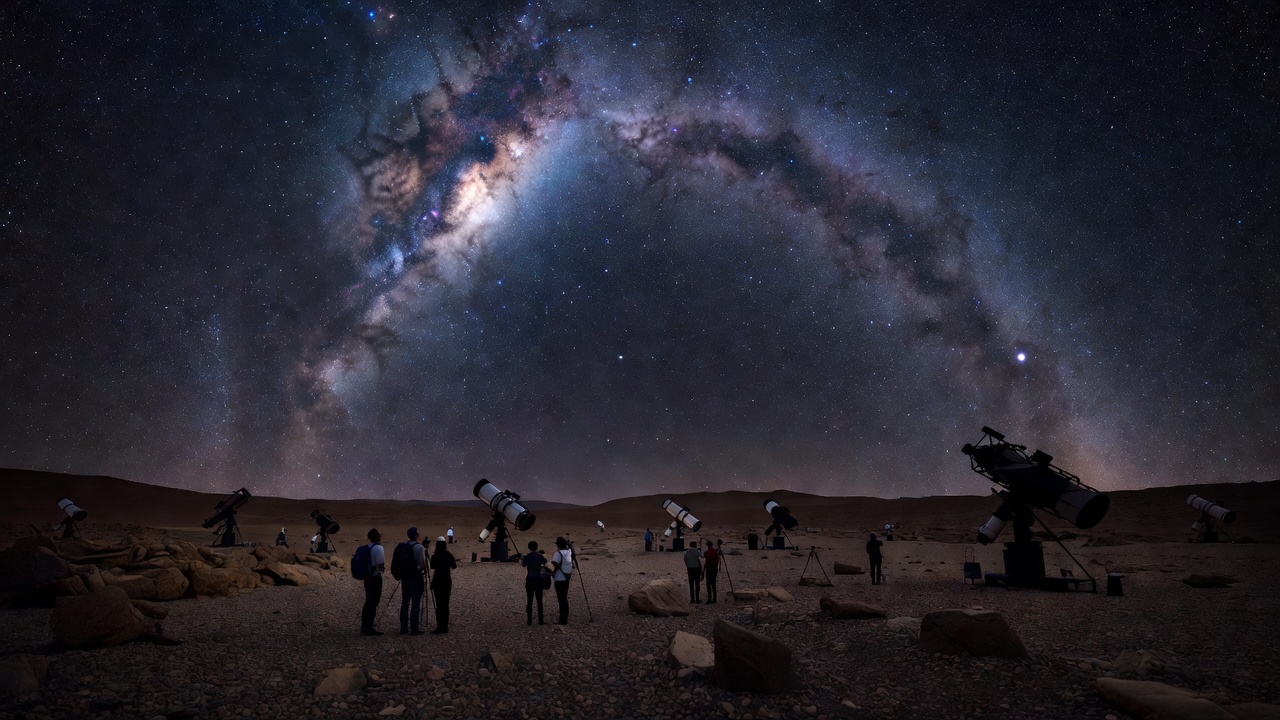
Stargazing trip itineraries for 2026 provide travelers with structured plans that combine daytime adventures and nighttime astronomy sessions. These guides target those seeking specialized astronomy-themed vacations, balancing physical activities like hikes with opportunities to view celestial phenomena under pristine dark skies. Popular destinations include the Atacama Desert in Chile and Utah's national parks, both offering minimal light pollution and unique sky events throughout the year. Planning such trips involves considering seasonal meteor showers, planetary alignments, and weather patterns to maximize viewing conditions. This comprehensive approach ensures beginners can enjoy immersive experiences while learning practical skills like equipment use and photography techniques.
Key benefits include reduced light pollution exposure, guided sessions with experts, and flexible schedules that account for altitude acclimatization or travel fatigue. By following day-by-day outlines, participants avoid common pitfalls such as overpacking or missing peak viewing times. The focus remains on sustainable tourism that preserves dark skies for future generations.
Top Dark-Sky Destinations for 2026
The Atacama Desert stands out due to its high elevation above 2,400 meters, extreme aridity, and distance from major cities, resulting in some of the clearest skies on Earth. Visitors often combine visits to observatories with cultural experiences in San Pedro de Atacama. In contrast, Utah's national parks like Arches, Canyonlands, and Bryce Canyon provide accessible options for North American travelers, featuring dramatic geological formations that serve as stunning foregrounds for night photography. Comparisons highlight Atacama's superiority for southern hemisphere constellations such as the Southern Cross, while Utah offers easier logistics and shorter flight times from major hubs.
Other considerations include seasonal accessibility; Atacama experiences stable weather year-round, whereas Utah sees snow in winter that can enhance or hinder sessions depending on cloud cover. Both locations participate in dark sky preservation efforts, making them ideal for 2026 planning.
7-Day Itinerary for Atacama Desert
Day 1 involves arrival at Calama Airport followed by transfer to San Pedro de Atacama, with afternoon rest to adjust to altitude and a short orientation walk. Day 2 features a sunrise hike to Valle de la Luna for geological insights, followed by an evening introduction to constellations and basic telescope use. Day 3 includes a visit to the El Tatio geysers at dawn, afternoon downtime, and a dedicated Perseid meteor shower observation if timed correctly. Day 4 shifts to cultural sites like the Pukará de Quitor ruins before a group stargazing workshop. Day 5 offers a full-day excursion to the Atacama Salt Flat with flamingo spotting, concluding with Milky Way photography practice. Day 6 provides flexibility for optional hot springs or additional hikes, ending with advanced viewing of deep-sky objects. Day 7 wraps up with a final sunrise session and departure preparations, incorporating buffer time for any weather delays.
10-Day Itinerary for Utah National Parks
Days 1 through 3 center on Arches National Park, starting with arrival in Moab, a ranger-led daytime hike to Delicate Arch, and nighttime sessions focusing on the summer Milky Way. Days 4 to 7 transition to Canyonlands National Park for more remote camping-style viewing, including Island in the Sky overlooks and guided astronomy talks. Days 8 to 10 conclude at Bryce Canyon with rim trails during daylight and amphitheater stargazing at night, allowing time for weather contingencies like indoor alternatives at visitor centers. Throughout, the itinerary incorporates rest days and local cuisine to maintain energy levels.
Gear Recommendations for Beginners
Essential items include red-light headlamps or flashlights to maintain night vision, portable binoculars or entry-level telescopes with tripods, printed or digital star charts, warm layered clothing suitable for temperature drops of 20 degrees or more after sunset, and comfortable camping chairs for extended viewing. Additional recommendations cover power banks for devices, insect repellent, and lightweight snacks. These choices prioritize portability and ease of use, avoiding overly complex setups that could frustrate newcomers. Testing gear at home beforehand ensures smooth integration during the trip.
Seasonal Sky Events in 2026
2026 features notable events such as the Perseid meteor shower peaking in mid-August, the Geminids in December, and potential planetary conjunctions visible in spring months. Checking resources from NASA helps pinpoint exact timings and visibility windows. Aligning itineraries with these periods increases the likelihood of memorable sightings while accounting for lunar phases that might interfere with darker skies.
Light Pollution Avoidance Tips
Travelers should prioritize International Dark Sky Places and consult maps showing bortle scale ratings below 3 for optimal conditions. Avoid scheduling near full moons and use apps to monitor real-time pollution levels. Further guidance is available through International Dark-Sky Association and National Park Service dark sky programs, which emphasize responsible lighting practices and community education.
Booking Timelines and Practical Advice
Secure lodging, guided tours, and transportation at least six to nine months ahead for peak 2026 seasons, especially around major sky events. Include travel insurance covering weather disruptions and consider group sizes for personalized attention. Packing checklists and local regulations on equipment transport round out preparations for a seamless experience.
Photography Tutorials for Night Skies
Begin with camera settings in manual mode: start with ISO between 1600 and 3200, aperture at f/2.8 or wider, and shutter speeds of 15 to 30 seconds to capture the Milky Way without star trails. Use a sturdy tripod, remote shutter release, and focus on infinity. Incorporate foreground elements like rock arches for composition depth. 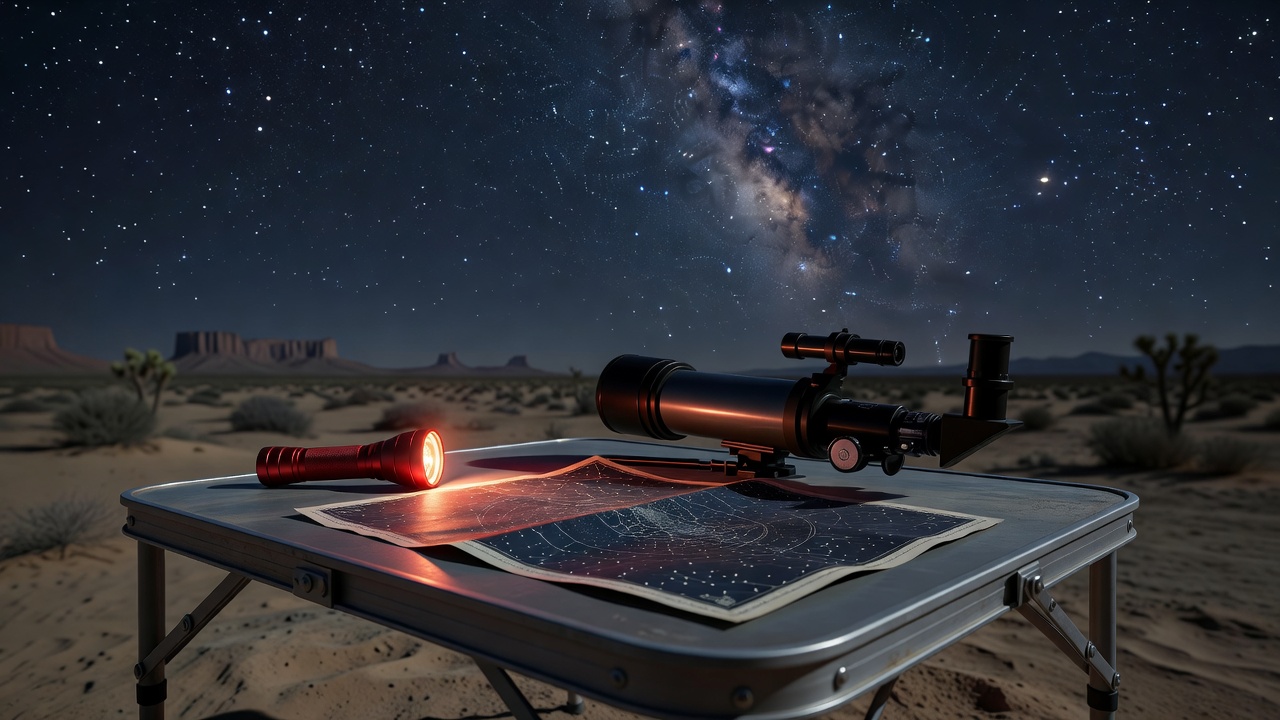
Comparisons and Mistakes to Avoid
Atacama offers unmatched clarity but requires longer international travel, while Utah provides convenience at the cost of occasional seasonal crowds. Common mistakes include neglecting altitude sickness prevention, underestimating cold nights, or failing to book popular viewing spots early. Always verify forecasts and have backup indoor activities planned.
FAQ Section
Is stargazing accessible for all ages and mobility levels? Many programs offer adapted sessions with seating and shorter walks suitable for families and seniors.
What happens if weather turns cloudy? Itineraries include flexible rescheduling, planetarium visits, or educational talks on astronomy history as alternatives.
How far in advance should equipment be purchased? Acquire and test items several weeks prior to departure for familiarity and any necessary adjustments.
Conclusion
These detailed 2026 stargazing itineraries foster meaningful connections with the night sky through balanced schedules, expert tips, and sustainable practices. With thorough preparation, travelers can create lasting memories at premier dark-sky locations while contributing to preservation efforts.
No comments yet. Be the first!