 PlaceBee
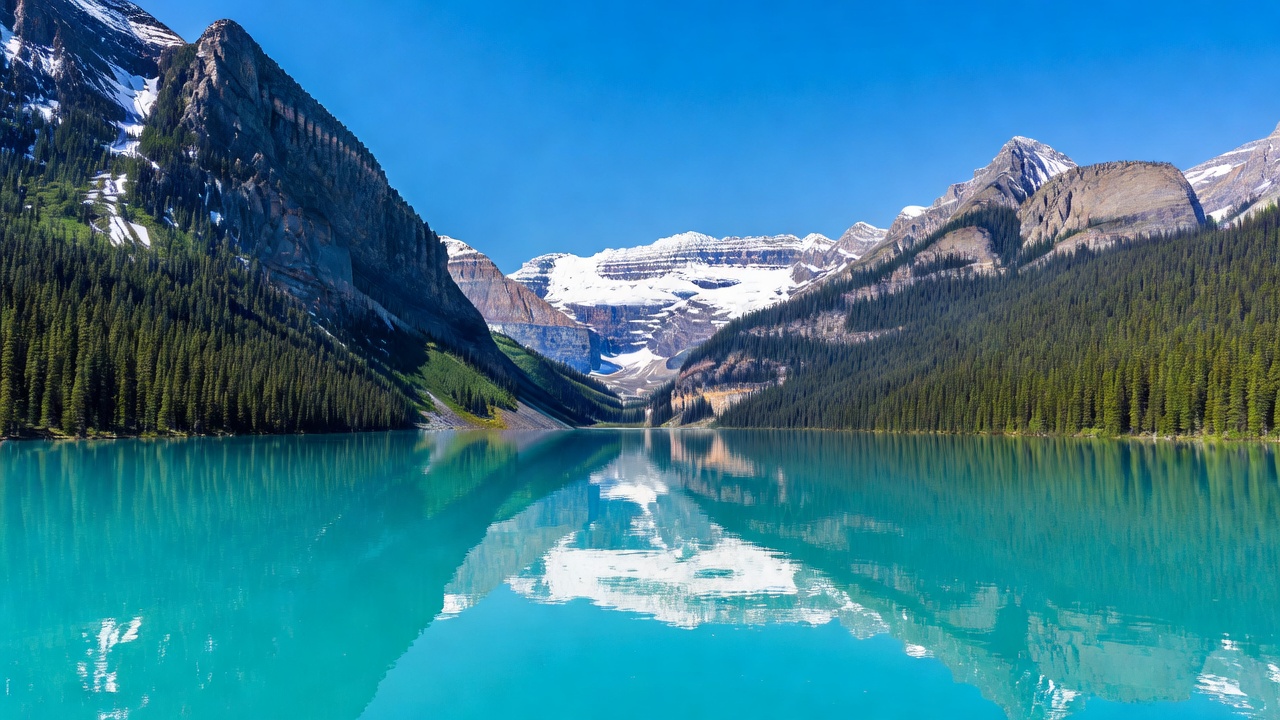
Introduction to Your 2026 Banff to Jasper Adventure
Embarking on a 10-day journey through the Canadian Rockies from Banff to Jasper offers first-time visitors an unforgettable mix of turquoise lakes, towering peaks, and abundant wildlife. This nature-focused itinerary emphasizes scenic drives along the Icefields Parkway and immersive outdoor adventures, perfect for those seeking a balanced vacation without rushing between highlights. The Canadian Rockies provide a pristine wilderness experience that combines accessible trails with dramatic elevation changes, making it ideal for travelers new to mountain exploration. Over the course of ten days, you will traverse Banff National Park, pause at the iconic Lake Louise, and conclude in Jasper National Park, all while enjoying practical daily schedules designed to maximize enjoyment and minimize fatigue.
Planning ahead ensures you can secure lodging and permits efficiently. This guide incorporates lodging tips ranging from town-based hotels to rustic cabins, along with seasonal 2026 weather advice to help you prepare for variable alpine conditions. Whether hiking forested paths, spotting elk along river valleys, or paddling on glacial-fed lakes, the focus remains on creating a memorable and sustainable trip that respects the natural environment.
Why Choose the Canadian Rockies for 2026
The Canadian Rockies stand out for their pristine wilderness and accessible trails. Compared to the busier US Rockies like Yellowstone, this region offers quieter trails and dramatic elevation changes. Travelers often note the superior water clarity in lakes such as Moraine Lake versus similar spots south of the border. The Icefields Parkway itself ranks among the world's most scenic drives, winding past glaciers and turquoise waters that change hue with the light. First-time visitors appreciate the well-maintained infrastructure, including shuttle services and visitor centers that provide maps and safety briefings. Parks Canada manages these protected areas, providing up-to-date trail conditions and permit information essential for planning. Choosing this destination in 2026 allows you to experience shoulder-season tranquility or peak summer vibrancy while supporting conservation efforts through park fees.
10-Day Day-by-Day Itinerary
Days 1-3: Banff Exploration
Arrive in Banff and settle into town. Day 1 focuses on arrival and a gentle hike on the Sulphur Mountain trail for panoramic views of the Bow Valley. Take the gondola up if energy is low, then descend via the boardwalk to spot wildflowers. Day 2 includes a visit to Lake Minnewanka for boating or shoreline walks, where you can rent kayaks and observe bighorn sheep on the cliffs. Day 3 covers the Banff Gondola ride again for sunrise if possible, followed by relaxation at the Upper Hot Springs. Each evening, explore downtown Banff's restaurants serving local ingredients like bison and wild berries.
Days 4-5: Lake Louise and Surroundings
Drive to Lake Louise for canoeing and the iconic Fairview Lookout hike. The turquoise waters contrast sharply with the surrounding peaks, creating perfect photo opportunities. Nearby, explore Moraine Lake if accessible by shuttle, enjoying the Valley of the Ten Peaks viewpoint. Practical tip: arrive early to avoid crowds and consider a lakeside picnic. Lodging options range from lakeside resorts to cozy cabins in the area, many offering fireplaces and mountain views ideal for evening relaxation.
Days 6-8: Icefields Parkway Drive
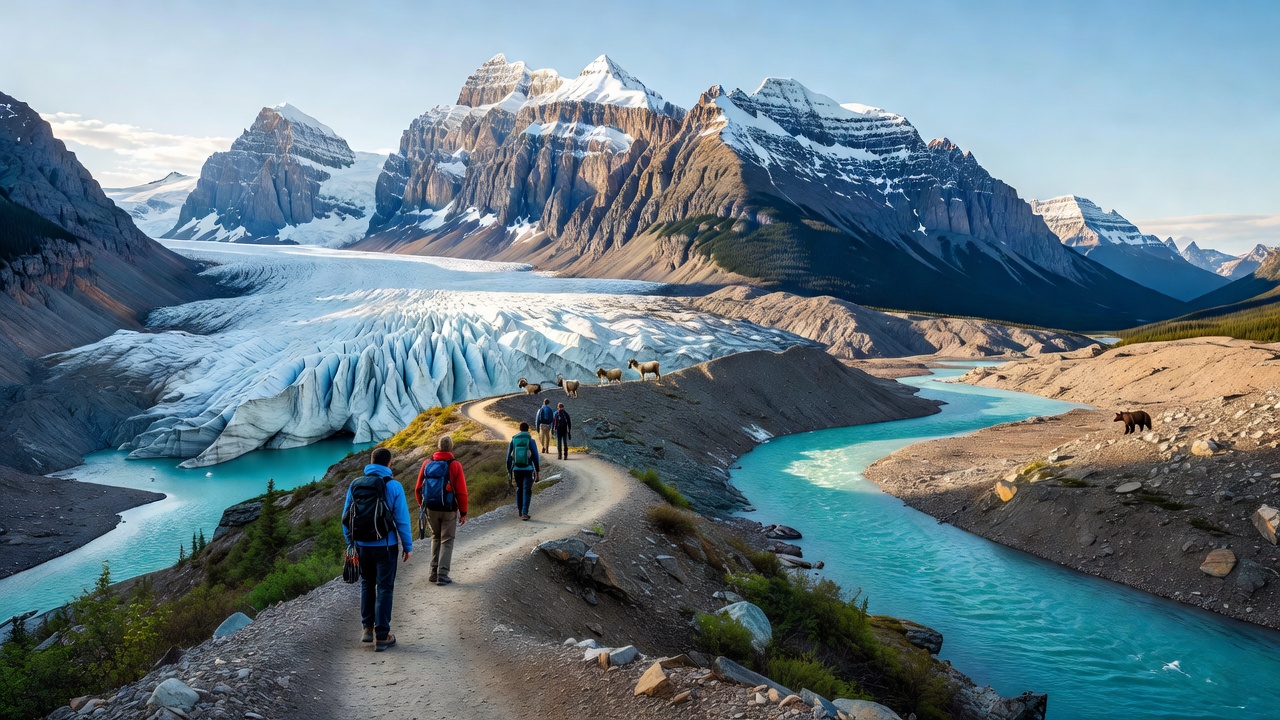
The highlight is the scenic drive north. Stop at Peyto Lake for its distinctive wolf-like shape viewed from the overlook, then continue to the Columbia Icefield for glacier tours via Ice Explorer vehicles. Athabasca Falls provides a powerful waterfall experience with short trails and mist-cooled air. Overnight in the parkway area or continue toward Jasper, stopping at Weeping Wall for cascading water displays. These days include moderate hikes like Parker Ridge for glacier vistas.
Days 9-10: Jasper National Park
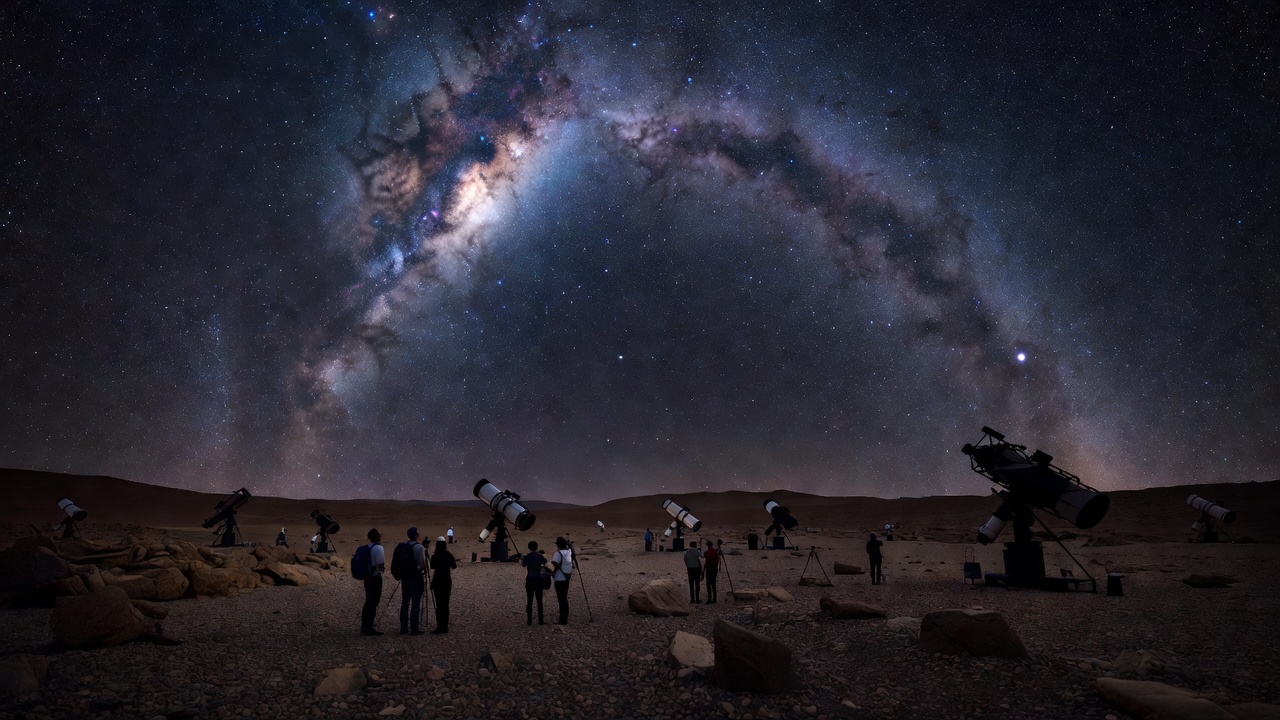
Arrive in Jasper for Maligne Lake cruises and hikes to Mount Edith Cavell. The lake offers boat tours to Spirit Island, a serene spot surrounded by peaks. Day 10 wraps up with wildlife viewing opportunities along the Maligne Valley before departure, perhaps spotting caribou or bears from safe distances. Consider an evening stargazing session in the dark-sky preserve.
Packing List for the Rockies
Preparation is key for comfort across changing elevations and weather. Essential items include layered clothing for variable mountain weather, such as moisture-wicking base layers, insulating mid-layers, and a waterproof shell. Waterproof hiking boots and rain jacket protect against sudden showers common in afternoons. Binoculars for wildlife spotting enhance encounters with elk, deer, and birds without disturbing them. Bring a reusable water bottle and high-energy snacks like trail mix to stay hydrated and fueled on long hikes. A headlamp and first-aid kit prove invaluable for early starts or minor injuries. National park pass documentation should be printed or saved digitally. Additional recommendations include sunscreen, insect repellent, and a camera with extra batteries for capturing the landscapes.
2026 Seasonal Weather Advice
Summer months bring mild days ideal for hiking, with daytime temperatures often reaching comfortable levels and cooler nights. Shoulder seasons like late spring or early fall offer fewer crowds but require preparedness for possible snow even in June or September. Always check forecasts as alpine conditions can shift rapidly, with wind and precipitation varying by elevation. In 2026, monitor Parks Canada alerts for trail closures due to weather or wildlife activity.
Cost Considerations and Budgeting
Plan for lodging, park fees, and activity costs with a focus on value options such as shared shuttles and picnic meals. Booking in advance helps secure better rates for popular experiences like glacier tours and canoe rentals. Consider a mix of camping and hotel stays to manage expenses while enjoying the outdoors.
Comparisons to Similar Mountain Trips
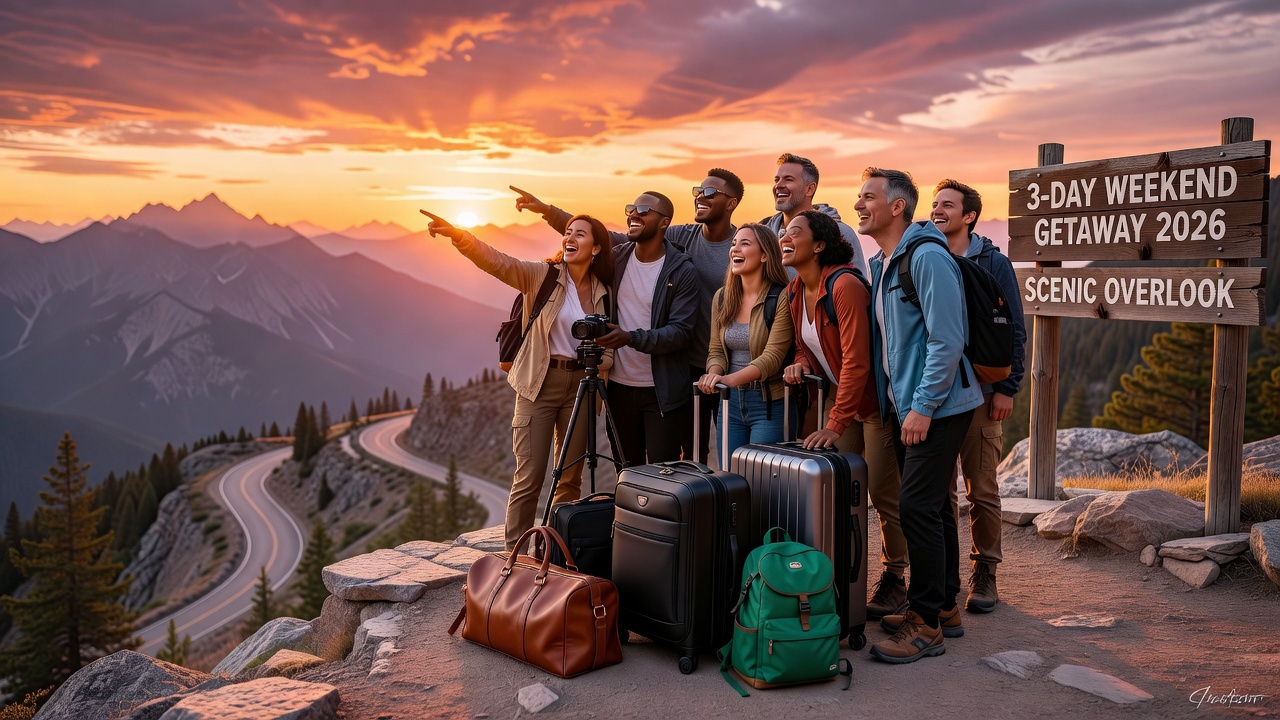
Unlike shorter weekend getaways in the Alps, this itinerary allows deeper immersion over ten days. It also provides more remote trail access than many Colorado mountain routes, where crowds can be denser. The Canadian Rockies excel in water features and glacier proximity compared to the drier ranges in New Zealand's Southern Alps.
Common Mistakes to Avoid
Overpacking daily hikes without rest days leads to fatigue, so build in buffer time. Always respect wildlife distance rules to ensure safety for both visitors and animals. Neglecting to check shuttle schedules or permit requirements can disrupt plans, especially during peak periods.
FAQ on Permits and Wildlife Safety
Do I need permits? A national parks pass is required for entry. Check Travel Alberta for details on purchasing and validity periods.
How to stay safe around wildlife? Maintain at least 100 meters from bears and use bear spray when appropriate, storing food properly to avoid attracting animals.
Are reservations needed? Yes for popular campgrounds and some activities during peak season to guarantee access.
What about backcountry permits? Overnight backcountry trips require additional permits obtained through Parks Canada channels in advance.
Conclusion
This comprehensive Banff to Jasper itinerary sets you up for a rewarding 2026 Rockies adventure filled with natural wonders and practical planning insights that ensure a safe, enjoyable, and memorable experience.
No comments yet. Be the first!