 PlaceBee

Introduction to Efficient 3-Day Weekend Getaways in 2026
Busy professionals and families often seek quick escapes that deliver both relaxation and meaningful exploration without requiring extended time off work. Weekend trip itineraries for 2026 emphasize proximity-based destination selection, flexible transportation choices, and awareness of seasonal highlights to maximize every available hour. Whether you prefer the energy of city lights, the serenity of mountain trails, or the depth of historic streets, these structured 3-day plans help travelers avoid common pitfalls such as overpacked schedules, unexpected weather disruptions, or unnecessary stress from poor logistics. By focusing on destinations within a reasonable travel window, visitors can arrive refreshed on Friday evening and return home Sunday afternoon with lasting memories rather than exhaustion.
Effective planning begins with understanding personal preferences and group dynamics. Solo travelers might prioritize immersive cultural experiences, while families need kid-friendly activities and downtime. Seasonal considerations play a major role in 2026, from spring wildflower blooms to autumn foliage peaks and summer outdoor festivals. This comprehensive guide provides practical breakdowns across three distinct getaway types, supported by transportation comparisons, detailed packing recommendations, budgeting approaches, and strategies for real-time adjustments using modern technology.
Choosing the Right Destination Based on Proximity and Season
Start the planning process by mapping locations accessible within a four-hour travel radius to preserve energy for enjoyment rather than transit. Urban escapes appeal to those craving museums, diverse dining, and vibrant nightlife, while nature-focused trips center on national parks, hiking trails, and outdoor recreation. Cultural getaways highlight heritage sites, local traditions, and artistic communities. For 2026, pay attention to special events such as national park anniversaries, new rail expansions, and regional festivals that can enhance an otherwise standard weekend. Research seasonal weather patterns through authoritative sources to align your trip with optimal conditions and avoid peak crowds where possible. Proximity reduces overall fatigue and allows for flexible adjustments if plans shift unexpectedly.
Car vs. Train Travel: Key Comparisons for Weekend Trips
Driving provides unmatched flexibility for spontaneous stops at scenic overlooks or roadside attractions but can lead to parking challenges, toll expenses, and driver fatigue on longer routes. Train travel offers scenic views, opportunities for productivity or relaxation, and direct arrivals in city centers, making it ideal for urban destinations. Consider factors like luggage capacity, group size, and the need for equipment when deciding between options. Trains frequently prove more relaxing for routes under 300 miles, whereas cars excel for remote nature locations requiring gear transport. Hybrid approaches, such as driving to a rail hub, combine the strengths of both methods. Always verify real-time schedules and service updates for 2026 route improvements.
- Pros of car travel: door-to-door convenience, ability to carry bulky items, freedom to detour
- Cons of car travel: traffic delays, parking costs, limited rest time for the driver
- Pros of train travel: comfortable seating, Wi-Fi availability, reduced stress from navigation
- Cons of train travel: fixed schedules, limited stops, potential need for additional local transport
Sample 3-Day Urban Getaway Itinerary
Day 1: Arrival and City Highlights – Check into a centrally located accommodation by early evening, then embark on a self-guided walking tour of downtown architecture and public art installations. Sample local cuisine at neighborhood eateries and unwind with live music at an intimate venue.
Day 2: Museums and Neighborhoods – Dedicate the morning to major cultural institutions, followed by lunch in a historic district. Explore diverse residential areas in the afternoon via public transit and attend an evening theater performance or rooftop gathering.
Day 3: Parks and Departure – Begin with a relaxed visit to a prominent green space or waterfront area for fresh air and reflection before packing up and heading home with minimal time pressure.
Sample 3-Day Nature Getaway Itinerary
Day 1: Trail Exploration – Arrive at your chosen protected area and tackle moderate hiking loops managed by the National Park Service, allowing time to settle into lodging before sunset photography opportunities.
Day 2: Water Activities and Views – Engage in kayaking, scenic drives, or ranger-led educational programs, concluding with stargazing sessions away from city lights.
Day 3: Sunrise and Return – Rise early for sunrise viewpoints and a final short walk before departing refreshed.
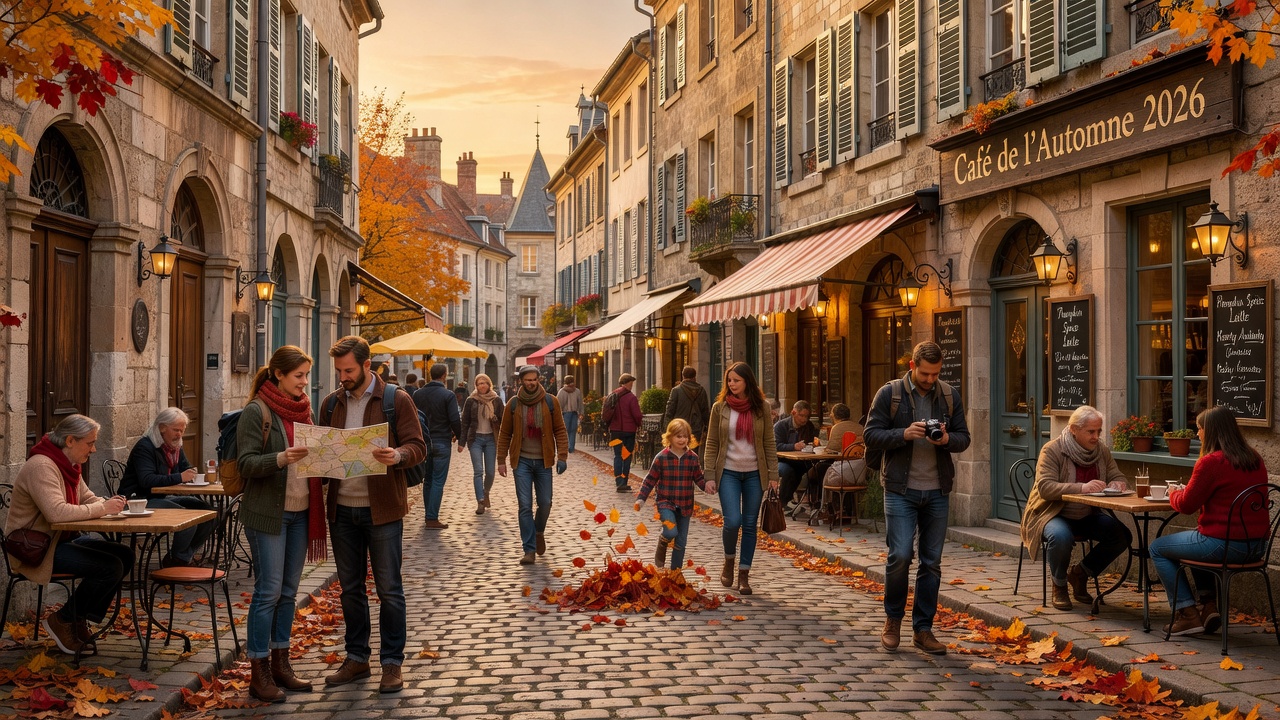
Sample 3-Day Cultural Getaway Itinerary
Day 1: Historic Districts – Join guided tours of landmarks and sample regional specialties while learning about local history and traditions.
Day 2: Museums and Performances – Spend extended time in art and history collections, attend workshops if available, and enjoy evening live performances that showcase regional talent.
Day 3: Markets and Reflection – Browse artisan markets for meaningful souvenirs and enjoy a leisurely final meal before returning home.
Practical Packing Lists for 3-Day Trips
Thoughtful packing prevents last-minute stress and ensures comfort across varying activities. Focus on versatile, lightweight items that serve multiple purposes.
- Layered clothing suitable for temperature shifts, including a light rain jacket and comfortable walking shoes
- Compact daypack for daily essentials and a portable charger with backup power banks
- Travel documents, identification, and printed confirmations stored in a waterproof pouch
- Reusable water bottle, healthy snacks, and any required medications or toiletries in travel sizes
- Optional items such as binoculars for nature trips or a small notebook for journaling experiences
Budgeting Tips and Cost-Saving Strategies
Maximize value by booking accommodations and experiences during mid-week windows when demand is lower. Prioritize public transit passes or walking routes in cities to minimize transportation expenses. Allocate resources toward meaningful activities like guided tours or special exhibits rather than excessive souvenirs. Track spending daily using simple mobile tools to stay within planned limits and identify opportunities for adjustments. Consider off-peak dining times or picnic lunches prepared from local markets to stretch resources further while maintaining enjoyment.
Common Mistakes to Avoid on Short Getaways
Over-scheduling every minute leaves no room for spontaneous discoveries or rest. Neglecting to check weather forecasts can result in unpreparedness for sudden changes. Failing to confirm reservations in advance may lead to unavailable experiences during busy periods. Ignoring local regulations, such as park entry requirements or dining reservations, can disrupt an otherwise smooth trip.
Frequently Asked Questions on Extending Short Plans
How can I extend a 3-day trip into a longer break? Incorporate remote work capabilities or combine two nearby destinations for a seamless four- or five-day itinerary with minimal additional planning.
What if weather disrupts outdoor plans? Prepare indoor alternatives such as museums, galleries, or covered markets in advance and monitor forecasts closely.
Are these itineraries suitable for families with children? Yes, by scaling activity levels, including playground stops, and allowing extra downtime between major attractions.
How far in advance should bookings be made for 2026? Reserve popular accommodations and experiences at least six to eight weeks ahead during peak seasons to secure preferred options.
Optimizing Plans with Apps for Real-Time Adjustments
Contemporary travelers benefit from mobile applications that provide live traffic updates, weather alerts, and instant reservation modifications. Mapping tools help reroute around delays, while translation apps assist with language barriers in cultural destinations. Expense trackers and digital wallets streamline payments, and notification systems alert users to sudden closures or limited-time offers. Integrating these resources allows seamless pivots that keep 2026 getaways enjoyable and stress-free regardless of minor disruptions. With careful preparation and flexible tools, any weekend transforms into a rejuvenating escape balancing discovery and essential rest.

No comments yet. Be the first!