 PlaceBee
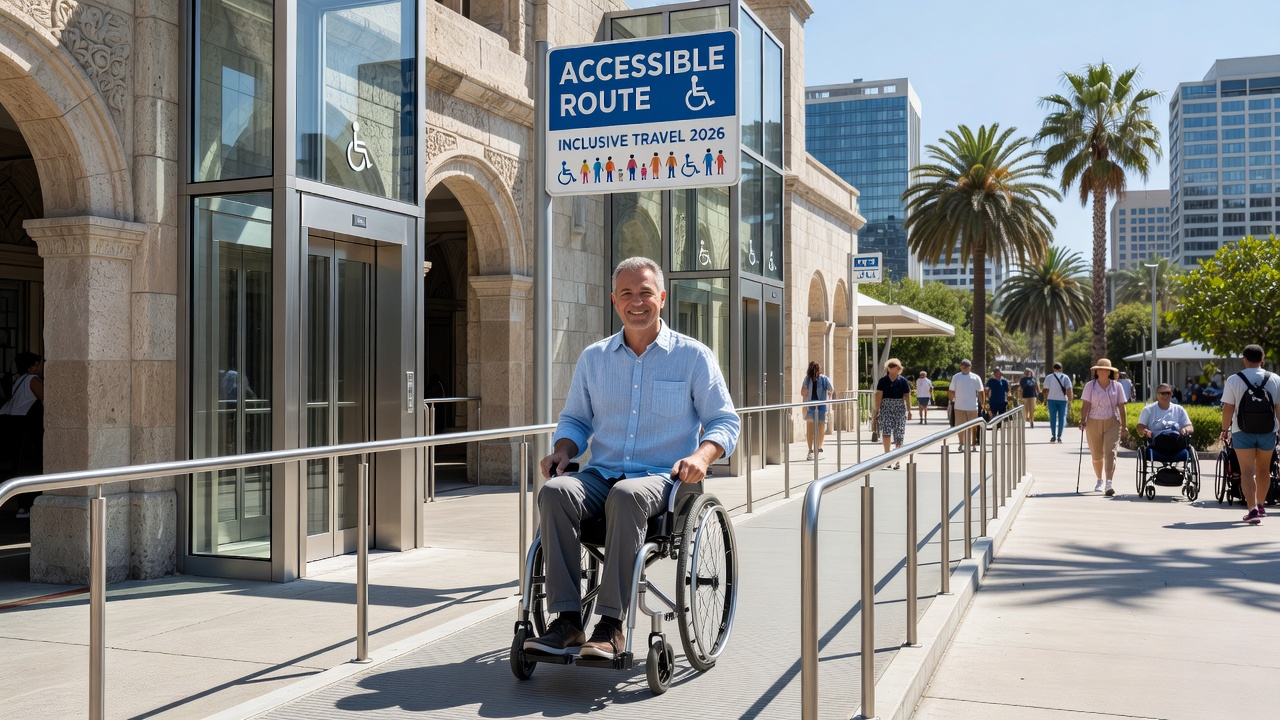
Introduction to Accessible Travel Planning in 2026
Travelers with mobility needs are increasingly seeking inclusive vacation experiences that prioritize accessibility without sacrificing enjoyment. This comprehensive guide provides wheelchair-friendly day-by-day itineraries tailored for 2026, helping beginners build flexible plans around ramps, elevators, and accessible attractions. Whether exploring urban landmarks or cultural sites, understanding how to evaluate destinations sets the foundation for successful trips. Accessibility has become a core consideration in modern tourism, with more cities upgrading infrastructure to support diverse travelers. By focusing on step-by-step planning frameworks, real-world city examples, and comparisons of travel styles, this resource equips you to create personalized schedules that accommodate varying energy levels and needs. The demand for truly inclusive travel continues to grow as destinations recognize the importance of universal design principles that benefit everyone from wheelchair users to families with strollers.
Planning an accessible trip requires attention to detail at every stage. From initial research to on-the-ground execution, each decision impacts the overall experience. This guide goes beyond surface-level advice by offering concrete examples, decision frameworks, and checklists that have been refined through traveler feedback and industry best practices. Readers will find actionable insights on everything from selecting the right accommodations to handling unexpected challenges during their journey.
Evaluating Destinations for Accessibility
Choosing the right destination begins with thorough research into local infrastructure. Look for cities with strong public commitments to universal design, including wide sidewalks, curb cuts, and reliable elevator access in public buildings. Major hubs like New York, London, and Tokyo often excel here due to ongoing investments in inclusive features. Key factors include the availability of accessible public transport, proximity of attractions to accessible lodging, and local regulations supporting disability rights. Review official tourism websites and accessibility maps before booking. Cross-reference with resources from organizations like the World Health Organization for global standards on inclusive environments. Consider seasonal factors such as weather that might affect mobility, and check for any ongoing construction projects that could temporarily block accessible routes. Destinations with active disability advocacy groups tend to offer better real-time support and updated information on accessible venues.
Selecting Adaptive Transport Options
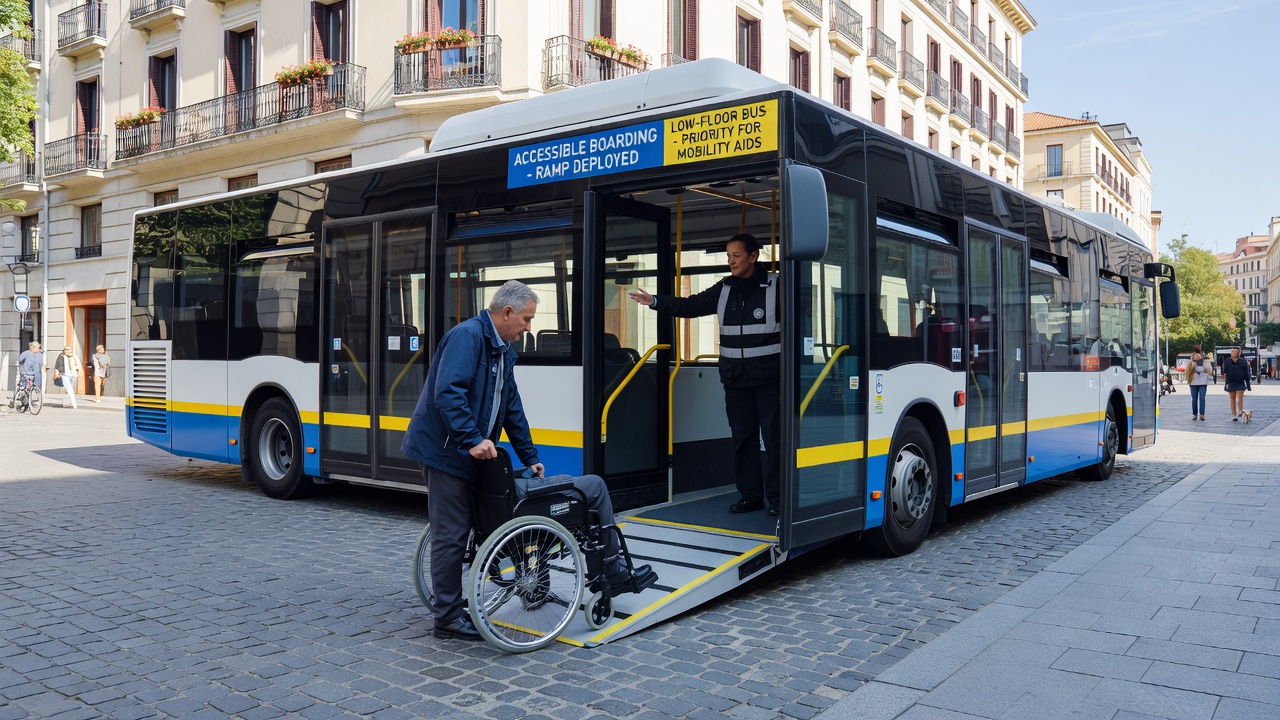
Transportation forms the backbone of any itinerary. Wheelchair users should prioritize options with low-floor vehicles, hydraulic lifts, or designated securement spaces. In many cities, accessible taxis, ride-sharing services with adaptive vehicles, and public transit systems offer reliable choices. For international travel, research airport assistance programs and train services equipped with ramps. Self-planned trips allow flexibility to book private accessible transfers, while guided tours often bundle transport with expert support. Always confirm vehicle specifications directly with providers to avoid last-minute issues. Additional considerations include the weight capacity of lifts, the availability of tie-down systems, and driver training in assisting passengers with mobility devices. Comparing multiple transport providers helps identify the most reliable options for your specific needs, especially when traveling with additional equipment such as portable ramps or spare batteries.
Step-by-Step Planning Frameworks
Build your itinerary using a structured approach: start with core attractions, then layer in rest periods and backup options. Day one might focus on arrival and orientation, while subsequent days alternate high-energy sites with relaxed explorations. Follow these practical steps to create a balanced schedule. Assess personal mobility limits and required assistance levels in advance. Map accessible routes using apps designed for wheelchair navigation. Reserve accommodations with roll-in showers and wide doorways well in advance. Incorporate buffer time for unexpected delays or weather changes. Review emergency protocols, including nearby medical facilities and insurance coverage for mobility equipment. Revisit and adjust the plan after each day based on how your energy levels and preferences evolve during the trip.
Real-World Examples from Major Cities
Consider a sample three-day itinerary in a major European capital. Day 1: Accessible train transfer to the historic district, followed by ramp-equipped museum visits and an evening river cruise with boarding platforms. Day 2: Guided park exploration using paved paths and elevator access to viewpoints. Day 3: Flexible shopping in pedestrian zones with plenty of seating areas. Similar structures apply in North American cities, emphasizing subway elevators and adaptive bus routes. In Asian destinations, focus on high-speed trains with dedicated wheelchair spaces and hotels featuring bilingual accessibility staff. These examples demonstrate how to balance cultural immersion with practical accessibility needs while allowing time for meals at accessible restaurants and downtime in comfortable settings.
Guided Tours vs Self-Planned Options
Guided tours provide curated accessibility and group support but may limit spontaneity. Self-planned trips offer greater customization yet require more preparation. Many travelers combine both: using guided experiences for complex sites and independent time for personal pacing. Weigh factors like group size, customization fees, and cancellation policies when deciding. Guided options often include pre-vetted accessible venues and on-site assistance, making them ideal for first-time accessible travelers. Independent planning rewards those who enjoy researching and adapting plans on the fly, though it demands stronger organizational skills and backup strategies for each activity.
Packing Checklists and Accommodation Reviews
Essential items include portable ramps, extra wheelchair batteries, and adaptive clothing. Review accommodations for verified accessibility ratings, focusing on properties with recent upgrades. Look for features like zero-entry pools and staff trained in mobility assistance. When evaluating hotels, prioritize locations near accessible public transit and request ground-floor rooms or suites with roll-in showers whenever possible. Reading recent guest reviews from other wheelchair users provides valuable insights that official descriptions may overlook.
Cost Considerations and FAQs
Budgeting for accessible travel involves weighing premium services like private transfers against standard options. Focus on value rather than specific figures, prioritizing experiences that minimize stress. Travelers often find that investing in reliable transport and verified accessible lodging reduces overall complications and enhances enjoyment.
Frequently Asked Questions
How do I handle travel insurance? Select policies covering mobility aids and medical evacuations, and declare pre-existing conditions. What about emergency support abroad? Register with local embassies and carry translated medical information. Can itineraries adapt to changing needs? Yes, build flexibility by selecting destinations with multiple accessible alternatives per activity. How early should I book accessible accommodations? Aim for at least three to six months ahead during peak seasons. Are there apps that help locate accessible routes? Several navigation tools now include user-reported accessibility data for sidewalks, entrances, and restrooms. What resources exist for first-time accessible travelers? Organizations focused on disability rights and inclusive tourism offer detailed guides and community forums for sharing experiences.
These strategies ensure rewarding, stress-free journeys in 2026 and beyond. By combining careful evaluation, flexible planning, and the right resources, every traveler can enjoy meaningful adventures tailored to their mobility needs.
Discover more in our detailed travel guides.
Find additional travel tips for accessible journeys.


No comments yet. Be the first!