 PlaceBee

Introduction to 2026 Weekend Getaways
Frequent flyers understand that weekend getaways in 2026 demand precise planning to maximize limited time. These short escapes allow professionals and travelers to recharge without long absences from work or family. Drawing from years of experience crossing continents on tight schedules, experts emphasize integrating technology, loyalty programs, and flexible mindsets. This comprehensive guide explores advanced strategies for optimizing short trips, from insider booking tactics to destination vetting and multi-climate packing. Whether you seek urban adventures or nature retreats, applying these insights ensures efficient, memorable 48-hour journeys that feel longer than they are.
Insider Booking Tactics for Short Trips
Successful weekend planning begins weeks ahead with layered booking approaches. Frequent flyers set price alerts across airline apps, hotel platforms, and aggregators simultaneously to capture flash sales. They cross-reference official carrier sites with comparison tools to uncover unadvertised fares or bundle deals. Loyalty members often access exclusive windows for early booking or upgrades. Timing bookings for mid-week releases can yield better availability for popular spots. Additionally, consider flexible date searches within a three-day window to identify optimal departure and return slots that minimize time lost to travel. Building a personal database of past successful bookings helps identify patterns in pricing and availability for recurring destinations.
Time-Saving Transit Options: Rail Versus Flight
Choosing between rail and flight hinges on distance, schedule flexibility, and total door-to-door time. For routes under 400 miles, rail travel frequently outperforms flights by eliminating airport security lines and offering city-center stations. High-speed services provide reliable schedules with ample legroom for productivity or rest. Flights excel for longer hauls but require factoring in two-hour pre-flight arrivals, potential delays, and ground transfers. Frequent flyers recommend checking real-time apps for both options and factoring in seasonal disruptions like weather. Hybrid approaches, such as flying out and returning by rail, can balance speed and comfort. Explore Amtrak routes for efficient rail connections that complement air travel. Always compare total costs including baggage and transfers rather than base fares alone.
Seasonal Timing Adjustments and Destination Vetting
Adjusting travel windows to shoulder seasons avoids peak crowds and inflated demand while still enjoying pleasant weather. Vet destinations thoroughly by cross-checking official travel advisories, local event calendars, and climate averages. Tools that aggregate user reviews and crowd density data help identify hidden gems without overwhelming popularity. Frequent flyers prioritize locations with strong infrastructure for quick arrivals and departures. Consider time zone shifts carefully, as even small differences can erode valuable hours on short trips. Research visa requirements or entry protocols in advance through resources like U.S. Department of State travel information to prevent last-minute complications.
Packing for Multi-Climate Jaunts
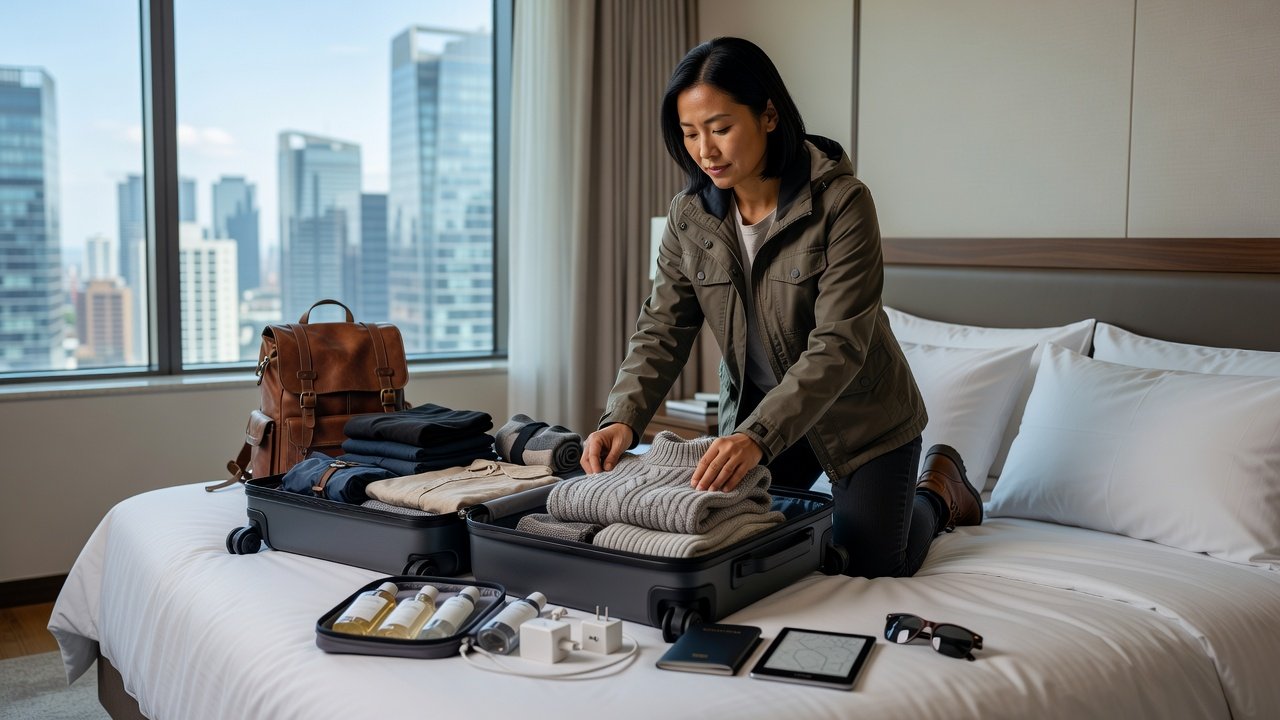
Efficient packing transforms rushed trips into seamless experiences. Focus on versatile, layered clothing that adapts to temperature variations between departure and destination points. Include quick-dry fabrics, compact jackets, and modular accessories like scarves that serve multiple purposes. Limit footwear to two pairs maximum and use packing cubes for organization. Always prepare for unexpected rain or heat with lightweight protective items. A well-curated carry-on reduces stress at security checkpoints and speeds up hotel check-ins.
3 Case Study Examples of Successful 48-Hour Trips
Case Study 1: New York to Montreal by Rail – A frequent flyer departed Friday evening via high-speed rail, arriving refreshed for a full Saturday of culinary exploration and architecture tours. Return Sunday afternoon allowed integration of loyalty points for complimentary upgrades. Key success factors included pre-booked reservations and a flexible itinerary with buffer time for minor delays.
Case Study 2: Los Angeles to Las Vegas Flight Hack – Early morning departure using integrated app notifications for gate changes enabled a full day of activities. The traveler combined airline loyalty status with hotel partnerships for express check-in and late checkout. Evening return flight maximized Sunday leisure while avoiding rush-hour traffic on both ends.
Case Study 3: Chicago to Nashville Hybrid Route – Combining a short flight with rail segments optimized time and cost. Seasonal timing targeted mild spring weather for outdoor festivals. Packing included adaptable layers for variable conditions, and app-based loyalty redemptions covered meals and transit, creating a low-stress escape focused on music and food scenes.
Step-by-Step Checklists for Flawless Execution
Follow this expanded checklist to cover all bases. Four weeks prior: Research destinations, set price alerts, and review loyalty balances. Three weeks prior: Book primary transit and accommodations with flexible cancellation options. Two weeks prior: Finalize secondary activities and download offline maps plus translation apps. One week prior: Confirm weather forecasts, assemble packing list, and arrange pet or home care. Day before: Check flight or train status, charge devices, and print backup documents. Day of departure: Allow extra buffer for transit, use digital boarding passes, and track real-time updates via integrated apps. Post-trip: Log expenses and experiences to refine future plans.
App Integrations and Loyalty Hacks
Modern travelers leverage app ecosystems for superior results. Sync airline apps with hotel loyalty programs and ground transport services to unlock stacked rewards like priority boarding or room upgrades. Digital wallets streamline payments and boarding while reducing physical items carried. Explore partnerships between carriers for seamless point transfers. Frequent flyers hack systems by monitoring status challenges or targeted promotions that accelerate elite qualification. Integrate calendar apps with booking confirmations to visualize schedules and avoid overlaps. These integrations turn fragmented bookings into cohesive, rewarding experiences.
FAQ: Addressing Common Pitfalls
How do you handle unexpected weather surprises?
Monitor forecasts multiple times daily through reliable apps and maintain flexible backup plans with indoor alternatives. Pack adaptable layers and check CDC travel health resources for region-specific advisories.
What strategies prevent budget overruns on short trips?
Pre-set spending limits per category and use expense-tracking apps synced to loyalty accounts. Book essentials early and reserve discretionary funds for spontaneous finds.
How to manage time zone fatigue effectively?
Adjust sleep schedules gradually in the days before travel and prioritize hydration and light meals during transit.
Are loyalty programs still worthwhile for weekend getaways?
Yes, when focused on targeted redemptions and status matches that provide tangible perks like lounge access or free upgrades on short-haul routes.
Conclusion
Mastering 2026 weekend getaways involves blending proven tactics from frequent flyers with emerging technologies. By focusing on detailed planning, smart transit choices, and loyalty optimization, even the busiest individuals can enjoy enriching escapes. Apply these strategies consistently to transform brief weekends into deeply satisfying adventures that recharge body and mind.
No comments yet. Be the first!