 PlaceBee

Unlocking Memorable Escapes with Limited Time
Busy professionals and families often struggle to carve out full vacations, making 3-day weekends the perfect solution for refreshing breaks without burning annual leave. In 2026, strategic planning around public holidays can create extended breaks that feel like mini-vacations. This guide dives deep into identifying prime dates, choosing accessible destinations, optimizing every hour, and avoiding common pitfalls to turn short windows into lasting memories. By focusing on productivity hacks such as precise scheduling and resource-efficient travel, you can transform limited time off into experiences that recharge both mind and body without the exhaustion of longer trips.
Finding the Best 3-Day Weekends in 2026
Start by mapping the calendar for holidays that align with weekends. Federal holidays like Memorial Day, Labor Day, and Independence Day often create natural long weekends when they fall on Mondays or Fridays. Use reliable tools such as timeanddate.com to cross-reference dates and spot clusters where a single day off extends into four days off. Focus on periods with minimal overlap from school schedules or major events to keep crowds manageable. For instance, combining a Friday or Monday holiday with adjacent days off allows seamless departures on Thursday evenings or returns on Tuesday mornings. Additional opportunities arise around holidays like Juneteenth or Columbus Day, which may create mid-week anchors for creative extensions. Review state-specific observances too, as regional holidays can provide extra flexibility for localized escapes.
Choosing Destinations Within 4-6 Hours
Prioritize locations reachable by car, short flight, or overnight train to maximize on-site time. Urban travelers might target nearby national parks or coastal towns, while those in rural areas could head to vibrant cities. Consider factors like seasonal weather, crowd levels, and activity variety—nature lovers may prefer mountain trails, whereas culture seekers opt for historic districts. Real-world examples include New Yorkers escaping to the Catskills for hiking or Chicago residents driving to Lake Michigan shores for relaxation. Always verify drive times or flight durations during peak periods to avoid delays eating into your limited hours. Factor in accessibility features, local event calendars, and seasonal attractions to ensure the destination matches your goals for either adventure or pure downtime. Comparing options side-by-side using maps and travel apps reveals hidden gems that fit the tight time frame perfectly.
Optimizing Transport for Maximum Efficiency
Book early morning flights or overnight trains to reclaim daytime hours for exploration. Apps that track dynamic pricing help secure seats without overspending. For road trips, plan departures after rush hour and use apps for real-time traffic. Overnight options like sleeper trains save on hotel costs while advancing your journey. Factor in buffer time for security and connections, especially during holiday rushes. Compare modes carefully: driving offers flexibility for stops but adds fatigue, while flights speed up long distances yet require strict timing. Consider alternatives like rideshares or regional buses for budget-conscious travelers seeking to minimize stress. Always check for service disruptions in advance and have backup routes ready.
Packing Strategies for Minimal Luggage
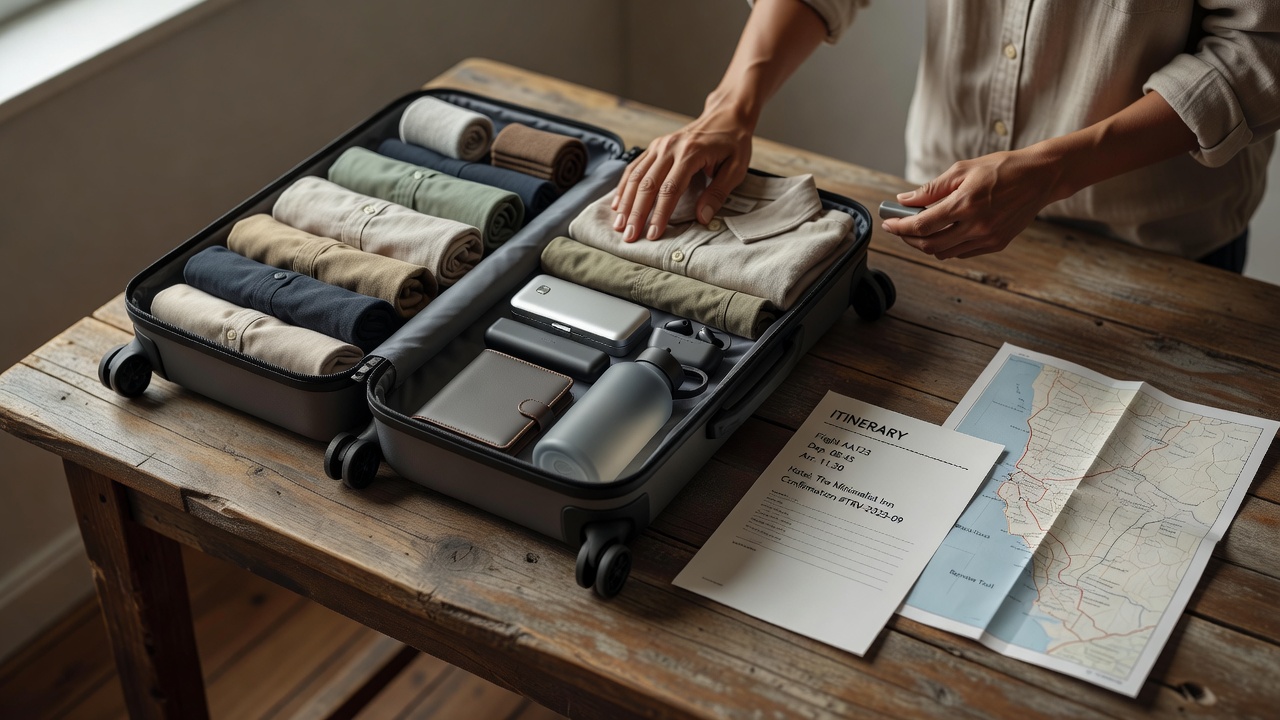
Adopt a capsule wardrobe approach with versatile, wrinkle-resistant layers suited to your destination's climate. Limit to a carry-on only to skip baggage claim lines. Include multi-use items like a lightweight jacket that doubles as a pillow and quick-dry clothing. Create a master packing list tailored to activities—hiking boots for adventure or smart-casual attire for city exploration. This reduces stress and ensures you travel light for spontaneous detours. Roll clothing items to maximize space and use packing cubes for organization. Include essentials like a portable charger, reusable water bottle, and basic first-aid kit. Test your packed bag at home to confirm weight compliance and ease of movement through airports or train stations.
Cost-Saving Booking Timelines and Itinerary Structuring
Secure accommodations and transport 4-8 weeks ahead for optimal rates, monitoring for flash sales. Structure days with a mix of high-energy mornings and relaxed afternoons to prevent burnout. Alternate adventure blocks with downtime, such as a morning hike followed by an afternoon spa session. Build in flexibility for weather changes by having indoor backup plans. Track price trends using aggregator sites and set alerts for drops. Layer activities logically so travel between sites is minimal, preserving energy for enjoyment rather than logistics.
Step-by-Step Planning Checklist
- Review 2026 holiday calendar and block potential dates two months in advance.
- Research 3-5 destinations within your travel radius and compare pros/cons using reviews and maps.
- Book transport and lodging during mid-week for better availability and lower demand.
- Compile digital and printed copies of reservations and emergency contacts.
- Prepare a daily itinerary with built-in buffers and activity alternatives for each day.
- Pack using the one-bag rule and test luggage weight limits before departure.
- Notify key contacts of your plans and set out-of-office replies well ahead of time.
- Confirm all bookings 48 hours prior and download offline maps for the destination.
Real-World Examples of City-to-Nature Transitions
Consider a Seattle resident heading to Mount Rainier for a quick nature reset: depart Friday evening by car, hike Saturday, and return Sunday with time for local dining. Similarly, Boston-based adventurers might fly to Acadia National Park for coastal trails, using early flights to extend trail time. These transitions highlight how proximity enables deep immersion without long-haul fatigue. Another example involves Los Angeles travelers reaching Joshua Tree National Park via a short drive, balancing stargazing with urban return logistics. Each case demonstrates the value of pre-planned transitions that blend exploration with efficient returns.
Mistakes to Avoid on Short Escapes
Common errors include over-scheduling every minute, which leads to exhaustion, or neglecting weather contingencies that force last-minute scrambles. Underestimating travel time between activities can erode relaxation time, while forgetting digital detox boundaries keeps work stress alive. Always double-check visa or entry requirements even for domestic trips, and avoid impulse bookings that bypass cancellation flexibility. Learning from these pitfalls ensures smoother, more rewarding experiences.
FAQ: Addressing Common Pitfalls
What if weather disrupts plans?
Always have indoor alternatives like museums or spas booked as backups. Monitor forecasts closely the week before and adjust activities accordingly.
How do I handle work emails during the escape?
Set clear boundaries with an auto-reply and delegate urgent tasks beforehand to maintain true disconnection.
Are group trips or solo better for short escapes?
Solo offers flexibility; groups require more coordination but enhance shared experiences. Choose based on your energy levels and goals.
How far in advance should I book for best rates?
Aim for 4-8 weeks out, but watch for last-minute deals on flexible platforms if your schedule allows.
What essentials should never be left behind?
Always pack medications, chargers, identification, and a basic itinerary printout for offline reference.
Conclusion: Turning Short Breaks into Big Wins
With thoughtful preparation around 2026 calendars, efficient transport, and streamlined packing, 3-day weekends become powerful tools for renewal. Apply these hacks consistently to build a habit of frequent micro-adventures that boost productivity and well-being year-round.


No comments yet. Be the first!