 PlaceBee
Introduction to Birdwatching Weekend Getaways in 2026
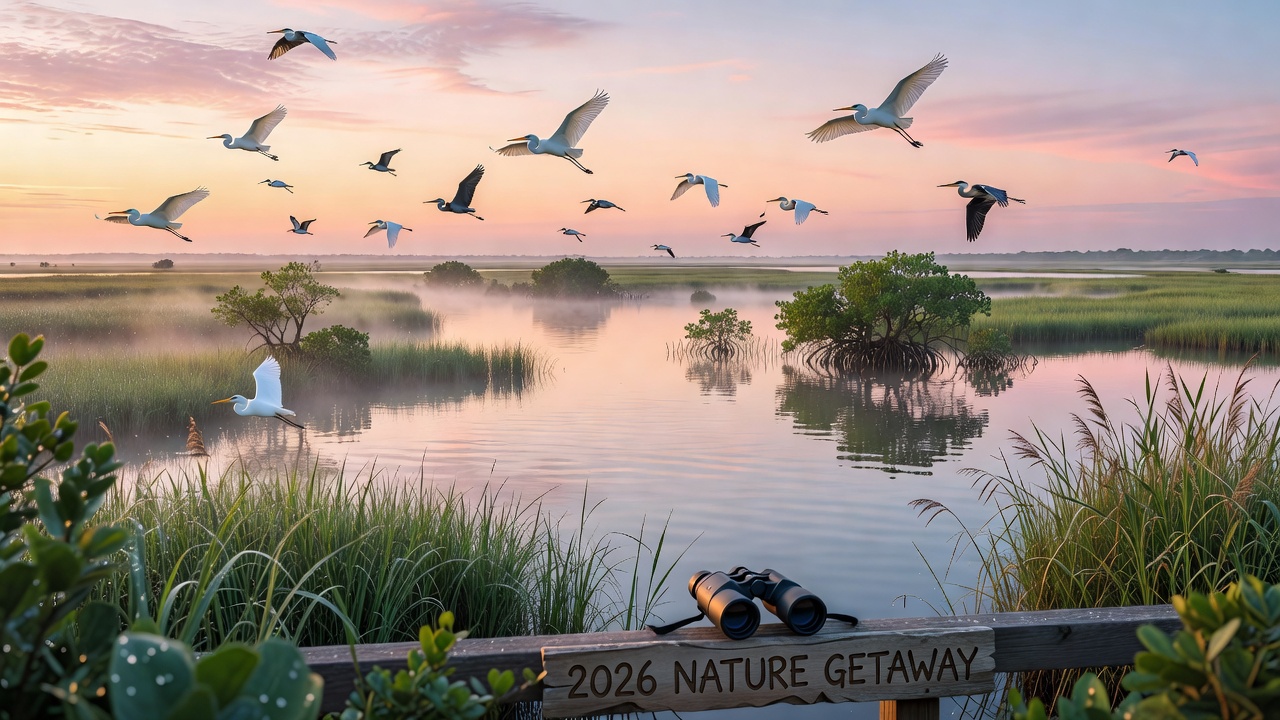
Birdwatching offers a peaceful way to connect with nature during short escapes from daily routines. In 2026, shifting migration patterns continue to draw enthusiasts to accessible spots perfect for weekend trips. These destinations emphasize quick travel times under four hours from major hubs, allowing nature lovers to immerse themselves without long commitments or extensive planning. Focus on sustainable practices ensures these habitats remain vibrant for future visitors and supports ongoing conservation efforts amid changing climates.
Whether you're a beginner or seasoned birder, planning around seasonal bird arrivals enhances every moment spent in the field. Expect warblers in spring migrations, raptors during fall passages, and waterfowl present year-round at prime wetland locations. This guide dives deep into practical details to help you maximize short getaways while respecting wildlife and local environments.
Top Birdwatching Destinations for 2026 Weekends
Here are ten standout spots ideal for short getaways. Each features expected seasonal species based on ongoing migration trends and reliable sighting reports from previous years.
- Cape May, New Jersey (under 3 hours from Philadelphia): Fall brings warblers and shorebirds like piping plovers along the beaches. Spring sees massive songbird influxes through the famous hawk watch platform.
- Point Pelee, Ontario (under 4 hours from Detroit): Spring migration peaks with colorful warblers and orioles arriving in April-May 2026, making it a premier spot for first-time visitors.
- Everglades National Park outskirts, Florida (under 2 hours from Miami): Year-round wading birds including roseate spoonbills thrive in the marshes; winter months add northern ducks and herons.
- Monterey Bay, California (under 2 hours from San Francisco): Pelagic species like shearwaters and alcids appear in summer 2026 boat-accessible areas.
- Chincoteague, Virginia (under 3 hours from Washington D.C.): Snow geese and shorebirds dominate fall migrations across the refuge islands.
- Santa Ana National Wildlife Refuge, Texas (under 4 hours from Austin): Tropical migrants like green jays and Altamira orioles arrive in spring along the Rio Grande.
- Horicon Marsh, Wisconsin (under 2 hours from Milwaukee): Sandhill cranes and waterfowl gather in large numbers during fall staging periods.
- Acadia National Park area, Maine (under 4 hours from Boston): Seabirds and warblers appear during spring and fall along rocky coastlines.
- Ramsey Canyon Preserve, Arizona (under 2 hours from Tucson): Hummingbirds and trogons frequent the canyons in spring and summer 2026.
- Bombay Hook National Wildlife Refuge, Delaware (under 2 hours from Philadelphia): Shorebirds and snow geese fill the impoundments during peak fall migration.
Entry fees at these sites remain modest to support conservation without creating barriers for weekend travelers. Always verify current access conditions and any temporary closures before departure.
Packing Essentials for Birdwatching Trips
Prepare thoughtfully to maximize enjoyment and minimize stress during your limited time. Key items include quality binoculars with 8x42 magnification for clear distant views, a field guide or digital app like eBird for quick identification support, comfortable layered clothing suitable for changing weather, sturdy hiking boots with good traction, broad-spectrum sunscreen, effective insect repellent, and a reusable water bottle to stay hydrated on trails. A lightweight backpack keeps hands free while carrying a spotting scope if desired. Download offline maps and species checklists in advance to handle areas with poor connectivity. Additional practical additions include a notebook for logging sightings, a headlamp for early morning starts, and portable snacks that produce no waste.
Guided Tours Versus Self-Guided Hikes
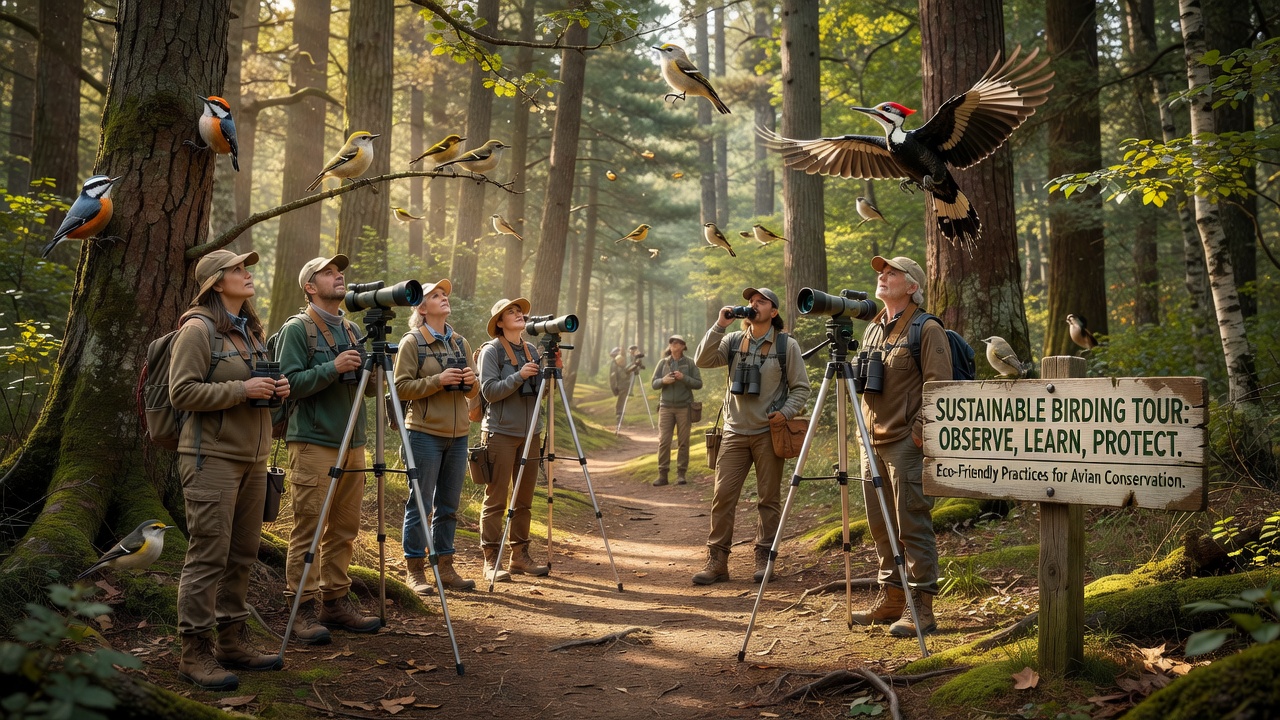
Guided tours provide expert insights into bird behavior, vocalizations, and local ecology, making them ideal for beginners who want to learn calls and habitats quickly from experienced leaders. Participants often gain access to restricted areas and receive real-time tips on where to find elusive species. Self-guided hikes offer flexibility and solitude, suiting experienced watchers who prefer setting their own pace and exploring at leisure. Weigh options based on your group size preferences, learning goals, and comfort level in unfamiliar terrain. Many parks now offer hybrid options combining both approaches to accommodate varying skill levels and schedules.
Practical Steps for Planning Around Migration Patterns
Step 1: Research peak migration windows using resources from the Audubon Society to align your dates with expected arrivals. Step 2: Book accommodations early near hotspots since popular weekends fill quickly. Step 3: Monitor weather apps and radar for optimal viewing conditions such as calm winds and clear skies. Step 4: Align trips with full moon phases when nocturnal migrants become more active and visible at dawn. Step 5: Build in buffer time for unexpected sightings, trail conditions, or sudden weather shifts that could extend your stay productively. Step 6: Review recent eBird reports for the specific location to target recent hotspots. Step 7: Coordinate with local birding clubs for community events or shared rides that enhance the experience.
Beginner-Friendly Tips and Identification Strategies
Start with common species like robins or cardinals before tackling challenging warblers. Focus on key field marks such as wing bars, eye rings, and tail patterns rather than trying to memorize every detail at once. Practice with apps that play calls and songs to train your ear during downtime. Join local bird walks to build confidence and learn from others. Always prioritize safety by staying aware of surroundings and avoiding overexertion on uneven terrain.
Sustainable Practices for Responsible Birdwatching
Adopt leave-no-trace principles by staying strictly on designated trails and minimizing noise to avoid disturbing nesting birds. Support local economies through eco-certified lodges and guides who follow ethical standards. Avoid flash photography near nests or sensitive areas and report any observed disturbances to park rangers immediately. These steps protect fragile ecosystems while preserving the magic of 2026 sightings for future generations of nature enthusiasts.
Short FAQ on Permits and Ethics
Do I need permits? Most public sites require only standard entrance fees; some private refuges request advance registration for larger groups or special access.
What are the ethics around approaching birds? Maintain at least 25 feet distance from all wildlife, never use bait or playback to lure birds, and always prioritize the animals' well-being over obtaining photographs.
Are apps reliable for planning? Yes, platforms like eBird provide real-time data from thousands of global contributors and help track trends accurately.
How to handle rare species sightings? Document ethically without publicly sharing exact locations to prevent overcrowding and potential harm to the birds.
What should I do if I encounter closed trails? Respect all closures and seek alternative viewing areas to protect breeding habitats during sensitive periods.
Are there age or experience requirements? Most locations welcome all ages and skill levels, though some guided programs may have minimum age guidelines for safety.
Common Mistakes to Avoid
Many new birders rush between locations instead of lingering quietly in promising spots. Others forget to check tide tables or weather before heading to coastal sites. Overpacking heavy gear can lead to fatigue on short hikes, while neglecting hydration causes unnecessary discomfort. Always double-check park hours and seasonal access changes to prevent disappointment.
Conclusion
Birdwatching weekend getaways in 2026 blend gentle adventure with meaningful conservation. By choosing these accessible spots, following sustainable guidelines, and applying the practical steps outlined above, nature lovers create lasting memories while safeguarding vital habitats. Start planning your escape today to witness the wonders of avian migration up close.


No comments yet. Be the first!