 PlaceBee

Introduction: Quick Escapes in 2026
Planning a weekend getaway in 2026 requires careful consideration of limited time, personal preferences, and practical logistics to maximize enjoyment. Beach and mountain destinations provide contrasting experiences that suit different moods and group dynamics. This in-depth comparison examines travel time, seasonal weather expectations, activity variety, cost considerations, packing strategies, and top locations across the United States and internationally. By exploring real traveler stories, detailed pros and cons, and a clear decision framework, readers can confidently select the ideal short escape that balances relaxation with light adventure.
Weekend trips demand efficiency, so understanding how each environment aligns with your goals prevents disappointment. Whether seeking restorative ocean views or invigorating high-altitude trails, this guide delivers actionable insights for memorable 2026 getaways.
Travel Time and Accessibility Considerations
Accessibility remains the most critical factor for any weekend trip. Beach destinations near major coastal cities or airports often allow quick arrivals via short flights or straightforward highway drives. Mountain locations frequently involve longer scenic routes or transfers but deliver greater seclusion once reached. Practical steps include checking flight schedules mid-week for deals and mapping drive times using reliable navigation apps. For instance, a traveler from the Midwest might reach a Gulf Coast beach in under four hours by car, while reaching a Rocky Mountain trailhead could require an early flight plus a shuttle. Families with young children often prioritize beach proximity to reduce fatigue, whereas solo adventurers may embrace the journey to remote peaks as part of the experience. Always factor in potential delays from traffic or weather when planning tight itineraries.
Seasonal Weather Patterns Expected in 2026
Weather significantly shapes both comfort and activity choices during short escapes. Coastal regions generally maintain milder temperatures with higher humidity and possible brief showers, creating ideal conditions for water-based relaxation. Mountain areas experience sharper temperature drops at elevation and can feature crisp mornings even in shoulder seasons. Monitoring forecasts from the National Weather Service helps anticipate changes. In 2026, shoulder periods like early spring or late fall often provide pleasant conditions at both types of destinations without extreme crowds. Travelers should prepare for variable mountain conditions by layering clothing, while beach visitors focus on sun protection during peak daylight hours. Checking historical climate data for specific regions adds another layer of preparation for enjoyable outings.
Activity Options Tailored for Limited Time
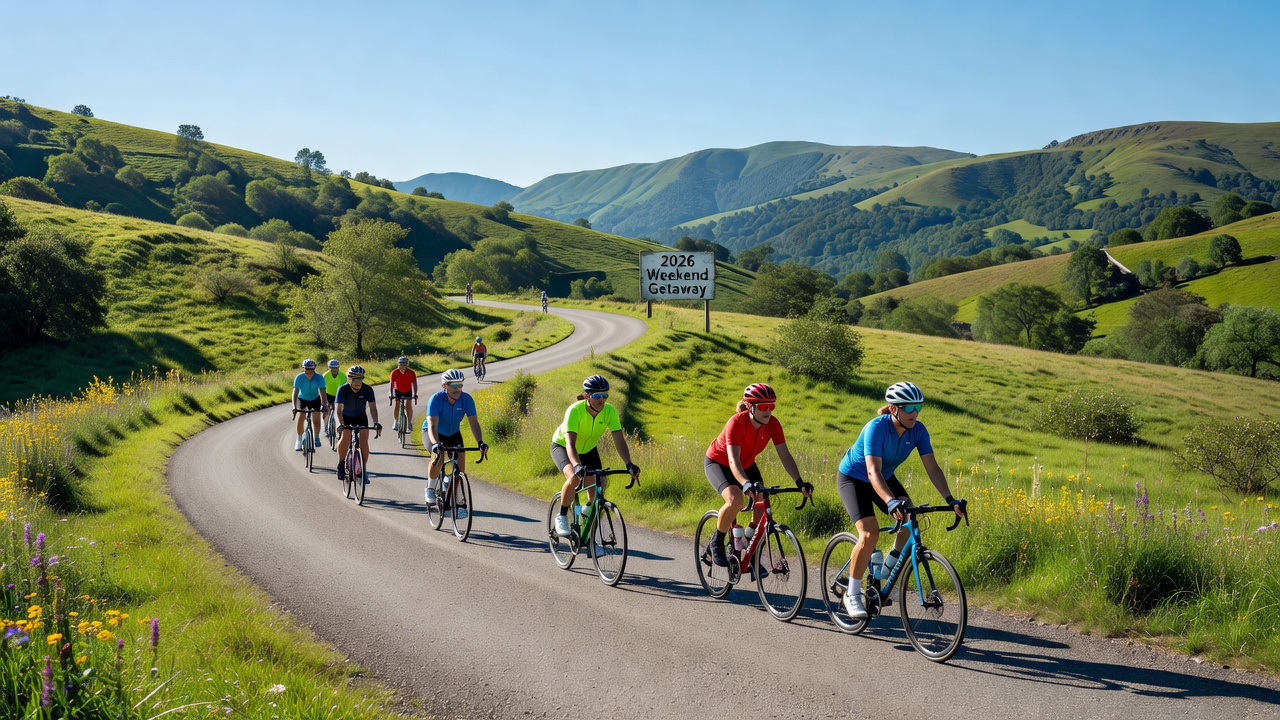
Beach environments excel at effortless relaxation through swimming, beachcombing, and evening strolls along the shore. Mountain settings deliver more active pursuits such as moderate hikes, scenic overlooks, and opportunities for wildlife observation. Balancing these on a short trip involves scheduling one focused activity each day alongside downtime. Practical examples include joining a guided sunrise walk on the sand or reserving a half-day trail pass in the mountains. Many destinations now offer hybrid options where coastal mountains allow both ocean and alpine experiences within driving distance. Groups can mix interests by alternating between water sports and forest paths, ensuring everyone feels satisfied without overextending energy reserves.
Understanding Cost Structures and Overall Value
Evaluating value involves looking beyond base lodging to include transportation, meals, and optional activities. Beach trips may center around shoreline accommodations with convenient dining options, while mountain stays often highlight cabin rentals and access to public lands. Emphasis on off-peak timing and package deals enhances affordability without needing precise current quotes. Travelers benefit from comparing total experiences rather than isolated expenses, such as factoring in free trail access at many mountain parks versus paid beach equipment rentals. Sustainable choices like carpooling or selecting eco-friendly operators further improve long-term value for repeat visitors.
Detailed Packing Strategies for Each Destination
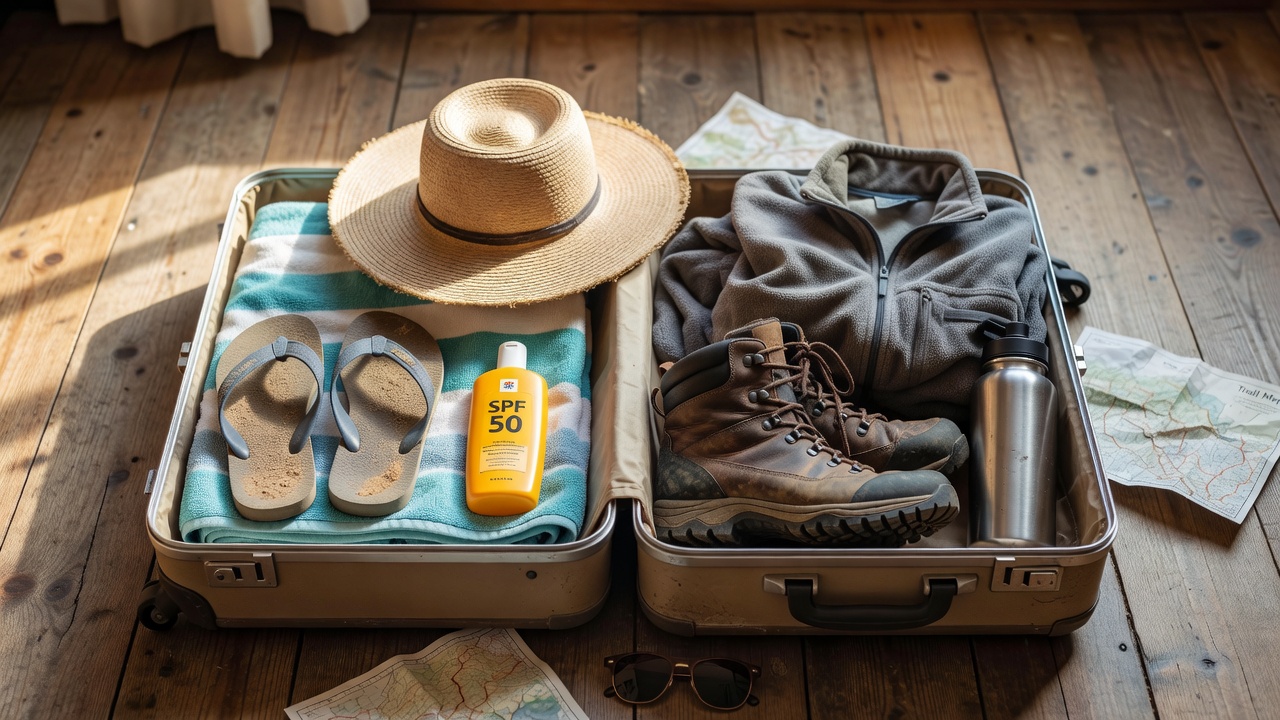
Effective packing prevents last-minute stress and ensures comfort across activities. For beach escapes, prioritize lightweight breathable fabrics, reef-safe sunscreen, quick-dry towels, and supportive sandals. Mountain packing requires moisture-wicking base layers, sturdy hiking footwear, compact rain shells, and a reusable water bottle with purification options. Shared essentials include versatile outer layers, a basic first-aid kit, and portable chargers. Create separate checklists for each trip type and review them 48 hours before departure. Real examples show that overpacking beach bags leads to unnecessary weight, while under-preparing for mountain wind or sudden showers causes discomfort. Adjust lists based on group size and planned intensity of activities.
Recommended U.S. and International Destinations
Standout Beach Locations
Domestic highlights include the Outer Banks of North Carolina for wide sandy stretches and easy driving access, plus the Florida Panhandle for calm waters suitable for families. Internationally, short-haul flights to Caribbean islands provide turquoise waters and resort amenities perfect for quick resets. These spots support a range of water activities without requiring extensive travel days.
Standout Mountain Locations
Within the U.S., the National Park Service network features accessible options like Great Smoky Mountains National Park for diverse trails and Rocky Mountain National Park for dramatic vistas. Internationally, the Swiss Alps or portions of the Andes offer breathtaking scenery reachable via major international gateways. Selecting locations with established visitor infrastructure simplifies logistics for time-constrained travelers.
Comprehensive Pros and Cons Analysis
Beach getaways deliver superior relaxation potential with minimal physical demands but can face higher weekend crowds and limited shade options. Mountain escapes provide stronger adventure elements and cooler temperatures yet require more physical preparation and route planning. Key trade-offs appear in weather stability, where beaches offer predictability and mountains introduce elevation-based variability. A scannable comparison helps clarify choices: relaxation scores higher at the beach, adventure potential favors mountains, and overall crowd management depends on timing. Review these factors against your energy level and travel companions before finalizing plans.
Practical Decision Flowchart
- Assess total available travel time including transit: under four hours total favors beach destinations.
- Identify primary goal: maximum rest points to beach, physical challenge points to mountains.
- Consider group composition: families or couples seeking downtime lean coastal, active friends or solo hikers choose peaks.
- Review current forecasts and adjust accordingly.
- Finalize by confirming lodging availability and backup indoor options.
Real Traveler Stories and Lessons Learned
One family of four switched from a mountain plan to a nearby beach after reviewing rain predictions and enjoyed simpler logistics with young children. A solo professional chose an alpine cabin for focused hiking and returned energized despite the longer drive. Another group combined both environments by staying in a coastal range area, alternating morning trails with afternoon swims for a balanced weekend. These accounts highlight the importance of flexibility and pre-trip research in creating satisfying short escapes.
Health, Safety, and Sustainability Tips
Prioritize safety by carrying appropriate gear and staying hydrated in both settings. The Centers for Disease Control and Prevention offers general travel health guidance applicable to outdoor activities. Practice Leave No Trace principles at beaches and mountains to preserve these natural areas for future visitors. Simple actions like proper waste disposal and respecting wildlife enhance the experience while protecting ecosystems.
Combining Experiences and Last-Minute Booking Advice
Regions with nearby coastal and mountain access allow hybrid weekends when schedules permit. For last-minute reservations, search flexible options on reputable platforms and monitor price alerts. FAQs commonly address merging both environments or adapting to sudden weather shifts through indoor alternatives and layered clothing strategies.
Expanded FAQs
Can I combine beach and mountain activities in one weekend? Certain coastal mountain zones make this feasible with careful day planning and central lodging.
What last-minute booking strategies work best? Book mid-week, stay flexible on exact dates, and use reputable aggregator sites for real-time availability.
How should I balance relaxation and adventure on short trips? Dedicate mornings to active pursuits and reserve afternoons for recovery and light exploration.
Are there eco-friendly options for both destination types? Yes, many parks and resorts now emphasize sustainable practices such as solar power and local sourcing.

No comments yet. Be the first!