 PlaceBee
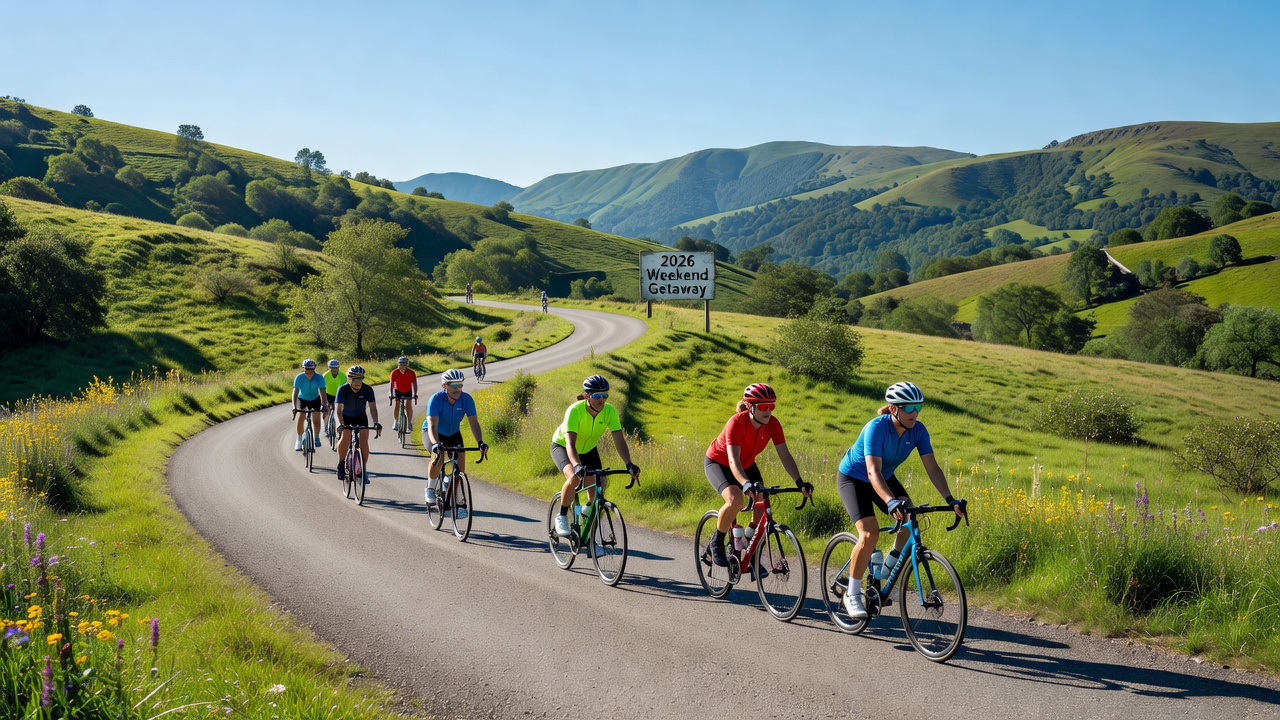
Introduction to Cycling Tours for Weekend Getaways in 2026
Cycling offers an active, eco-friendly way to enjoy quick escapes. In 2026, more travelers are choosing bike-powered weekends to combine fitness with exploration. These short trips suit adventure seekers who want to stay fit while discovering new places without long commitments. The appeal lies in the freedom to move at your own pace, the health benefits of physical activity, and the reduced environmental impact compared to driving or flying for short trips.
Whether you are a beginner or advanced cyclist, planning a 2-3 day getaway requires thoughtful route choices and preparation. This guide covers everything from skill-level routes to essential packing, real destinations, and practical advice. By the end, you will have the tools to plan a memorable cycling adventure that balances challenge with enjoyment.
Benefits of Bike-Powered Getaways
Choosing cycling for your weekend escape delivers multiple advantages. It improves cardiovascular health, builds muscle strength, and boosts mental well-being through time spent outdoors. Unlike passive travel, cycling lets you immerse yourself in landscapes, stopping spontaneously at viewpoints or local markets. It also promotes sustainability by lowering carbon emissions on short journeys.
Many participants report stronger social connections when cycling with friends or joining group tours. The activity encourages mindful travel, helping you appreciate local culture and nature more deeply. For 2026, this trend aligns with growing interest in wellness-focused vacations that integrate movement and discovery.
Selecting Routes for Different Skill Levels
Route selection is key to a successful cycling weekend. Beginners should start with flat, paved paths under 30 miles per day. Intermediate riders can handle rolling hills and 40-60 mile days. Advanced cyclists often seek challenging climbs and longer distances exceeding 70 miles. Factors like elevation gain, road surface, and traffic volume matter greatly. Use digital mapping tools to preview elevation profiles and identify rest stops.
Local cycling clubs and tourism boards often publish verified routes with difficulty ratings. Always verify trail access rules and seasonal closures. Testing a shorter version of your planned route in advance builds confidence and highlights any adjustments needed for the actual trip.
Essential Gear Packing Strategies
Smart packing keeps your trip efficient. Focus on lightweight, multi-use items. A solid helmet, padded shorts, and moisture-wicking layers form the core. Include a repair kit with spare tubes, a mini pump, and multi-tool for on-road fixes. For overnight stays, use panniers or a lightweight rack instead of a heavy backpack. Hydration packs and energy bars support longer rides. Layer clothing for changing weather, and pack a compact rain jacket.
- Helmet, gloves, and sunglasses
- Repair kit, lights, and lock
- Navigation device or printed maps
- Comfortable cycling shoes and extra socks
- Snacks, water bottles, and electrolytes
- Compact first-aid kit and sunscreen
- Phone charger and identification cards
Top Bike-Friendly Destinations Across Regions
Europe offers excellent options like the Netherlands' flat canal paths or France's Loire Valley routes. In North America, consider Vermont's covered bridge trails or California's coastal highways. Australia features scenic paths along the Great Ocean Road. Asia provides unique experiences such as Japan's rural countryside routes near Kyoto. Each destination offers dedicated bike infrastructure, rental shops, and accommodations that welcome cyclists with secure storage and early breakfast options.
Research local events or festivals that coincide with your visit to enhance the experience. Many regions now promote cycling tourism through official apps and maps updated regularly for 2026 travelers.
Comparing Road Versus Mountain Biking Experiences
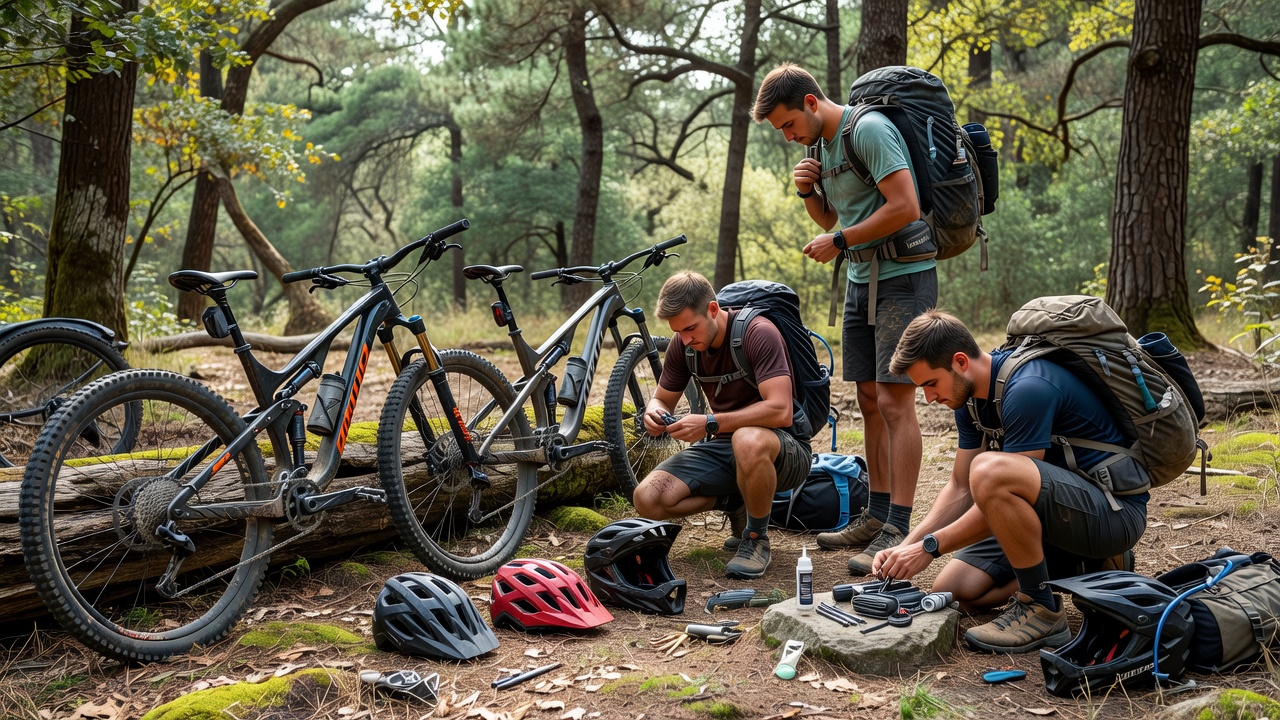
Road biking emphasizes speed and distance on smooth pavement. It suits endurance-focused weekends with scenic countryside views and steady pacing. Mountain biking delivers technical trails and off-road adventure through forests and hills, appealing to those who enjoy varied terrain and skill-building obstacles. Road options often require less specialized equipment while mountain biking demands suspension bikes and additional protective gear such as knee pads.
Consider your personal goals: road cycling excels for distance and scenery, whereas mountain biking provides a more adventurous, nature-immersed challenge. Many destinations offer both options within a short drive, allowing hybrid weekends.
Sample 2-3 Day Itineraries
A beginner itinerary might start in a flat region: Day 1 covers 25 miles to a lakeside town with stops for photos, Day 2 explores local paths and a nearby village market, and Day 3 returns with a short scenic loop. Intermediate plans include 45-mile days with stops at historic sites and lunch at cyclist-friendly cafes. Advanced riders tackle multi-day loops featuring elevation gains and remote trails, incorporating early starts to avoid midday heat.
Always build in buffer time for rest, meals, and unexpected weather. Adjust distances based on group fitness levels and daily energy. These sample plans can be customized using local tourism resources for precise turn-by-turn directions.
Practical Safety and Rental Tips
Safety starts with visibility: use lights and reflective gear. Follow traffic rules and maintain your bike with regular checks. For rentals, choose reputable shops that provide quality helmets and locks. Test the bike before leaving the premises. Carry identification, a charged phone, and emergency contacts at all times. Groups should ride single file on busy roads and use clear hand signals for turns.
Learn basic maintenance like fixing flats before your trip. Ride defensively and stay aware of changing road conditions. Many areas offer free safety workshops through local bike shops or parks departments.
Maintenance on the Road
Regular maintenance prevents breakdowns during your getaway. Clean the chain after wet rides and check tire pressure each morning. Carry a compact multi-tool and know how to replace brake pads or adjust derailleurs. If issues arise beyond your skills, locate nearby bike shops using mapping apps. Planning routes near service points adds peace of mind for longer days.
Beginner-to-Advanced Progression Guide
Start with short local rides to build endurance and comfort on the saddle. Progress to weekend loops, adding distance and elevation weekly. Join group rides for technique tips and motivation. Advanced riders incorporate interval training and hill repeats to improve speed and power. Track progress with cycling apps that log miles and heart rate. Include rest days to prevent overuse injuries. Consistent practice turns novices into confident tour participants ready for more demanding adventures.
FAQ: Common Concerns Like Weather and Maintenance
How do I handle rain during a cycling weekend? Carry waterproof layers and plan indoor alternatives such as museum visits. What about bike maintenance on tour? Pack a basic kit and identify nearby repair shops in advance. Is cycling safe for families? Yes, with child seats, low-traffic routes, and helmets sized properly for everyone. Check forecasts daily and adjust plans accordingly. Clean and lubricate your chain after wet rides to extend equipment life. These steps ensure smooth, enjoyable getaways for all participants.
Conclusion
Cycling tours deliver memorable, healthy weekend escapes in 2026. With proper planning for routes, gear, and safety, any traveler can enjoy bike-powered adventures. Start small, explore new destinations, and embrace the freedom of two wheels. For more on active travel benefits, see World Health Organization resources and National Park Service trail guides. Additional safety information is available from Centers for Disease Control and Prevention.
No comments yet. Be the first!