 PlaceBee

Introduction to Spontaneous Weekend Travel
Planning a weekend getaway at the last minute can feel overwhelming, but with the right strategies, travelers can unlock affordable and exciting escapes even days before departure. This comprehensive guide focuses on practical tactics for 2026, emphasizing apps, price alerts, and flexible search methods tailored to short trips. Whether you're escaping for a quick city break or a nature retreat, these approaches help maximize spontaneity while minimizing stress. Last-minute travel has become increasingly viable thanks to technology that surfaces unsold inventory in real time. By understanding how booking platforms operate and adopting flexible mindsets, anyone can turn an ordinary weekend into a memorable adventure without weeks of preparation.
Leveraging Apps and Alerts for Real-Time Deals
Modern booking apps provide instant access to last-minute inventory. Set up price alerts on platforms like Google Flights or Kayak to monitor drops in airfares for flexible dates. For lodging, apps such as HotelTonight specialize in same-day and next-day reservations, often surfacing hidden discounts on unsold rooms. Enable push notifications to act quickly when opportunities arise. Beyond basic alerts, users should customize notifications based on specific routes or regions. Many apps allow filtering by price drops of 20 percent or more, helping prioritize the best opportunities. Integrating multiple apps creates a robust monitoring system. For example, combining airline-specific apps with aggregator tools ensures no deal slips through. Travelers who master these features often secure better options than those relying on traditional advance bookings.
Choosing Flexible Destinations for Weekend Escapes
Success with last-minute travel often hinges on destination flexibility. Instead of fixating on one city, consider nearby alternatives with strong transport links. Coastal towns or national parks within a short drive or flight tend to have more availability. Resources from National Park Service can help identify accessible outdoor spots ideal for quick visits. Popular flexible choices include secondary cities near major hubs, such as exploring suburbs of well-known destinations rather than the centers themselves. This approach opens up more lodging options and reduces competition for the same inventory. Weather considerations also play a role; checking forecasts for multiple areas allows pivoting to sunnier spots if needed.
Securing Last-Minute Flights and Lodging
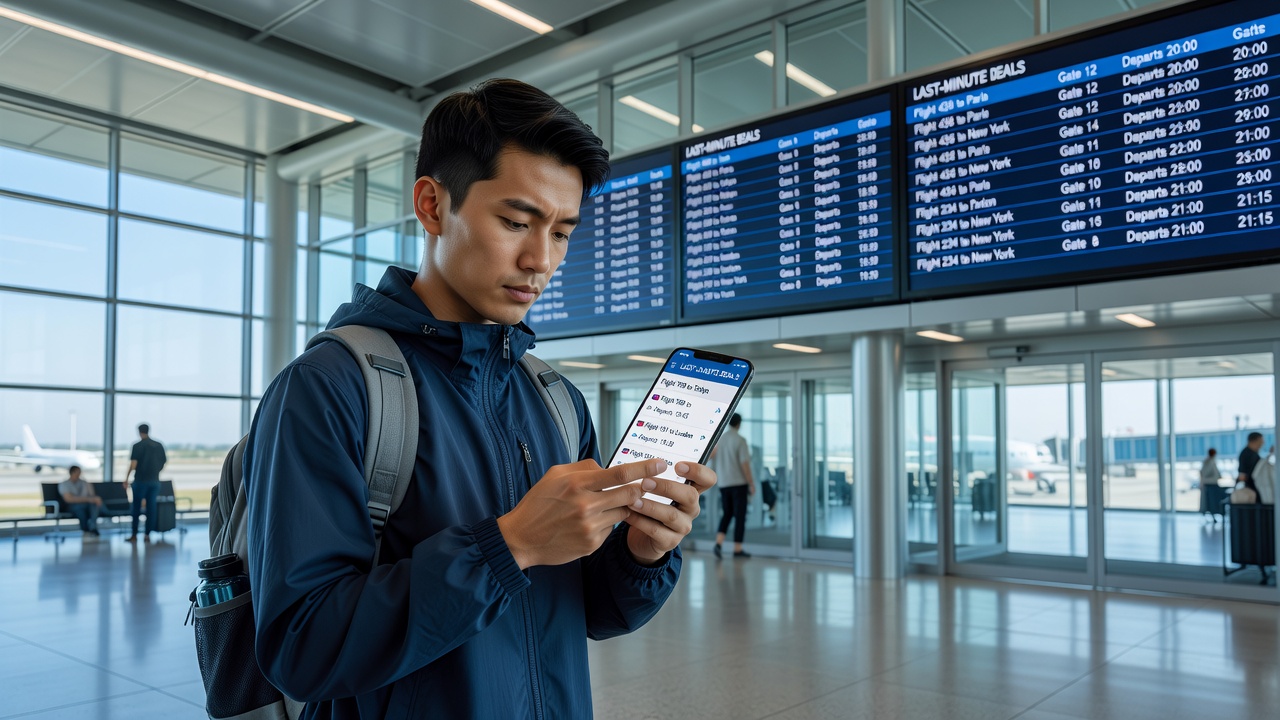
Airlines release seats closer to departure to fill planes, creating windows for deals. Search mid-week departures or red-eye options for better availability. For accommodations, compare hotel chains with loyalty programs that reward flexible bookings. Always review cancellation policies to maintain peace of mind. A practical tactic involves searching for open-jaw itineraries or multi-city options that may reveal cheaper combinations. Lodging strategies include contacting properties directly via their websites for unlisted last-minute rates. Many independent hotels prefer direct bookings to avoid platform fees, sometimes offering upgrades or perks for spontaneous guests. Timing matters too—booking flights early in the week and lodging on Tuesdays or Wednesdays often yields stronger results based on industry patterns.
Packing Efficiently for Quick Escapes
Streamline packing with a versatile capsule wardrobe and multi-use items. Keep a pre-packed toiletry bag and chargers ready. Focus on layers suitable for varying weather, and use packing cubes to organize efficiently. This preparation reduces decision fatigue when time is short. Consider investing in lightweight, wrinkle-resistant clothing that transitions from day to evening activities. Digital packing lists stored on your phone can be updated seasonally and shared with travel companions. Essentials like portable chargers, universal adapters, and a compact first-aid kit should always be prepped. For weekend trips, limit luggage to carry-on only to avoid checked-bag delays and fees associated with rushed airport processes.
Comparing Popular Booking Platforms
- Expedia: Strong for bundled flight-hotel deals and user reviews, with robust mobile search filters.
- Airbnb: Ideal for unique last-minute stays with host flexibility and instant book options.
- Booking.com: Excellent filters for free cancellation options and Genius loyalty discounts.
- Hopper: Uses AI to predict price trends for optimal booking timing and alerts.
- Kayak: Comprehensive price tracking across airlines and hotels with explore map features.
Real-World Examples of Same-Week Success
One traveler secured a mountain cabin booking just 48 hours out by monitoring app alerts, turning an unplanned weekend into a refreshing retreat. Another family found coastal flights at reduced rates through flexible date searches, arriving with minimal hassle. A third example involves a solo professional who used price alerts to book a train-and-hotel package to a nearby cultural festival, enjoying sold-out events after securing lodging through direct hotel outreach. These cases highlight how combining tools with adaptability leads to rewarding outcomes. In each instance, travelers avoided rigid plans and instead embraced options that became available close to the travel date.
Step-by-Step Checklists for Booking
- Define your travel window and maximum budget range while noting any must-have amenities.
- Enable alerts across multiple apps for target routes and nearby alternatives.
- Compare at least three platforms before committing to any single option.
- Confirm transportation and lodging details, including all policies and inclusions.
- Review weather forecasts and adjust packing lists accordingly.
- Finalize packing and departure plans the night before travel.
- Share itineraries with trusted contacts for safety during spontaneous trips.
Common Mistakes to Avoid
Overlooking hidden fees or inflexible dates can derail plans. Always double-check terms, especially during peak periods. Avoid rushing into non-refundable options without backup plans. Another frequent error is failing to verify transportation availability before booking lodging, leading to mismatched schedules. Ignoring loyalty program benefits can also mean missing out on upgrades or points that enhance last-minute experiences. Travelers should also steer clear of over-relying on a single platform, as inventory varies widely between services.
Handling Peak Seasons and Adding Travel Protections
Even in high-demand periods, last-minute success is possible by monitoring mid-week availability and considering shoulder destinations. Adding travel insurance or flexible tickets provides a safety net for unexpected changes. Checking official guidance from sources like Transportation Security Administration ensures smooth airport experiences during busy times. Peak season strategies include prioritizing drive-to locations or off-peak flight times to bypass crowds.
Conclusion
Mastering last-minute booking strategies empowers travelers to enjoy frequent, stress-free weekend getaways throughout 2026. By combining technology, flexibility, and preparation, spontaneous trips become not only feasible but highly rewarding. Start experimenting with alerts today to build confidence for your next escape.
FAQ
What are typical cancellation policies for last-minute bookings?
Many platforms offer 24-48 hour free cancellation windows, but always verify per listing to understand your options.
How does peak season affect availability in 2026?
High-demand periods reduce inventory, so flexibility with destinations and travel days becomes even more critical for success.
Are apps reliable for same-week travel?
Yes, established apps update in real time and often provide the best access to remaining availability.
Should I purchase travel insurance for spontaneous trips?
Insurance is advisable for last-minute bookings to cover potential disruptions like weather or health issues.


No comments yet. Be the first!