 PlaceBee
Introduction
Weekend getaways provide an ideal way to recharge without committing to long vacations, yet many travelers struggle with packing efficiently. This comprehensive guide offers a complete 2026 packing list designed specifically for beginners and frequent travelers seeking practical advice for short escapes. You will discover how to select versatile clothing layers, essential tech gadgets, and multi-use items that adapt to changing scenarios while keeping your bag light. The focus remains on carry-on only strategies that eliminate checked baggage fees and airport delays. Real-world examples drawn from popular domestic destinations illustrate proven approaches, and step-by-step checklists help you avoid common pitfalls. By the end of this article, you will feel confident packing for any weekend trip with everything you need and nothing extra.
Short trips demand thoughtful preparation because space is limited and every item must earn its place. Overpacking leads to heavy bags and forgotten essentials, while underpacking creates last-minute stress. This guide breaks down the process into clear categories so you can customize your list based on destination, season, and activities. Whether heading to a bustling city, relaxing beach, or scenic mountain area, these recommendations scale easily.
Carry-On Only Strategy for Weekend Trips
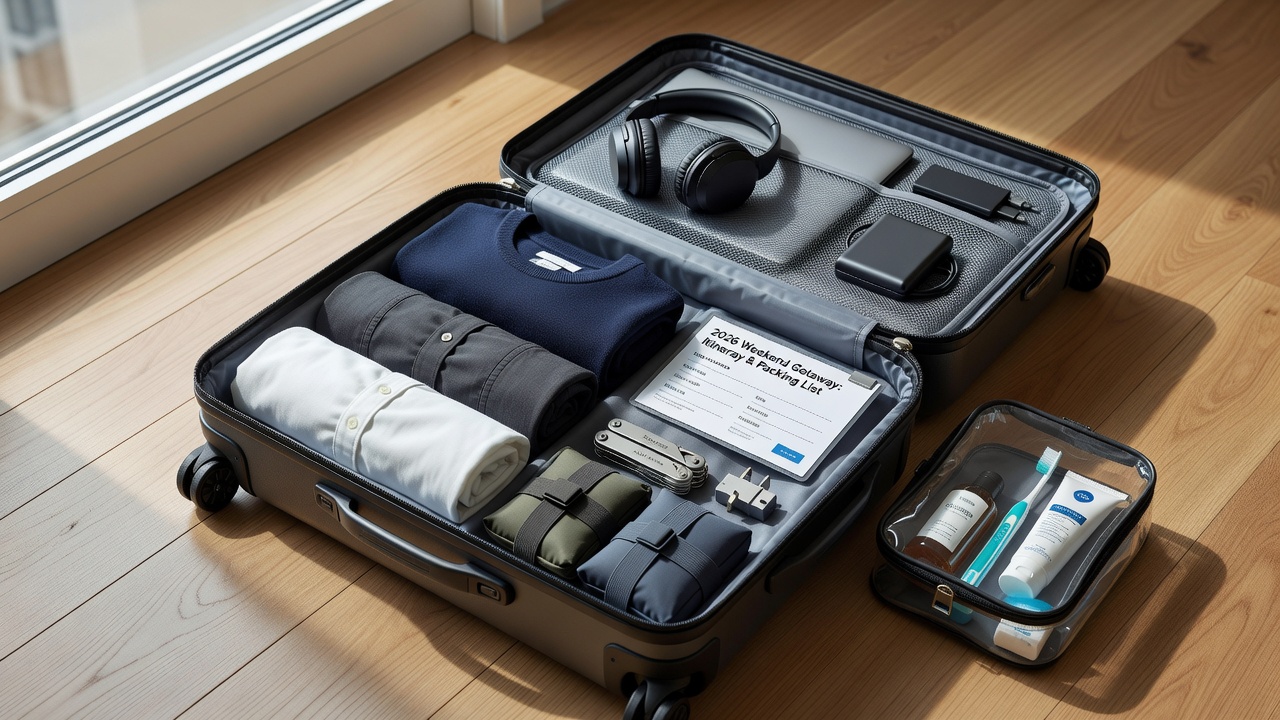
Committing to carry-on luggage transforms weekend travel by reducing costs and increasing flexibility. Select a durable 22-inch spinner suitcase or a well-padded backpack that complies with most airline dimensions. Focus on items that serve dual purposes, such as a lightweight rain jacket that also functions as a travel pillow during flights or train rides. This minimalist approach saves time at security checkpoints and during transfers between rideshares or public transit. Always double-check current airline policies before departure because rules can vary slightly by carrier and route. The TSA maintains up-to-date information on liquids, electronics, and prohibited items that applies to all domestic flights. Pack heavier footwear at the bottom of the bag and roll clothing tightly to maximize every inch of space. Consider investing in packing cubes to keep categories separated and easy to locate once you arrive at your accommodation.
Understanding Your Destination and Activities
Before selecting any items, analyze the specific demands of your weekend plans. Research the local climate, planned activities, and typical dress codes at restaurants or attractions. For instance, a city break may require smarter casual pieces for evening outings, while a hiking-focused trip prioritizes durable, quick-drying fabrics. Create a simple daily itinerary on paper to visualize how many outfits you truly need. This step prevents bringing redundant clothing and highlights gaps such as missing swimwear or formal shoes. Many travelers overlook the importance of this planning phase and end up with unbalanced suitcases that either weigh too much or leave them unprepared for one key activity.
Essential Clothing Layers
Construct a versatile wardrobe around a neutral color scheme that allows easy mixing and matching across multiple days. Begin with moisture-wicking base layers made from merino wool or synthetic blends that resist odors after repeated wear. Add insulating mid-layers such as a fleece pullover or lightweight sweater, then finish with a waterproof and windproof outer shell. For a standard two-night, three-day trip, pack three tops, two bottoms, one dressier option for dinners, sleepwear, and sufficient undergarments plus socks. Versatile pieces like merino wool socks that resist odor, a packable down vest, and convertible pants that zip into shorts adapt quickly to temperature changes throughout the day. Include exactly one pair of comfortable walking shoes broken in beforehand and one pair of compact sandals or slippers that fold flat. This layered system works across most climates when combined with the seasonal adjustments described later.
Tech Gadgets and Accessories
Limit technology to devices that genuinely enhance your trip rather than adding weight. Essential items include a smartphone loaded with offline maps, a high-capacity portable charger, noise-cancelling earbuds for flights, and a compact power bank rated at least 10,000 mAh. A universal wall adapter becomes useful when traveling across regions, while a small collapsible tripod improves photos at scenic overlooks. Organize all cables and accessories inside a dedicated zippered pouch to prevent tangling and speed up access. Consider a lightweight e-reader loaded with several books instead of physical copies to save space. Avoid bringing multiple cameras or large laptops unless your weekend specifically requires them for work or content creation.
Seasonal Adjustments
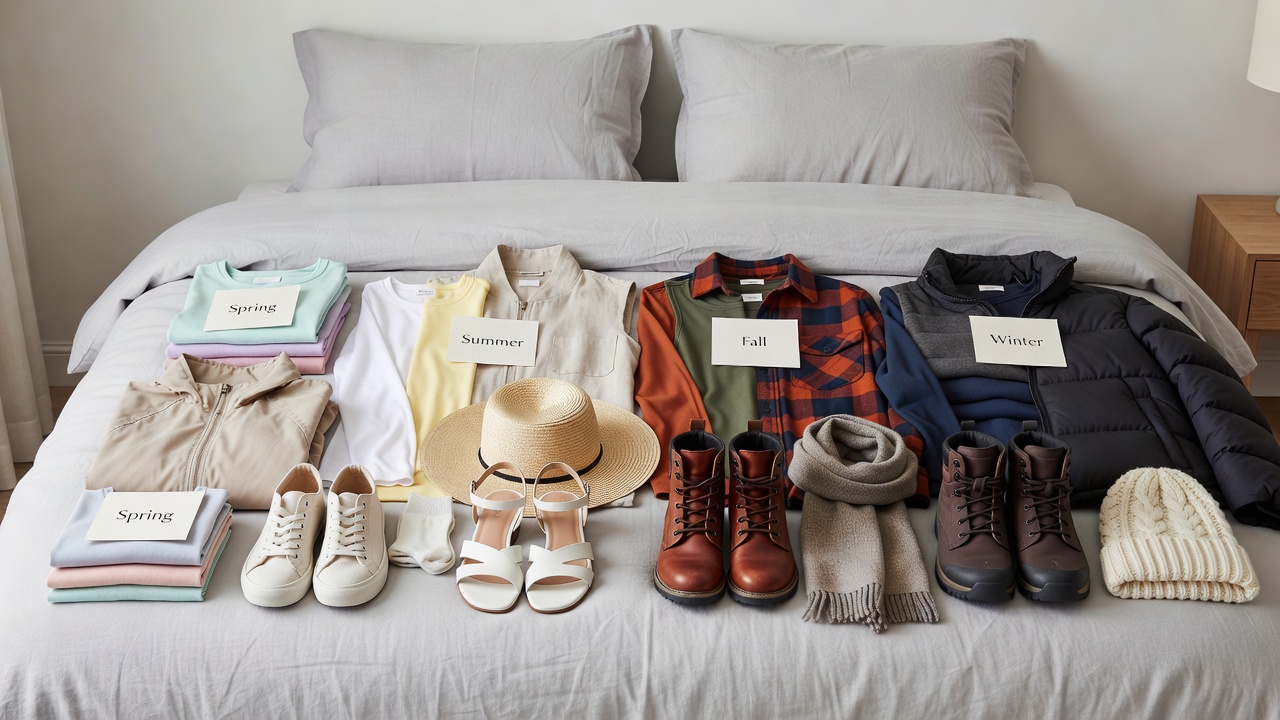
Modify your core layers according to expected weather conditions at your destination. Spring and fall trips benefit from an extra fleece layer and compact umbrella because temperatures can shift dramatically within a single day. Summer escapes emphasize breathable linen or cotton fabrics, swimwear, and a wide-brim hat for sun protection. Winter getaways require thermal base layers, insulated waterproof boots, warm gloves, and a heavier coat that still compresses well. Consult long-range forecasts from the National Weather Service several days ahead to refine your selections and avoid surprises. Always include one extra warm layer even in milder seasons because evenings often turn cooler than daytime forecasts suggest.
Real-World Examples from Popular Destinations
Consider a weekend in New York City where comfortable walking shoes, a stylish yet packable trench coat, and a crossbody bag for sightseeing become priorities. Visitors often add one dressier top for theater nights and a portable phone charger because days involve extensive walking and subway travel. For a coastal beach escape in California or Florida, focus on quick-dry towels, reef-safe sunscreen, a wide-brim hat, and a lightweight rash guard that doubles as sun protection. Mountain retreats in Colorado or the Appalachians demand sturdy hiking layers, a headlamp for early starts, extra wool socks, and a compact daypack for trail lunches. Each example demonstrates how the same foundational list adapts through minor substitutions rather than complete overhauls.
Multi-Use Items and Toiletries
Consolidate wherever possible to reduce bulk. A large sarong serves as a scarf, beach towel, picnic blanket, or modesty cover when needed. Solid shampoo and conditioner bars eliminate liquid restrictions while lasting through multiple trips. Assemble a compact first-aid kit containing bandages, pain relievers, and any personal medications. Pack a reusable water bottle with built-in filter and a small packet of laundry detergent sheets so you can refresh clothing mid-trip if necessary. These choices keep your total bag weight comfortably under most airline limits while covering daily hygiene and safety needs. The Centers for Disease Control and Prevention offers additional guidance on travel health items that complement any weekend packing list.
Common Packing Mistakes to Avoid
- Overpacking multiple “just in case” outfits that remain unused and add unnecessary weight.
- Forgetting weather-appropriate footwear and suffering from blisters or wet feet during activities.
- Ignoring current airline liquid rules and losing valuable time at security checkpoints.
- Skipping a backup power source and facing dead devices during long travel days or photo sessions.
- Choosing non-versatile colors that prevent creative outfit combinations and force extra pieces.
- Neglecting to test new gear at home before departure, leading to discomfort or malfunction on the road.
Step-by-Step Weekend Packing Checklist
- Review weather forecasts and destination activities at least 48 hours before departure.
- Select your carry-on bag and lay every potential item on a bed or table for visual assessment.
- Roll clothing tightly and position heaviest items such as shoes at the bottom for stability.
- Organize all tech accessories inside a single dedicated pouch with cables neatly coiled.
- Fill the toiletry bag using the 3-1-1 liquid rule and include solid alternatives where possible.
- Perform one final review of the checklist and remove any non-essential items that do not serve multiple purposes.
- Double-check that identification, medications, and a printed itinerary remain in your personal item.
FAQ: Last-Minute Additions
What if I forget something important at home?
Most destinations offer stores selling chargers, basic toiletries, or clothing. Prioritize irreplaceable items such as prescription medications, identification documents, and house keys before worrying about minor conveniences.
How should I handle medications and important documents?
Store prescriptions and printed copies of essential documents in your personal item using a waterproof pouch for added protection against spills or weather.
Can one bag handle multiple climates during a single weekend?
Yes, compressible packing cubes combined with adaptable layers such as merino wool and a packable shell allow you to cover temperature variations without excess bulk.
Should I pack snacks or rely on airport and destination options?
Include a few non-perishable snacks like protein bars or nuts to manage delays or limited dining hours, but avoid overpacking food that adds weight and potential mess.
Conclusion
This complete packing list equips you to approach every 2026 weekend getaway with confidence and efficiency. Thoughtful choices around layers, gadgets, seasonal needs, and multi-use items ensure you arrive prepared while traveling light. Apply the checklists and destination examples to future short trips, and you will consistently reduce stress while meeting all practical requirements without overpacking.

No comments yet. Be the first!