 PlaceBee
Introduction to Photography Weekend Getaways in 2026
Photography enthusiasts often seek quick escapes that deliver maximum visual impact without requiring extended time off. In 2026, weekend getaways remain a popular choice for capturing dramatic landscapes, striking urban architecture, and diverse wildlife. These short trips allow photographers to focus on high-reward locations accessible by car or short flights, emphasizing efficient planning to optimize light and conditions. Whether you are a beginner building a portfolio or an experienced shooter refining techniques, weekend photography trips provide focused opportunities to experiment with composition, light, and subject matter in new environments.
This guide explores prime destinations, essential packing strategies, and sample itineraries tailored for 48-hour adventures. It also compares transportation options, outlines permit processes, and shares contingency planning for weather. By the end, you will have actionable steps to plan, execute, and edit images from your next escape.
Top Scenic Spots for 2026 Photography Escapes
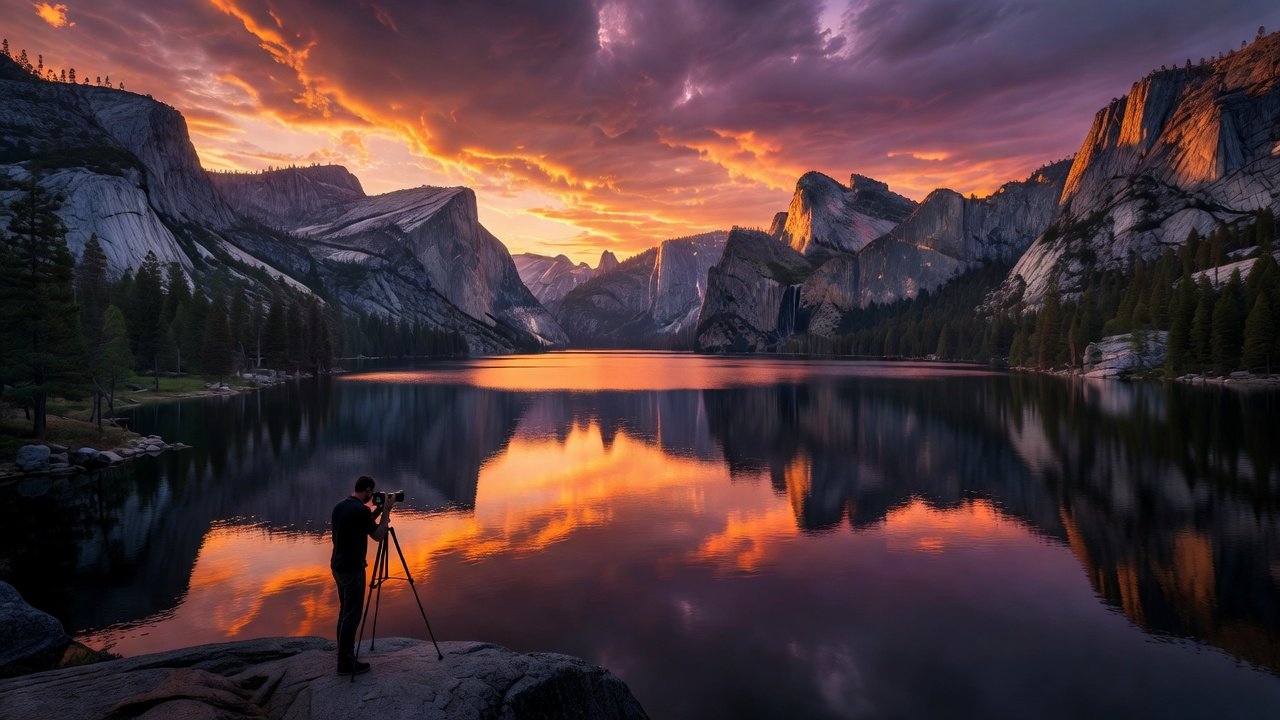
Several locations stand out for their accessibility and photographic potential. Yosemite National Park offers iconic granite cliffs and waterfalls ideal for landscape shots, with viewpoints like Tunnel View providing sweeping valley compositions. For urban architecture, New York City provides endless opportunities with its skyline, historic buildings, and street-level details that change with every block. Wildlife enthusiasts can target spots like Yellowstone for bison herds and geothermal features during short visits, where early morning light often highlights steam rising from geysers.
Other highlights include the Pacific Northwest's coastal cliffs at places like Olympic National Park, where misty forests and rugged shorelines create moody atmospheric images. The Southwest's red rock formations in Sedona deliver vibrant color contrasts at sunrise and sunset. Each destination balances visual variety with weekend feasibility, prioritizing areas with established viewpoints and parking to minimize travel time between shots.
Gear Packing Strategies for Short Trips
Pack light but strategically for weekend photography getaways. Prioritize a versatile mirrorless camera body, a wide-angle lens for landscapes, and a telephoto for wildlife. Include a sturdy tripod, extra batteries, and memory cards. A lightweight backpack keeps everything organized during quick hikes. Consider weatherproof bags and lens filters for varying conditions. Avoid overpacking by focusing on multi-use items like a camera that doubles for both stills and video.
A practical packing list includes: camera body and two lenses, tripod or travel-sized alternative, power bank and chargers, lens cloths and filters, lightweight rain cover, and a small notebook for shot notes. Test all gear the week before departure to identify any issues. For car trips, use padded cases that fit in the trunk; for flights, carry on sensitive items to prevent damage or loss.
Optimal Timing for Golden Hour Shots
Golden hour, occurring shortly after sunrise and before sunset, provides warm, soft light that enhances textures and colors in photographs. Check local sunrise and sunset times in advance using reliable sources. In summer months, plan early starts to capture dawn light at scenic overlooks. Apps can help track exact windows, ensuring you position yourself for the best angles without rushing between locations. Shoulder seasons like spring and fall often yield fewer crowds and more dramatic skies, while winter trips may require extra preparation for cold-weather battery performance.
Blue hour just before sunrise or after sunset offers cooler tones suitable for cityscapes and long-exposure work. Combine both periods in a single day for varied portfolios from one location.
Sample 48-Hour Itineraries
For a car-accessible trip to Yosemite: Day 1 involves arrival by midday and afternoon scouting at Tunnel View for valley panoramas, followed by sunset at Glacier Point with time for multiple compositions. Overnight near the park entrance allows an early start on Day 2 for sunrise at Sentinel Dome and a mid-morning drive to Mariposa Grove before departure. Adjust pacing to include short hikes between key viewpoints.
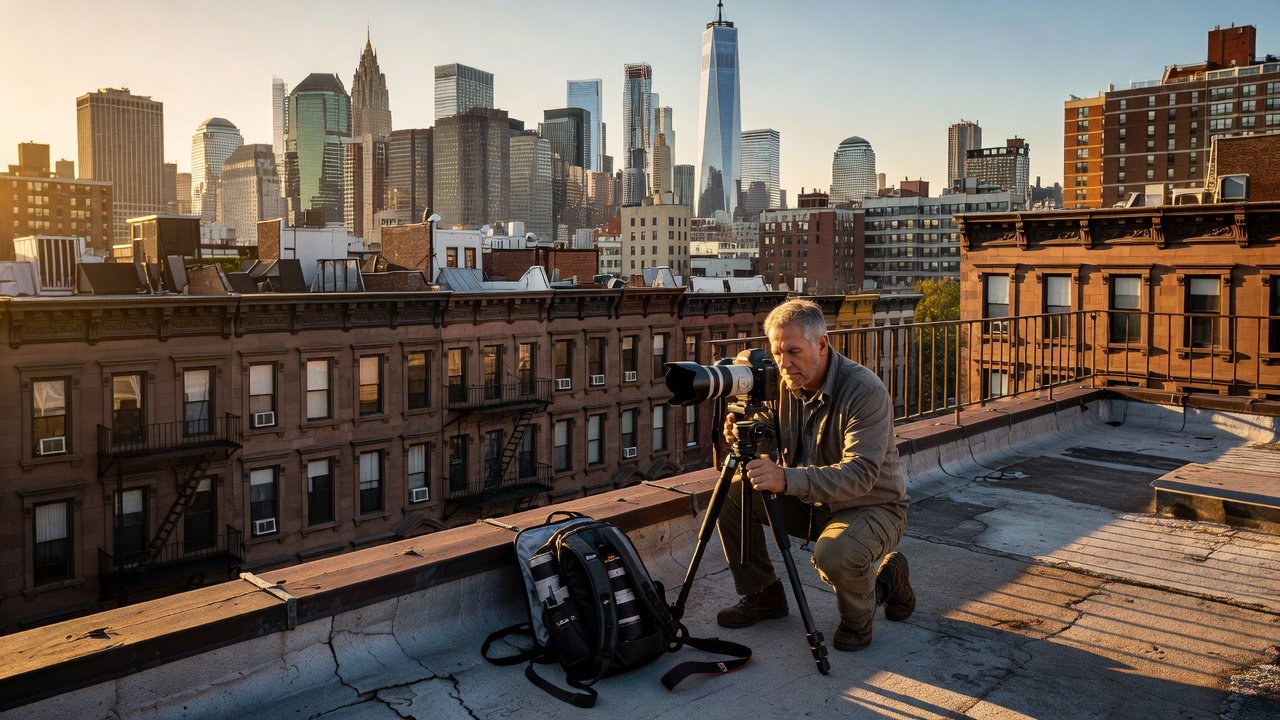
A flight-based itinerary to New York City might start with arrival and rooftop sunset photography on Day 1, focusing on Brooklyn Bridge and skyline views. Day 2 explores Central Park for wildlife and reflections, then architectural details in Lower Manhattan before an evening flight home. Build buffer time for traffic or security lines.
Car-Accessible vs. Flight-Based Locations
Car-accessible destinations like nearby state parks reduce logistical stress and allow for flexible timing with heavy gear. They often feature fewer crowds mid-week but require good road conditions. Flight-based options expand choices to distant gems but involve TSA considerations for equipment and potential delays. Compare total travel time: drives under four hours suit spontaneous weekends, while flights under two hours work well for urban escapes when booked strategically.
Pros of driving include door-to-door gear transport and spontaneous stops. Cons involve fatigue and limited range. Flying offers speed to iconic sites but adds weight restrictions and airport security steps for camera bags.
Permits, Weather Contingencies, and Editing Apps
Research permits through official channels such as the National Park Service for restricted areas. Many popular spots require advance reservations in peak seasons. For weather contingencies, monitor forecasts via the National Weather Service and have backup indoor or sheltered shooting plans. On-the-go editing benefits from apps like Adobe Lightroom Mobile for quick adjustments and cropping. These tools support RAW processing directly on tablets or phones during downtime at airports or hotels.
Always verify current access rules before travel, as seasonal closures can affect weekend plans. Have printed maps as a backup when cell service is unreliable.
Best Lenses and Equipment Security Tips
Travel photographers benefit from a 24-70mm zoom as a primary lens for versatility across landscapes and details. Add a 70-200mm for compressed perspectives or distant wildlife. Keep a prime lens option for low-light urban scenes. For security, use lockable camera bags, avoid leaving equipment visible in parked cars, and consider insurance riders for high-value items. Travel with copies of serial numbers and consider discreet bags that do not advertise expensive gear.
Frequently Asked Questions
- How do I secure camera equipment during travel? Use lockable cases and never leave gear unattended in vehicles; consider a cable lock for hotel rooms.
- What lenses work best for travel photography? A 24-70mm zoom covers most scenarios from wide landscapes to portraits, supplemented by a telephoto when needed.
- Are permits always required? Check destination-specific rules via official sites before arriving, especially for drone use or restricted zones.
- How to handle sudden weather changes? Pack protective covers and prioritize safety over shots; have alternate indoor subjects ready.
- Can I edit photos effectively on a phone or tablet? Yes, apps like Lightroom allow full RAW workflows during layovers or evenings.
- What is the best way to plan golden hour timing? Use astronomy apps combined with local weather data to predict clear skies.
Conclusion
Photography weekend getaways in 2026 offer rewarding opportunities to capture stunning visuals with focused planning. By selecting the right spots, timing golden hours effectively, and preparing for variables, photographers can create memorable work even on tight schedules. Apply these strategies for efficient, inspiring short escapes that deliver professional results and expand your creative portfolio.

No comments yet. Be the first!