 PlaceBee
Why Introverts Thrive on Quiet Urban Escapes in 2026
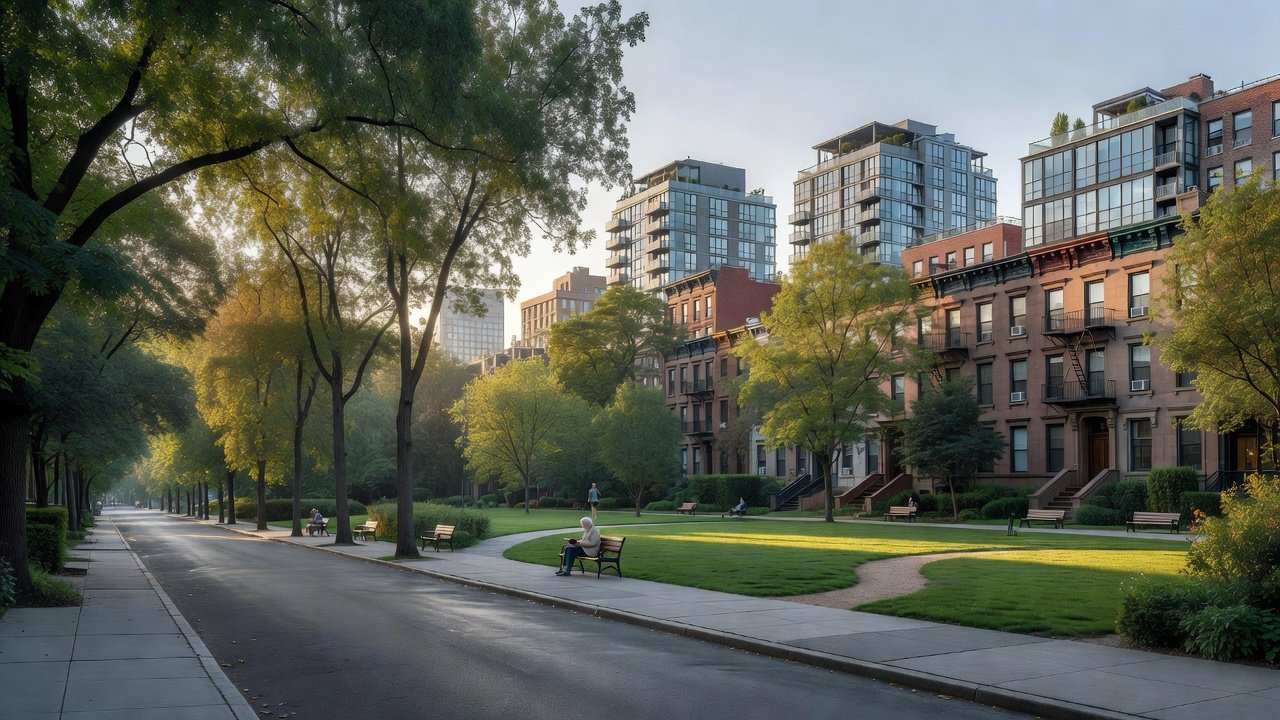
Urban travel often conjures images of bustling crowds and sensory overload, yet many introverts crave city breaks that prioritize solitude and reflection. In 2026, serene weekend getaways focus on lesser-known neighborhoods in major cities where green spaces, quiet cafes, and thoughtful pacing allow for meaningful solo experiences without the drain of constant social interaction. These escapes align with growing seasonal trends toward mindful travel, emphasizing rest and personal recharge over packed schedules. Whether you seek a low-key Manhattan side street or a hidden Kyoto lane, the right planning transforms city life into a sanctuary. Introverts often report higher satisfaction from short, intentional trips that balance cultural access with personal space, making 2026 an ideal year for such curated experiences as more destinations promote wellness-focused tourism.
Top Lesser-Known Neighborhoods for Calm City Stays
Selecting the right district is essential. In New York, consider Brooklyn’s Greenpoint for its tree-lined streets and waterfront walks with minimal foot traffic. Paris offers the 19th arrondissement’s Parc des Buttes-Chaumont area, known for elevated gardens and quiet residential pockets. Tokyo’s Yanaka district provides traditional alleys and temples free from tourist throngs, while London’s Hampstead blends heathland greenery with village-like calm. Chicago’s Andersonville neighborhood delivers Scandinavian heritage charm alongside peaceful bookstores and cafes, and Berlin’s Prenzlauer Berg offers leafy courtyards and low-key parks away from central hustle. Each spot features independent bookstores, minimalist cafes, and accessible parks ideal for journaling or quiet observation. Research local quiet hours to maximize peace, and cross-reference with resources like Lonely Planet for neighborhood insights that highlight hidden serenity.
48-Hour Itinerary: Greenpoint, Brooklyn
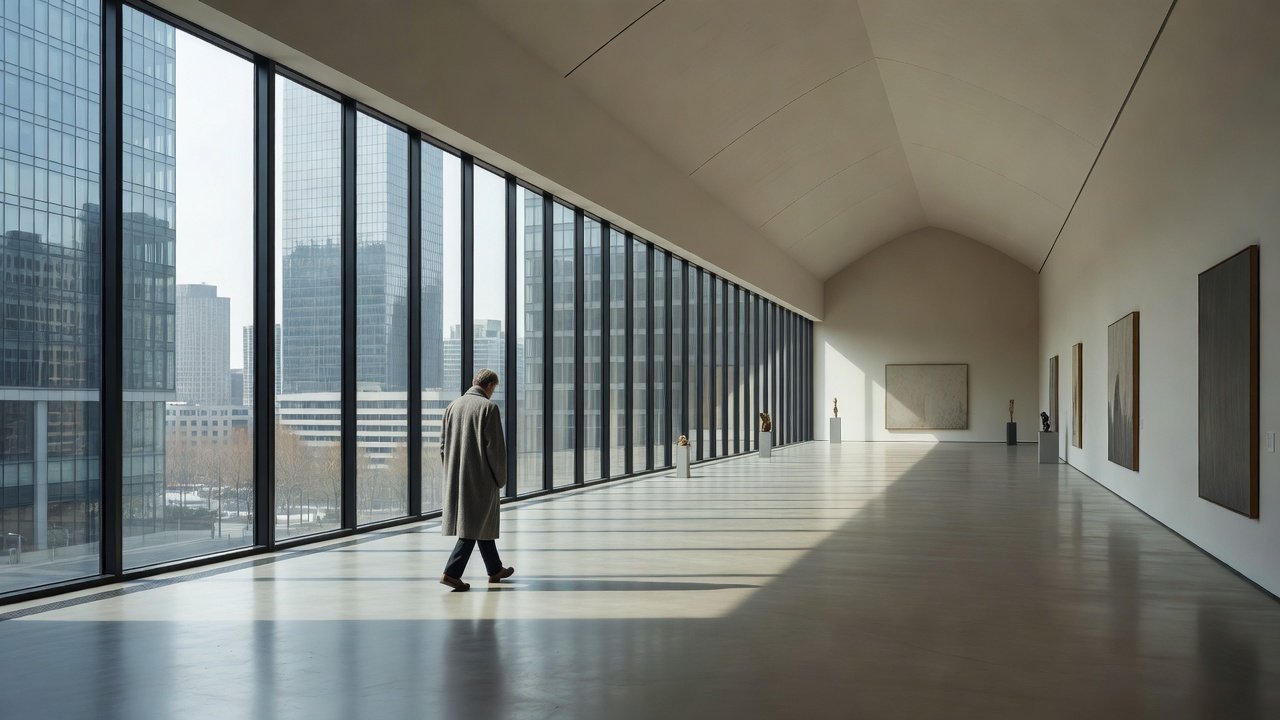
Day 1 begins with an early arrival and a self-guided walking tour along the East River Greenway during off-peak morning hours. Visit the Noguchi Museum mid-morning when attendance is lowest, then enjoy lunch at a neighborhood cafe known for its serene atmosphere. Afternoon reflection happens at Transmitter Park with views of the skyline but few visitors. Evening includes a solo stroll through historic streets before retiring early. Day 2 focuses on the Brooklyn Botanic Garden’s quieter sections at opening time, followed by museum visits at the nearby Brooklyn Museum during weekday lulls. End with digital detox time in McCarren Park’s shaded corners. This itinerary keeps movement gentle and interactions optional, allowing time for spontaneous pauses at local bakeries or bench seating overlooking the water.
48-Hour Itinerary: Yanaka, Tokyo
Arrival on day one leads to a slow exploration of Yanaka Ginza shopping street before crowds build, followed by temple visits at Kan’eiji during early afternoon hours. A quiet lunch at a traditional soba shop sets the tone for an afternoon of alleyway wandering and sketching in nearby cemeteries turned peaceful parks. Evening winds down with tea at a minimalist cafe. Day two starts with a walk through the historic Yanaka Cemetery at sunrise for profound solitude, then transitions to the Tokyo National Museum’s less-visited wings in the late morning. Afternoon includes green space time at Ueno Park’s outer edges, emphasizing reflection over sightseeing. This schedule respects personal energy levels while showcasing authentic local rhythms.
48-Hour Itinerary: Hampstead, London
Begin day one with a morning arrival and immediate entry into Hampstead Heath for expansive views and quiet paths. A visit to the Freud Museum during its quieter mid-week slots provides intellectual stimulation without crowds. Afternoon tea at a tucked-away cafe precedes an evening literary walk through the village streets. Day two opens with the Keats House museum at opening, followed by time in the adjacent gardens. Later, explore the Heath’s hidden ponds for solo reflection before departing. Each stop prioritizes natural light and open space to foster calm.
Noise-Level Comparisons Across Cities
Understanding ambient sound helps choose destinations. Tokyo neighborhoods like Yanaka average lower decibel levels in residential zones compared to central London districts, while Paris green spaces often outperform New York’s busier avenues. Chicago’s Andersonville stays notably quieter on weekends than downtown cores, and Berlin’s Prenzlauer Berg benefits from wide streets that disperse sound effectively. Apps tracking real-time noise data assist in timing visits around rush periods, favoring early mornings and mid-afternoons for maximum tranquility. Travelers can compare these patterns using local environmental reports to select the best fit for their sensitivity levels.
Transit Tips to Avoid Rush Hours
Public transport remains efficient when used strategically. In New York, avoid subway lines between 7-9 AM and 5-7 PM by opting for later starts or walking routes. Paris Metro offers quieter rides after 10 AM. Tokyo trains are least crowded mid-morning on weekdays. London’s Tube sees reduced pressure after 9:30 AM, and Chicago’s L trains provide calmer journeys outside peak commuting windows. Always check official transit apps for live updates and consider off-peak passes for cost savings. Walking or cycling options in green-adjacent neighborhoods further reduce exposure to crowded vehicles.
Digital Detox Recommendations
Leave phones in airplane mode during walks and museum visits to deepen immersion. Pack a physical book or journal instead of relying on screens. Many quiet cafes in these neighborhoods encourage device-free zones, enhancing the restorative quality of the trip. Set specific check-in times, such as once in the evening, and use simple techniques like turning off notifications entirely. Benefits include improved focus on surroundings and reduced anxiety from constant connectivity, making the short escape feel longer and more restorative.
Budget Breakdowns and Booking Strategies
Weekend escapes can stay comfortably under $600 per person with smart choices. Focus on mid-week flights or trains for lower fares, and select boutique guesthouses or quiet Airbnbs booked directly through hosts for better rates and flexibility. Reserve accommodations at least six weeks ahead for 2026 peak shoulder seasons, prioritizing properties advertising soundproofing and garden access. Compare options on established platforms while verifying recent guest reviews mentioning noise levels. Pack light to avoid extra fees and use public transit passes for all movement. Additional savings come from free park entries, museum off-peak discounts, and preparing simple meals from local markets rather than dining out repeatedly. Review cancellation policies carefully to maintain flexibility without added costs.
Frequently Asked Questions
How can I manage social anxiety on short city trips?
Build buffer time into every activity and choose accommodations with private entrances. Practice grounding techniques like mindful breathing during transitions, and select solo-friendly venues such as self-guided audio tours at museums. Starting each day with a low-pressure walk helps set a calm tone.
Do these getaways align with 2026 travel trends?
Yes. Seasonal data shows rising demand for restorative urban micro-breaks that blend accessibility with low stimulation, particularly among travelers prioritizing mental wellness alongside cultural exploration. Many destinations now market quiet zones and wellness amenities explicitly.
What packing essentials support a serene experience?
Include noise-canceling headphones for transit, comfortable walking shoes, a reusable water bottle, and a small notebook. Avoid overpacking electronics to maintain the detox focus.
Are these neighborhoods suitable year-round?
Most offer consistent calm, though spring and fall provide ideal weather for outdoor reflection. Winter visits emphasize indoor museums and cozy cafes, while summer favors early morning park time to avoid any heat-related crowds.
Final Thoughts on Planning Your Escape
Quiet urban getaways in 2026 reward thoughtful preparation. By focusing on off-peak timing, serene neighborhoods, and intentional pacing, introverts can enjoy the cultural richness of cities without the overwhelm. Start by selecting one neighborhood that resonates, then layer in the practical tips above for a restorative weekend that feels both inspiring and deeply restful. Resources such as Frommer’s offer additional destination-specific guidance to refine your plans further.
No comments yet. Be the first!