 PlaceBee
Introduction to AR City Guides in 2026
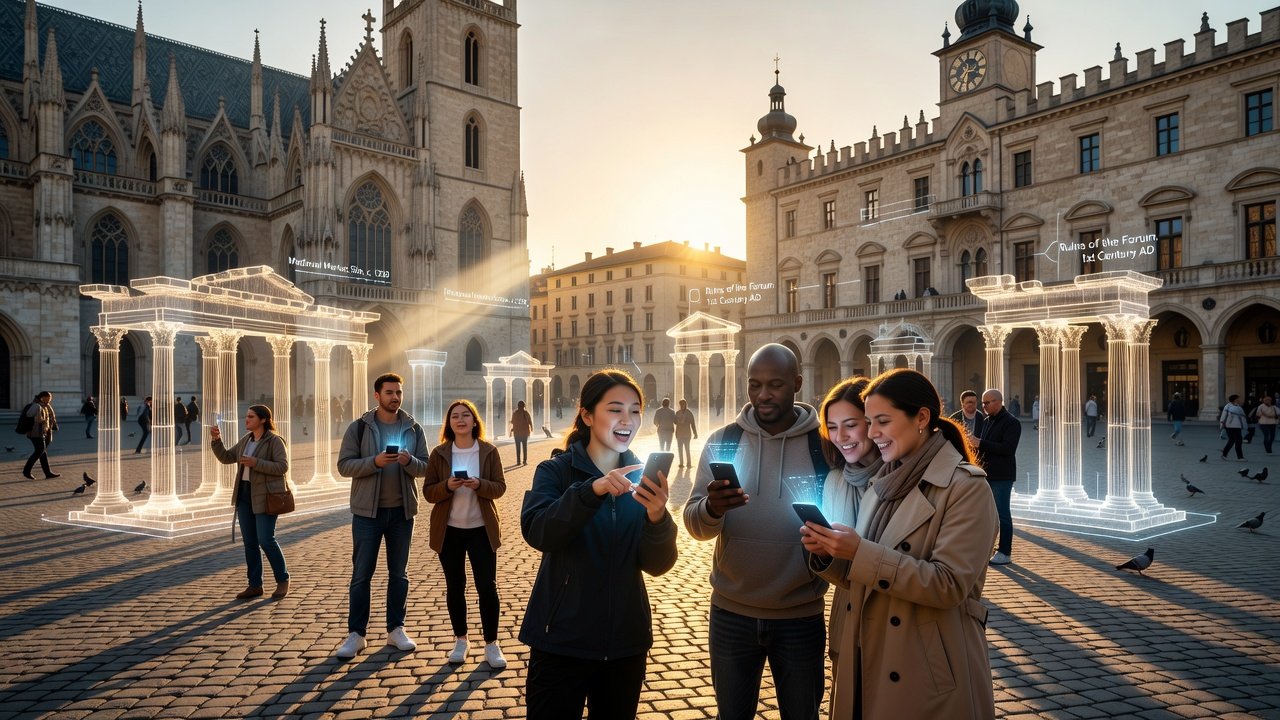
Augmented reality is transforming how travelers experience cultural destinations around the globe. In 2026, leading AR city guide apps blend real-world navigation with immersive virtual heritage tours and community-driven storytelling. These tools help users explore historic districts with layered digital content that brings past events, architecture, and traditions to life in ways static maps never could. Whether you are walking through ancient ruins or navigating bustling old towns, AR overlays provide context that deepens appreciation and understanding.
Travelers planning multi-stop trips now rely on AR apps that integrate seamlessly with broader city and country guides. This showdown examines the top contenders based on navigation accuracy, offline capabilities, and user-generated content quality. The best apps not only deliver technical performance but also foster meaningful connections with local cultures through interactive elements and shared experiences from fellow explorers.
Top AR Apps for Cultural Immersion
The market features several standout platforms that cater specifically to cultural travelers. App A excels in detailed virtual reconstructions of ancient sites, allowing users to see how landmarks appeared centuries ago through precise 3D models. App B prioritizes real-time community stories shared by local historians and residents, creating a living tapestry of narratives. App C offers robust multi-language support and adaptive interfaces suited for international users visiting diverse regions.
Each app targets different aspects of cultural exploration, from interactive storytelling in European capitals to heritage overlays in Asian temple complexes and Latin American colonial centers. Users often combine features across apps for comprehensive coverage during extended journeys.
Navigation Accuracy and Offline AR Performance
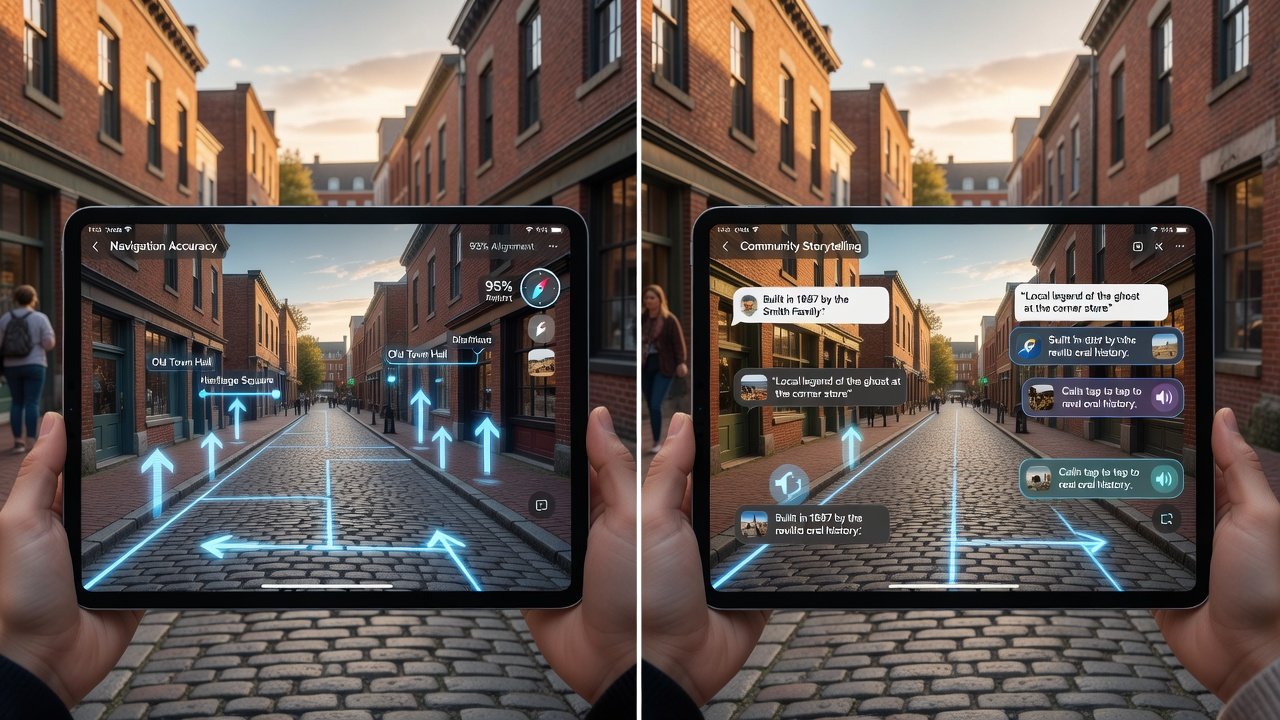
Accurate positioning remains critical in dense historic areas where traditional GPS can falter due to narrow streets and tall structures. Leading apps use advanced sensor fusion, visual positioning systems, and machine learning to maintain precision within one meter even in challenging environments. Offline modes preload high-resolution AR assets, allowing uninterrupted tours without cellular data or Wi-Fi connections.
Real-world tests in Rome’s Forum and Athens’ Acropolis showed consistent tracking during peak tourist crowds and varying weather conditions. Apps with strong offline support reduce reliance on expensive roaming fees and maintain engagement in remote heritage zones where connectivity drops. Battery management features also play a key role, with optimized rendering that extends usage for full-day explorations without frequent recharging.
Community-Generated Content and Interactive Storytelling
User contributions add authentic voices to AR experiences, turning passive viewing into participatory journeys. Top apps feature moderated platforms where travelers and locals upload audio narratives, 3D models, and photo overlays that highlight personal insights into festivals, daily life, and lesser-known historical anecdotes. This fosters deeper connections with destinations beyond standard guidebook facts and encourages ongoing contributions that keep content fresh.
High-quality community content often includes personal accounts of cultural festivals, hidden architectural details, or evolving neighborhood stories. Moderation ensures accuracy while preserving diverse perspectives, making these apps valuable for both first-time visitors and repeat travelers seeking new angles on familiar places.
Integration with City Guides for Multi-Stop Trips
Seamless integration allows users to combine AR cultural stops with practical logistics like transport routes, dining recommendations, and timed entries. Apps that sync with established city guide ecosystems help plan efficient routes across multiple neighborhoods while preserving time for immersive AR sessions. This reduces planning friction and supports spontaneous discoveries along the way.
Practical examples include layering AR heritage content over standard destination guides for cities like Kyoto or Istanbul. Such integration enhances both efficiency and enjoyment by providing contextual information at each stop without switching between separate applications.
Real-World Testing in Historic Districts
Field evaluations in places such as Paris’s Latin Quarter, Mexico City’s historic center, and Marrakech’s medina revealed varying strengths across platforms. Apps with superior lighting adaptation performed best in shaded alleyways and indoor courtyards. Battery optimization proved essential for full-day explorations involving extended walking and repeated AR activations.
Travelers reported higher satisfaction when apps balanced visual richness with lightweight performance on mid-range smartphones. Testing also highlighted the importance of intuitive gesture controls and clear on-screen instructions that accommodate users of varying technical comfort levels.
Tips for Maximizing Engagement
- Pre-download area-specific AR packs before arrival to ensure smooth offline use and avoid interruptions during peak exploration hours.
- Contribute your own photos or stories to community sections for personalized future recommendations and to enrich the collective knowledge base.
- Combine AR tours with official resources from UNESCO World Heritage Centre for verified historical context that complements user-generated layers.
- Adjust AR overlay density in settings to avoid visual clutter during busy sightseeing and maintain focus on key cultural elements.
- Share AR experiences via integrated social features to collaborate with travel companions or receive real-time suggestions from the community.
- Experiment with different time-of-day modes, as some apps adjust lighting and storytelling based on sunrise, sunset, or evening illuminations.
Enhancing Country Guides and Destination Guides
AR apps extend value when paired with comprehensive country guides. For instance, overlaying cultural AR elements on established destination resources creates richer itineraries that span entire regions. This approach supports deeper exploration of regional traditions across entire nations rather than isolated cities, helping users connect dots between neighboring sites and understand broader cultural narratives.
Users planning extended trips benefit from synchronized data between AR city tools and broader national resources, including links to authoritative references such as National Geographic for additional background and Lonely Planet destination guides for logistical support.
Conclusion
Choosing the right AR city guide app depends on priorities like offline reliability, storytelling depth, and integration features. The 2026 landscape offers powerful options that elevate cultural travel through technology while respecting the authenticity of each location.
FAQ: Selecting the Right AR Tool for 2026 Travel
Q: Which app offers the best offline performance?
A: Apps with preloaded 3D models and visual positioning excel in areas with poor connectivity, making them ideal for extended rural or historic site visits.
Q: How do community features compare across platforms?
A: Moderation quality and upload volume vary; check recent user reviews for the latest insights on accuracy and relevance of contributed stories.
Q: Can these apps replace traditional country guides?
A: They complement rather than replace, adding immersive layers to established resources from sources like Smithsonian Institution for educational depth.
Q: Are AR apps suitable for all age groups?
A: Most include accessibility options such as simplified interfaces, audio alternatives, and adjustable text sizes to accommodate diverse users.
Q: What hardware works best with these apps?
A: Recent flagship smartphones with strong cameras and processors deliver optimal results, though many apps scale well on mid-range devices from 2024 onward.

No comments yet. Be the first!