 PlaceBee
Why Introverts Thrive on Quiet Weekend Getaways in 2026
Introverts often seek escapes that prioritize solitude over stimulation, making quiet weekend getaways a perfect fit. These short trips allow for digital detox and personal reflection without the drain of crowds or packed itineraries. In 2026, demand for such serene options continues to grow as travelers prioritize mental recharge over high-energy adventures. Many people find that even a single night away from urban noise can restore focus and reduce anxiety, turning a simple weekend into a meaningful reset. The modern world often overwhelms sensitive individuals with constant notifications and social demands, so carving out intentional quiet time becomes essential for long-term well-being.
Top Destination Types for Low-Stimulation Escapes
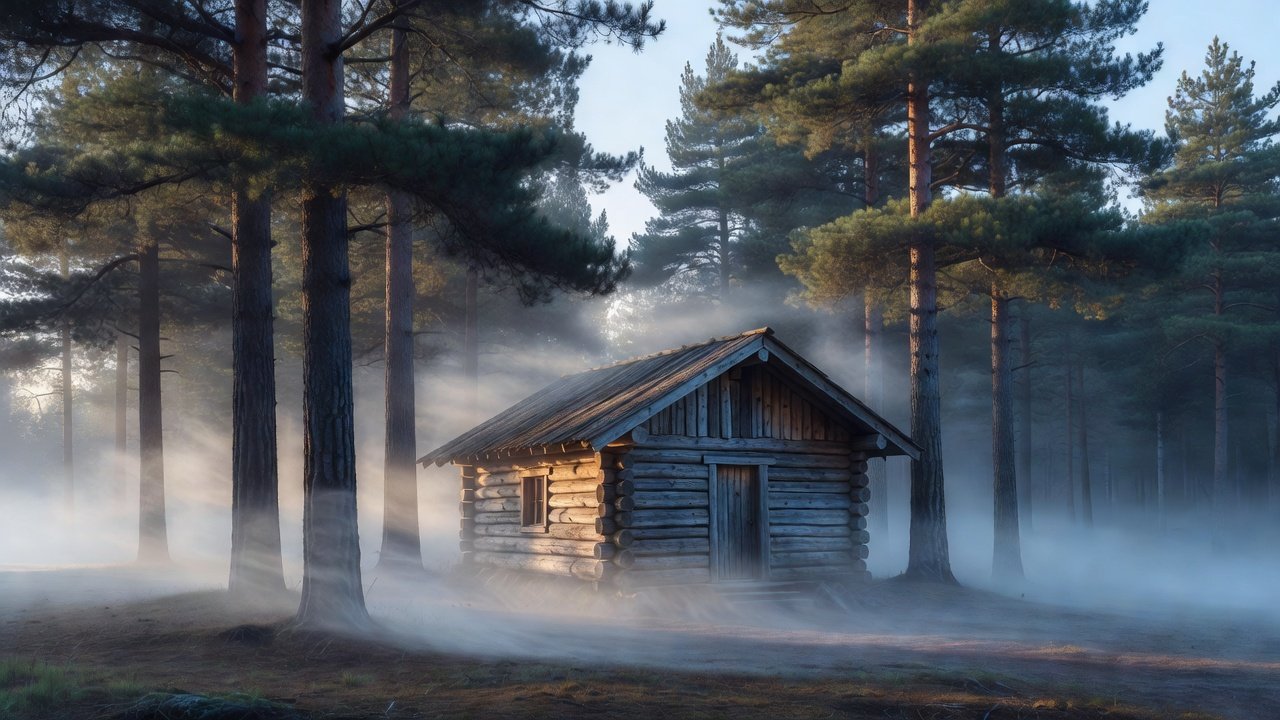
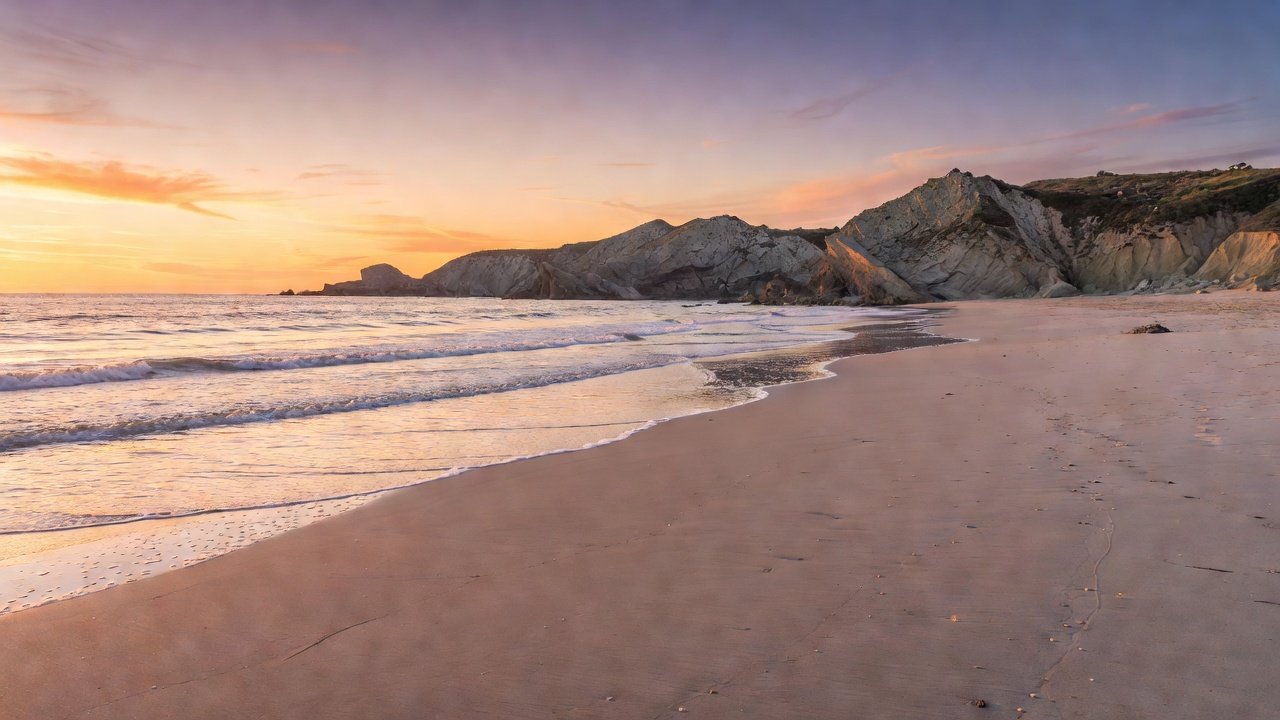
Secluded cabins nestled in national forests offer complete privacy. Think remote wooden retreats surrounded by trees where you can hike solo trails or simply read by a fireplace. Quiet coastal towns provide gentle ocean sounds and empty beaches for walking and journaling. Other options include small mountain villages or wildlife refuges that limit visitor numbers through permits or seasonal access. Forested lake areas deliver calm waters ideal for kayaking alone at dawn, while desert overlooks in protected zones allow stargazing without light pollution. Each type supports extended periods of uninterrupted thought and observation of nature. Choosing lesser-known pockets within larger protected regions often means fewer facilities but far greater peace. For example, areas managed by the U.S. Forest Service provide dispersed camping options that emphasize self-reliance and minimal interaction with others.
These locations enable true disconnection from daily noise while fostering introspection. Researching elevation changes and seasonal closures helps match the destination to your energy levels.
Practical Steps for Planning Your Quick Escape
Start by selecting off-peak travel times, such as mid-week extensions into weekends or shoulder seasons in 2026. Book directly through park services or small local operators to secure spots early. Research weather patterns and trail conditions in advance using official resources. Consider travel by car for flexibility or quiet train routes that avoid airport chaos. Create a simple checklist covering transportation, lodging confirmation, and basic supplies to prevent last-minute stress.
- Identify three potential locations within a four-hour drive.
- Check availability calendars for low-traffic dates.
- Reserve accommodations at least three weeks ahead.
- Prepare a loose itinerary focused on rest rather than sightseeing.
- Review maps for cell coverage and emergency exits.
Always inform one trusted person of your plans and expected return time for basic safety. This structured approach reduces decision fatigue once you arrive.
Low-Key Activities Compared to Typical Tourist Spots
Instead of crowded viewpoints or guided tours, opt for solitary nature walks, stargazing, or meditation sessions by a lake. Typical tourist spots involve queues and group activities that can overwhelm introverts, whereas low-key alternatives focus on personal pace. For 2026 examples, visit lesser-known sections of protected lands for birdwatching or sketching without interruptions. A quiet coastal town might feature a single pier for fishing alone, contrasting sharply with busy boardwalks filled with vendors and music. Practical comparisons show that low-stimulation options reduce sensory overload and promote deeper relaxation. Visitors often report higher satisfaction when they avoid peak-hour attractions entirely.
National Park Service highlights many quiet areas perfect for these pursuits.
Cost-Saving Tips for Serene Short Trips
Focus on nearby destinations to minimize transportation expenses. Choose self-catering cabins over resorts and bring your own meals. Look for off-season deals on lodging and use public lands with low or no entry fees for hiking and reflection. Planning ahead avoids last-minute premiums and supports sustainable, budget-friendly travel. Another effective approach is carpooling with a single companion or traveling solo by public transit where routes are direct and quiet. Reusing gear from previous trips and preparing simple meals further stretches resources without sacrificing comfort.
Mistakes to Avoid When Planning Introvert-Friendly Getaways
One common error is over-scheduling activities, which defeats the purpose of rest. Another is selecting popular destinations marketed as “hidden gems” that still attract large crowds on weekends. Failing to verify cell service in remote areas can create unnecessary worry, so test coverage maps beforehand. Packing too many electronics instead of comfort items like blankets or books also reduces the detox benefit. Finally, ignoring personal energy limits by extending the trip too long can lead to burnout upon return. Learning from these pitfalls ensures the getaway remains restorative from start to finish.
Digital Detox Strategies for Maximum Benefit
Turn off notifications before departure and set an auto-reply for work emails. Bring physical books or a notebook rather than relying on tablets. Designate specific hours for complete disconnection, such as sunrise walks without devices. Many travelers find that even brief periods without screens improve sleep quality and creative thinking during these short escapes. Establishing boundaries around technology helps maintain the calm atmosphere throughout the weekend.
Benefits of Short Solitude Trips for Mental Health
Short getaways focused on solitude can lower stress hormones and improve mood regulation. They provide space for processing thoughts without external input, leading to clearer decision-making upon return. Studies and guidelines from health authorities emphasize the value of nature exposure for reducing symptoms of anxiety and fatigue. Incorporating simple mindfulness practices during the trip amplifies these effects over time.
Short FAQ on Safety and Energy Management
- Is solo travel safe? Yes, when choosing well-reviewed secluded spots and sharing itineraries with trusted contacts. Stick to established areas with good infrastructure.
- How do I maintain energy? Schedule buffer time between activities, prioritize rest, and limit social interactions to optional, low-pressure moments.
- What if I feel isolated? Balance solitude with optional check-ins via text, ensuring the trip remains restorative rather than lonely.
- Are there health considerations? Review basic guidelines from Centers for Disease Control and Prevention before heading to remote locations.
- Which regions offer the quietest options? Check resources from U.S. Forest Service for dispersed sites with minimal visitor traffic.
Quiet weekend getaways in 2026 empower introverts to recharge effectively through thoughtful planning and intentional choices. By focusing on solitude-friendly destinations and mindful pacing, these short trips deliver lasting calm long after returning home.
No comments yet. Be the first!