 PlaceBee
Introduction: The Future of Extreme Hiking Arrives in 2026
Extreme hiking pushes athletes to their physical and mental limits across treacherous terrain, unpredictable weather, and high-altitude challenges. In 2026, AI wearables are transforming these adventures by delivering real-time biometric insights, predictive analytics, and seamless connectivity with external tools like drones. These devices go beyond basic fitness trackers to optimize output while dramatically reducing risks. Whether you're scaling remote peaks or navigating icy ridges, next-generation technology offers a competitive edge. This guide explores the latest innovations, real athlete experiences, practical comparisons, and actionable strategies for thrill-seekers focused on performance optimization in adventure travel and outdoor adventures.
The search for peak performance in extreme environments has evolved with emerging tech trends. Hikers now demand gear that not only tracks but anticipates needs, blending practical advice with data from advanced sensors. As adventure travel grows in popularity, these tools help enthusiasts push boundaries safely and effectively.
The Rise of AI-Powered Wearables for Outdoor Adventures
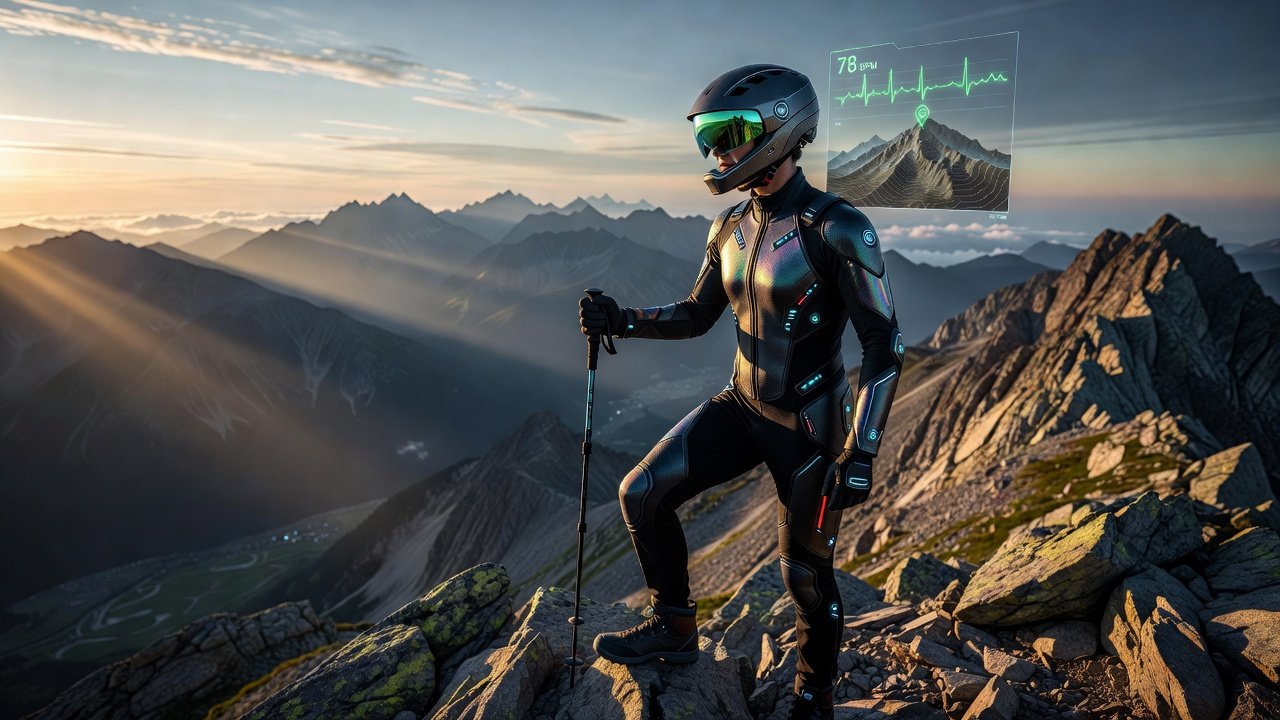
Advancements in sensor miniaturization and machine learning have made AI wearables essential for extreme environments. Biometric suits now monitor muscle fatigue, hydration levels, and core temperature with precision. Smart helmets integrate neural interfaces for cognitive load assessment and voice-activated navigation. These tools align perfectly with growing interest in adventure travel, where participants seek data-driven ways to enhance endurance and safety. Integration with environmental sensors allows predictive alerts for avalanches or sudden storms, drawing from established outdoor safety protocols promoted by organizations like the National Park Service.
Market adoption has surged as athletes recognize the value in real-time feedback loops. AI algorithms process vast datasets from multiple sensors to provide personalized recommendations, turning raw data into actionable insights during multi-day expeditions. This evolution supports not just elite competitors but also intermediate hikers looking to build confidence in challenging conditions.
Key Technologies: Biometric Suits and Smart Helmets
Biometric Suits Explained
Full-body suits embed flexible sensors that track heart rate variability, oxygen saturation, and gait patterns. AI algorithms analyze this data to recommend pace adjustments or rest intervals mid-hike. Additional features include electromyography for muscle activation monitoring and thermal mapping to prevent overheating or hypothermia in variable climates.
Smart Helmets and Headgear
Helmets feature augmented reality visors and bone-conduction audio. They process environmental data to warn of hazards while maintaining focus on the trail ahead. Integrated cameras capture footage for post-hike analysis, and some models include EEG sensors to detect mental fatigue before it impacts decision-making.
Real-World Athlete Case Studies
Professional mountaineer Elena Vargas used a biometric suit during a 2026 Andes expedition. The suit's AI flagged early dehydration signs, enabling her team to adjust routes and complete the climb safely. Similarly, ultra-runner Marcus Hale integrated smart helmet data with drone feeds on Patagonia trails, cutting his descent time by 18% through optimized pathfinding. Another example comes from expedition leader Sophia Reyes, who relied on helmet-based cognitive alerts during a solo traverse in the Rockies, avoiding a potential crevasse fall by heeding AI-predicted instability warnings. These cases illustrate how technology bridges gaps in human perception during high-stakes moments.
Gear Comparisons for 2026 Models
Comparing leading options reveals trade-offs in battery life, sensor accuracy, and connectivity. Entry-level suits prioritize comfort for intermediate hikers with basic vitals tracking, while premium helmets offer advanced drone pairing and extended analytics. Focus on devices with robust weatherproofing and long-lasting power for multi-day treks. Key factors include weight distribution to avoid fatigue, waterproof ratings for wet environments, and compatibility with existing apps. Athletes should evaluate based on specific needs like altitude focus versus endurance emphasis.
Setup Steps for Optimal Performance
- Calibrate sensors to your baseline biometrics before departure by conducting a controlled test hike.
- Pair the wearable with your smartphone and drone app via secure Bluetooth connections.
- Customize AI thresholds for alerts based on your fitness profile and historical data trends.
- Test full integration during a short training hike to identify any connectivity issues.
- Update firmware regularly for the latest predictive models and security patches.
- Charge all components fully and pack portable power solutions for extended use.
- Review user manuals for emergency override functions in case of system glitches.
- Log initial sessions to build a personalized AI model that improves over time.
Integrating AI Wearables with Drone Data
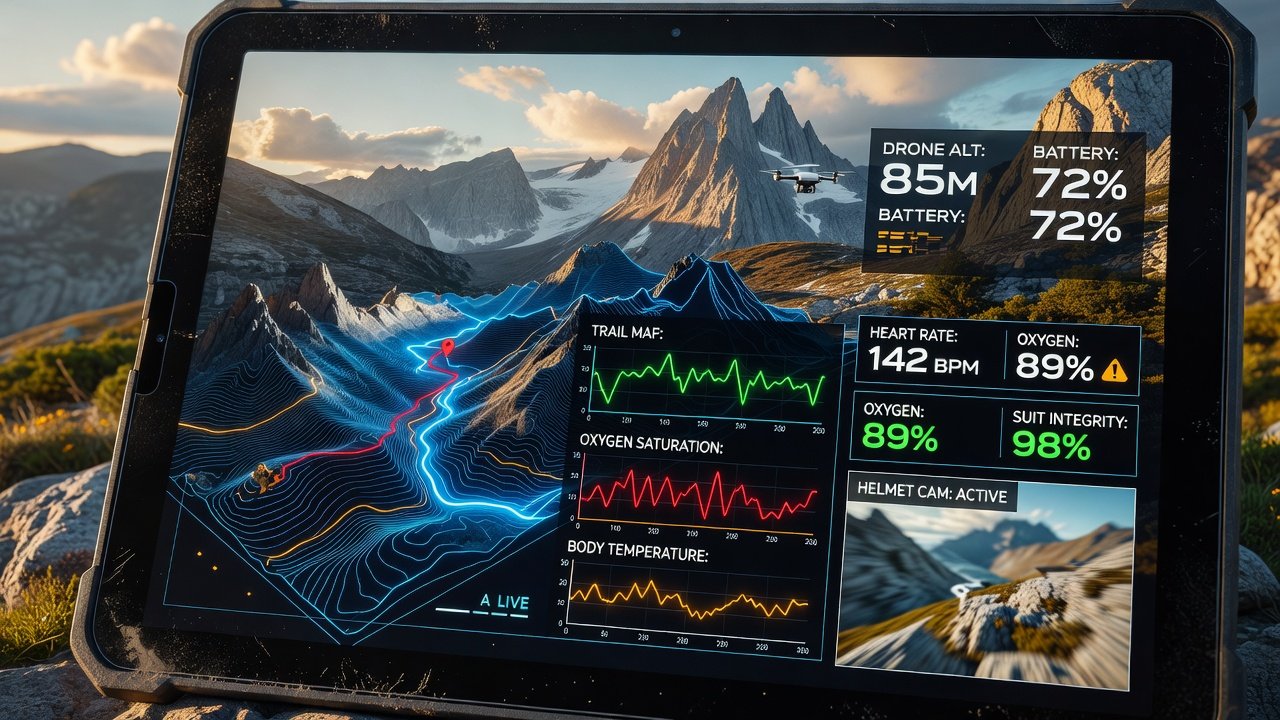
Drones provide aerial mapping that complements on-body sensors. Hikers receive combined dashboards showing terrain difficulty alongside personal vitals. This synergy supports dynamic route planning and emergency response coordination in remote areas. To integrate effectively, sync your wearable app with drone software beforehand, allowing real-time data overlays such as wind patterns combined with heart rate spikes. This setup enables proactive adjustments, like rerouting around unstable slopes detected by drone imagery.
Training Routines Enhanced by Wearable Insights
Incorporate AI feedback into weekly regimens. Start with endurance builds using heart rate zones derived from suit data, then add interval sessions guided by fatigue predictions from the helmet. Review post-hike analytics to refine recovery protocols and prevent overtraining. A sample routine might include three days of zone-based cardio, two strength sessions informed by muscle metrics, and active recovery days with light monitoring. Over months, this data-driven approach leads to measurable gains in stamina and reduced injury rates for extreme hiking preparation.
Risk Reduction Tips for Thrill Travel Enthusiasts
- Always cross-reference wearable alerts with official weather sources to confirm AI predictions.
- Carry backup manual navigation tools despite AI reliability in case of device failure.
- Share real-time data streams with your support team for collaborative monitoring.
- Practice emergency protocols triggered by suit or helmet warnings during training sessions.
- Monitor for sensor drift by periodic manual checks on vital signs.
- Use historical data logs to identify personal risk patterns in similar terrains.
Resources from the Centers for Disease Control and Prevention emphasize hydration and acclimatization strategies that pair well with these technologies, while guidance from the U.S. Forest Service highlights trail-specific hazard awareness that AI can enhance.
FAQs on Choosing Devices for Different Skill Levels
What suits beginners best?
Start with lightweight helmets focused on navigation and basic vitals rather than full biometric suits to avoid overwhelming complexity.
Are advanced models worth it for experts?
Yes, premium options deliver granular muscle analytics and drone sync that enhance performance at elite levels during technical routes.
How do I maintain these devices on long expeditions?
Use solar-compatible chargers and protective cases rated for extreme conditions while performing daily sensor cleanings.
Can these wearables work in extreme cold or heat?
Most 2026 models include thermal regulation features, but always verify ratings for your target environment and test in advance.
What skill level requires drone integration?
Intermediate and advanced hikers benefit most, as beginners should master core wearable functions first before adding aerial data layers.
Conclusion: Elevate Your Next Adventure
AI wearables represent a pivotal shift in extreme hiking, blending safety enhancements with performance gains. By understanding the technologies, following setup best practices, and integrating drone insights, adventurers can pursue peak experiences with greater confidence. Embrace these tools to unlock new possibilities in outdoor exploration and adventure travel while staying informed through reliable external resources.

No comments yet. Be the first!