 PlaceBee

Introduction to AI Wearables in Thrill Travel
As adventure travel evolves in 2026, AI wearables are transforming how thrill seekers approach extreme sports. From BASE jumping to rugged hiking, these devices integrate biometric monitoring, real-time GPS analytics, and mindfulness prompts to boost performance while minimizing risks. Athletes now rely on data-driven insights to push boundaries safely, turning high-stakes activities into optimized experiences. This guide explores practical integration steps, athlete case studies, comparisons with traditional gear, and forward-looking trends emphasizing safety and mental focus. Whether you are a seasoned professional or an aspiring adventurer, understanding these tools can elevate your next expedition.
Understanding Key AI Wearables for Extreme Sports
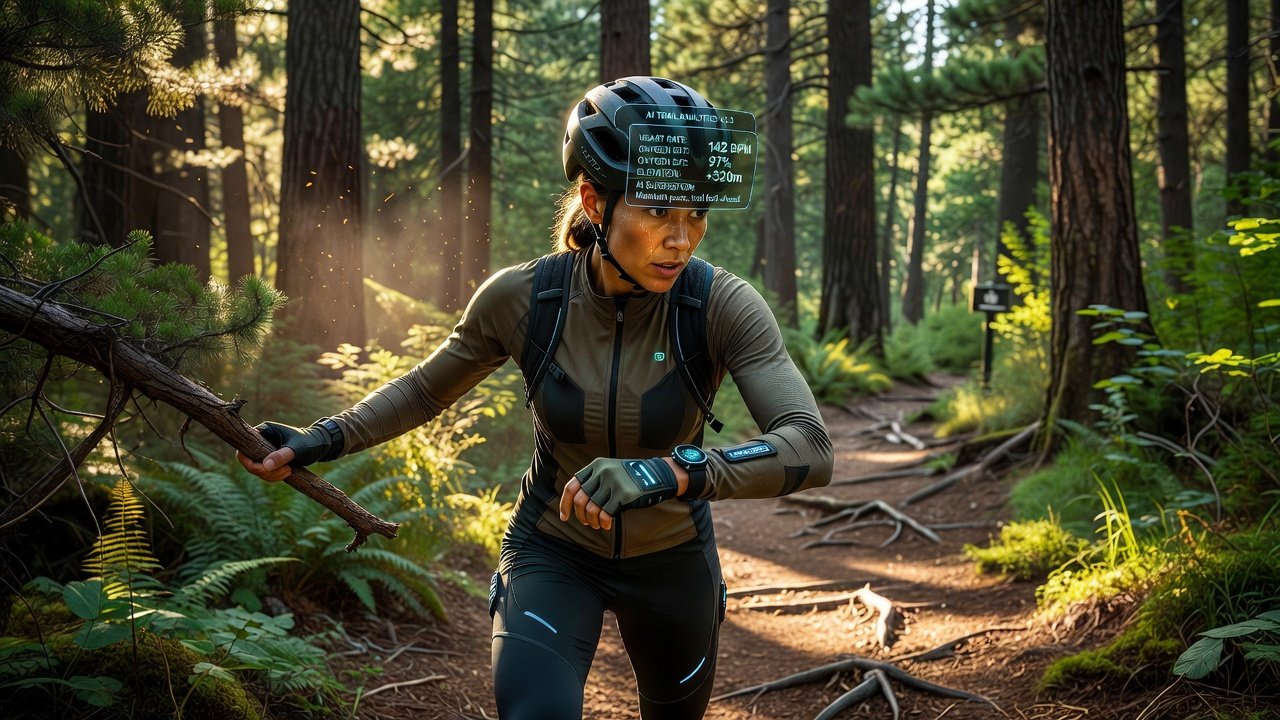
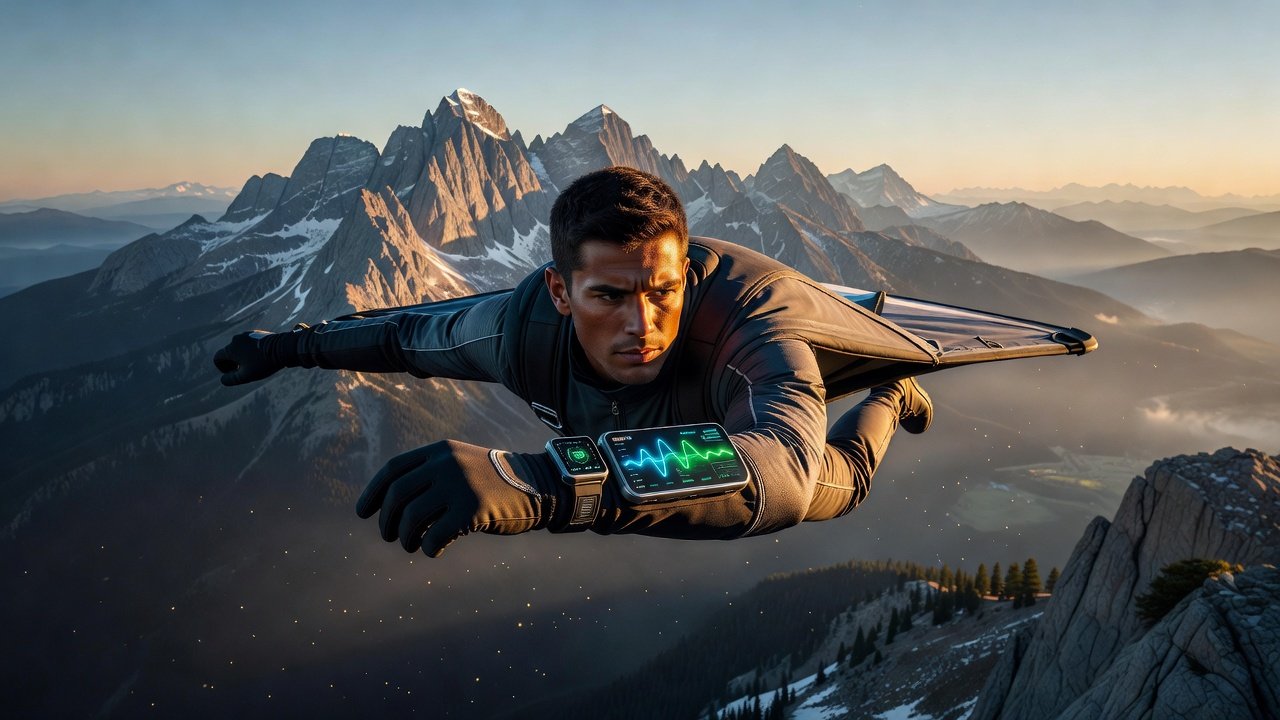
Biometric helmets track heart rate variability, oxygen levels, and stress indicators using embedded sensors that connect wirelessly to companion applications. GPS-enabled suits provide navigation overlays and terrain analysis, syncing with AI apps for predictive route adjustments based on elevation changes and weather patterns. In 2026, these tools emphasize mindfulness by delivering breathing cues during high-adrenaline moments, helping athletes maintain composure when facing unpredictable elements. Additional features include thermal regulation alerts and impact detection that can automatically notify emergency contacts. The technology builds on advances in machine learning to personalize feedback, adapting to individual physiology over time for more accurate performance predictions.
Practical Setup Steps for AI Wearables
Begin by selecting compatible devices from reputable manufacturers that support 2026 firmware standards. Charge units fully and pair them via Bluetooth with a smartphone app, ensuring all permissions for location and health data are granted. Calibrate sensors in a controlled environment before heading outdoors to establish accurate baselines. For BASE jumping, attach helmet modules securely using reinforced straps and test GPS suit connectivity on short practice jumps to verify signal stability. Hikers should map trails in advance within the app and enable real-time sharing features for group safety during remote treks.
- Update all software to the latest versions for enhanced AI algorithms.
- Perform a full sensor calibration walk or jump simulation.
- Customize alert thresholds based on personal health metrics.
- Integrate with cloud storage for post-activity analysis.
- Test battery life under simulated conditions for at least two hours.
This setup typically takes under 30 minutes once familiar with the interface, but allow extra time for troubleshooting connectivity in varied environments.
Real Athlete Examples from BASE Jumping and Hiking
Professional BASE jumper Elena Vargas credits her biometric helmet for a noticeable improvement in reaction times during 2025-2026 competitions. The device flagged rising cortisol levels mid-jump, prompting immediate mindfulness resets that prevented errors in timing. In hiking, ultra-endurance athlete Marcus Hale used GPS suits on the Pacific Crest Trail to optimize pacing, reducing injury downtime by syncing terrain data with recovery suggestions and hydration reminders. Another example comes from team expeditions in the Alps where multiple athletes shared suit data to coordinate group movements, avoiding avalanche-prone zones detected by collective AI analysis. These cases demonstrate how feedback loops convert raw adrenaline into strategic advantages, fostering both physical gains and mental resilience across disciplines.
Performance Comparisons with Traditional Gear
Traditional helmets offer basic protection but lack data insights, often leaving athletes to rely solely on intuition. AI versions add predictive analytics, allowing dynamic effort adjustments that can improve overall efficiency by significant margins in controlled tests. GPS suits outperform paper maps by providing live weather integration and hazard avoidance, which proves critical in rapidly changing mountain conditions. Studies from outdoor organizations show AI-equipped athletes report higher satisfaction and lower incident rates in variable environments. The mindfulness component further differentiates modern gear, as traditional setups offer no support for stress management during prolonged exposure to risk.
Risk Reduction Tips for Thrill Seekers
Always cross-reference AI alerts with personal judgment rather than depending exclusively on technology. Maintain backup analog tools like compasses and physical maps for redundancy in signal-loss scenarios. Practice device removal drills in case of malfunction to ensure quick adaptation. For mindfulness integration, schedule post-activity reviews to process data without over-reliance, promoting long-term mental health. Join community forums for shared 2026 best practices on firmware safety patches and seasonal updates. Additional precautions include regular hardware inspections for wear and tear, especially in harsh weather, and establishing clear communication protocols with support teams before any high-risk outing.
Training Routines Incorporating AI Wearables
Start with weekly baseline sessions consisting of three days of monitored cardio paired with biometric feedback to identify patterns in heart rate recovery. Progress to sport-specific drills, such as simulated BASE exits with helmet data review immediately after each attempt. Include dedicated mindfulness modules featuring five-minute guided sessions triggered by elevated stress readings to build focus under pressure. Track progress monthly through detailed reports that highlight improvements in endurance and decision-making speed. Incorporate rest days with lighter data monitoring to prevent burnout while still analyzing sleep quality metrics. This structured approach ensures balanced development, combining physical conditioning with cognitive enhancements for comprehensive thrill travel preparation.
Sustainability Angles in AI-Enhanced Adventures
Many 2026 wearables incorporate recycled materials and solar charging options, which help reduce the overall environmental footprint of adventure gear production. Athletes can further minimize trail degradation by following AI-optimized low-impact routes that avoid sensitive ecosystems. This approach aligns with broader conservation efforts promoted by National Park Service guidelines and global health resources from WHO on mindful outdoor engagement. Additional benefits arise from reduced single-use plastics in packaging and extended device lifespans through modular repairs, encouraging a shift toward responsible consumption in the thrill travel community. By choosing eco-certified brands, participants contribute to habitat preservation while enjoying advanced technology.
FAQ: Common Concerns for Thrill Seekers
Are AI wearables reliable in remote areas?
Yes, most models include offline caching with satellite backups for GPS functions, though battery life should be monitored closely and spare power banks carried as standard.
How do they support mindfulness?
Built-in prompts encourage real-time breathing exercises and focus techniques, helping regulate adrenaline during intense activities and aiding post-event reflection for better emotional regulation.
What about data privacy?
Choose devices with end-to-end encryption and review app permissions regularly to protect sensitive biometric information from unauthorized access.
Can beginners use them effectively?
Start with guided tutorials and simplified modes; the learning curve is manageable with consistent practice sessions and community support resources.
Do these devices require frequent maintenance?
Routine cleaning and firmware checks every few weeks suffice, with professional servicing recommended annually to maintain peak accuracy and safety compliance.
Conclusion
Integrating AI wearables into 2026 thrill travel elevates both performance and safety through targeted data and mindful practices. By following these detailed steps and embracing emerging trends, adventurers can enjoy more rewarding, responsible experiences in extreme environments while contributing positively to sustainability efforts.
No comments yet. Be the first!