 PlaceBee
Discovering Secret Teahouse Spots for 2026 Slow Travel
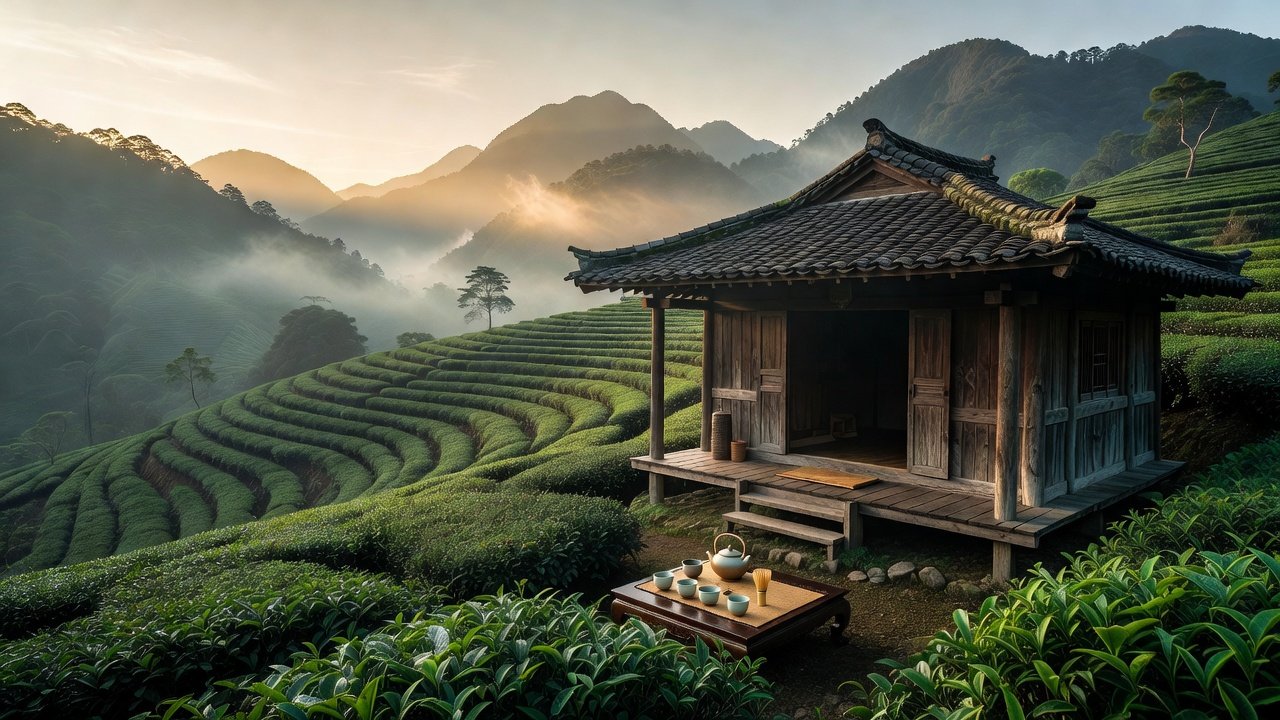
Tea enthusiasts seeking authentic, low-crowd experiences are turning to hidden gems beyond famous destinations like Kyoto or Darjeeling. In 2026, sustainable teahouses and tea-growing villages in Asia, Europe, and South America offer unique brewing rituals, direct connections with growers, and eco-friendly practices that mainstream tourism often overlooks. These locations prioritize small-batch, responsibly sourced teas while providing immersive encounters that feel personal rather than commercial. Travelers can expect to learn about traditional harvesting techniques passed down through generations, participate in mindful brewing sessions, and support communities focused on environmental stewardship. Unlike high-volume tourist sites, these spots limit daily visitors to preserve the tranquility of the tea gardens and surrounding ecosystems.
The appeal lies in the contrast to overcrowded tea trails. Mainstream destinations often feature rushed group tours and souvenir shops, whereas these hidden villages emphasize quiet reflection and genuine cultural exchange. Planning a 2026 trip involves checking seasonal harvest calendars and arranging stays with local families for the most rewarding experiences.
Underrated Teahouses and Villages in Asia
Asia holds some of the most rewarding off-path tea destinations. In Taiwan's remote Alishan foothills, the village of Shanlinxi features family-operated teahouses specializing in high-mountain oolong. Here, growers demonstrate hand-rolling techniques and use pure spring water for infusions that highlight floral notes. Transport involves flying into Taichung International Airport followed by a scenic two-hour local bus ride through winding mountain roads. The optimal visit window is March through May to coincide with the first flush harvest when leaves are at peak freshness.
Near Munnar in India's Kerala region, a secluded backwater village offers cardamom and black tea experiences in traditional clay-pot brewing rituals. Visitors can join dawn plucking sessions and learn about shade-tree intercropping for biodiversity. Reach the area by train to Ernakulam then a three-hour private transfer or local bus. October to December provides the best weather with fewer visitors than peak winter months.
South Korea's Jiri Mountain villages host intimate green tea houses where ceremonies incorporate wild herbs and bamboo whisks. These contrast with busier Jeju Island sites by offering one-on-one sessions with master brewers. Access via high-speed train from Seoul to Jinju followed by a mountain shuttle. Spring and autumn visits deliver mild temperatures ideal for outdoor tastings.
Additional Asian gems include a quiet estate in Sri Lanka's Knuckles Range for single-origin white teas, a remote Assam village in India focused on orthodox leaf processing, and a hillside cooperative in China's Fujian province away from tourist circuits. Each provides sustainable sourcing education through direct grower conversations.
European Hidden Tea Experiences
Europe offers surprising tea culture in lesser-known corners. Portugal's Azores islands near Ponta Delgada showcase volcanic soil teas at small estates. Rituals feature wood-fired withering and tastings paired with local cheeses. Ferry from Lisbon or fly into Ponta Delgada airport for easy access. June through September brings comfortable conditions without summer crowds.
Slovenia's Lake Bohinj area features herbal tea houses blending foraged botanicals with sustainable wildcrafting practices. Workshops teach identification of native plants and proper drying methods. Drive from Ljubljana or take regional buses. These experiences differ from bustling Viennese coffeehouses by focusing on forest-to-cup journeys in peaceful alpine settings.
Further European finds include hidden estates in Georgia's Caucasus mountains for black tea traditions and rural spots in eastern Poland emphasizing organic herbal blends. These provide low-impact visits compared to major capitals.
South American Tea Villages
South America delivers emerging tea scenes rich in biodiversity. Argentina's Andean valleys near Tucumán host cooperative tea farms producing malty black teas alongside yerba mate. Sustainable methods include cover cropping and natural pest management. Bus from Salta takes about four hours through scenic passes. April to June offers harvest participation opportunities.
Brazil's Serra do Mar region near São Paulo hides organic tea plantations integrated with Atlantic rainforest conservation. Cold-brew rituals and soil health workshops are highlights. Fly into Curitiba then arrange a local transfer. March to May avoids peak humidity and tourist influxes.
Colombia's Coffee Triangle tea plots and Peru's highland estates round out the list with unique high-altitude flavor profiles and community-led tours. These eight to ten spots together create a diverse slow-travel route across continents.
Practical Transport, Seasons, and Packing
Effective planning starts with flexible transport options. Regional buses and shared shuttles often provide the most authentic arrivals, though private drivers are recommended for very remote villages. Apps and local tourism offices supply up-to-date schedules. Seasonal windows align with harvests to maximize freshness and activity availability, typically spring or autumn in each hemisphere.
- Reusable tea strainer and travel kettle for personal tastings
- Lightweight, breathable clothing layers suited to variable mountain weather
- Comfortable walking shoes with good grip for garden paths
- Notebook and pen for recording flavor notes and grower stories
- Eco-friendly toiletries and reusable water bottle to minimize waste
- Light rain jacket and hat for unexpected showers
- Small gifts like local spices from home to exchange with hosts
These items ensure comfort while respecting the sustainable ethos of each destination.
Connecting with Local Growers and Sustainable Practices
Direct connections happen through village cooperatives or verified eco-tourism platforms. Many hosts welcome advance emails describing interests in brewing or farming. Sustainable sourcing involves learning about soil regeneration, water conservation, and fair labor standards that protect both the environment and communities.
Comparing to Mainstream Tea Tourism
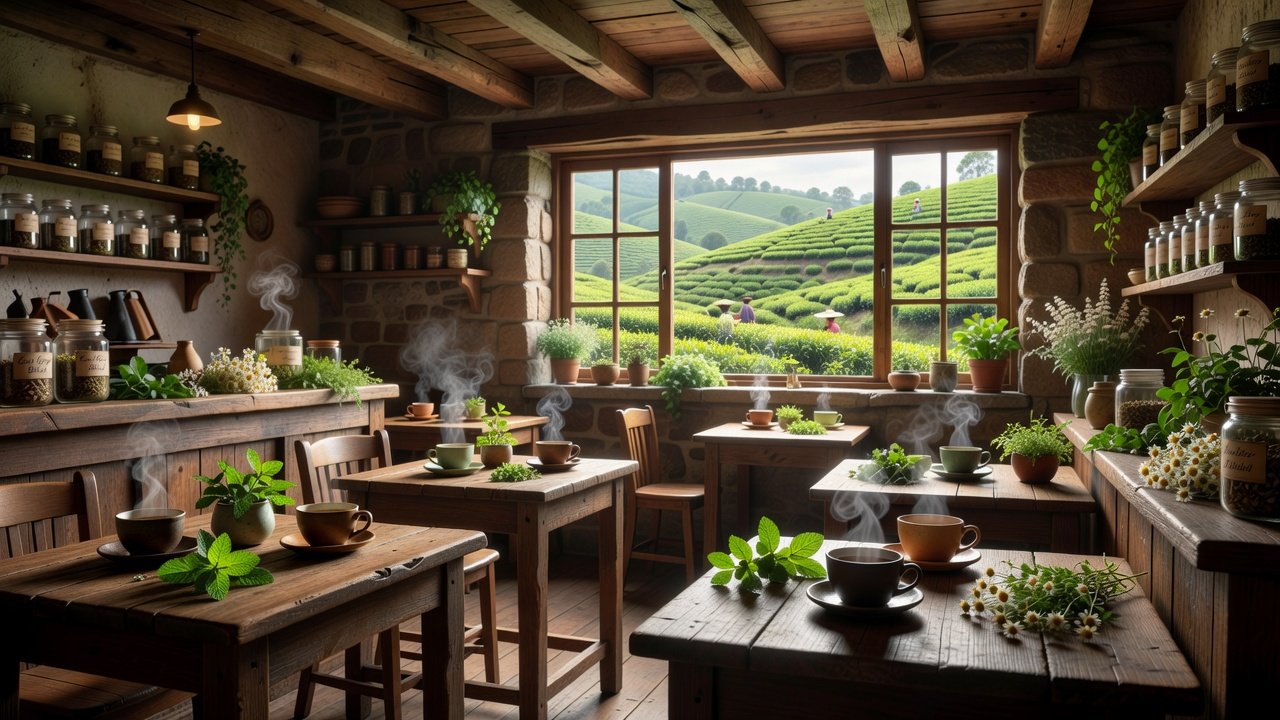
Mainstream tea tourism often involves large estates with scripted tours and gift shops, leading to crowded conditions and superficial interactions. Hidden gems instead foster meaningful relationships, support small producers, and allow unhurried exploration of rituals and landscapes. Travelers consistently note stronger memories and a sense of contributing to preservation efforts.
Short FAQ on Etiquette and Booking
How to book hidden experiences? Email teahouses or cooperatives directly four to six weeks in advance, specifying group size and interests for tailored sessions.
Tea etiquette tips? Allow hosts to pour first, sip without slurping, and express appreciation for the specific flavors shared.
What if weather disrupts plans? Have indoor backup activities like leaf sorting demonstrations ready.
These destinations reward patient explorers with memorable, sustainable tea journeys in 2026 and beyond.

No comments yet. Be the first!