 PlaceBee
Introduction to Family Extreme Sports Adventures
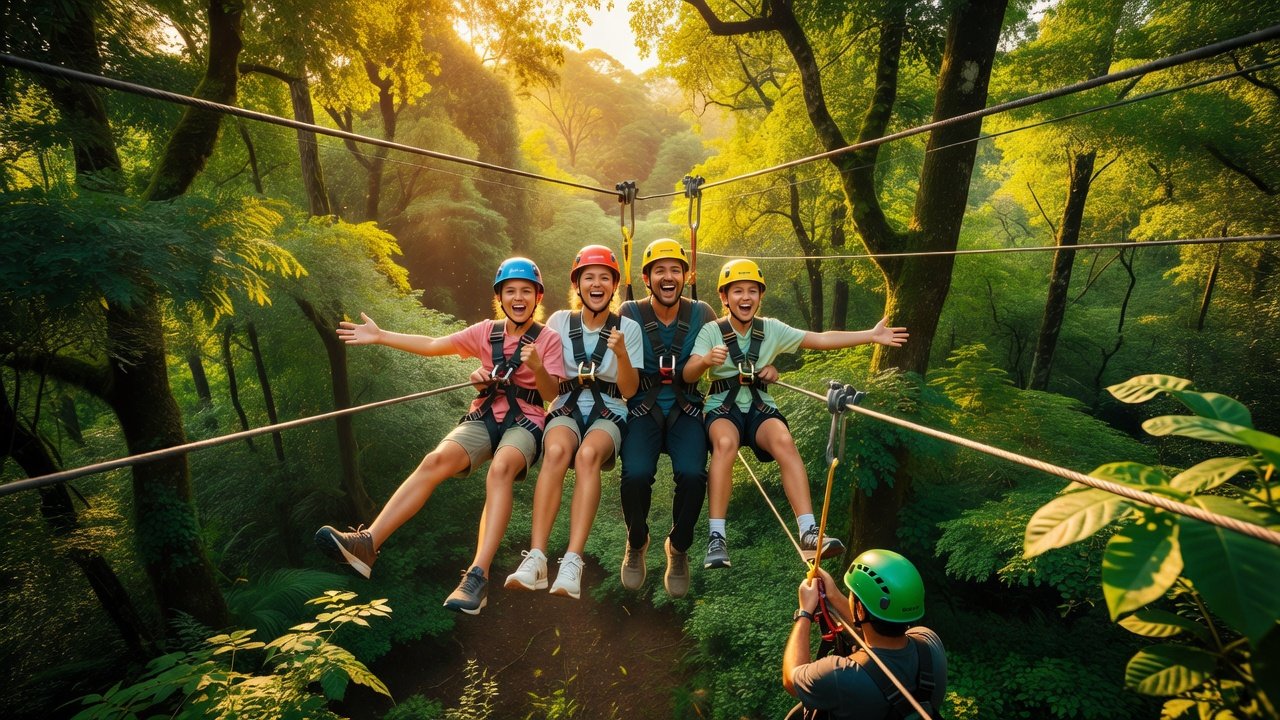
Extreme sports offer families an exciting way to bond while exploring the outdoors in 2026. This guide helps parents introduce children to thrilling activities safely, focusing on age-appropriate selections and essential preparations. Adventure travel with kids requires careful planning to balance excitement with education and risk management. Many families seek inclusive outdoor adventures that build confidence, resilience, and a lifelong appreciation for nature. By following structured approaches, parents can enjoy activities like zip-lining through forests, kayaking gentle rapids, introductory rock climbing, and mountain biking on family-friendly trails without compromising safety. The key lies in matching activities to children's developmental stages while incorporating progressive skill-building and professional guidance.
Research shows that supervised extreme sports can enhance physical fitness, decision-making skills, and family connections when executed thoughtfully. This comprehensive resource covers every aspect from initial selection to post-trip reflection, ensuring parents feel equipped for memorable yet secure experiences.
Selecting Age-Appropriate Extreme Sports Activities
Choosing the right activity depends on children's ages, physical abilities, and prior experience levels. For younger kids aged 6-9, start with low-impact options such as guided ziplines over short distances or gentle river floats on calm waters. These build initial comfort with harnesses and heights. Older children aged 10-14 can progress to more challenging pursuits like mountain biking on moderate trails or introductory surfing lessons in controlled beach environments.
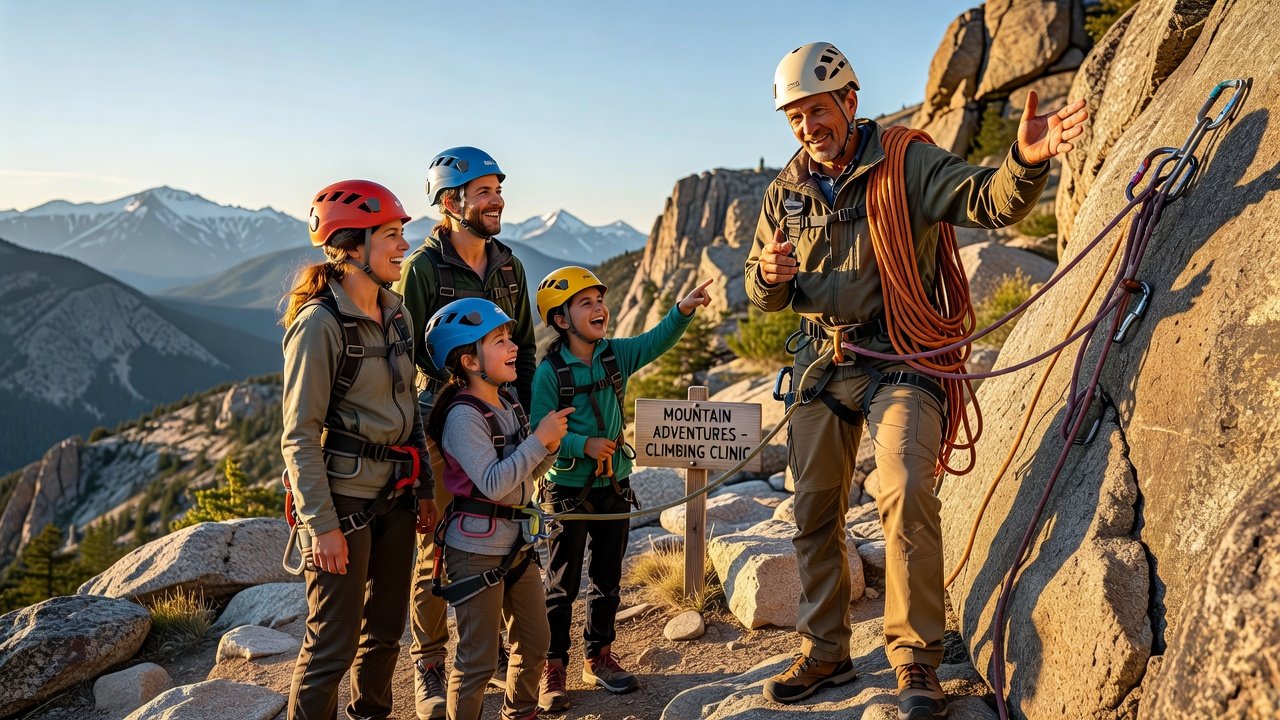
Consider physical development, coordination, and emotional maturity when evaluating options. Activities like canyoning or whitewater rafting typically require participants to be at least 10 years old, while some climbing programs accept 7-year-olds with specialized youth gear. Always consult instructors about minimum age requirements and skill prerequisites specific to the location. Mixed-age groups benefit from operators offering tiered difficulty levels that allow customization, ensuring everyone participates at their comfort level while maintaining group cohesion.
Essential Safety Protocols for Family Groups
Safety forms the foundation of any successful family extreme sports trip. Begin with thorough medical check-ups for all participants and obtain comprehensive travel insurance that covers adventure activities. Professional guides certified by recognized organizations should lead all sessions, with a recommended ratio of one guide per four children for younger groups.
Key protocols include wearing certified helmets, life jackets, and harnesses at all times, along with establishing clear communication signals and emergency procedures before starting. Parents should review weather conditions, terrain reports, and local regulations daily. Centers for Disease Control and Prevention provides valuable resources on outdoor activity safety for children, including hydration guidelines and injury prevention strategies. Additional measures involve carrying first-aid kits tailored for kids, setting buddy systems, and conducting pre-activity briefings that cover potential hazards like loose rocks or changing water levels.
Adapting Gear for Younger Participants
Standard adult equipment often needs modification for kids to ensure proper fit and comfort. Look for youth-specific helmets with adjustable sizing, smaller harnesses featuring padded leg loops, and adjustable life vests designed for growing bodies. Reputable outfitters supply properly fitted gear tailored to children and conduct fittings on-site before departure.
Ensure all items meet current safety standards from organizations like ASTM or CE and undergo regular inspections. Comfortable, moisture-wicking clothing layers in bright colors help kids stay visible and focused during activities. Test gear fit during practice sessions in advance to avoid discomfort or chafing on the actual adventure day. Families should also pack backup items such as extra socks, sunscreen formulated for sensitive skin, and child-sized gloves for gripping ropes or handlebars.
Training Progressions and Skill Building
Effective training starts with basic skills in controlled environments before advancing to real-world settings. Begin with indoor climbing walls or pool-based kayaking lessons to build foundational techniques like proper body positioning and breathing control. Families can dedicate weekend sessions over several months to gradually increase intensity.
Progress gradually over multiple sessions, incorporating personalized feedback from certified instructors who track individual milestones. This structured approach reduces anxiety and increases enjoyment by emphasizing both physical skills and mental preparedness. For example, a progression might move from flat-water paddling to small waves, then supervised rapids, allowing children to celebrate incremental achievements along the way.
Ideal Destinations for Mixed-Age Family Groups
Destinations like national parks and dedicated adventure resorts cater exceptionally well to families seeking varied experiences. Locations with diverse terrain offer options for different skill levels, such as easy interpretive trails alongside advanced climbing routes. Popular choices include areas in the Rocky Mountains for summer hiking and biking or coastal regions with calm water sports suitable for all ages.
Research family-friendly operators who provide multi-generational packages including educational components. Consider accessibility features, proximity to medical facilities, and opportunities for nature-based learning. National Park Service offers extensive insights into safe outdoor recreation opportunities across the United States, including family activity recommendations and permit requirements. Other strong options include New Zealand's adventure lodges or European Alps family camps that emphasize progressive skill development in scenic settings.
Balancing Thrill with Educational Value
Extreme sports become more meaningful when paired with learning opportunities that extend beyond the activity itself. Incorporate lessons on environmental conservation, teamwork dynamics, and personal goal-setting during trips. Many programs integrate science-based activities, such as identifying local wildlife while hiking to adventure sites or discussing water currents during rafting excursions.
This balance helps children develop respect for nature and understand risk assessment principles. Parents can reinforce these lessons through post-activity discussions, journal prompts, or follow-up experiments at home, turning short-term thrills into lasting life skills that promote environmental stewardship and emotional growth.
Real Family Case Studies
The Thompson family from Colorado introduced their 8- and 12-year-old children to guided canyoning in Utah over a long weekend. Starting with short descents and building to longer routes across three days with professional oversight, they reported measurable increases in family confidence, communication, and problem-solving abilities upon returning home.
Another example involves the Rivera family who combined surf lessons with marine biology education along the California coast. Their structured progression from beach safety briefings to wave riding over five sessions demonstrated how thorough preparation leads to memorable, low-risk experiences that spark ongoing interest in oceanography for the children involved.
Step-by-Step Planning Checklists
- Research destinations and certified operators at least three months in advance, reading recent reviews and verifying insurance coverage.
- Verify age, height, weight, and health requirements for each chosen activity directly with providers.
- Pack and test all specialized gear, including backups, one week prior during a family practice session.
- Schedule training sessions in logical sequence from basic safety to advanced techniques with rest days in between.
- Confirm emergency contacts, evacuation plans, and nearby medical facilities with lead guides before departure.
- Prepare educational materials related to the destination's ecosystem, wildlife, and cultural history.
- Review weather forecasts daily and maintain flexible backup plans including indoor alternatives or shorter routes.
- Discuss expectations and fears openly with children during pre-trip meetings to set realistic goals.
Common Mistakes to Avoid
One frequent error is rushing into advanced activities without adequate training, which can lead to frustration or minor injuries. Another involves neglecting proper gear fitting for growing children, resulting in discomfort that distracts from the experience. Parents should also avoid ignoring children's verbal cues about fatigue or fear, instead prioritizing open communication and optional opt-outs at any stage.
Frequently Asked Questions
What is the minimum age for most family extreme sports?
Many activities accept children as young as 6 with adult supervision, though requirements vary significantly by operator, location, and specific sport. Always confirm directly with providers and review medical clearance needs.
How can parents manage fear during first-time adventures?
Start with observation sessions, use positive reinforcement techniques, and choose highly rated instructors experienced with anxious participants. Gradual exposure combined with breathing exercises often works best for building comfort.
Are there specific health considerations for kids?
Consult pediatricians about conditions like asthma, joint issues, or allergies well before travel. Hydration, sun protection, and appropriate pacing of activities remain critical regardless of individual health status.
What should families pack beyond standard gear?
Include child-friendly snacks, personal medications, a basic first-aid kit with pediatric supplies, and entertainment for travel days to maintain positive moods throughout the journey.
How do weather changes affect family extreme sports plans?
Always have contingency options ready, such as shifting to lower-intensity activities or rescheduling. Professional guides monitor conditions closely and prioritize group safety above completing planned routes.
Conclusion
Family extreme sports in 2026 provide rewarding opportunities when approached with thorough preparation, professional guidance, and respect for safety. By selecting suitable activities, following established protocols, adapting gear correctly, and emphasizing educational elements, parents create unforgettable adventures that strengthen family bonds and foster personal development. Start planning today with the checklists and insights provided to experience safe thrills together in inspiring outdoor environments.
No comments yet. Be the first!