 PlaceBee
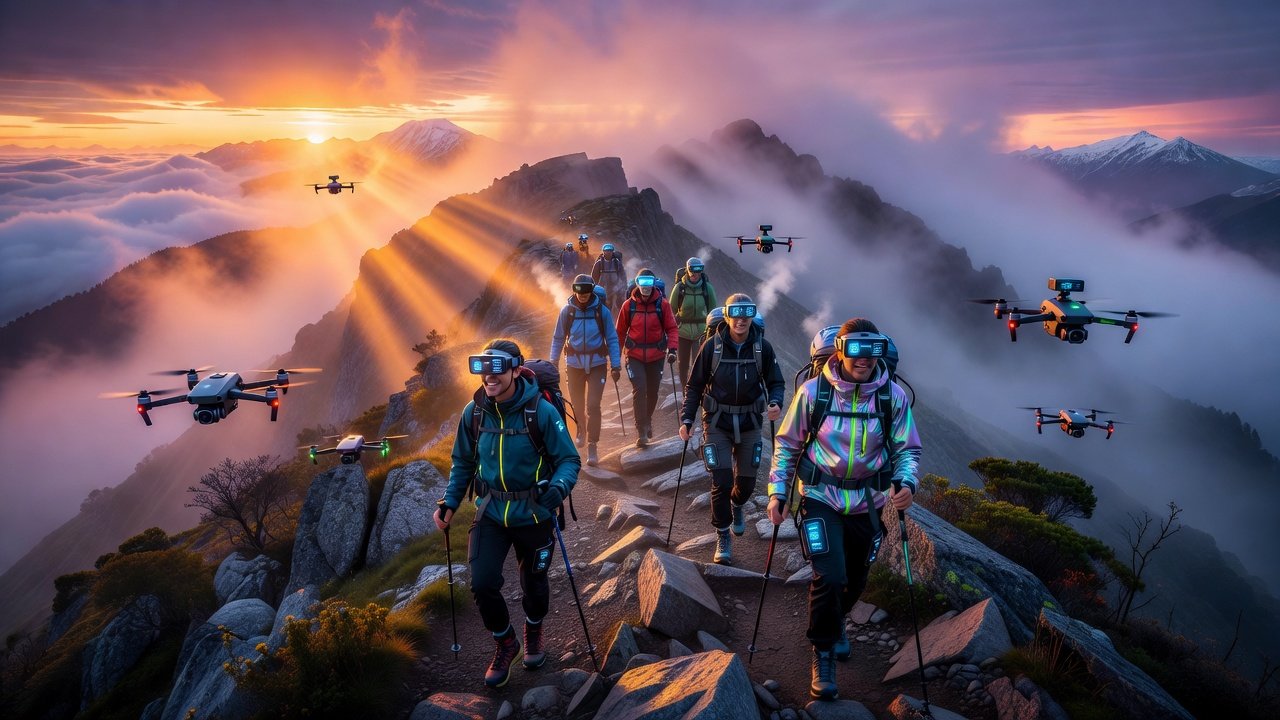
Introduction to AI-Powered Extreme Adventures
In 2026, extreme travel is evolving rapidly as artificial intelligence and drone technology merge with outdoor pursuits. AI hiking and drone-assisted BASE jumping are leading this shift, offering safer, more personalized experiences for thrill-seekers. These hybrid human-AI adventures optimize routes, enhance safety, and open new destinations while addressing sustainability concerns in popular outdoor areas. Travelers now rely on AI for real-time route optimization based on weather, terrain, and personal fitness data. Drones provide aerial support during high-risk activities like BASE jumping, reducing some traditional hazards. This trend builds on growing interest in tech-enhanced adventures that blend physical challenge with smart assistance, creating opportunities for both novice explorers and seasoned athletes to push boundaries responsibly.
The appeal lies in the fusion of human intuition with machine precision. AI systems process vast environmental datasets to suggest paths that maximize thrill while minimizing unnecessary exposure to danger. Meanwhile, drones act as dynamic scouts, delivering live video feeds and environmental readings that inform split-second decisions. As these technologies mature, they are reshaping how adventurers approach remote and challenging terrains across the globe.
Real-World Examples of AI Route Optimization and Drone Safety Tech
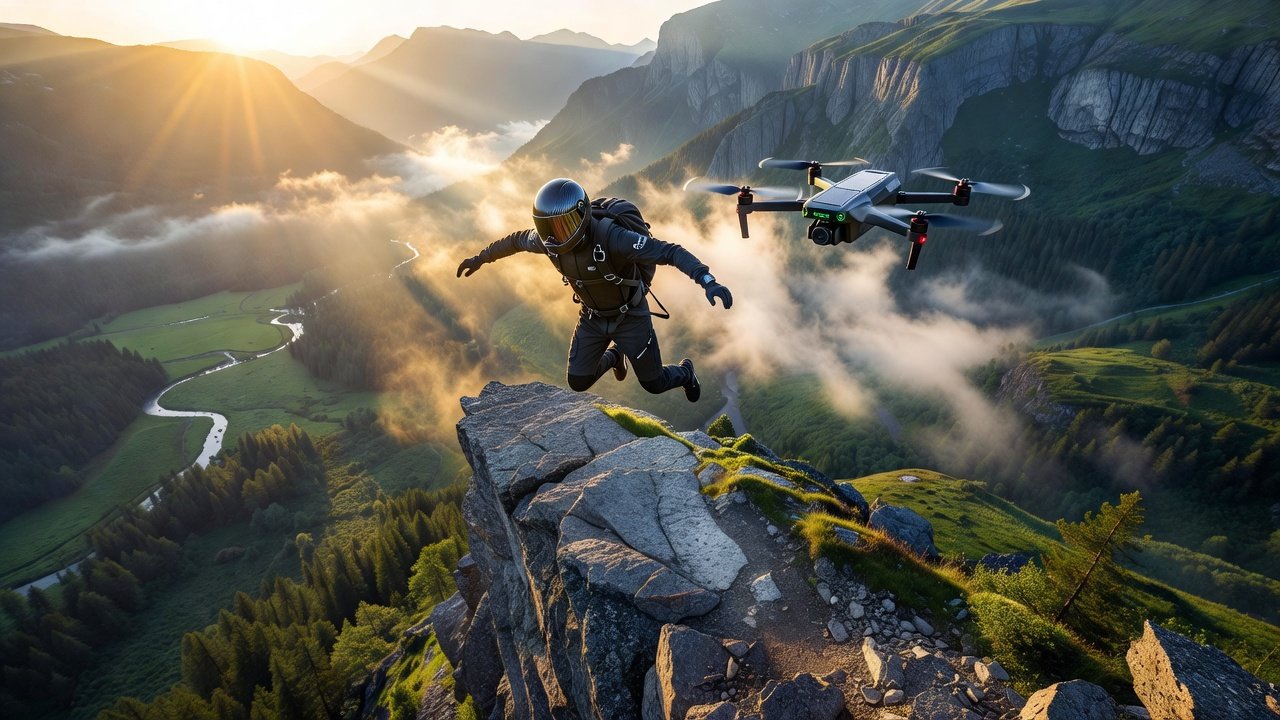
Consider a hiker in the Swiss Alps using an AI app that analyzes satellite data and user biometrics to suggest dynamic trails. The system adjusts paths mid-hike to avoid sudden weather changes, a capability demonstrated in recent expeditions reported by outdoor tech firms. In drone-assisted BASE jumping, pilots deploy small drones equipped with sensors to scout landing zones seconds before launch, relaying live feeds to the jumper's helmet display. Another example comes from Patagonia, where AI platforms integrate with drone fleets to monitor group expeditions, alerting participants to avalanche risks via predictive modeling. These tools draw from vast datasets to deliver precise guidance unavailable in conventional setups.
Further afield, expeditions in New Zealand's Southern Alps have utilized AI-driven apps to reroute treks around unstable ice fields, incorporating drone footage for crevasse detection. In the Canadian Rockies, hybrid teams combine AI hiking planners with tethered drones that carry emergency supplies, allowing longer unsupported journeys. These cases illustrate how the technology extends human capability without replacing core skills like navigation and physical endurance.
Gear Requirements for AI Hiking and Drone Sports
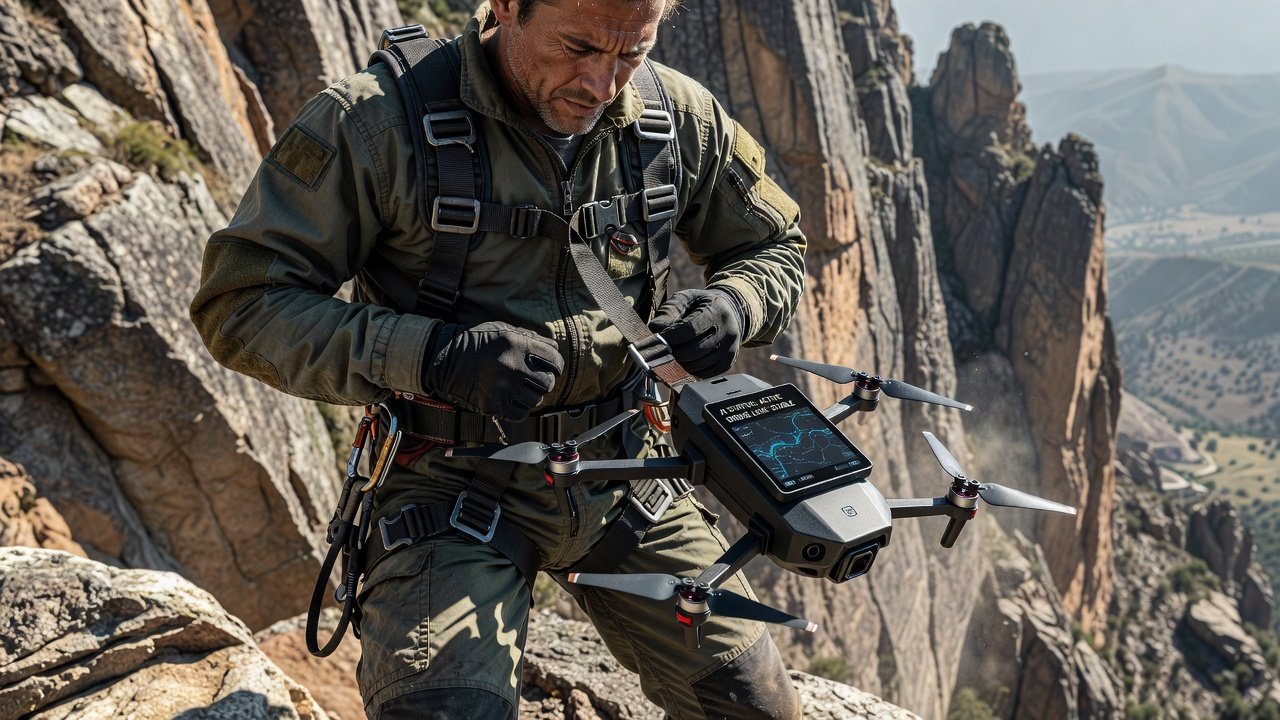
Essential gear starts with lightweight AI-enabled wearables like GPS watches with integrated machine learning for performance tracking. Hikers need rugged tablets or smartphones running specialized navigation software, plus portable power banks to sustain devices on multi-day treks. For drone-assisted BASE jumping, participants require compact, high-endurance drones with obstacle avoidance and thermal cameras, along with reinforced harnesses that accommodate drone mounting points. Additional items include noise-cancelling communication headsets for drone coordination and eco-friendly, durable clothing that withstands both physical activity and equipment weight. Always verify compatibility between AI apps and drone firmware before heading out. Battery life remains a critical factor, so many adventurers carry redundant power solutions rated for extreme temperatures.
Training Steps for Beginners
Start with foundational fitness conditioning focused on endurance and balance. Next, master basic AI app interfaces through simulator training on home devices. Progress to supervised group hikes using AI guidance in controlled environments. For drone sports, complete certified drone piloting courses emphasizing safety protocols, then practice tethered jumps before attempting full BASE scenarios with drone oversight. Advanced training includes scenario-based simulations of equipment failure and emergency responses. Many programs now incorporate virtual reality modules to replicate real-world variables without physical risk. Beginners should dedicate at least several weeks to progressive skill-building, gradually increasing complexity from urban parks to wilderness settings. Mentorship from experienced guides who understand both the tech and the terrain accelerates safe learning curves significantly.
Risk Comparisons to Traditional Sports
Traditional BASE jumping carries high injury rates due to unpredictable winds and landing errors. AI and drone integration lowers these by providing pre-jump terrain scans and real-time adjustments. Hiking risks like getting lost diminish significantly with AI optimization, though new concerns around device dependency arise. Overall, hybrid approaches show improved safety metrics compared to unaided versions of the same activities. For instance, traditional hiking sees frequent cases of disorientation in poor visibility, while AI systems offer continuous recalibration. Drone support in BASE jumping adds layers of visual confirmation that traditional spotters cannot match. However, over-reliance on technology can create complacency, so training emphasizes maintaining manual backup skills at all times.
Sustainability Benefits of Tech-Enhanced Adventures
AI route planning helps distribute foot traffic across lesser-used paths, reducing erosion in sensitive ecosystems. Drones minimize the need for ground-based support vehicles, cutting carbon emissions on remote expeditions. These technologies also support wildlife monitoring, allowing adventurers to avoid critical habitats. By promoting responsible exploration, they contribute to long-term preservation of adventure destinations. In practice, AI algorithms can prioritize routes that avoid breeding seasons for local species, while drone surveys help document environmental changes for conservation groups. This dual benefit of personal adventure and planetary stewardship appeals to a growing segment of eco-conscious travelers.
Beginner Checklist
- Research and download approved AI navigation apps with offline capabilities.
- Complete basic first-aid and drone safety certification.
- Test all equipment in local parks before remote travel.
- Pack emergency manual backups for all tech tools.
- Review local regulations via official sources.
- Plan sustainable practices such as leave-no-trace principles.
- Build a support network of fellow tech-savvy adventurers for shared learning.
- Schedule regular gear maintenance checks before each major outing.
Destination Spotlights
Norway's fjords offer prime AI hiking with drone support, featuring dramatic cliffs ideal for BASE jumping. Iceland's volcanic landscapes provide testing grounds for route optimization algorithms amid changing terrain. In the United States, areas managed by the National Park Service attract early adopters seeking regulated drone-assisted activities. Additional hotspots include the Dolomites in Italy, where AI tools help navigate limestone spires safely, and the Himalayas in Nepal, where drone fleets assist high-altitude teams with oxygen and supply logistics. Each location presents unique challenges that hybrid technology helps mitigate effectively.
Mistakes to Avoid
Common pitfalls include skipping firmware updates that could disable critical safety features mid-adventure. Another error is ignoring local drone no-fly zones, which can lead to legal issues or equipment confiscation. Overpacking heavy tech without testing weight distribution often causes fatigue on long hikes. Beginners sometimes neglect manual map-reading skills, leaving them vulnerable if batteries fail. Always cross-reference AI suggestions with personal judgment and environmental cues.
FAQ on Legal Regulations
What permits are needed for drone use in extreme sports? Check local aviation authorities for registration and operational limits. Are AI-guided hikes allowed in all national parks? Regulations vary; consult official park guidelines first. How do sustainability rules affect drone flights? Many regions restrict flights near wildlife to protect ecosystems. Can beginners use AI hiking apps without prior experience? Yes, but start with beginner modes and supervised outings. Are there insurance options specific to drone-assisted sports? Specialized policies exist through adventure insurers that cover both equipment and liability. For current rules, visit authoritative sites like the FAA, the National Park Service, and EASA.
Conclusion
AI hiking and drone-assisted BASE jumping represent the forefront of 2026 extreme travel. By combining intelligent guidance with aerial support, these activities deliver thrilling yet more informed adventures. Adventurers who prepare thoroughly can enjoy safer, more sustainable experiences while exploring the world's most exciting landscapes. As technology continues to advance, the line between human skill and machine assistance will blur further, opening even more possibilities for responsible thrill-seekers.
No comments yet. Be the first!