 PlaceBee
Introduction to 2026 Extreme Sports in Adventure Travel
As adventure travel continues to evolve rapidly, 2026 promises groundbreaking shifts in extreme sports that fuse cutting-edge technology with environmental responsibility. Travelers seeking adrenaline-pumping experiences now have options that prioritize safety, accessibility, and minimal ecological footprints. This forward-looking guide explores the top trends redefining the sector, from drone-assisted BASE jumping to AI-optimized hiking routes, helping enthusiasts plan their next adventure travel experiences with confidence and foresight.
Key Emerging Trends for 2026
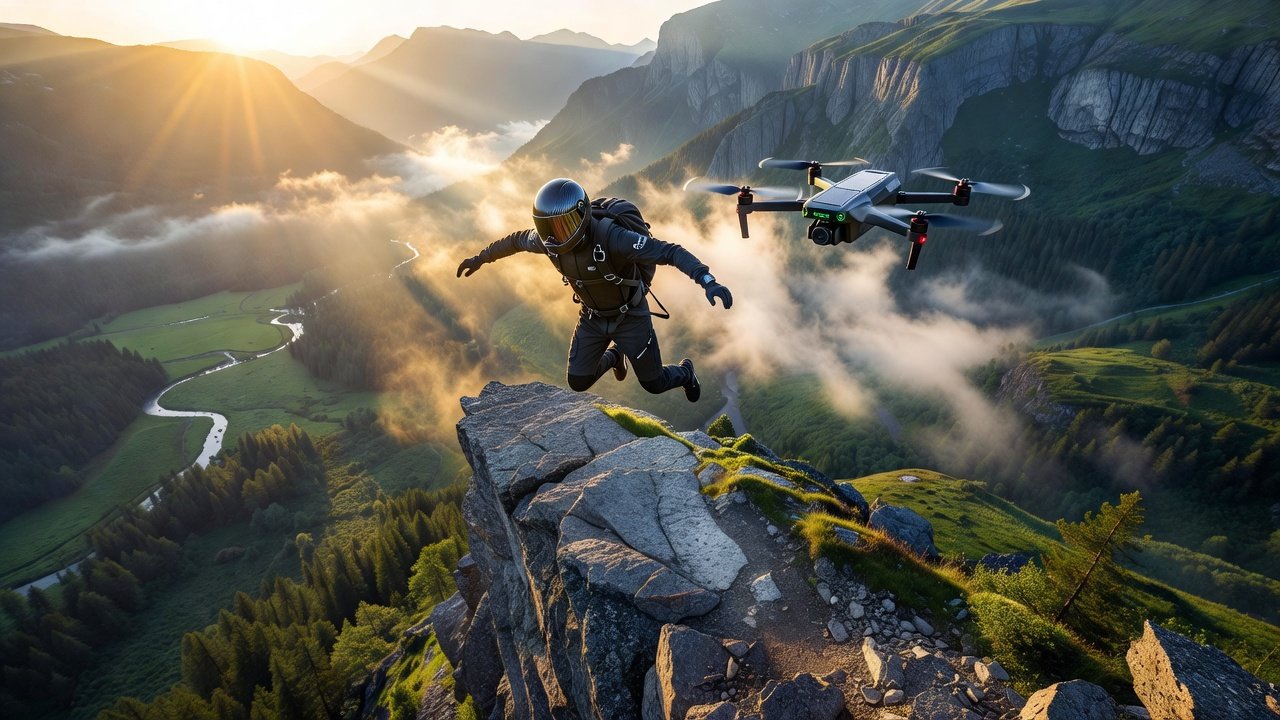
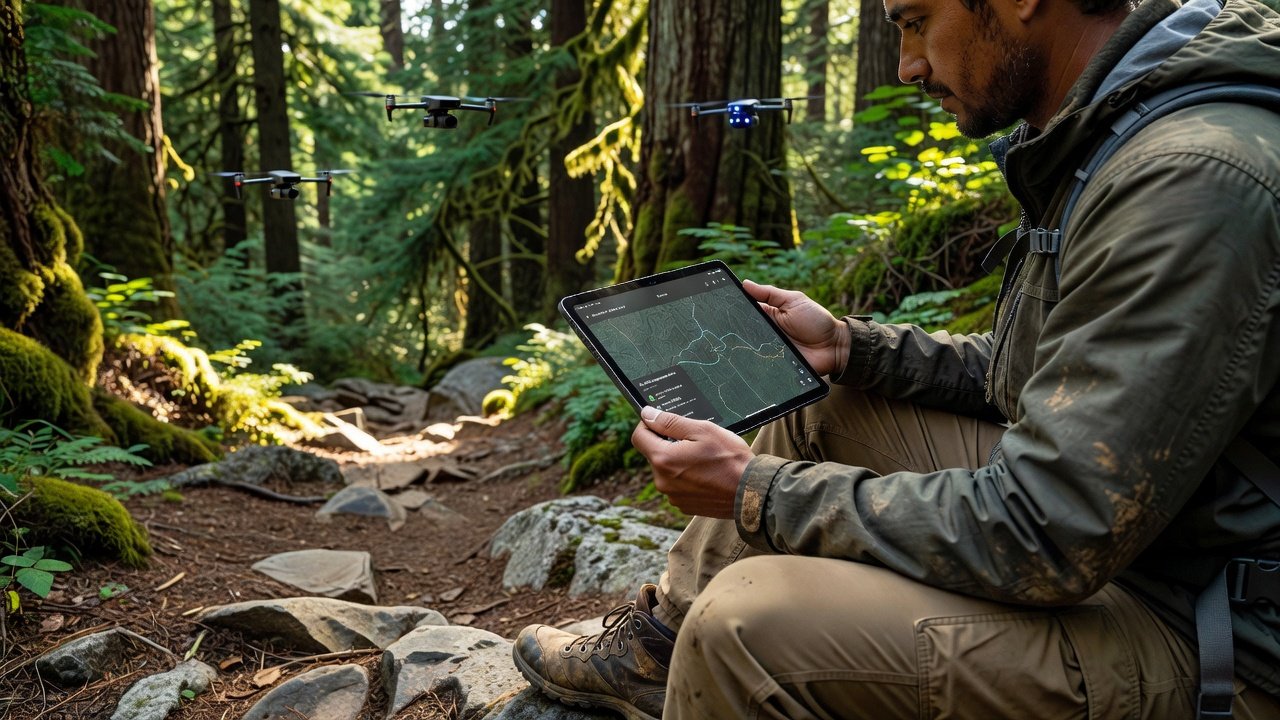
The extreme sports landscape is being transformed by innovations that enhance both performance and sustainability. Drone-assisted BASE jumping allows participants to launch from remote cliffs with aerial support for navigation and emergency retrieval, reducing risks associated with traditional jumps. Meanwhile, AI-guided hiking routes use real-time data to suggest paths that avoid sensitive ecosystems while maximizing thrill and educational value. Additional trends include eco-friendly paragliding with biodegradable materials and VR-enhanced rock climbing simulations for training, which prepare adventurers mentally before they tackle real-world challenges. These developments make extreme sports more appealing to a broader audience interested in adventure travel, including families and corporate groups seeking team-building activities in nature.
Another notable trend involves electric-powered adventure vehicles for accessing remote extreme sports sites, cutting down on fossil fuel use. As these technologies mature, they integrate seamlessly with wearable fitness trackers that monitor vital signs and environmental conditions, ensuring participants stay within safe limits during high-intensity activities.
Integrating Sustainability and Technology
Modern extreme sports emphasize green practices that protect the natural environments where they occur. Many operators now use solar-powered drones and electric transport to reduce carbon emissions during adventure travel expeditions. AI systems analyze terrain to prevent soil erosion and wildlife disturbance, ensuring adventures leave no trace behind. This approach aligns technology with conservation, allowing thrill-seekers to enjoy nature responsibly while contributing to habitat preservation efforts. For instance, destinations are adopting carbon-offset programs tied directly to activity bookings, fostering long-term environmental stewardship in adventure travel hotspots around the globe.
Furthermore, partnerships with conservation organizations help fund reforestation projects funded by a portion of extreme sports fees. This creates a positive feedback loop where participants actively support the ecosystems they explore, setting a new standard for responsible adventure travel.
Real-World Destination Examples
Norway's fjords have embraced drone-assisted BASE jumping, with guided sessions highlighting sustainable access to iconic cliffs that attract thousands of adventure travel enthusiasts annually. In New Zealand's Southern Alps, AI-guided hiking routes help visitors explore remote trails while protecting native flora and providing data-driven insights into local biodiversity. Closer to home, Utah's desert landscapes now feature VR-supported climbing programs that simulate extreme conditions before real ascents. These locations demonstrate how traditional adventure travel spots are evolving with 2026 trends, offering comparisons to conventional BASE jumping or standard trekking that highlight greater precision, lower impact, and enhanced learning opportunities.
Travelers comparing options will notice that tech-enhanced versions deliver comparable excitement with built-in safety nets and sustainability measures, making them attractive upgrades for both novices and veterans of extreme sports.
National Park Service resources provide excellent planning insights for similar U.S. sites adopting these innovations, while international travelers can reference similar frameworks from other protected area agencies.
Comparisons to Traditional Extreme Activities
Traditional BASE jumping often involves higher risks due to limited oversight and unpredictable weather, whereas drone assistance adds real-time monitoring and rapid response capabilities. Standard hiking lacks the personalized AI insights that prevent overexertion or environmental damage and may lead to overcrowded trails. The new trends deliver comparable excitement with enhanced safety nets and sustainability measures, transforming how participants approach adventure travel. In depth, these advancements reduce injury rates and promote longer-term engagement with outdoor activities by making them less intimidating and more inclusive.
Practical Steps for Travelers
To safely experience these trends, start by researching certified operators through reputable adventure travel networks and verifying their sustainability certifications. Next, complete virtual training modules for AI tools or drone systems to build foundational knowledge. Always assess personal fitness levels with a medical professional and obtain necessary permits well in advance. Finally, book during shoulder seasons to minimize crowds and environmental strain, and pack reusable gear to further reduce waste. Consider joining group expeditions that emphasize education on local ecology, turning each trip into a deeper learning experience about conservation in extreme sports settings.
Essential Gear Recommendations
Invest in lightweight, eco-certified equipment such as helmets with integrated sensors for vital monitoring, sustainable harnesses made from recycled ocean plastics, and portable AI navigation devices that sync with mobile apps. Brands focusing on recycled materials and modular designs are ideal for minimizing impact during adventure travel excursions. Additional recommendations include solar-charged headlamps, biodegradable hydration packs, and multi-function drones for personal use under guided supervision. These items not only enhance performance but also align with the growing demand for responsible consumption in the extreme sports community.
FAQs on Accessibility
- Are these sports suitable for beginners? Many programs offer introductory sessions with AI guidance to build skills gradually, starting with simulated environments before progressing to live activities.
- What about physical limitations? Adaptive tech like assisted drones can accommodate various abilities after medical clearance, with customized routes designed for different fitness levels.
- How eco-friendly are they really? Operators adhere to strict sustainability standards verified by independent audits, often achieving net-zero impact through offsets and habitat restoration.
- Can solo travelers participate? Yes, many destinations provide guided solo packages that maintain high safety standards while allowing personal pacing.
Sierra Club guidelines offer further reading on responsible outdoor practices, complementing advice from health authorities on preparing for physically demanding adventure travel.
Safety Considerations and Risk Management
Beyond basic preparation, participants should review weather forecasts integrated with AI predictive models and carry emergency communication devices linked to drone support networks. Training in first aid specific to remote environments is highly recommended, as is understanding local regulations that govern extreme sports in protected areas. These layers of preparation ensure that 2026 trends enhance rather than compromise personal well-being during adventure travel.
Future Outlook for Adventure Travel
Looking ahead, continued advancements in battery technology and machine learning will likely introduce even more immersive and low-impact options, such as autonomous safety drones that follow groups in real time. This evolution positions extreme sports as a leading force in sustainable adventure travel, inspiring the next generation of explorers to prioritize both thrill and planetary health.
Conclusion
Embracing 2026 extreme sports trends opens new doors for meaningful adventure travel. By prioritizing technology and sustainability, travelers can enjoy unparalleled thrills while protecting the planet for future explorers, creating memories that extend far beyond the adrenaline rush itself.
No comments yet. Be the first!