 PlaceBee
Introduction: Monetizing Your Thrill-Seeking Lifestyle
Adventure travel and outdoor adventures continue to attract enthusiasts looking to turn their passion for extreme sports into sustainable professions. In 2026, the sector offers diverse opportunities for those willing to combine physical skills with business acumen. This guide provides in-depth advice on roles such as certified guides, instructors, expedition leaders, and content creators, helping readers build rewarding careers in thrill travel. The growing demand for immersive experiences means professionals who prioritize safety, expertise, and client engagement can create lasting businesses while exploring remote terrains and pushing personal limits.
Key Career Paths in Extreme Sports
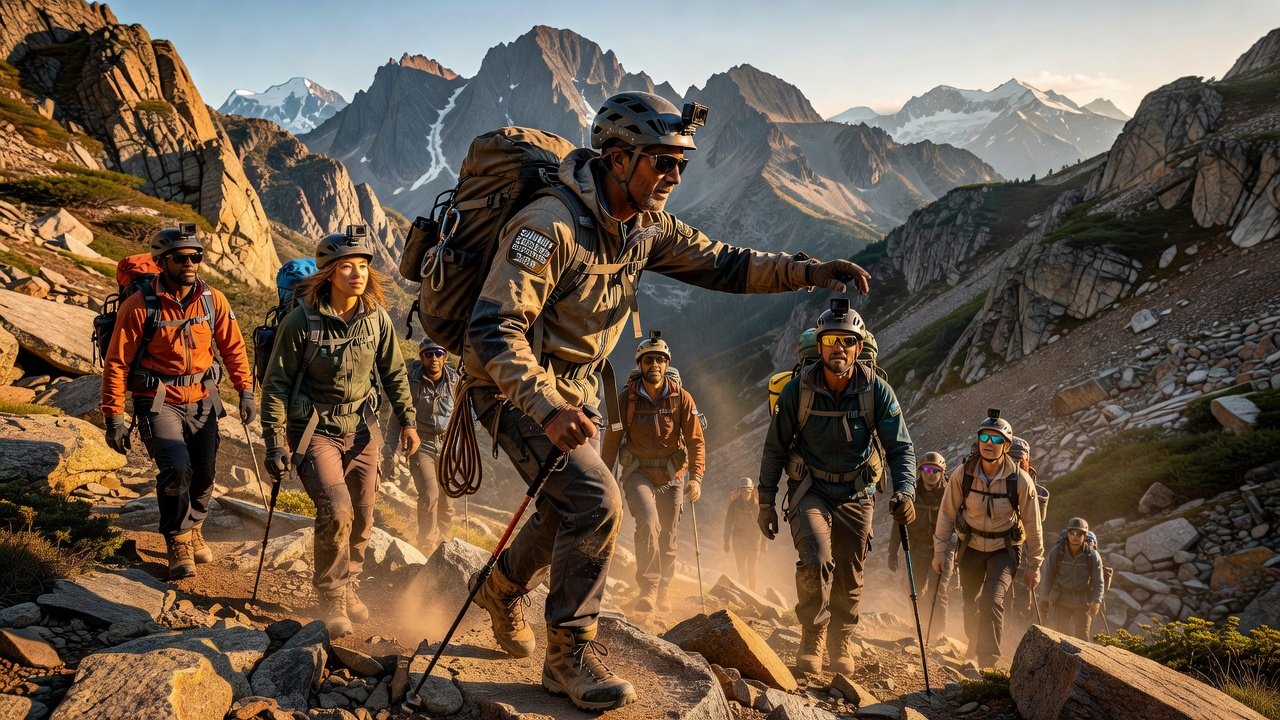
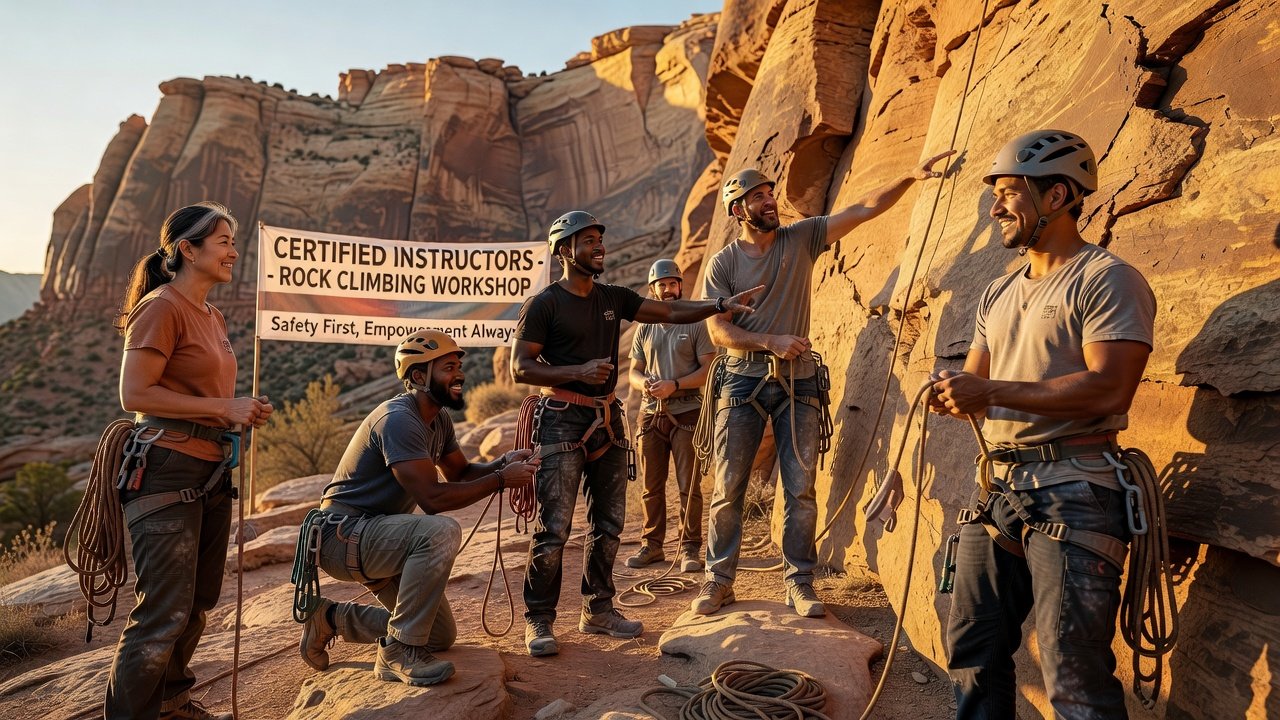
Several roles allow individuals to earn a living while pursuing outdoor adventures. Certified guides lead groups on activities like mountaineering or whitewater rafting, ensuring every participant feels secure yet exhilarated. Instructors teach skills in rock climbing or skiing through structured lessons that build confidence over time. Expedition leaders manage multi-day trips, coordinating logistics across challenging environments. Content creators document experiences for brands and audiences, turning personal journeys into engaging media that inspires others to join the adventure travel community.
- Certified guides focus on safety and client experience in high-risk environments, often specializing in one or two disciplines to develop deep expertise.
- Instructors emphasize skill development and certification courses, adapting teaching methods to different age groups and fitness levels.
- Expedition leaders handle logistics for remote outdoor adventures, including route planning, supply management, and emergency protocols.
- Content creators leverage social media and video to monetize personal brands, collaborating with tourism boards and equipment manufacturers.
Required Certifications and Physical Training
Success demands recognized qualifications. Organizations like the American Mountain Guides Association provide certifications for guiding that cover technical skills and risk management. Physical training includes endurance building through long hikes, strength work with bodyweight exercises, and scenario-based drills to prepare for real-world conditions in adventure travel. Professionals often maintain routines that incorporate yoga for flexibility and mental resilience training to handle high-pressure situations. Ongoing education through workshops ensures they stay updated on evolving safety standards and environmental practices.
Regular fitness assessments and ongoing education ensure professionals stay competitive in a demanding field where client trust depends on demonstrated competence.
Developing Essential Business Skills
Beyond athletic ability, professionals need marketing, client management, and financial planning expertise. Building a personal brand through consistent online presence helps attract clients in the growing adventure travel market. Learning basic accounting and contract negotiation protects against common pitfalls. Many successful individuals start by offering small group sessions before scaling to larger operations, using feedback to refine their offerings and build loyalty among repeat participants.
Real-World Examples of Successful Professionals
Many have transitioned successfully. One former competitive skier now runs a ski guiding service in the Rockies, combining instruction with branded gear sales and seasonal workshops that draw international clients. Another athlete built a following as a content creator covering global outdoor adventures, partnering with tourism boards to produce documentaries that highlight sustainable practices. These stories illustrate how combining technical prowess with storytelling can open multiple revenue streams within the extreme sports sector.
Step-by-Step Entry Strategies
- Start with foundational certifications in your chosen sport, such as beginner-level climbing or kayaking credentials that establish credibility quickly.
- Gain experience through volunteer or entry-level guiding roles at local outfitters, observing how experienced leaders handle group dynamics and unexpected challenges.
- Network at major 2026 events like the Outdoor Retailer show to connect with operators, sponsors, and fellow professionals in adventure travel.
- Develop a digital portfolio showcasing your outdoor adventures with high-quality photos, videos, and client testimonials to demonstrate real impact.
- Launch a small business with insurance and legal compliance, researching local regulations for operating in protected areas managed by agencies like the National Park Service.
Income Potential and Comparisons
Earnings vary by role and location. Guides often earn steady seasonal pay supplemented by tips, while content creators may achieve higher variability through sponsorships. Expedition leaders command premium rates for specialized trips. Professionals should compare paths based on lifestyle preferences rather than fixed figures, noting that diversified income from workshops or online courses can provide more stability than pure guiding alone.
Common Challenges Including Seasonal Work and Insurance
Seasonal fluctuations create income instability, requiring careful budgeting during off-peak months. High-risk activities require comprehensive liability insurance to protect against potential claims. Work-life balance can suffer due to irregular schedules, but many mitigate this through diversified income streams like online courses or equipment reviews. Environmental factors such as changing weather patterns also demand adaptability, and professionals frequently emphasize the importance of mental health practices to sustain long careers in thrill travel.
Networking at 2026 Events and Building a Personal Brand
Attending industry gatherings provides connections with operators and sponsors. Consistent content creation on platforms focused on adventure travel strengthens visibility and opens doors to collaborations. Developing an authentic voice through blogs, podcasts, and live sessions helps differentiate your offerings. Many professionals also engage with Outdoor Industry Association resources for market insights and best practices that support sustainable growth.
FAQ
How do professionals manage safety liabilities in thrill travel?
Strict adherence to protocols, proper certifications, and robust insurance policies are essential. Regular risk assessments help minimize exposure, and many consult legal experts when drafting waivers that clearly communicate participant responsibilities.
What does work-life balance look like in extreme sports careers?
Many professionals schedule off-seasons for recovery and personal pursuits. Diversifying into teaching or digital content can provide more stable routines, allowing time for family and self-care while maintaining passion for outdoor adventures.
Conclusion
Turning passion for extreme sports into a profession requires dedication to skills, safety, and business development. With strategic planning, 2026 presents strong opportunities in adventure travel and outdoor adventures for motivated individuals. By following the steps outlined above and continuously learning from established sources such as National Park Service guidelines, aspiring professionals can build fulfilling careers that combine adventure with meaningful impact.

No comments yet. Be the first!