 PlaceBee
Must-Have Gear for Thrill Travel and Extreme Sports 2026
Adventure seekers planning extreme sports and thrill travel in 2026 need reliable equipment that balances durability, weight, and safety. Whether you are tackling high-altitude climbs, whitewater kayaking, or backcountry skiing, the right gear can mean the difference between an exhilarating experience and a dangerous situation. This comprehensive guide delivers practical recommendations across key categories, detailed brand comparisons, step-by-step customization processes, and real-world testing scenarios to help you build an optimized kit that performs under pressure.
Protective Wear Essentials
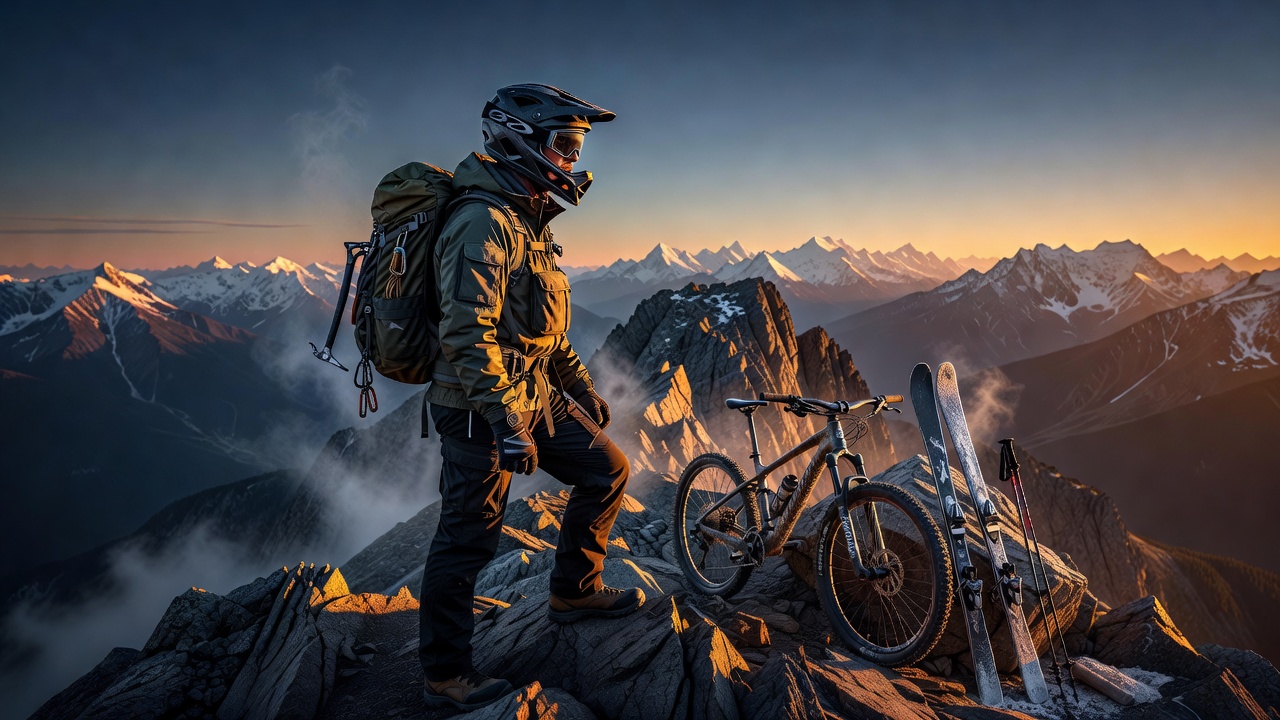
Protective clothing forms the foundation of any extreme sports setup. Look for items made from advanced materials like ripstop fabrics, Dyneema blends, and moisture-wicking membranes that withstand abrasion while remaining breathable during intense activity. For rock climbing, prioritize pants and jackets with reinforced knees and elbows. Mountain bikers benefit from padded shorts and long-sleeve jerseys that offer impact absorption without restricting movement. In winter sports such as ice climbing or snowboarding, insulated yet lightweight layers with waterproof shells are critical for temperature regulation.
Key protective items include helmets with MIPS or similar rotational impact technology, reinforced gloves for rope handling or handlebar grip, and knee pads designed for high-mobility activities. Layered base systems using merino wool or synthetic blends adapt quickly to changing weather conditions in remote areas. Always select gear certified by recognized standards such as CE or ASTM to ensure reliable performance.
Navigation Tools for Remote Locations
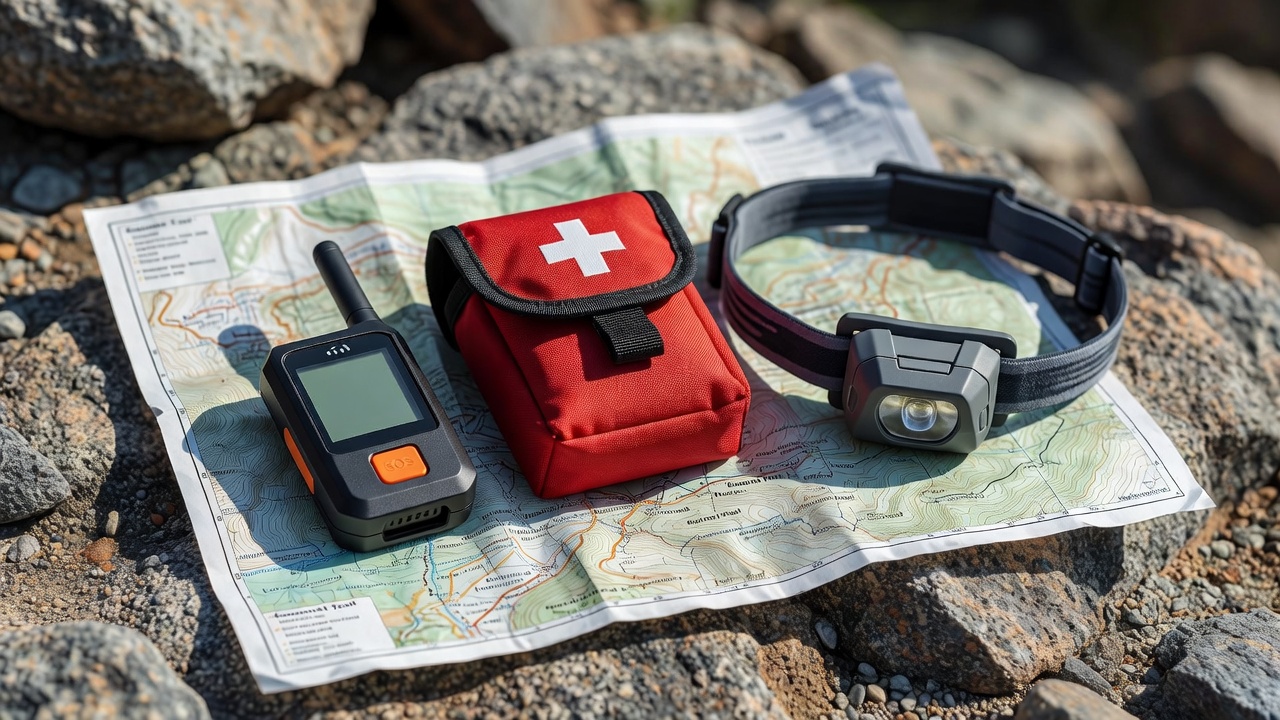
Reliable navigation prevents getting lost in challenging environments. Modern devices combine GPS accuracy with offline mapping capabilities and long battery life. Handheld GPS units from established manufacturers offer rugged builds suitable for extreme conditions, while smartphone apps with pre-downloaded topographic layers provide an accessible alternative when paired with a durable case and external battery pack. Traditional compasses and paper maps remain essential backups when electronics fail.
Compare weight versus durability by testing devices in varied conditions. Lightweight models suit trail running and fastpacking, whereas rugged versions with reinforced casings perform better in wet or dusty extreme sports settings. GPS.gov provides authoritative information on satellite systems and best practices for outdoor use, helping users understand signal reliability in canyons or dense forests.
Portable Safety Devices
Safety gear such as personal locator beacons (PLBs) and satellite messengers can be lifesavers when cell service is unavailable. These compact tools enable emergency communication, location sharing with rescue teams, and two-way messaging for trip updates. Complement these with activity-specific first-aid kits containing trauma supplies, blister treatments, and medications for altitude sickness or allergic reactions. Headlamps featuring long battery life, multiple brightness modes, and red-light options for night vision preserve battery during extended expeditions.
Always test equipment thoroughly before departure to confirm functionality and familiarize yourself with operation under stress. Consider adding a whistle, signal mirror, and emergency bivvy sack for multi-layered redundancy.
Brand Comparisons: Durability Versus Weight
Choosing between brands often comes down to the trade-off between long-term durability and minimal pack weight. Premium brands focusing on aerospace-grade materials tend to offer superior abrasion resistance for repeated use on sharp rock or ice, but they may add ounces to your load. Lightweight specialists emphasize packability for multi-sport trips where every gram matters. Test both approaches during training hikes to determine which aligns with your pace and activity intensity. Real-user reviews from recent expeditions highlight that hybrid options with modular components often provide the best balance for 2026 thrill travelers.
Steps to Customize Your Kit by Activity Type
Follow these practical steps to tailor gear effectively for specific adventures:
- Identify the primary activity and list required protections, such as impact-resistant layers for mountain biking or waterproof shells for kayaking.
- Assess pack weight limits and prioritize multi-use items like convertible jackets that serve as both windbreakers and rain shells.
- Research weather forecasts and terrain specifics for the destination to anticipate needs like extra insulation or sun protection.
- Conduct field tests in similar conditions, simulating fatigue or equipment stress to reveal any shortcomings.
- Review and adjust based on real-world performance, replacing underperforming items with proven alternatives.
For example, a climber might customize by adding quickdraws and a lightweight harness, while a kayaker focuses on dry bags and a personal flotation device with integrated knife.
Real-World Testing Scenarios
Simulate conditions like sudden storms, equipment failure, or navigation errors during practice sessions. This reveals weaknesses before they matter in the field. One scenario involves a multi-hour hike with simulated rain to check if layers stay dry and navigation devices remain readable. Another tests safety device activation after a mock fall. Expert tips include carrying redundant navigation methods, maintaining detailed gear logs for maintenance tracking, and rotating equipment use to identify wear patterns early.
Practical Checklists for Thrill Travel
Use these checklists to ensure nothing is forgotten:
- Protective wear: helmet, gloves, pads, layered clothing, sturdy boots.
- Navigation: GPS device, backup app, compass, printed map.
- Safety: PLB or satellite messenger, first-aid kit, headlamp, whistle, emergency shelter.
- Activity-specific: climbing rack, paddles, skis, or bike repair tools.
- General: water filtration, nutrition, repair kit, and documentation.
Maintenance, Packing Strategies, and Eco-Friendly FAQs
How do I maintain my gear for long-term reliability?
Clean items after each use with appropriate solutions, inspect for damage such as frayed straps or compromised seams, and store in dry, temperature-controlled conditions to extend lifespan. Regular lubrication of zippers and buckles prevents corrosion in harsh environments.
What packing strategies work best for extreme adventures?
Use compression sacks to minimize volume, organize items by frequency of use for quick access, and distribute weight evenly across your pack to maintain balance during technical sections. Label compartments for rapid retrieval in low-light situations.
Are there eco-friendly options available in 2026?
Choose brands using recycled materials, PFC-free treatments, and low-impact manufacturing processes to reduce environmental footprint on natural sites. National Park Service offers guidance on sustainable travel practices that protect fragile ecosystems while supporting thrill travel.
Expert Tips for Safe and Efficient Adventures
Seasoned guides recommend starting with a core kit and adding specialized items gradually. Practice deploying safety devices in controlled settings, stay updated on weather apps that integrate with satellite data, and join local adventure communities for real-time gear feedback. Prioritize comfort during fitting sessions to avoid hotspots that could derail long expeditions.
Conclusion
Equipping yourself with the right gear enhances safety and enjoyment in thrill travel. Apply these recommendations, checklists, brand insights, and testing methods to prepare confidently for 2026 adventures. Thoughtful preparation transforms challenging environments into rewarding experiences while minimizing risks.


No comments yet. Be the first!