 PlaceBee
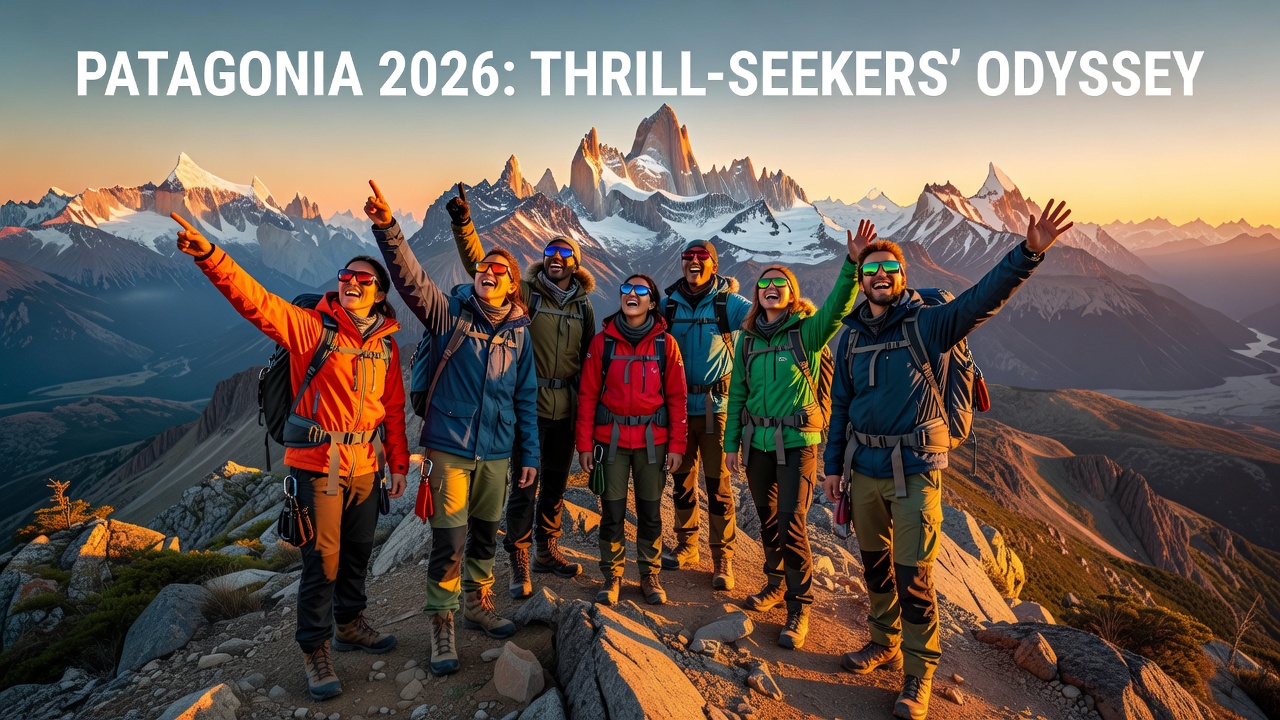
Embarking on 2026's Most Thrilling Outdoor Adventures
The call of the wild grows louder each year, drawing thrill-seekers to remote peaks, rushing rivers, and untamed trails across the globe. In 2026, adventure travel continues to evolve as more people seek transformative experiences that test limits and spark personal growth. These journeys go beyond adrenaline rushes—they build resilience, foster cultural understanding, and deliver lasting reflections that reshape how travelers view the world and their own capabilities. From scaling Patagonian spires to kayaking through Icelandic fjords and summiting Himalayan peaks, this year's diaries reveal how real challenges in extreme sports create profound change. Whether you're a seasoned explorer or planning your first expedition, these accounts offer inspiration paired with actionable advice on everything from gear selection to route comparisons.
Adventure travel in 2026 emphasizes sustainability and mindful exploration alongside the thrills. Participants report heightened awareness of environmental impacts and a stronger commitment to conservation efforts upon return. This blend of storytelling and practical guidance helps readers visualize their own journeys while preparing effectively for the unexpected.
Traveler Stories: Four Journeys of Challenge and Discovery
Real experiences illuminate the power of adventure travel. Here are four standout examples from 2026 that highlight diverse destinations and the growth they inspire through physical and mental hurdles.
1. Emma's Patagonia Trek: Pushing Physical Boundaries
Emma, a 34-year-old software engineer from Canada, joined a guided multi-day trek through Torres del Paine National Park. Facing high winds and steep ascents, she confronted self-doubt but emerged with renewed confidence. "The mountains taught me persistence," she shared after completing the challenging O Circuit. Route comparisons between the popular W Circuit and the full O Circuit showed the O's greater isolation rewarded deeper introspection and fewer crowds. Daily mileage averaged 12-15 miles with elevation gains exceeding 3,000 feet on several days. Her preparation included six months of hill training and altitude simulation, which proved critical during sudden weather shifts common in the region.
2. Marcus's Iceland Kayaking Expedition
Marine biologist Marcus paddled through Iceland's fjords, encountering unexpected glacial calving events that tested his quick decision-making skills. Cultural encounters with local fishermen added layers of meaning, turning a solo trip into a lesson in global stewardship and marine conservation. Preparation strategies like checking tide tables and studying glacial movement patterns proved essential for safety during multi-day paddles. Marcus noted how the isolation forced him to confront personal fears, leading to improved mental clarity that carried over into his professional research work.
3. Priya's Nepal Mountaineering Challenge
Priya summited a trekking peak in the Himalayas, navigating altitude sickness and complex team dynamics over 18 days. Post-trip reflections emphasized how overcoming fear translated directly to career advancements back home, including a promotion she credits to newfound leadership skills. Gear checklists helped her pack efficiently for variable weather, including lightweight down layers and crampon-compatible boots. She compared multiple operators and chose one emphasizing small groups for better acclimatization support, highlighting the importance of vetting providers thoroughly.
4. Jamal's Costa Rica Jungle Adventure
Zip-lining and river rafting in Costa Rica introduced Jamal to biodiversity hotspots and indigenous communities. An unplanned cultural exchange during a village visit deepened his appreciation for sustainable travel practices and local ecological knowledge. The experience reinforced the value of leaving minimal impact while maximizing immersion, inspiring him to advocate for eco-friendly policies in his home community.
Preparation Strategies for Safe and Successful Trips
Thorough preparation separates memorable adventures from risky ones. Start with fitness assessments tailored to your chosen activity—hiking training plans or swim endurance tests build the necessary foundation over several months. Research permits and seasonal conditions using official park resources well in advance. Assemble a comprehensive gear checklist including layered clothing, navigation tools, and first-aid supplies, testing everything on shorter outings first. Compare routes by difficulty, duration, and crowd levels to match your experience level, considering factors like elevation profiles and rescue access times. Secure travel insurance covering extreme sports and evacuation, reviewing policy details for exclusions. Always cross-reference multiple sources for weather and trail updates before departure, and consider hiring local guides for technical sections.
Unexpected Cultural Encounters Along the Way
Adventure travel often intersects with local communities in surprising ways. Sharing meals with Andean herders or learning traditional navigation from Pacific Islanders creates connections that enrich the journey beyond the physical challenge. These moments foster empathy and remind travelers that exploration involves respect and reciprocity. In 2026, many participants documented how such encounters shifted their perspectives on global issues like climate change and cultural preservation.

Step-by-Step Planning Guide
- Define your goals: Decide between physical challenge, cultural immersion, or skill-building by journaling motivations and desired outcomes.
- Choose destination and activity: Compare options like Patagonia versus the Alps for similar thrills, factoring in seasonal access and permit requirements.
- Book logistics early: Secure guides, lodging, and transport 6-9 months ahead for popular routes to avoid last-minute shortages.
- Train specifically: Follow progressive programs that simulate expedition demands, including strength, endurance, and scenario-based drills.
- Pack thoughtfully: Use checklists weighted for weight and versatility, prioritizing items with multiple functions to minimize load.
- Review safety protocols: Study evacuation plans and emergency contacts, practicing basic first aid and communication device use.
- Reflect and document: Keep a journal for post-trip insights, capturing both highs and challenges for future reference.
Post-Trip Reflections and Practical Takeaways
Returning home often brings clarity after intense experiences. Many adventurers report improved problem-solving skills and greater appreciation for everyday comforts following their 2026 trips. Practical takeaways include maintaining new fitness routines through community groups, advocating for conservation in local policies, and mentoring others in their adventure pursuits. Journaling consistently helps solidify lessons learned, turning fleeting thrills into lifelong growth.
FAQ: Safety and Logistics in Adventure Travel
How do I assess safety risks for extreme sports?
Evaluate operator credentials through reviews and certifications, read recent traveler reports on forums, and consult government travel advisories from sources like the U.S. Department of State. Factor in personal health history and consult physicians for high-altitude or remote activities.
What gear is essential for multi-week expeditions?
Prioritize multi-use items: durable boots with good ankle support, water filtration systems, satellite communicators, and layered synthetics for temperature regulation. Always test gear in similar conditions beforehand to identify issues early.
How can I handle unexpected cultural differences?
Learn basic local phrases, respect customs around photography and dress, and travel with a guide familiar with community protocols to navigate sensitively and avoid misunderstandings.
What if weather disrupts plans?
Build flexibility into itineraries with backup indoor activities or alternative routes, and monitor forecasts closely via national park services such as the National Park Service. Having contingency days prevents rushed decisions.
Are there health precautions beyond standard vaccines?
Check Centers for Disease Control and Prevention resources for destination-specific risks like altitude sickness medications or insect-borne illnesses, and carry a basic medical kit with altitude remedies.
Conclusion: Your Next Adventure Awaits
Adventure travel in 2026 promises more than thrills—it delivers growth through challenge and connection. Armed with preparation strategies, real-world examples, and a solid planning guide, you're ready to craft your own unforgettable story. Start small, dream big, and step into the unknown with confidence and respect for the environments you explore.

No comments yet. Be the first!