 PlaceBee
Introduction to Extreme Sports Evolution in 2026
Adventure travel continues to push boundaries as travelers seek more immersive and innovative experiences. In 2026, extreme sports are evolving rapidly, blending cutting-edge technology with the raw power of nature. This shift moves beyond traditional activities like standard hiking or skiing toward hybrid experiences that enhance safety, accessibility, and environmental responsibility. Travelers now demand personalized adventures that integrate smart tools while respecting fragile ecosystems.
The search for adrenaline-fueled escapes has led to the rise of drone-assisted activities, AI-enhanced expeditions, and eco-conscious thrill options. These trends cater to a growing audience of experienced adventurers and newcomers alike, offering ways to explore remote terrains with greater precision and reduced risk. Whether you're planning your next trip or simply curious about what's next, understanding these developments can help you choose meaningful experiences that combine physical challenge with modern innovation.
Drone-Assisted BASE Jumping: Redefining Aerial Thrills
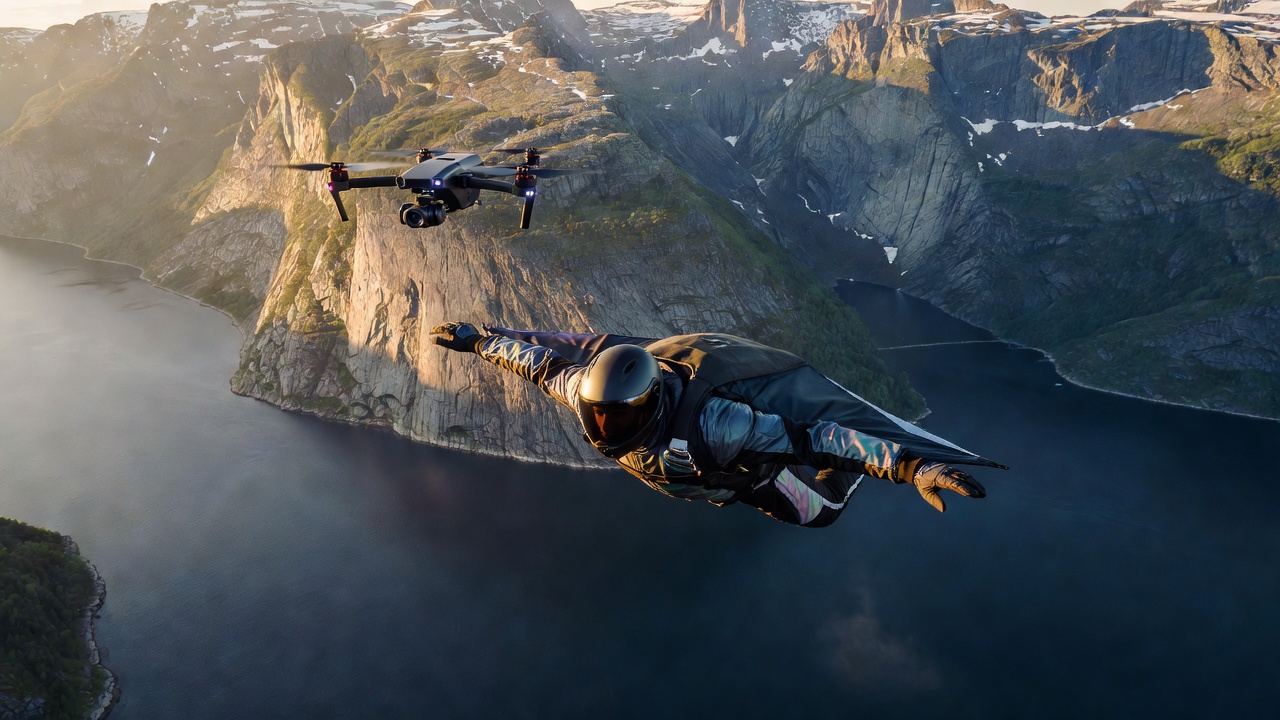
Drone-assisted BASE jumping represents one of the most exciting advancements in extreme sports. Participants launch from fixed structures or cliffs while drones provide real-time aerial support for navigation, filming, and even emergency assistance. This technology allows jumpers to scout landing zones more effectively and capture professional-grade footage without additional crew members. The drones often feature advanced stabilization and obstacle detection systems that relay critical data back to the jumper via wearable interfaces.
Safety improvements come from integrated sensors that monitor wind patterns and suggest optimal exit points. Enthusiasts report higher confidence levels when using these systems, making the sport more approachable for intermediate athletes. Destinations like the cliffs of Norway's Lofoten Islands and Utah's remote canyons have become hotspots for this activity due to their dramatic vertical drops and favorable conditions. Operators frequently conduct pre-jump simulations using drone mapping to identify safe trajectories and potential hazards such as rock outcrops or changing wind currents.
Key considerations include specialized training programs that combine traditional BASE jumping skills with drone piloting basics. Operators must adhere to strict aviation regulations to ensure both personal and public safety during events. Many programs now incorporate virtual reality rehearsals that mimic real-world scenarios, helping athletes build muscle memory and decision-making skills under pressure.
AI-Guided Hiking Expeditions: Smart Trails for Modern Explorers
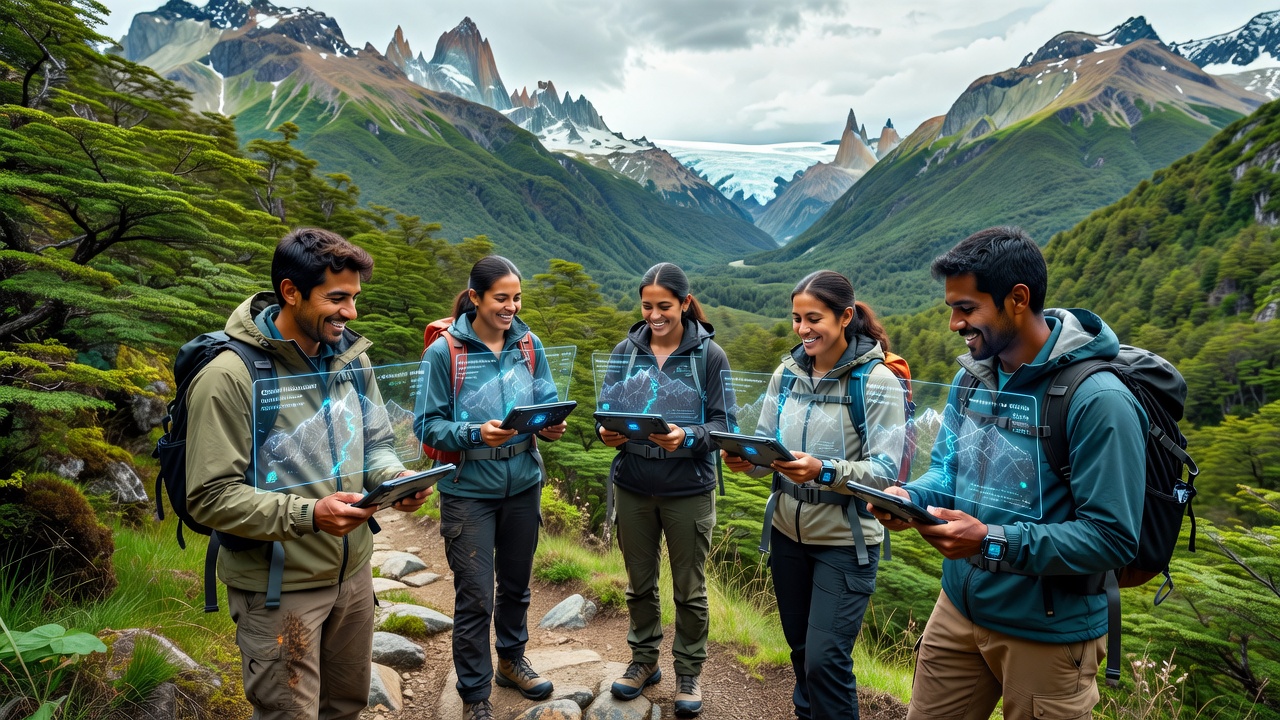
AI-guided hiking expeditions are transforming multi-day treks into data-driven adventures. Wearable devices and mobile applications use machine learning algorithms to analyze terrain, weather forecasts, and individual fitness levels in real time. Hikers receive dynamic route suggestions that adapt to changing conditions, helping avoid hazards like sudden storms or unstable ground. These platforms often integrate biometric monitoring to alert users when fatigue or dehydration risks increase.
These systems frequently incorporate augmented reality overlays through smart glasses, highlighting points of interest or warning about wildlife activity. Popular locations include the Appalachian Trail extensions and the Andes in Patagonia, where AI tools help navigate complex elevation changes while promoting responsible trail etiquette. In practice, groups have used these technologies to reroute around unexpected snowfields or to locate hidden water sources based on predictive environmental modeling.
Practical integration means pairing these tools with traditional navigation backups. Many operators now offer guided packages that include AI software licenses, allowing groups to focus on the journey rather than logistics. Beginners benefit from step-by-step tutorials embedded in the apps, while advanced users can customize parameters for more challenging off-trail exploration.
Sustainable Thrill Options: Balancing Adrenaline and Conservation
Sustainability has become central to extreme sports as travelers prioritize low-impact activities. Options like electric-powered paragliding, recycled-material climbing gear, and carbon-offset adventure packages allow participants to enjoy high-adrenaline pursuits without heavy environmental costs. Operators focus on Leave No Trace principles while incorporating renewable energy sources at base camps and minimizing single-use plastics throughout expeditions.
Destinations such as Iceland's volcanic regions and New Zealand's South Island emphasize regenerative tourism models. These locations partner with local communities to restore habitats affected by increased foot traffic from adventure seekers. For deeper insights into global conservation efforts in tourism, refer to resources from the UN Environment Programme. Travelers are encouraged to select operators certified by recognized eco-standards that verify reduced emissions and habitat protection measures.
Essential Gear Recommendations for 2026 Adventures
Selecting the right equipment is crucial for safety and performance in these emerging sports. Start with lightweight drone systems featuring extended battery life and obstacle avoidance capabilities tailored for BASE jumping support. These units often include 4K cameras and live telemetry feeds that integrate directly with helmet-mounted displays.
Next, invest in AI-enabled smartwatches and GPS devices that sync with expedition apps for real-time analytics on heart rate, pace, and environmental conditions. Eco-friendly apparel made from recycled ocean plastics offers durability in extreme weather while reducing your overall footprint. Complete your kit with multi-tool safety items including avalanche beacons, satellite communicators, and first-aid supplies designed for remote use.
Always test gear in controlled environments before heading into remote areas and follow manufacturer guidelines for regular maintenance and firmware updates. Many adventurers also carry redundant power banks and weatherproof cases to protect sensitive electronics during multi-day outings.
Destination Spotlights for Cutting-Edge Experiences
Norway's fjords stand out as premier locations for drone-assisted BASE jumping, offering dramatic backdrops and well-regulated airspace. The National Park Service maintains extensive resources for similar activities in protected U.S. areas like Zion National Park. Patagonia's trails deliver ideal conditions for AI-guided hikes amid glaciers and towering peaks, with local guides providing cultural context alongside technical support.
Iceland combines sustainable paragliding with geothermal exploration, creating unique opportunities to witness volcanic landscapes from above. Research local permits, seasonal weather windows, and operator credentials thoroughly to maximize both safety and enjoyment while minimizing environmental impact.
Preparing for Your First Extreme Sports Adventure
Begin by assessing your current fitness level and consulting medical professionals for clearance on high-intensity activities. Enroll in progressive training courses that cover both physical skills and technology use. Build a support network of experienced guides or join organized trips through reputable outfitters. Document your progress with journals or apps to refine techniques over time and stay motivated throughout the preparation phase.
Mistakes to Avoid When Exploring New Trends
Common pitfalls include underestimating weather variability and skipping equipment checks. Always verify drone battery levels and AI software updates before departure. Avoid choosing destinations solely based on social media hype without confirming on-site infrastructure and emergency response capabilities. Overpacking heavy gear can also reduce mobility, so prioritize lightweight, multi-functional items instead.
FAQ: Getting Started with Emerging Extreme Sports
What training is required for drone-assisted BASE jumping?
Begin with certified BASE jumping courses followed by drone operation workshops. Many programs span two weeks and emphasize progressive skill building, including simulated emergency scenarios and regulatory compliance training.
How does AI guidance improve hiking safety?
AI analyzes multiple data streams including weather models and terrain data to predict risks and suggest alternatives, reducing incidents related to weather or navigation errors. Users receive instant alerts that allow proactive route adjustments.
Are sustainable options more expensive?
While initial investments in eco-gear can be higher, long-term savings from durability and community-supported trips often balance costs. Many participants find the added value in ethical alignment and reduced environmental guilt outweighs any premium.
Which destinations suit beginners in these trends?
Start with established sites in Iceland or guided tours in the American Southwest before advancing to remote locations. These areas typically offer structured programs with on-site instructors and reliable support networks.
Conclusion
The extreme sports landscape in 2026 offers unprecedented opportunities for adventure travelers. By embracing drone technology, AI assistance, and sustainable practices, participants can enjoy safer, more personalized, and responsible experiences. Plan thoughtfully, prioritize training, and select operators committed to ethical standards to make the most of these emerging trends. The future of adventure travel promises excitement grounded in innovation and respect for the natural world.


No comments yet. Be the first!