 PlaceBee
Introduction to Nighttime Thrill Travel
The world of adventure travel continues to evolve in exciting ways, and 2026 marks a notable surge in nighttime extreme sports. Thrill-seekers are discovering that venturing into the dark amplifies adrenaline far beyond what daylight activities can deliver. Darkness turns familiar trails, waters, and caves into enigmatic environments where every sound, touch, and shadow heightens the sense of risk and reward. This trend reflects a broader desire for immersive experiences that push personal boundaries while connecting participants more deeply with nature under the stars.
Activities such as night caving, bioluminescent kayaking, and nocturnal mountain biking stand at the forefront of this movement. Each demands specialized preparation yet delivers unforgettable memories. Travelers who embrace these after-dark pursuits often describe a profound shift in perception, where reduced visibility forces reliance on other senses and fosters stronger group dynamics. As interest grows, destinations worldwide are adapting with guided tours, updated regulations, and improved infrastructure to support safe nighttime exploration.
Popular Nighttime Extreme Sports
Night caving ranks among the most intense options. Participants descend into underground networks using headlamps, helmets, and ropes, navigating tight passages where total darkness magnifies every drip of water and echo of footsteps. Real-world examples include multi-hour expeditions in limestone systems where teams must manage fatigue and maintain communication to avoid disorientation.
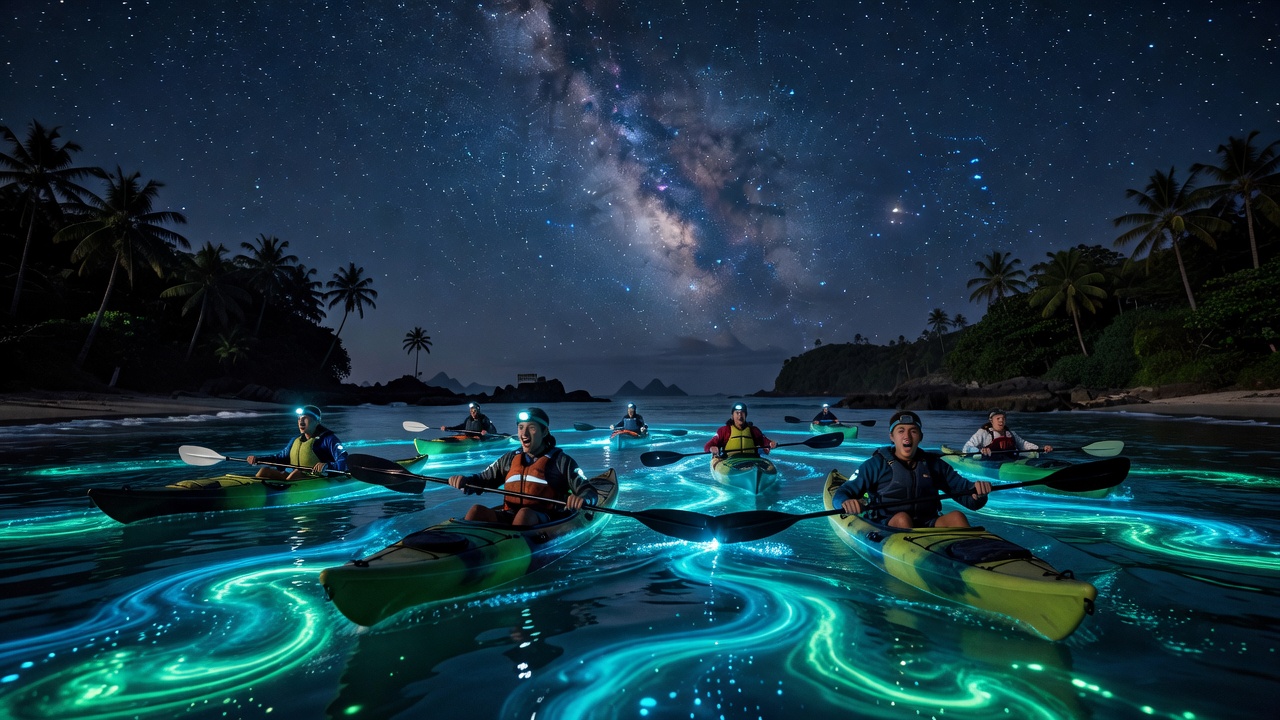
Bioluminescent kayaking offers a gentler yet equally mesmerizing alternative. Paddlers glide across waters teeming with microorganisms that emit glowing light when disturbed, creating sparkling trails behind each stroke. Coastal inlets and sheltered bays provide ideal conditions, allowing participants to witness nature’s light show while learning about marine ecosystems.
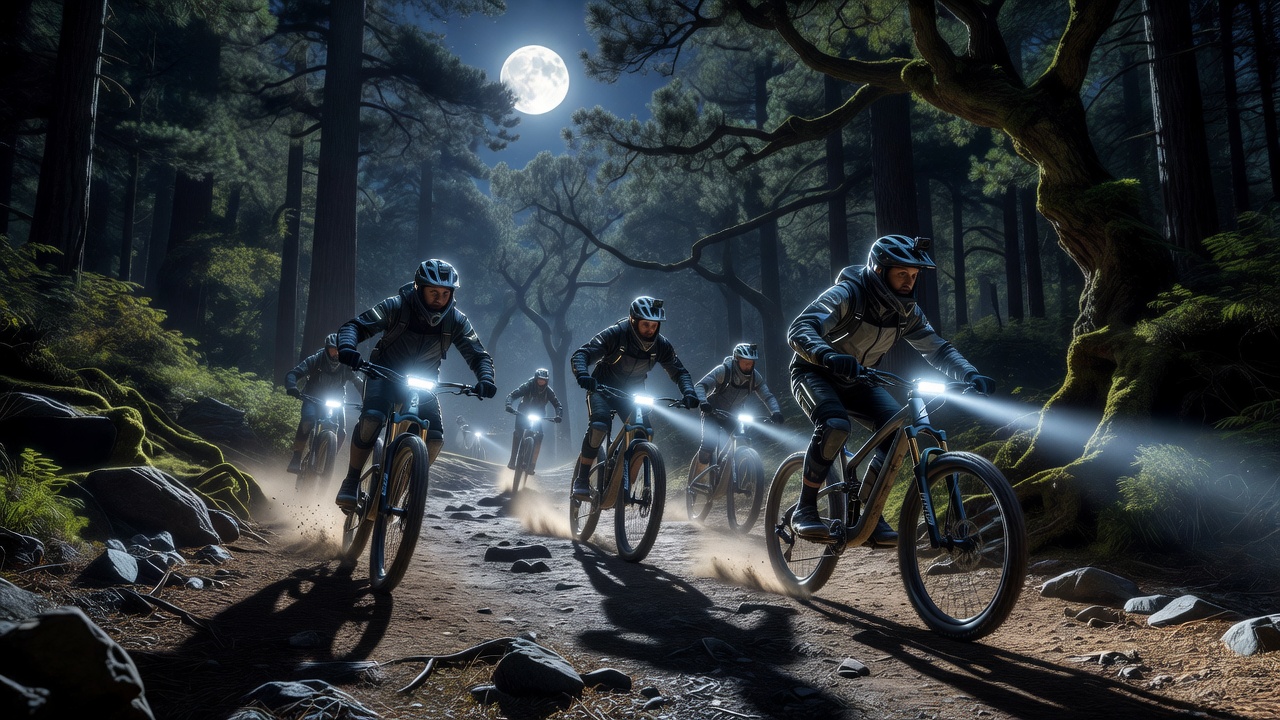
Nocturnal mountain biking challenges riders on technical terrain illuminated only by powerful bike lights and occasional moonlight. Trails that feel routine during the day become demanding puzzles after sunset, requiring precise handling and constant awareness of obstacles. Riders often report heightened focus and an intense connection to the surrounding wilderness.
Top 2026 Destinations for After-Dark Thrills
Several locations have emerged as premier spots for nighttime adventures. The Appalachian Mountains host extensive cave networks ideal for night caving, while European karst landscapes offer dramatic underground formations accessible through licensed operators. For bioluminescent kayaking, sheltered tropical bays along the Caribbean and Southeast Asian coasts deliver consistent displays, especially during warmer months when plankton activity peaks.
Nocturnal mountain biking thrives in the Rocky Mountains and on volcanic trails in Hawaii, where clear skies and varied terrain create optimal conditions. Travelers should consult current trail reports and obtain necessary permits well in advance. Authoritative sources such as national park services provide essential updates on access, seasonal closures, and safety advisories for these remote areas.
Day Versus Night Experiences: Key Comparisons
Daytime versions of these sports benefit from natural light that simplifies navigation and reduces equipment needs. In contrast, nighttime outings introduce layers of complexity that elevate both challenge and excitement. Visibility limitations mean participants must trust their equipment and teammates more fully, often resulting in stronger bonds and greater personal growth.
Adrenaline levels typically rise after dark because the unknown becomes more tangible. However, this also increases potential hazards such as sudden weather shifts or wildlife encounters. Many adventurers find that night experiences foster deeper mindfulness, as the absence of visual distractions sharpens auditory and tactile awareness. The trade-off requires more rigorous planning, but the payoff is a sense of accomplishment rarely matched in daylight settings.
Step-by-Step Preparation Checklists
Thorough preparation forms the foundation of any successful nighttime adventure. Begin by researching the chosen activity and destination in detail, including local regulations, permit requirements, and operator credentials. Next, evaluate personal fitness and complete practice sessions in daylight to build confidence with techniques and equipment.
Assemble a comprehensive gear inventory that accounts for low-light conditions, then test every item before departure. Monitor weather forecasts closely and develop contingency plans for rapid changes. Always share your detailed itinerary with a trusted contact and establish check-in protocols. Additional steps include practicing emergency signaling and reviewing first-aid procedures specific to the environment.
Consider joining a guided group for initial outings to learn from experienced leaders. This approach reduces risk while allowing beginners to focus on enjoyment and skill development.
Safety Protocols and Specialized Gear
Safety protocols must be followed without exception. Carry multiple independent light sources with spare batteries, and establish clear communication signals within the group. Wear appropriate protective clothing and harnesses rated for the activity, and maintain awareness of environmental hazards such as unstable terrain or changing tides.
Specialized gear enhances both safety and performance. Red-filtered headlamps preserve night vision during caving, while waterproof LED paddles and hull lights prove essential for kayaking. Mountain bikers benefit from high-lumen handlebar and helmet lights plus reflective markers. Additional items like satellite communicators and compact first-aid kits provide critical backup. Guidance from organizations such as NOAA supports marine planning, while geological surveys offer cave-specific insights.
Common Mistakes to Avoid
Many participants underestimate the physical and mental demands of nighttime sports. Avoid skipping daylight practice sessions, as this leads to equipment unfamiliarity when it matters most. Another frequent error involves neglecting backup lighting or communication tools, which can turn minor setbacks into serious situations. Overpacking or underpacking both create problems; aim for a balanced kit tailored to the specific activity and duration.
Ignoring weather or wildlife patterns also ranks high among avoidable issues. Always verify forecasts from multiple sources and respect local advisories. Finally, resist the temptation to push personal limits without proper support; gradual progression builds competence more effectively than rushed attempts.
Expert Tips for Maximizing the Experience
Seasoned guides recommend starting with shorter nighttime sessions to acclimate gradually. Engage with online communities and local clubs to exchange condition reports and technique advice. Prioritize hydration and nutrition, as physical exertion can feel more taxing in cooler night temperatures.
Practice mindfulness techniques to fully appreciate the sensory changes darkness brings. Maintain a calm, methodical approach even when excitement peaks, and always place group safety above individual thrills. Documenting experiences through photos or journals helps preserve memories while reinforcing lessons learned.
Frequently Asked Questions on Risk Management
What are the main risks of nighttime extreme sports? Reduced visibility, unpredictable weather changes, and wildlife encounters represent the primary concerns. Proper gear, training, and group protocols significantly lower these risks.
Is special training required before participating? Yes. Beginners should complete daytime skill-building sessions and consider certified guides for their first nighttime outings to develop essential techniques safely.
How do I select a reputable tour operator? Seek established companies with documented safety records, positive participant reviews, and clear emergency procedures. Verify insurance coverage and guide certifications in advance.
What equipment is non-negotiable for emergencies? A whistle, satellite communicator, headlamp with extra batteries, and basic first-aid kit form the core of any emergency kit. Familiarity with signaling methods is equally important.
Are there age or fitness restrictions? Most operators require participants to meet minimum fitness standards and often set age minimums. Always disclose medical conditions during booking to ensure appropriate accommodations.
Conclusion
Nighttime thrill travel delivers exceptional opportunities for extreme sports enthusiasts seeking fresh challenges in 2026. By investing in detailed preparation, prioritizing safety, and selecting appropriate destinations and operators, adventurers can enjoy these after-dark experiences responsibly. Whether exploring caves, paddling through glowing waters, or biking under moonlight, the combination of heightened senses and unique environments creates memories that last a lifetime. With thoughtful planning, the night becomes an inviting frontier rather than an obstacle.
No comments yet. Be the first!