 PlaceBee
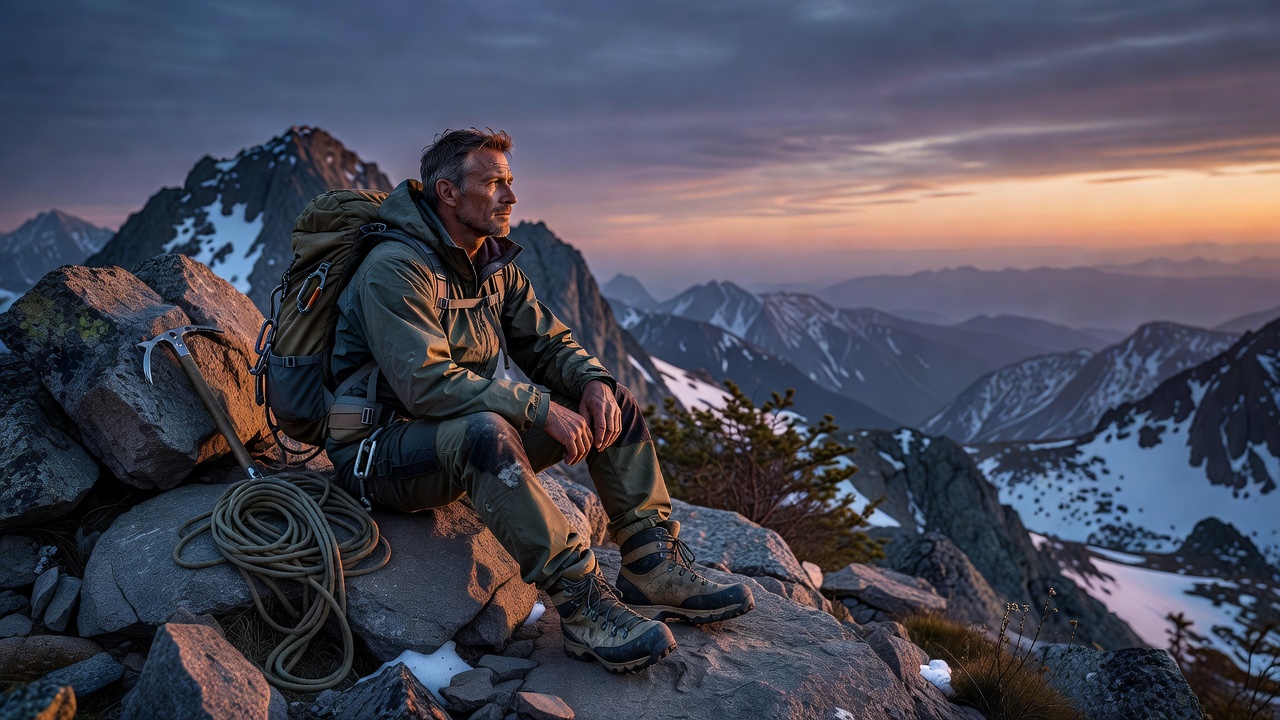
Introduction to Post-Extreme Sports Recovery in Adventure Travel
Adventure travel in 2026 continues to attract thrill-seekers who push physical and mental limits through activities like rock climbing, whitewater rafting, and backcountry skiing. Effective recovery routines are essential for minimizing injury risks and maintaining long-term performance. This guide explores science-backed wellness practices tailored for these enthusiasts, drawing from real-world examples such as multi-day treks in the Andes or surfing expeditions along remote coastlines. According to guidance from the Centers for Disease Control and Prevention, structured recovery reduces overuse injuries common in high-intensity outdoor pursuits. Without proper recovery, cumulative fatigue can lead to overuse injuries or diminished enjoyment. Integrating nutrition protocols, active recovery, sleep optimization, and mental decompression creates a holistic approach that supports sustained adventure lifestyles. Travelers who neglect these elements often report higher rates of strains and longer downtime between trips.
Nutrition Protocols for Rapid Replenishment
Post-activity nutrition focuses on replenishing glycogen stores, repairing muscle tissue, and reducing inflammation. Within 30 minutes of finishing an extreme session, consume a 3:1 ratio of carbohydrates to protein. For example, a climber returning from a day on El Capitan might opt for a smoothie blending bananas, Greek yogurt, and oats. Additional options include quinoa salads with grilled chicken or energy bars fortified with nuts and seeds. Plan meals around the intensity of the activity; longer expeditions require larger portions to match caloric expenditure. Incorporate anti-inflammatory foods such as berries, fatty fish, and leafy greens into evening meals. Real-world adventurers in Patagonia often prepare quinoa bowls with salmon and avocado to accelerate recovery between multi-day hikes. Timing matters significantly—delayed intake can extend muscle soreness by up to 24 hours. Focus on whole foods where possible while supplementing with portable options during remote travel.
Hydration and Electrolyte Management
Hydration extends beyond simple water intake. Extreme sports deplete electrolytes rapidly through sweat, leading to cramps and fatigue if unaddressed. Aim to replace fluids at a rate matching losses, typically 500-700 milliliters per hour during activity followed by continued sipping afterward. Use electrolyte tablets or natural sources like coconut water and salted nuts. In hot climates such as desert canyoneering, monitor urine color as a simple indicator of hydration status. Consistent hydration supports nutrient absorption and joint lubrication, key factors in preventing next-day stiffness during multi-activity itineraries.
Active Recovery Techniques
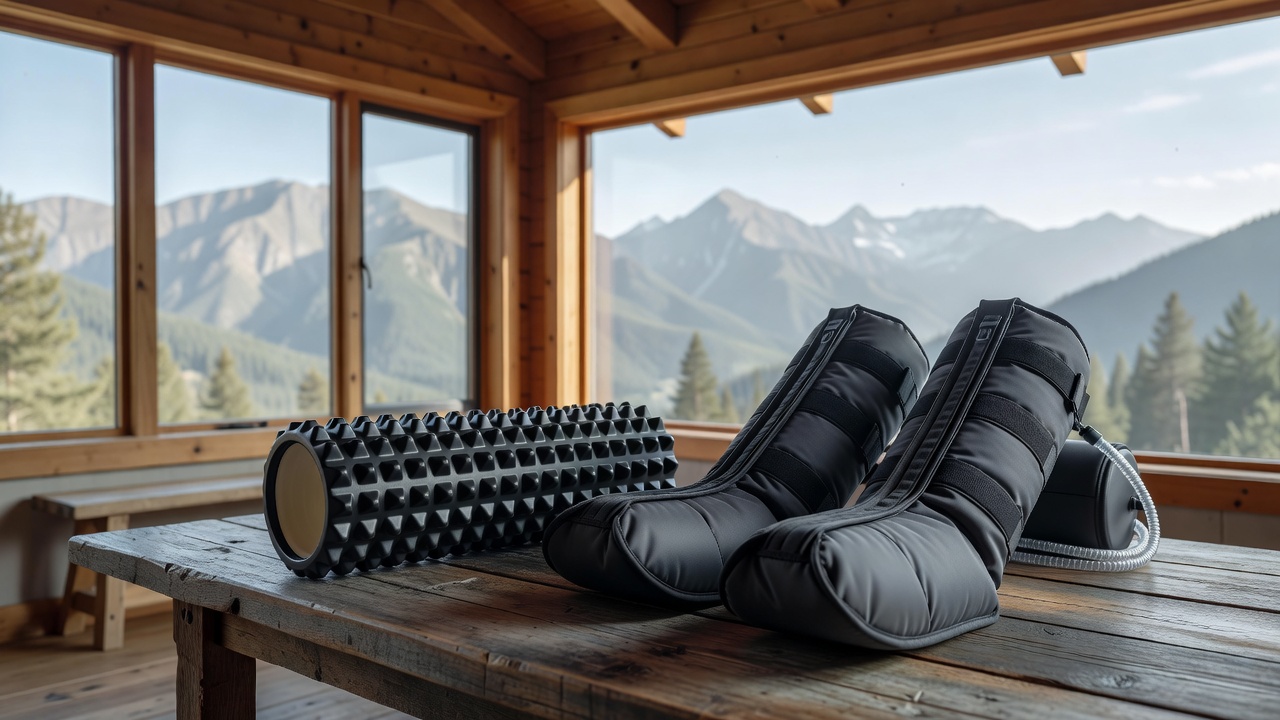
Active recovery promotes blood flow without adding stress. Low-intensity options include swimming, cycling at an easy pace, or gentle yoga flows. These methods help clear metabolic waste while keeping joints mobile. Compare recovery tools: foam rollers offer affordable myofascial release for tight calves after trail running, while compression boots provide sequential pressure for deeper lymphatic drainage. Many travelers prefer portable foam rollers for their lightweight design during international trips, whereas compression devices suit home-based routines between expeditions. Massage guns deliver targeted percussion but require careful use to avoid bruising sensitive areas. Step-by-step active recovery routine: 1) Begin with 10 minutes of walking to elevate heart rate gradually. 2) Perform dynamic stretches targeting major muscle groups such as hamstrings, shoulders, and hips. 3) Use a foam roller on quads and glutes for 5 minutes each, applying moderate pressure. 4) Finish with 15 minutes of light swimming or cycling followed by static holds. This sequence typically takes 45 minutes and fits easily into evening schedules at base camps.
Sleep Optimization Strategies
Quality sleep drives hormonal balance and tissue repair. Target 7-9 hours nightly, aligning with circadian rhythms by maintaining consistent bedtimes even in remote locations. Use blackout curtains or eye masks in rustic lodges, and avoid screens 60 minutes before bed. Adventure travelers report improved recovery when they incorporate magnesium-rich snacks like almonds before sleep. Monitoring tools such as wearable trackers can highlight patterns, helping adjust routines for better rest during demanding itineraries. Environmental factors matter too—keep the sleeping area cool and quiet, and consider earplugs for noisy hostels near popular trailheads. Poor sleep compounds fatigue, increasing injury likelihood on subsequent days of activity.
Mental Decompression Methods
Mental recovery prevents burnout from high-adrenaline experiences. Techniques include mindfulness meditation, journaling about the day's highlights, and breathing exercises like 4-7-8 patterns. After a skydiving session in New Zealand, participants often practice gratitude reflections to process intense emotions. Integrate these into daily wind-downs: spend 10 minutes in nature observation or progressive muscle relaxation. These practices sustain motivation for future adventures. Group discussions around campfires also provide social decompression, allowing participants to share experiences and reduce residual stress. Over time, consistent mental routines improve focus and resilience during challenging segments of a trip.
Real-World Examples from Popular Outdoor Adventures
During a 2026 rafting trip on the Colorado River, guides implement evening nutrition stations with recovery shakes followed by group yoga. Skiers in the Canadian Rockies use compression therapy after long days to reduce next-day soreness. Surfers tackling big waves in Hawaii incorporate foam rolling sessions on the beach before sunset. These examples demonstrate adaptable routines that fit varied environments, from high-altitude mountaineering to coastal kayaking expeditions.
Mistakes to Avoid in Recovery Planning
Common errors include skipping the immediate post-activity nutrition window, overusing ice which can delay healing in some cases, and ignoring mental fatigue signals. Another frequent issue is inconsistent sleep schedules when crossing time zones. Avoid pushing through pain during active recovery sessions, as this can worsen micro-tears. Instead, listen to body feedback and scale intensity accordingly. Planning ahead with a simple checklist prevents these pitfalls on the road.
Frequently Asked Questions
- How soon after extreme sports should I eat? Prioritize intake within 30-60 minutes for optimal glycogen replenishment.
- Are recovery tools worth the investment for frequent travelers? Portable options like foam rollers deliver consistent benefits without bulk.
- Can mental techniques really impact physical recovery? Yes, reduced stress hormones support faster muscle repair and better sleep.
- What if I have limited time between activities? Short active recovery sessions of 20-30 minutes still provide measurable gains.
- How does hydration affect long-term performance? Proper electrolyte balance prevents cramps and maintains endurance across multi-day trips.
- Should beginners follow the same routines as experienced athletes? Scale volume and intensity to fitness level while maintaining core principles of timing and consistency.
Conclusion
Implementing structured recovery routines empowers adventure travelers to enjoy extreme sports safely and sustainably into 2026 and beyond. By combining targeted nutrition, active techniques, optimized sleep, and mental strategies, enthusiasts can reduce injury risks while enhancing overall performance. Start with one protocol and build from there for personalized results on your next journey. Resources from the World Health Organization further emphasize the value of balanced recovery in maintaining physical health during demanding travel.

No comments yet. Be the first!