 PlaceBee
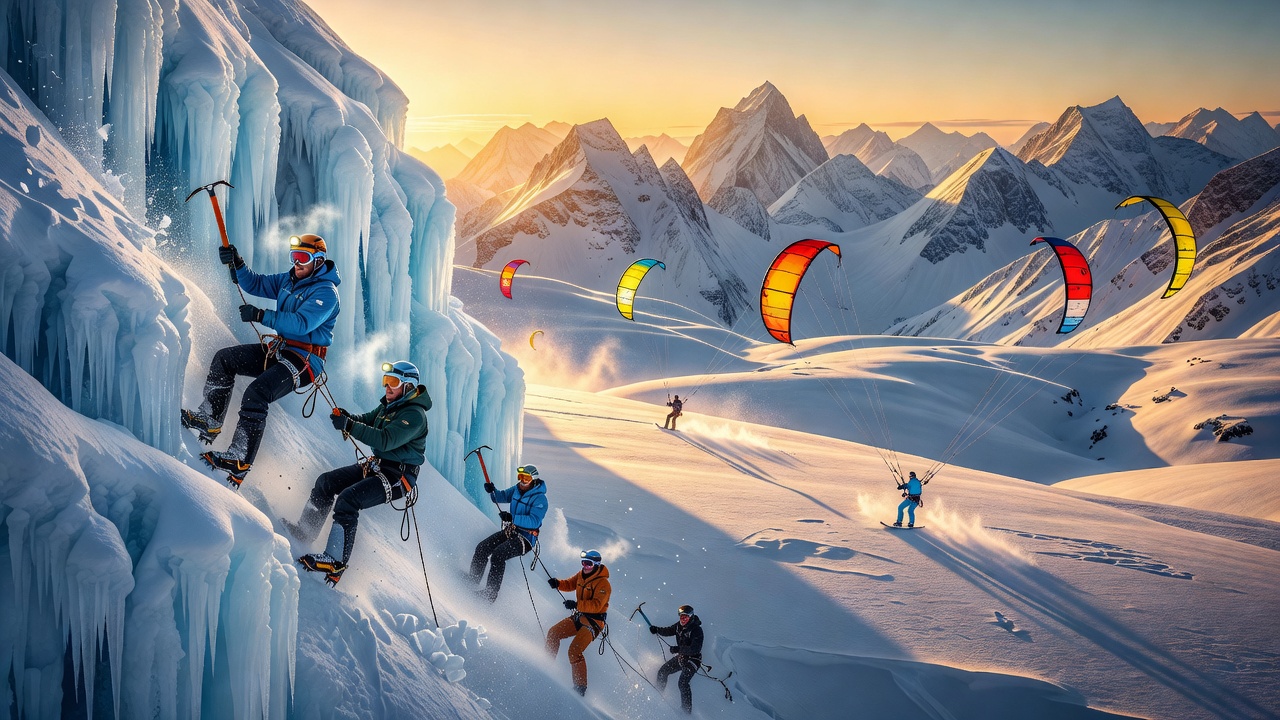
Introduction to Winter Extreme Sports
Winter transforms the outdoors into a dynamic playground for adrenaline enthusiasts who crave fresh challenges beyond typical summer activities. As 2026 approaches, winter extreme sports deliver unique opportunities within adventure travel that blend physical endurance, technical precision, and immersion in pristine natural environments. This comprehensive guide delves into preparation strategies, essential safety measures, premier global destinations, and detailed comparisons of standout disciplines including ice climbing, snow kiting, and backcountry skiing. Readers will also discover step-by-step training regimens tailored for beginners, practical gear checklists, real-world examples from seasoned athletes, and insights on mitigating cold-weather hazards to ensure rewarding and secure experiences.
Why Choose Winter Extreme Sports in 2026?
Winter extreme sports stand out as an invigorating alternative to overcrowded summer hotspots, providing solitude amid snow-draped landscapes and unparalleled vistas that evolve with each snowfall. These pursuits heighten sensory awareness through crisp air, shifting weather patterns, and the raw power of frozen terrain, fostering both physical fitness and mental resilience. With shifting climate trends potentially extending viable seasons in many regions, 2026 presents timely opportunities for forward-thinking travelers. Beyond fitness gains, participants often experience profound personal growth, learning to navigate uncertainty and build confidence in demanding conditions. For example, many return from expeditions reporting improved focus in daily life due to the concentration required on the mountain.
Top Global Locations for 2026 Trips
Selecting the right destination is crucial for maximizing safety and enjoyment. The Canadian Rockies near Banff and Jasper in Alberta feature expansive backcountry zones ideal for skiing and ice climbing, with reliable snowpack and guided outfitters available. Norway's dramatic fjord regions, particularly around Tromsø, offer consistent winds perfect for snow kiting while showcasing the northern lights as a bonus. Iceland's rugged volcanic plateaus around Vatnajökull provide thrilling ice climbing on blue glacier ice, though visitors must respect strict environmental rules. In the United States, Alaska's Chugach Mountains deliver advanced terrain for all three sports, attracting athletes seeking remote wilderness. Additional strong options include the French Alps near Chamonix for mixed ice and ski routes, and New Zealand's Southern Alps for those preferring southern hemisphere timing. Before committing, review current snow reports, permit requirements, and operator reviews to align with 2026 travel windows.
Official cold-weather preparedness resources are available from the CDC.
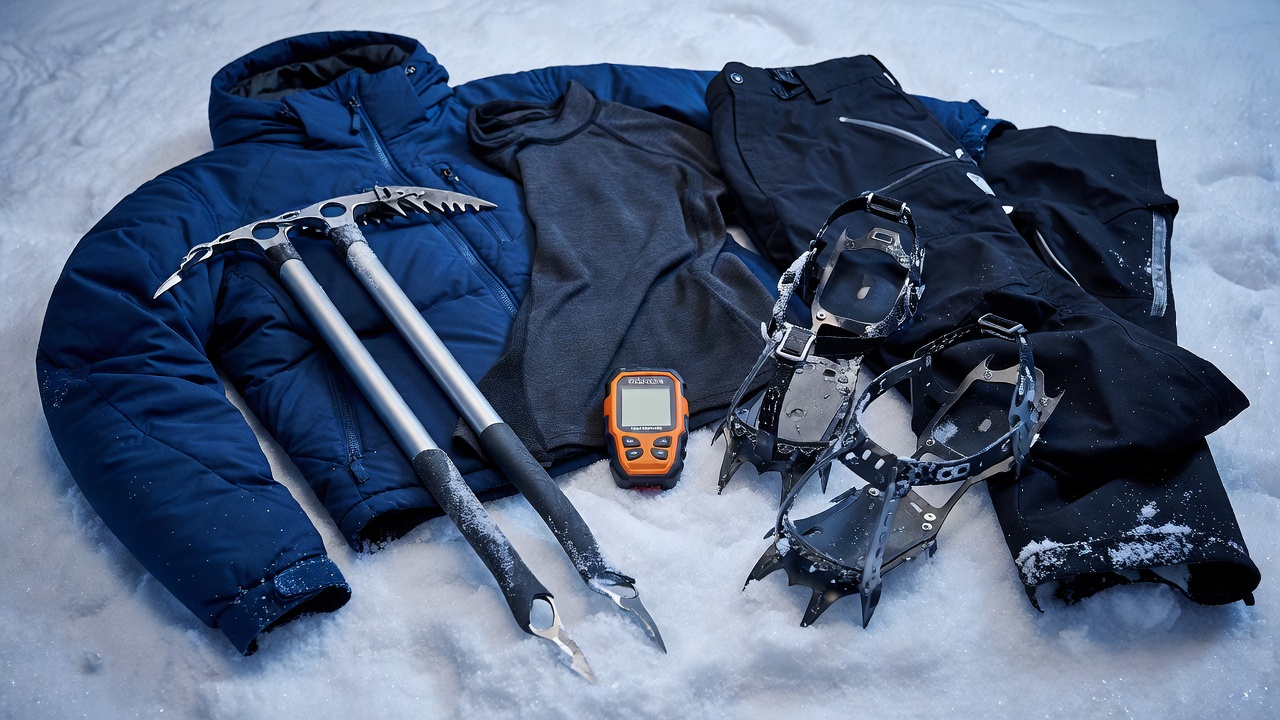
Comparing Ice Climbing, Snow Kiting, and Backcountry Skiing
Each sport offers distinct physical and mental demands, allowing enthusiasts to choose based on personal strengths and interests. Ice climbing emphasizes vertical movement on frozen waterfalls or cliffs using specialized axes and crampons, requiring exceptional grip strength, balance, and route-finding skills. It suits detail-oriented individuals who thrive on technical problem-solving in fixed locations. Snow kiting harnesses wind to propel athletes across snow on skis or boards, blending elements of sailing and snowboarding for high-speed traverses or jumps. This appeals to those who enjoy dynamic, wind-dependent freedom and can adapt quickly to changing gusts. Backcountry skiing focuses on untracked powder descents far from resorts, demanding strong endurance, avalanche knowledge, and efficient uphill travel with skins. Real-world examples illustrate differences: an ice climber might spend a day ascending a 200-meter pillar in the Canadian Rockies, while a snow kiter covers kilometers across Norwegian flats in hours, and a backcountry skier logs multiple runs in Alaska's vast bowls. Weigh factors like risk tolerance, preferred pace, and group dynamics when deciding; many athletes cross-train across all three for variety.
Step-by-Step Training Plans for Beginners
Phase 1: Building Base Fitness (6 Weeks)
Establish cardiovascular endurance with three weekly sessions of running, cycling, or rowing lasting 45-60 minutes. Add strength circuits three times per week emphasizing squats, deadlifts, pull-ups, and core planks to build stability for uneven snow. Incorporate yoga or balance drills twice weekly to enhance proprioception. Track progress with a simple journal noting heart rate and recovery.
Phase 2: Sport-Specific Skill Development (4-5 Weeks)
Ice climbing novices should attend indoor ice walls or dry-tooling sessions twice weekly to refine axe placement and footwork. Snow kiters practice kite control on land or beaches using training kites before progressing to snow. Backcountry skiers focus on skinning technique and boot packing on local trails while carrying a 15-kilogram pack to simulate expedition loads.
Phase 3: Cold-Weather and Scenario Simulation (3 Weeks)
Conduct outdoor sessions in temperatures mirroring target destinations, testing layering systems and nutrition timing. Join organized group outings to practice communication, emergency response, and decision-making under fatigue. Include scenario drills such as self-arrest techniques or kite recovery in gusty conditions.
Essential Gear Checklists
Investing in quality equipment prevents discomfort and accidents. Core clothing layers consist of synthetic or merino base layers for moisture management, fleece or down mid-layers for insulation, and waterproof-breathable shells for wind and snow protection. Footwear includes insulated boots rated for sub-zero conditions paired with compatible crampons. Safety essentials feature avalanche transceivers with three-antenna receivers, collapsible probes, lightweight shovels, and certified helmets. Activity-specific additions include ice axes, harnesses, and screws for climbers; kites, control bars, and harnesses for kiters; and touring skis, bindings, and skins for skiers. Additional items like insulated water bottles, headlamps with extra batteries, and multi-tools round out the kit. Always perform pre-trip inspections and replace items showing wear.
Safety Protocols and Managing Cold-Weather Risks
Cold exposure introduces hazards such as hypothermia, frostbite, and reduced dexterity that can escalate quickly. Core protocols involve daily weather monitoring via multiple sources, mandatory buddy systems, and carrying satellite communicators or personal locator beacons. Gradual acclimatization over several days reduces shock, while recognizing symptoms like persistent shivering or loss of coordination allows early intervention. In practice, groups often establish turnaround times and maintain visual contact on technical terrain. Case examples from experienced guides highlight how proper layering and hydration have prevented incidents during multi-day trips in remote areas.
FAQ on Cold-Weather Risks
How do I prevent frostbite during long outings? Maintain dry extremities with quality socks and gloves, use chemical hand warmers sparingly, and schedule regular sheltered breaks for circulation checks.
What should I do if caught in an avalanche? Activate airbag systems if available, swim aggressively to remain near the surface, and create an air pocket immediately upon stopping while awaiting rescue.
Are there medical considerations for high-altitude winter sports? Consult a doctor regarding altitude medication, ensure up-to-date vaccinations, and carry a basic first-aid kit with blister and wound supplies.
Further safety guidance appears on the National Park Service website.
Environmental Considerations for Sustainable Adventures
Winter sports can impact fragile ecosystems through trail erosion, wildlife disturbance, and waste. Responsible participants follow Leave No Trace principles by packing out all refuse, avoiding sensitive habitats during nesting or hibernation periods, and choosing operators with strong sustainability certifications. Many 2026 travelers offset carbon from flights by supporting verified reforestation projects, helping preserve the very snow conditions that make these sports possible.
Conclusion
Winter extreme sports promise extraordinary rewards for 2026 thrill seekers who invest in thorough preparation, informed destination selection, and unwavering safety focus. By mastering training progressions, assembling reliable gear, and respecting both natural forces and environmental responsibilities, adventurers can create transformative experiences far removed from conventional summer travel. Begin planning early to align with optimal conditions and secure expert guidance for unforgettable journeys.
No comments yet. Be the first!